In the competitive landscape of global manufacturing, choosing the right partner for Machining Milling services is crucial. China has emerged as a leading destination for these precision services. Companies benefit from a blend of advanced technology and skilled labor in this sector. The efficiency of Chinese manufacturers can significantly reduce production costs. However, sourcing decisions come with complexities and risks that need careful consideration.
Quality assurance remains a significant concern when outsourcing Machining Milling services. While many suppliers promise high standards, not all deliver consistently. Businesses must conduct thorough assessments to ensure reliability. It's essential to verify certifications and past project examples. Not all suppliers meet the stringent criteria required for complex machining tasks.
Establishing a partnership requires trust and communication. Companies should consider visiting suppliers to assess their capabilities. Local regulations and market conditions can influence service quality and pricing. Machining Milling may present challenges, yet with methodical research, businesses can find dependable partners. This dedication to due diligence is key to successful global sourcing.
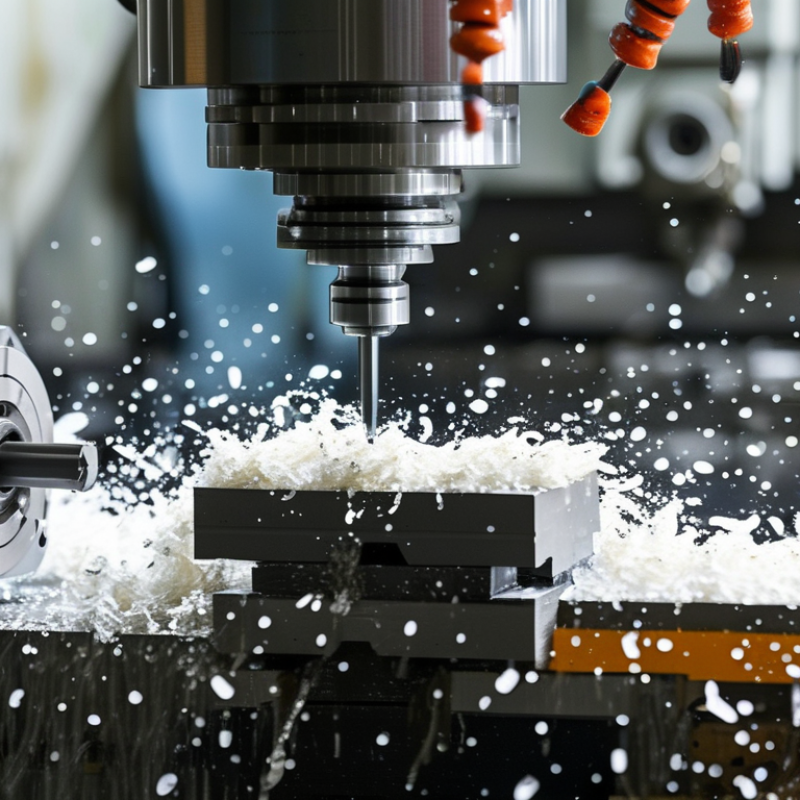
China has rapidly emerged as a leader in machining and milling services. According to the China Machine Tool Industry Association, the country accounted for over 30% of global machine tool manufacturing in 2022. This significant share reflects China's emphasis on developing technology and talent in precision engineering.
Milling services in China are particularly notable for their advanced capabilities. Chinese manufacturers often utilize state-of-the-art CNC machines, ensuring high precision and efficiency. Reports show that CNC machining can achieve tolerances as tight as ±0.01 mm. Such accuracy is crucial for industries like aerospace and medical devices, where precision is non-negotiable. Despite these advancements, challenges remain. Many companies still face issues related to quality control and consistency. Inconsistent quality can affect production timelines and costs.
Furthermore, outsourcing to China raises concerns about IP protection and supply chain disruption. Companies need to conduct thorough research before choosing specific machining services. This diligence ensures alignment with global standards and mitigates potential risks associated with sourcing overseas. Adapting to the evolving landscape requires ongoing vigilance and a commitment to quality improvement.
Sourcing milling services in China offers several significant benefits. Companies can tap into a vast pool of skilled machinists. Many of these professionals have years of experience in precision machining. This expertise often leads to high-quality results, which is crucial for complex projects. The advanced manufacturing technologies available in China further enhance production capabilities. Equipment is state-of-the-art, allowing for efficient workflows.
Cost efficiency is another critical advantage. Labor costs in China remain comparatively lower than in many Western countries. This fact helps companies optimize their budgets without sacrificing quality. Additionally, Chinese suppliers are often flexible, accommodating custom orders and varying volumes. However, not every supplier meets high standards. Research and due diligence are essential to ensure reliability.
Communication can be a hurdle. Language differences may cause misunderstandings about project requirements. It's vital to establish clear channels of communication. Regular check-ins can mitigate potential issues. While sourcing from China can be highly beneficial, challenges do exist. Not all suppliers are transparent about their processes, so scrutiny is necessary. Adopting best practices will lead to better outcomes.
China's machining and milling services are increasingly sought after across various industries. Aerospace and automotive sectors remain at the forefront, leveraging China's advanced capabilities. These industries require precision parts that endure extreme conditions. Companies focus on quality and reliability in their sourcing decisions. Yet, challenges persist. Communication barriers can lead to misunderstandings regarding specifications. Quality control issues also pose risks, emphasizing the need for rigorous checks.
Electronics manufacturers are also turning to China. They seek intricate designs and quick turnaround times. This sector demands high-volume production and tight tolerances. However, the rapid pace can sometimes sacrifice quality for speed. Companies must navigate this balance carefully. Collaboration with trusted partners is vital to mitigate risks. Reliability in service becomes essential for success.
The medical industry benefits significantly from China's milling services. They require components that meet strict regulatory standards. Each piece must be manufactured with precision to ensure safety. Yet, sourcing in this sector can be daunting. The need for certifications adds complexity to the process. Therefore, it's crucial to engage with experienced suppliers who understand these demands. Building strong relationships can foster innovation and enhance the supply chain.
When choosing a milling service provider in China, several critical factors deserve careful consideration. The first consideration is the provider’s experience in the industry. A seasoned provider likely has robust quality management systems in place. According to a recent report, experienced suppliers achieve a 30% higher accuracy in production than newer ones. This accuracy can significantly influence the end quality of your products.
Another essential factor is the capability of the provider's machinery. The technological advancement of equipment can dictate the range of materials and complexities they can handle. Data suggest that facilities with modern CNC milling machines boast a 25% faster turnaround time on average. This efficiency can enhance your product’s time to market. However, not every provider can manage the latest technology. This disparity can lead to inconsistencies and delays, making due diligence vital.
Cost is, of course, always a crucial factor, but it shouldn't compromise quality. Low prices may be tempting but could indicate subpar materials or manufacturing processes. In fact, some reports indicate that choosing the cheapest option can lead to rework costs that exceed 20% of the initial savings. Balancing quality with budget constraints is essential for successful global sourcing in China’s milling service landscape.
In recent years, many companies have successfully sourced milling services from China. These successes often hinge on effective collaboration with skilled manufacturers. By developing strong relationships, businesses can leverage local expertise and achieve high-quality outcomes.
One notable case involved an electronics company that needed precision components. After selecting a Chinese milling service, the team faced initial challenges with design specifications. Clear communication proved essential. After multiple discussions, the manufacturer delivered parts that exceeded expectations. This partnership demonstrated the importance of adaptability.
**Tips:** Always conduct thorough factory audits. Quality checks during production are crucial. Consider starting with smaller orders to gauge reliability.
Additionally, a medical device firm faced delays due to language barriers. They opted for a local liaison who facilitated smoother interactions. This allowed for immediate feedback and adjustments, ensuring quicker turnaround times.
**Tips:** Invest in local expertise. Having someone familiar with the processes can save time. Emphasize transparency in timelines and expectations.
This chart illustrates the performance metrics of various machining milling services available in China. The metrics include cost efficiency, quality assurance, lead time, customer support, and technology adoption. These aspects are crucial for global sourcing decisions.
: Key benefits include access to skilled machinists, advanced technology, and cost efficiency.
Experienced providers often have robust quality management systems, leading to higher production accuracy.
Language differences can lead to misunderstandings. Clear communication channels can help avoid potential issues.
Modern equipment affects the range of materials and turnaround times. Advanced machinery can enhance efficiency.
While low prices are attractive, they may signal poor quality. It's crucial to balance cost and quality.
Conduct thorough factory audits and start with smaller orders. Strong relationships and clear expectations are vital.
Not all suppliers are transparent about their processes, necessitating careful scrutiny during sourcing.
Local liaisons facilitate smoother communication and provide immediate feedback, reducing delays.
Local knowledge can improve interactions and save time during the sourcing process.
Adopting best practices like regular check-ins and transparency in timelines can lead to improved results.
This article explores the landscape of Machining Milling services in China, highlighting the various advantages that make it an attractive option for global sourcing. With a well-established infrastructure, competitive pricing, and a skilled workforce, China has become a hub for industries seeking quality milling solutions. The article delves into the top industries utilizing these services, including aerospace, automotive, and electronics, demonstrating the versatility and efficiency of China's machining capabilities.
Additionally, it addresses critical factors to consider when selecting a milling service provider in China, such as quality assurance, delivery timelines, and communication. With case studies showcasing successful global sourcing experiences, the article emphasizes the strategic importance of leveraging China's machining milling services to enhance operational efficiency and cost-effectiveness for businesses worldwide.

Xinyunyang Precision