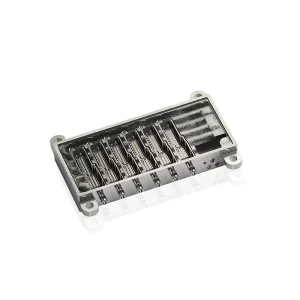
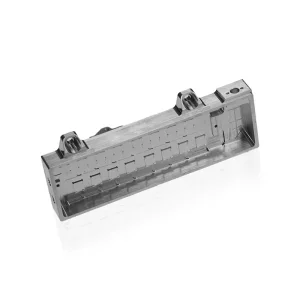
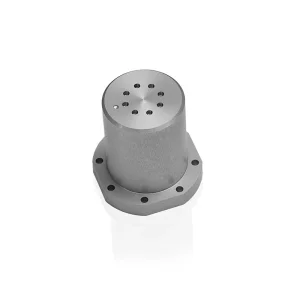
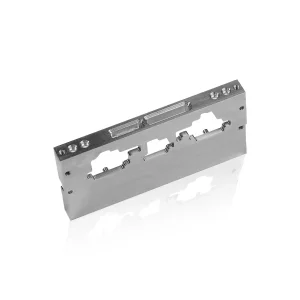
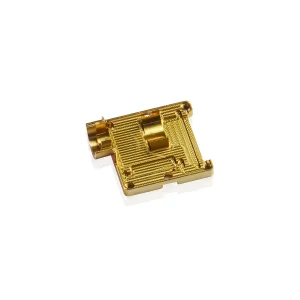
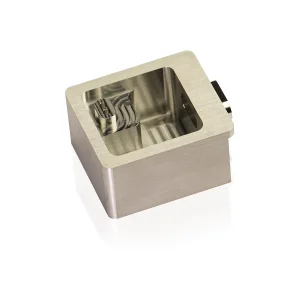
Explore our foundational range of CNC-milled housings, Kovar alloy enclosures, and hermetically sealed packaging designs.
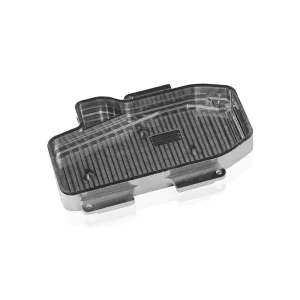
A Technical Whitepaper on Advanced Design, Material Science, and High-Performance Customization in Modern Manufacturing
In modern industrial design and electronics manufacturing, housing components serve a dual purpose: they are both the physical protective armor and an integrated thermodynamic management structure. Aluminum shells have risen to absolute dominance due to their optimal strength-to-weight ratio, structural stability, ease of precision machining, and superior thermal conductivity. Advanced structural alloys (e.g., Al 6061-T6, Al 7075-T6) are routinely deployed to withstand external physical loads, isolate electromagnetic interference (EMI/RFI), and deliver rapid heat dissipation for high-density silicon and gallium nitride (GaN) components.
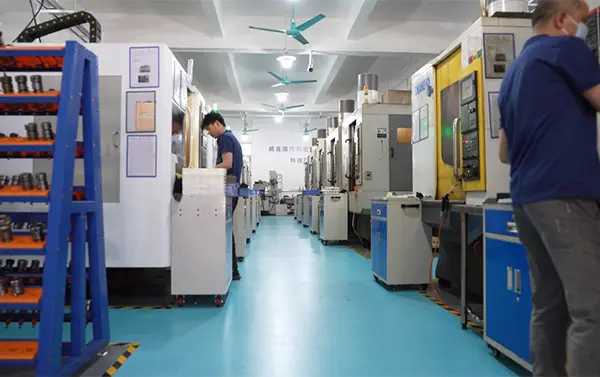
However, as global industries transition toward 5G/6G communication systems, autonomous mobility, high-frequency aerospace radars, and dense optoelectronics, standardized extrusion profiles are no longer sufficient. Modern layouts demand complex internal cavities, tight dimensional tolerances within single-digit micrometers (±0.005mm), and material integrations that mitigate thermal coefficient mismatches. Our manufacturing lines resolve these pain points by integrating high-speed, multi-axis CNC milling machines, custom sheet metal forming systems, and advanced electroplating finishes to supply high-reliability assemblies built to withstand extreme temperatures, vibrations, and moisture.
The application of high-precision aluminum and alloy packages is structurally aligned with the expansion of high-tech vertical markets. Below is an analytical look at how our customized metal shells and housings resolve macro-level challenges across global sectors:
In high-frequency 5G/6G optical modules and micro-base stations, structural housings act as high-efficiency heat sinks and Faraday shields. Signal integrity must not degrade over decades of outdoor deployment. To solve this, our processing facilities fabricate customized aluminum and specialty Kovar enclosures that minimize thermal expansion mismatch, ensuring optical fibers, transceiver lasers, and silicon chips remain in absolute geometric alignment even under severe thermal cycles ranging from -65°C to +150°C.
Modern microchips generate unprecedented localized heat loads. A high-density aluminum shell integrated with active liquid cooling plates or advanced thermal interface materials (TIMs) plays an essential role in keeping junction temperatures below critical limits. Furthermore, in harsh environment packaging, our hermetically sealed Kovar alloy and copper-clad packages ensure zero ingress of oxygen, moisture, and corrosive atmospheric contaminants, preserving semiconductor wafer longevity.
Weight reduction is the single most effective way to improve fuel and battery economy in aerospace and defense systems. By transitioning bulky structural castings to light-alloy CNC machined components, we reduce system mass by up to 40% while preserving absolute rigid structural safety. Our military-grade metal packaging systems are engineered to withstand prolonged sinusoidal vibration profiles, extreme shock loads, and long-term salt spray exposure.
Diagnostic equipment, high-voltage laser housings, and implantable sensor cases require biocompatible, chemically inert, and highly cleanable surfaces. We utilize gold-finish plating processes and electropolishing techniques on stainless steel, titanium, and aluminum surfaces to guarantee sterile compliance, zero shedding of metallic particulates, and outstanding shield properties against EMI, ensuring life-critical systems operate without noise distortion.
To help design engineers select the ideal material system for their specific application envelope, the following table details the mechanical and thermal properties of various industrial metals utilized across our production floors:
| Material Designation | Thermal Conductivity (W/m·K) | Coeff. of Thermal Expansion (CTE, 10⁻⁶/K) | Density (g/cm³) | Primary Industrial Use Case |
|---|---|---|---|---|
| Al 6061-T6 | 167 | 23.5 | 2.70 | General Structural CNC Enclosures, Radios, Heat Sinks |
| Al 7075-T6 | 130 | 23.4 | 2.81 | High-stress Aerospace parts, Military housings |
| Kovar Alloy (Fe-Ni-Co) | 17 | 4.7 ± 0.2 (at 30°C - 400°C) | 8.36 | Hermetic Semiconductor Packaging, Glass/Ceramic sealing |
| Copper-Tungsten (CuW80) | 180 - 200 | 8.3 | 15.2 | Ultra-high Power RF Laser Submounts, CPU heat spreaders |
| Stainless Steel 316L | 16.2 | 16.0 | 8.00 | Chemical Processing, Medical Enclosures, Marine Connectors |
Founded in November 2014, Xinyunyang Precision Technology Co., Ltd. has continuously adhered to its initial intention of industrial excellence, operating strictly on the business principles of Integrity, Innovation, Cooperation, and Sharing.
Our core competitiveness is anchored in high-precision Kovar processing technology. We deeply cultivate critical component solutions for sectors including semiconductors, optical communications, aerospace, medical devices, and new energy / military industries. Our primary mission is providing miniaturized, highly customized, and ultra-reliable metal packaging and structural solutions to global customers.
Through years of relentless continuous effort, backed by our robust supply partners and worldwide clients, we are steadily scaling to become a dominant global supplier of hermetic package lids, Kovar alloy components, and high-performance CNC aluminum structural assemblies.
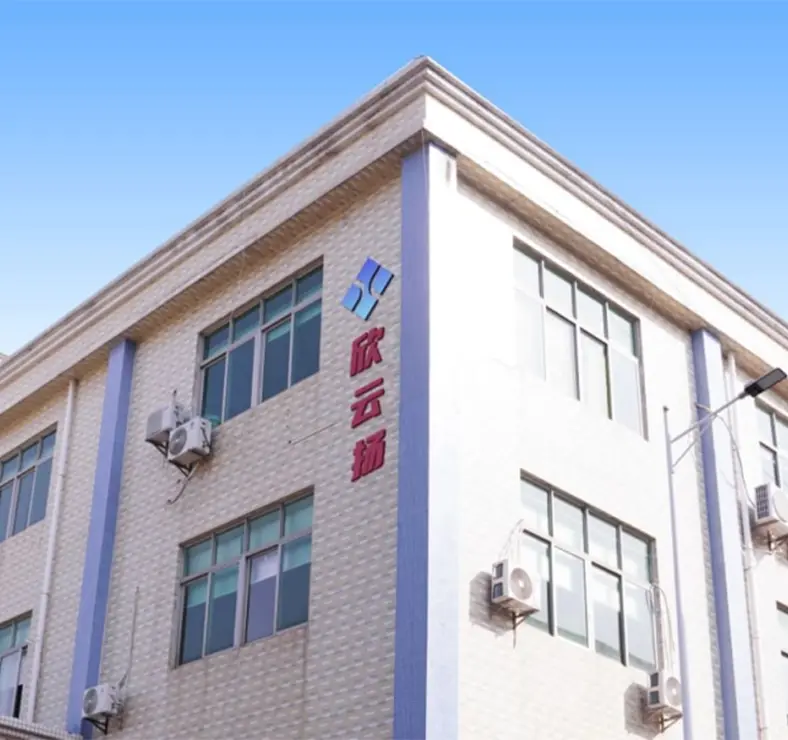
How our technological depth and strategic quality management drive manufacturing efficiency and material innovation.
The company boasts a dedicated, professional team of over 100 high-caliber individuals, of which specialized engineering and technical personnel represent 30% of our total workforce.
Our core structural and metallurgical engineers possess over ten years of deep-domain precision processing expertise. We proactively lead the research of advanced alloy composites, including high-frequency 5G/6G transceiver housings and CTE matching components.
Leveraging our rigorous ISO 9001 certified quality management framework and smart cloud-based production scheduling, we have optimized our lead times, increasing standard order delivery velocities by 15% to 20%.
Ensuring localized engineering presence and absolute alignment with strict international standards.
Operating a global high-tech supply chain means compliance is not optional. Every piece of metal packaging, from a simple aluminum extruded heat sink to a custom CNC micro-cavity, must satisfy stringent regulatory directives. Our factories fully conform to RoHS (Restriction of Hazardous Substances) and REACH (Registration, Evaluation, Authorisation and Restriction of Chemicals) directives. We guarantee that all metal surface treatments, such as nickel plating, chemical conversion coatings, and gold sputtering, are 100% free of prohibited heavy metals and toxic substances, safeguarding user safety and simplifying import clearance processes in the European Union, North America, and Asia-Pacific markets.
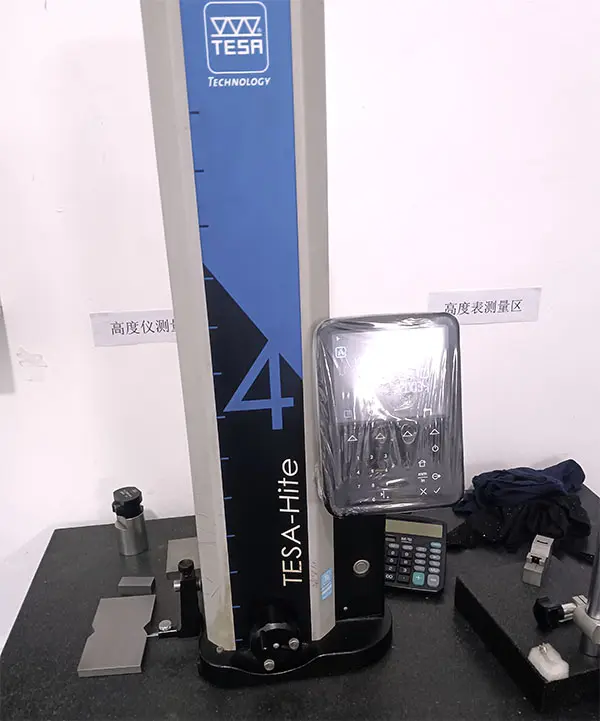
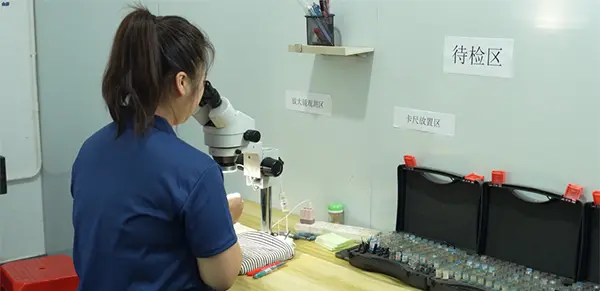
Our dedicated QA/QC laboratories utilize advanced coordinate measuring machines (CMM), optical measuring microscopes, digital helium leak detectors, and high-frequency network analyzers to inspect and verify 100% of outbound batches. Our hermetic packaging is guaranteed to meet leak rates of less than 1x10⁻⁸ atm·cc/sec, ensuring absolute seal stability in deep sea, high altitude, and vacuum conditions.
We understand that rapid engineering validation cycles are vital for new product introductions (NPI). Through our regional sales channels and field engineering associates, we offer fast localized design reviews, standard prototyping in as little as 3-5 days, and localized warehouses near key global electronics hubs. This minimizes transit times, lowers regional logistics costs, and cushions our customers against sudden market fluctuations.
Driving the frontiers of smart manufacturing and metallurgy to meet the industrial demands of tomorrow.
As microchip integration densities continue their relentless march toward physical limits, the thermal and electromagnetic roles of protective housings are expanding. Xinyunyang has drafted a comprehensive technical roadmap running through 2030, detailing our expansion into next-generation processing fields. Our primary research paths are divided into three core pillars:
Expanding beyond monolithic aluminum machining into hybrid diffusion-bonded composites. By bonding low-CTE Kovar or molybdenum inserts directly into high-thermal-conductivity aluminum frames, we provide components that feature customized thermal properties tailored directly to the exact silicon die size, preventing solder joint fatigue.
Integrating machine learning algorithms directly with our digital CAD tools. This permits automated topology optimization, resulting in the design of internal cooling cavities and weight-reduction patterns that would be impossible to conceptualize manually, saving up to 15% raw material weight while improving thermal flow rates.
Establishing a robust, closed-loop post-machining aluminum collection system. We aim to offset our carbon footprint by scaling the usage of certified secondary aluminum scrap, ensuring that our high-precision CNC processes maintain minimal carbon intensity to help global OEMs reach their net-zero operations targets.
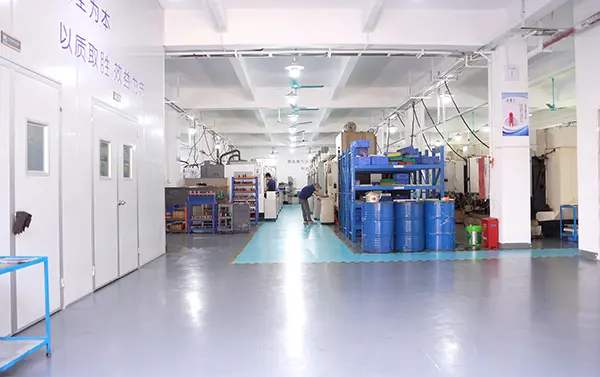
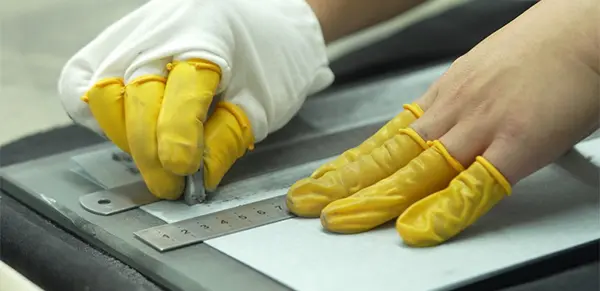
Step inside our advanced manufacturing facility. We continually invest in cutting-edge machinery to deliver unparalleled precision.
Answers to highly specific engineering inquiries regarding materials, tolerances, hermetic seals, and CNC machining processes.
Optical modules and microwave packages rely on ceramics or glass feedthroughs to route signals. Standard aluminum expands rapidly under heat, which breaks the delicate ceramic-to-metal or glass-to-metal hermetic joints. Kovar alloy (composed of iron, nickel, and cobalt) features a Coefficient of Thermal Expansion (CTE) of 4.7±0.2×10⁻⁶/℃ (between 30°C and 400°C), matching borosilicate glass and alumina ceramics perfectly. This CTE matching prevents joint fracture, maintaining seal reliability and preventing insertion losses (such as maintaining IL < 0.26dB at 40GHz).
Our CNC machining centers are equipped with high-speed, multi-axis milling technology. We routinely hold linear and pocket tolerances to ±0.005 mm (5 micrometers). For demanding applications such as optical fiber alignment tracks or high-frequency RF cavity filters, we utilize specialized micro-tooling and rigid calibration checks to achieve sub-micron precision, eliminating air gaps and maximizing signal shielding efficiency.
We provide a diverse array of professional chemical and electrochemical finishes. These include Type II and Type III (hardcoat) anodizing for superior abrasion resistance; electroless nickel plating (both medium and high phosphorus) for optimal salt spray performance; and high-purity electroplated gold over nickel barriers to ensure maximum corrosion resistance and excellent wire-bonding characteristics in critical microelectronics.
We operate in accordance with MIL-STD-883. For high-reliability hermetic packaging, we execute double-method leak detection. Fine leaks are isolated using dry helium mass spectrometer leak detectors, while gross leaks are identified using heated fluorocarbon bubble baths. This comprehensive approach ensures that every sealed enclosure is completely impervious to environmental gases.
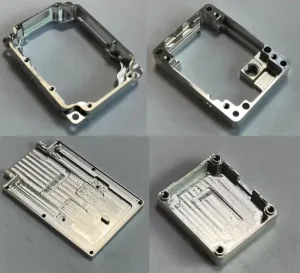
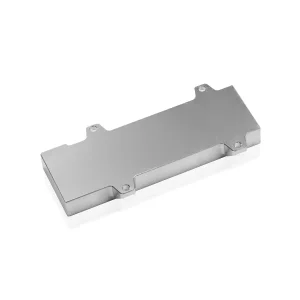
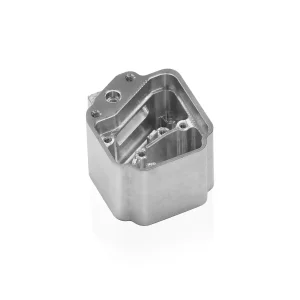
Explore our highly reliable industrial foundations, CNC metal parts, sheet metal solutions, and thermal regulators.
 Xinyunyang Precision