 Xinyunyang Precision
1 / 2
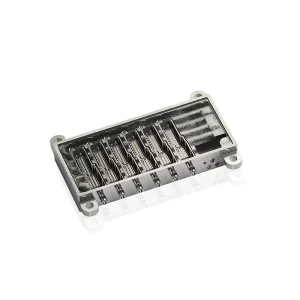
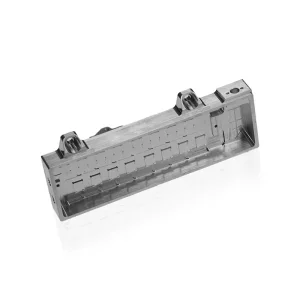
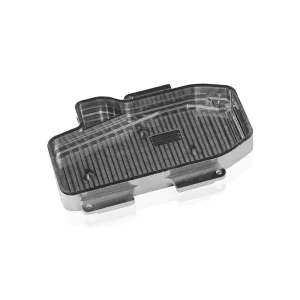
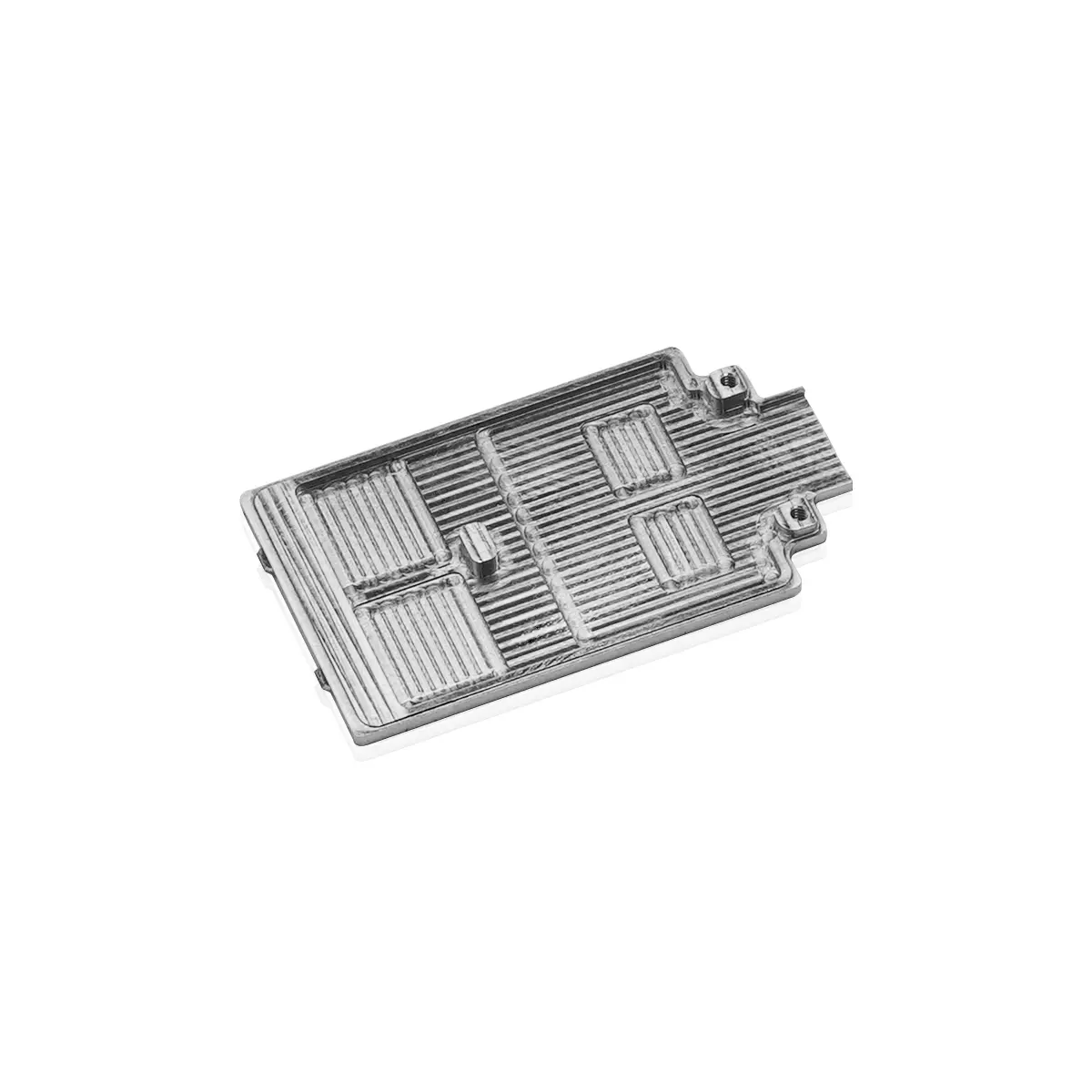
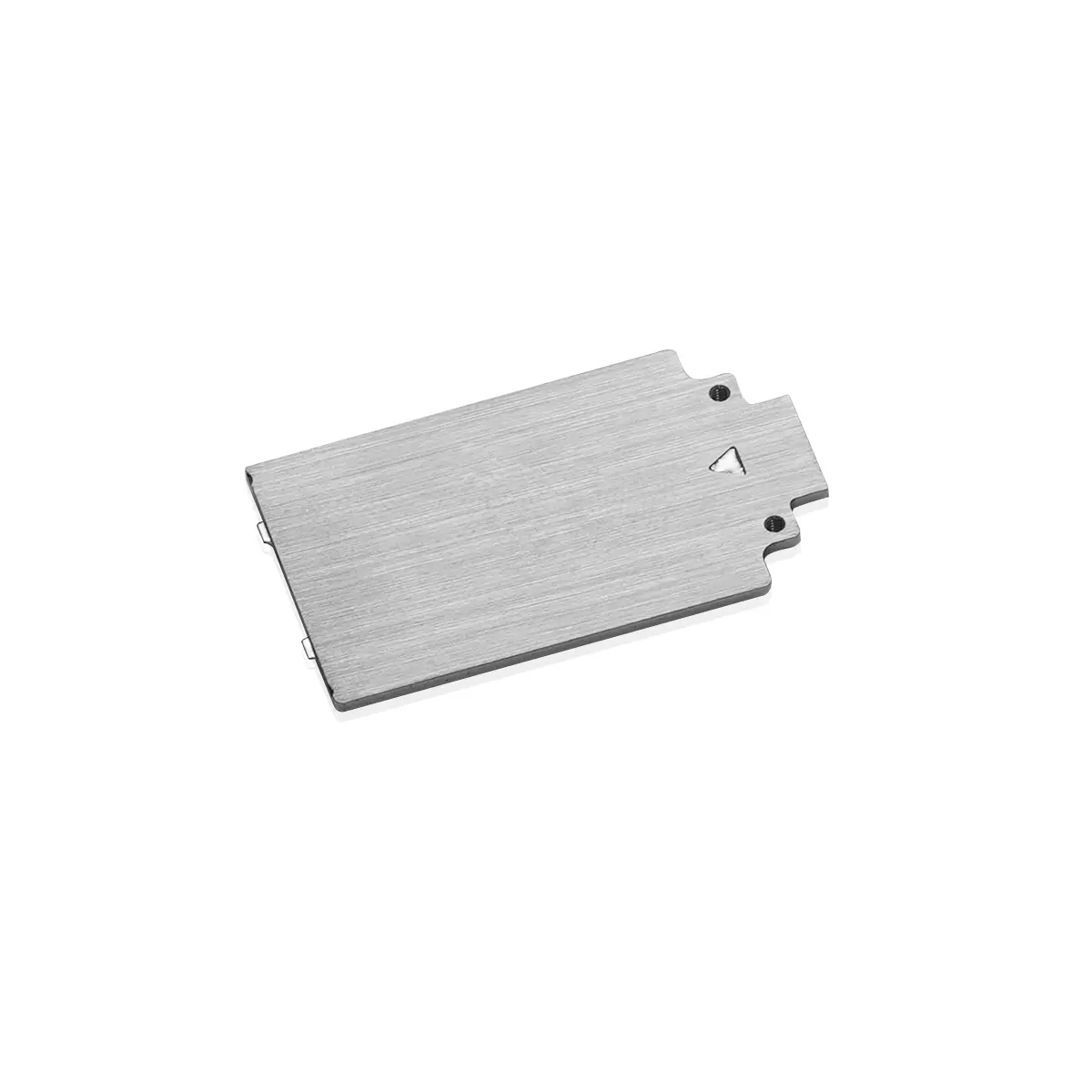
The appearance is a regular flat plate, and the surface is finely processed to show the unique silver luster of metal, with tough and simple lines. The material is most likely aluminum alloy, which has low density and excellent thermal conductivity. It can efficiently conduct heat while ensuring structural strength. It may also be copper (if you pursue extreme thermal conductivity). Copper has a higher thermal conductivity, but the cost and weight are relatively large. However, from the perspective of common applications and lightweight appearance, aluminum alloy is more likely. The surface may be treated by anodizing to enhance wear resistance and oxidation resistance, extend service life, and make the metal texture more prominent. It is not easy to rust or deform due to long-term use, and maintain stable heat dissipation performance.
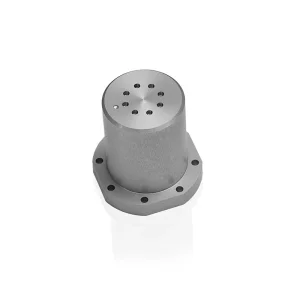
The concave and convex texture on its surface is the key design. Those fine fin structures greatly increase the contact area with the air. When electronic components (such as CPU, GPU, etc.) generate heat during operation, it is transferred to the heat sink through heat conduction. These fins can quickly dissipate the heat to the surrounding air to achieve heat exchange. The mounting holes on the side are precisely adapted to the fixing requirements of electronic equipment. They can be firmly installed above the heat source through screws and other fasteners to ensure a stable heat transfer path and prevent poor contact due to equipment vibration, which will affect the heat dissipation effect. The small protrusions and positioning structures in the middle or edge can assist in precise alignment during installation and improve assembly efficiency and stability.
In electronic equipment, it is a "little guard" for heat dissipation. Like the CPU, graphics card and other high-heat components in the computer host, a lot of heat is generated during operation. If it is not dissipated in time, it will lead to performance degradation and shortened hardware life. This heat sink can be used with fans (air-cooled heat dissipation system) to quickly take away heat and keep the hardware working in a suitable temperature range. It can also play a role in some industrial control equipment and communication base station equipment. These devices run continuously for a long time, and the internal electronic components generate a lot of heat. Relying on it to assist in heat dissipation, ensure stable and reliable operation of the equipment, reduce the probability of failure caused by overheating, and improve the overall stability and durability of the system.
From the performance point of view, good material and structural design give it efficient heat conduction and heat dissipation capabilities, can quickly respond to heat changes, and timely drain heat, so that electronic equipment is always in a relatively low temperature and stable working environment. In terms of value, for ordinary consumers, it is the basic guarantee for the stable operation of computers and other equipment, avoiding freezing and jamming due to overheating, and improving the user experience; for industrial scenarios, it helps equipment to have a long life and low failure operation, reducing maintenance costs and downtime losses, and indirectly creating economic benefits. It is an indispensable basic and key link in the heat dissipation solution of electronic equipment, silently guarding the "calm" operation of electronic equipment. Although it seems ordinary, it plays a vital role in the stable and efficient operation system of electronic equipment, and is the behind-the-scenes hero to ensure hardware safety and performance.
These heat sinks are most commonly made of aluminum alloy due to its low density, excellent thermal conductivity, and structural strength. Copper may also be used in cases where extreme thermal conductivity is required, despite its higher cost and weight.
The surface features a concave and convex texture with fine fin structures. This design significantly increases the overall contact surface area with the air, allowing heat transferred from electronic components to dissipate much faster.
Yes. The surface is treated with anodizing, which substantially enhances both wear and oxidation resistance. This treatment ensures the metal maintains stable heat dissipation performance and does not easily rust or deform over long-term operation.
They are widely applied to high-heat electronic devices such as computer CPUs and graphics cards, as well as industrial control hardware and communication base stations that must run continuously for long periods.
Absolutely. While they work via passive conduction, they are designed to be paired with active cooling fans (air-cooled systems) to maximize airflow across the fins and rapidly carry heat away from the hardware.
By ensuring that high-heat components operate within a safe and stable temperature range, the heat sinks prevent overheating-induced failures. This keeps equipment running reliably, lowers downtime, and extends the overall service life of the hardware.