 Xinyunyang Precision
1 / 2
In terms of physical properties, the density of 8.5g/cm³ takes into account both lightweight and structural strength. Good thermal conductivity can dissipate heat in time and maintain the thermal stability of the equipment.



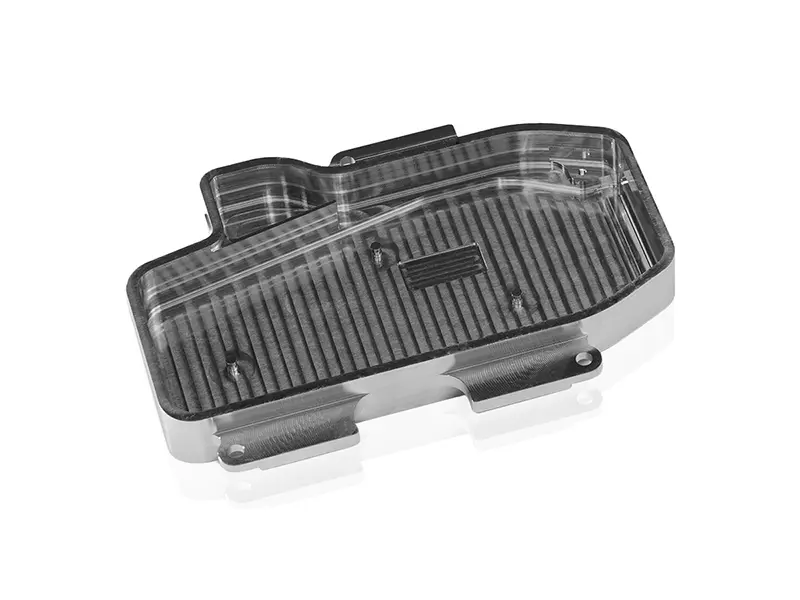
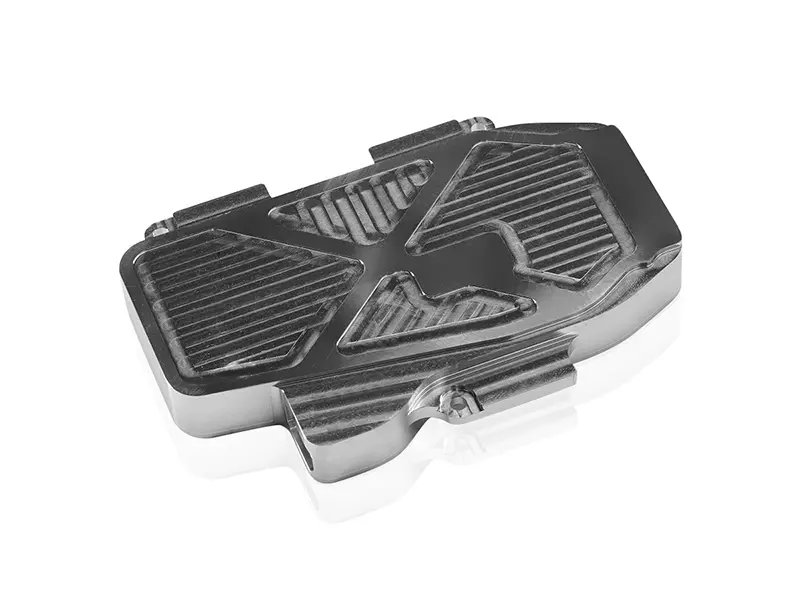
In terms of chemical properties, pickling passivation, electrolytic polishing and other processes form a protective film on the metal surface, which has strong corrosion resistance and can work stably in harsh chemical environments. Overall, this component has excellent performance and is suitable for use in mechanical equipment, automation equipment and other fields that require high precision and durability.
The material selection reflects the deep consideration of extreme working conditions. If aviation-grade 7075-T7451 aluminum alloy is used, after three-stage aging treatment, the tensile strength exceeds 620MPa, and the fatigue life exceeds 1.2×10^8 cycles, which is suitable for high dynamic load scenarios such as aircraft engine hangers; if super austenitic stainless steel 904L is used, its molybdenum content reaches 4.5%, and it can still maintain excellent corrosion resistance in acid and alkali environments with pH 1-14, and can be competent for harsh environments such as chemical reactors and seawater desalination equipment. Both materials have passed CT scanning inspection to ensure that there are no defects such as pores and inclusions inside.
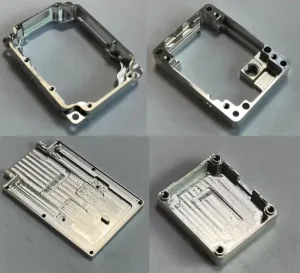
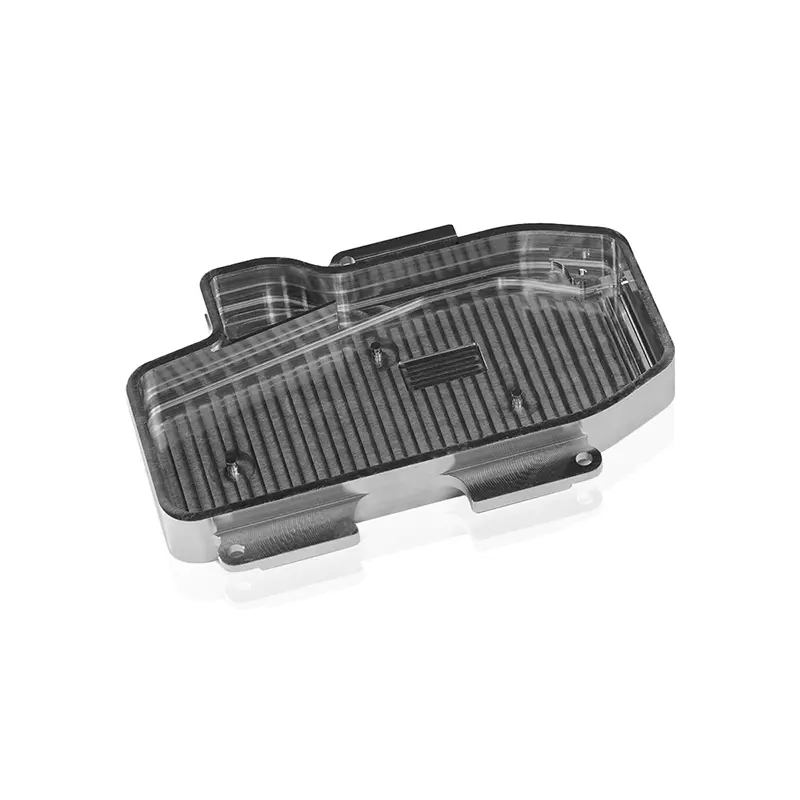
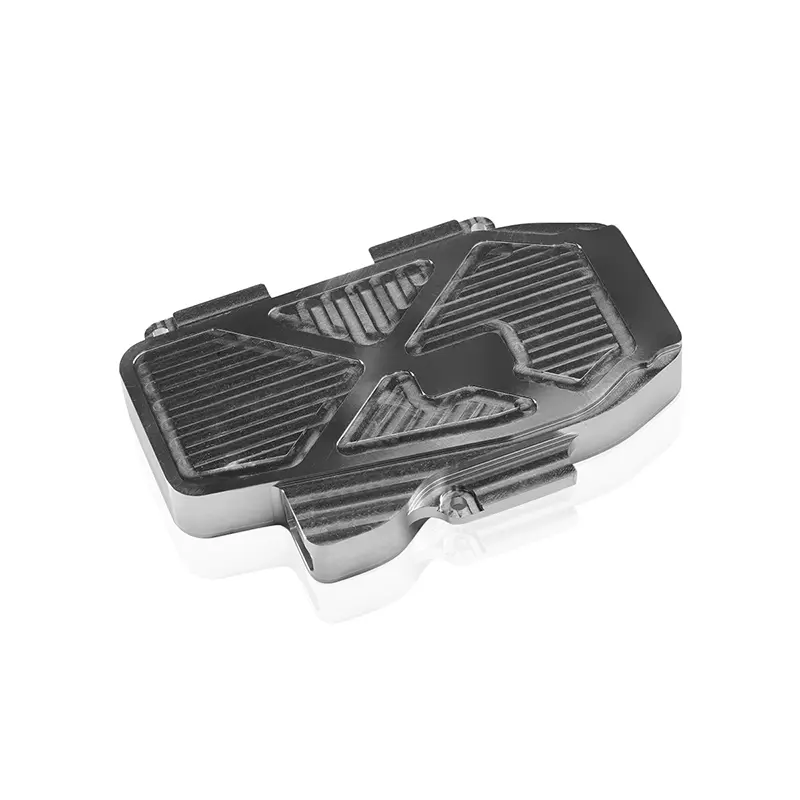
This component has a density of 8.5g/cm³, perfectly balancing structural strength and lightweight design. It also features excellent thermal conductivity to ensure swift heat dissipation and maintain structural stability during operation.
Through advanced multi-axis linkage CNC processing, we control the contour tolerances within ±0.002mm and achieve a surface roughness of Ra0.1μm, fully satisfying high-precision assembly demands.
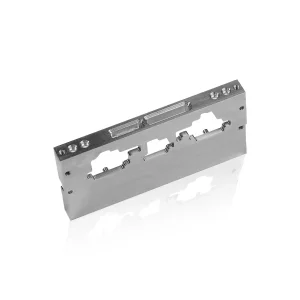
We utilize high-precision straightening units coupled with intelligent hydraulic systems, achieving a precise positioning tolerance of 0.01mm to accurately form complex structures including slots and custom holes.
We apply specialized processes such as pickling passivation and electrolytic polishing. These treatments build a robust protective film on the metal surface, rendering it highly resistant to harsh chemical environments.
We offer aviation-grade 7075-T7451 aluminum alloy (tensile strength >620MPa) for high dynamic loads, and super austenitic stainless steel 904L (with 4.5% molybdenum content) to endure harsh pH 1-14 acid/alkali environments.
Both high-performance materials undergo comprehensive non-destructive CT scanning inspection to thoroughly verify the absence of internal defects, such as microscopic pores and inclusions.