 Xinyunyang Precision
1 / 1
From the material point of view, it uses high-quality metal materials, most likely aluminum alloy or stainless steel. Aluminum alloy has the advantages of low density, high strength, and corrosion resistance, which is convenient for reducing the overall weight of the equipment and improving portability and energy efficiency.
Stainless steel is excellent in wear resistance and rust resistance, and is suitable for scenes with strict requirements on environmental tolerance, such as humid industrial environments with risks of chemical corrosion, which can ensure the long-term stable service of parts and reduce failures caused by material degradation.
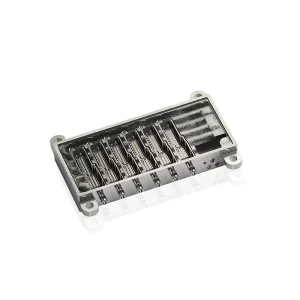
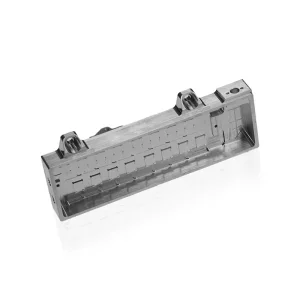
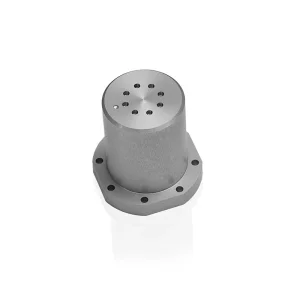
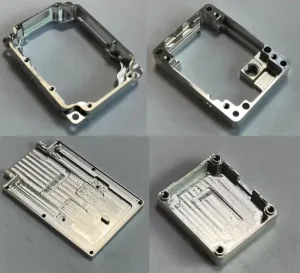
CNC processing gives it high-precision characteristics. During the processing process, the CNC system accurately controls the tool to perform milling, drilling, boring and other operations on the metal raw materials, so that the dimensional tolerance of the parts is controlled within a very small range, and the position accuracy between the structures is high.
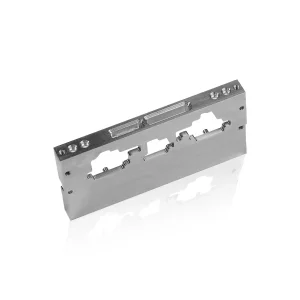
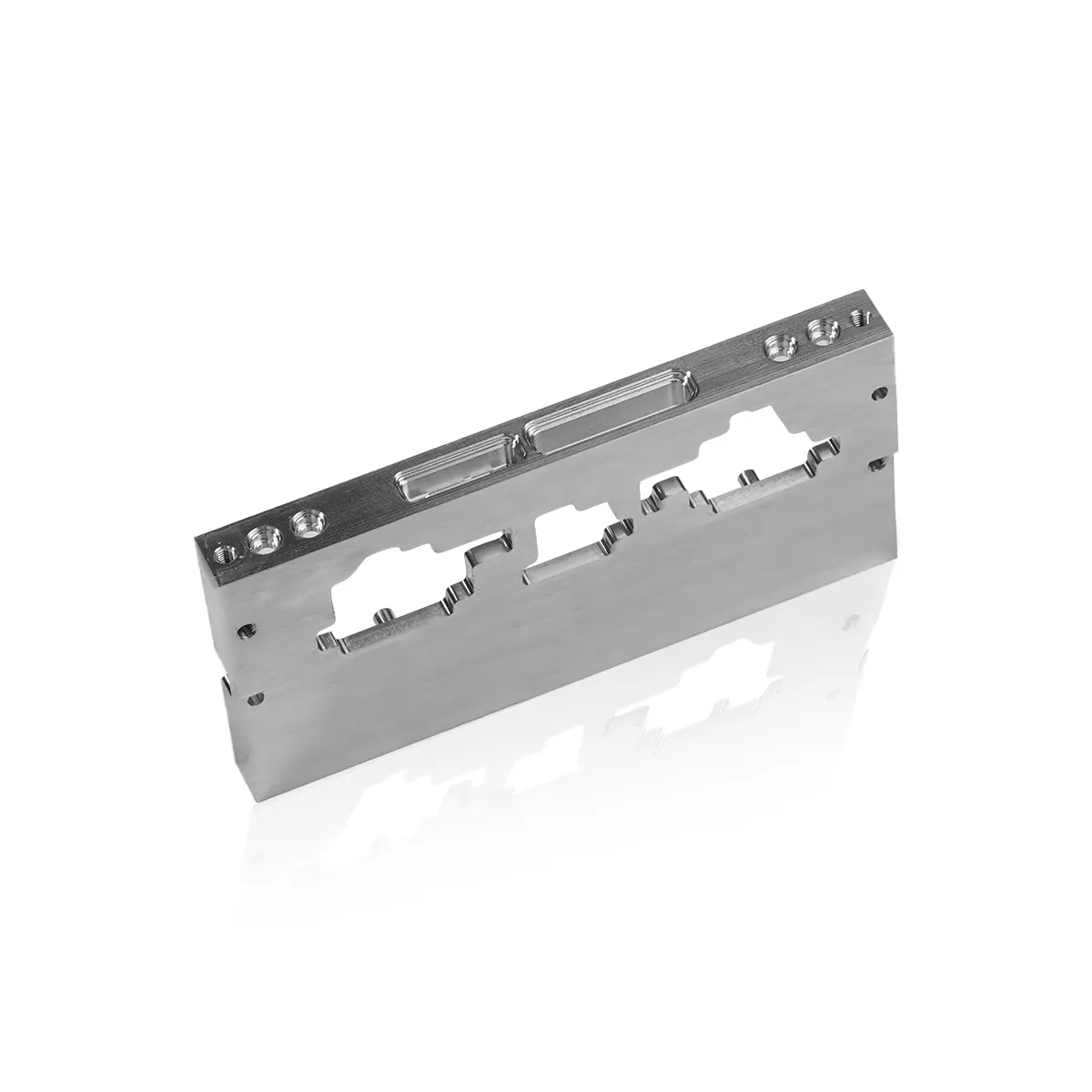
For example, the holes and grooves on the parts have very small errors in diameter, depth and relative position, which enables them to be accurately adapted to other components. In automation equipment, they can be perfectly connected with transmission parts and sensors to ensure the coordination of equipment during operation, avoid vibration and noise caused by poor part adaptation, and even affect the functional output of the equipment.
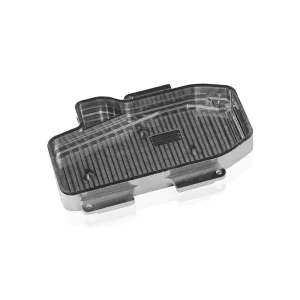
In terms of appearance, after CNC processing, the surface is smooth and flat, the metallic luster is uniform, and there are no obvious burrs or defects.
It not only improves the visual texture, but also reduces the risk of wear caused by surface roughness during assembly and use, which is conducive to extending the service life of itself and the parts in contact with it.
In terms of functional design, various structures on the parts have their own functions. Holes can be used to install fasteners to achieve mechanical connection with other parts; grooves, card slots, etc. can be used as functional areas to accommodate and fix specific components.
For example, in the structural parts of electronic equipment, they can be used for cable storage and chip module positioning, making the internal layout of the equipment more regular and convenient for later maintenance and upgrades.
Broad Application Scenarios: Widely suitable for precision instruments, communication equipment, automotive parts, aerospace components and other fields. In precision instruments, it serves as a support, transmission or positioning component to ensure accuracy; in communication equipment, it stabilizes signal transmission modules; in automotive manufacturing, it fits key parts like engines and chassis; in aerospace, its high precision meets strict quality requirements for safe and efficient flight.
This CNC-processed metal precision part is based on high-quality materials and has excellent performance through high-precision processing. Through reasonable functional design, it plays a key role in many industrial scenarios, laying a solid foundation for the precision and efficient operation of modern industrial equipment. It is an important part of the industrial manufacturing system to realize complex functions and ensure equipment quality.
They are mostly made of high-quality aluminum alloy or stainless steel. Aluminum alloy offers low density, high strength, and corrosion resistance for weight reduction, while stainless steel provides outstanding wear and rust resistance in humid or chemically harsh industrial environments.
During processing, the CNC system precisely controls the tools to perform operations such as milling, drilling, and boring. This keeps dimensional tolerances within an extremely small range and ensures exceptionally high structural positioning accuracy.
CNC processing delivers a smooth, flat surface with uniform metallic luster, completely free of obvious burrs or defects. This superior finish reduces surface friction, minimizes assembly wear, and significantly extends the service life of interacting components.
Holes are designed to accommodate fasteners for mechanical connections, while grooves and card slots serve as functional zones to anchor specific components, facilitate cable routing, and secure chip modules for easier maintenance and upgrades.
They are widely applied in precision instruments (for support and positioning), communication equipment (for signal stability), automotive engineering (for engine and chassis parts), and aerospace engineering (demanding maximum safety and precision standards).