China Top 10 Implantable Medical Device Sealing Manufacturers
Implantable Medical Device Sealing protects the smallest medical systems from moisture, body fluids, pressure, and chemical attack. Inside a pacemaker, a thin seal may separate delicate electronics from a highly active biological environment. A tiny defect can shorten device life. It can also increase clinical risk.
Professor David F. Williams, a recognized biomaterials expert, has stated, “Biocompatibility is not a property of a material alone; it is a response between material and host.” This principle matters greatly in implantable sealing. Manufacturers must consider material purity, hermetic performance, dimensional control, sterilization, and long-term tissue interaction. Ceramic-to-metal feedthroughs, glass seals, silicone components, and titanium housings each present different engineering challenges.
This guide examines ten leading manufacturers serving the Implantable Medical Device Sealing market. It considers manufacturing experience, testing capability, customization, quality systems, and application knowledge. The comparison also looks beyond product brochures. Real performance depends on process discipline, traceability, and validation under realistic conditions. Not every supplier excels in every category. That is worth admitting.
Some companies offer advanced hermetic packaging. Others provide flexible sealing solutions for pumps, neurostimulators, or orthopedic devices. Their strengths may differ by implant type, production volume, and regulatory expectations. Readers should verify current certifications and technical data before making a purchasing decision. A polished seal is not automatically a reliable seal. Careful review remains essential.
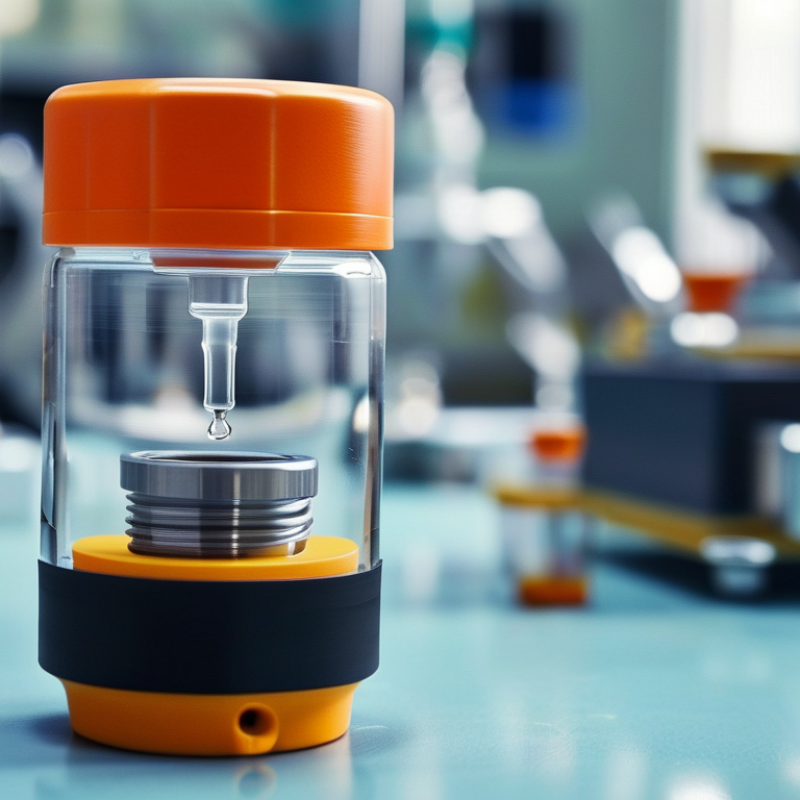
Implantable medical device sealing protects sensitive electronics, sensors, and drug reservoirs from body fluids. The material must resist moisture, chemicals, pressure changes, and long-term tissue exposure. Titanium, alumina ceramic, medical-grade polymers, and selected elastomers are common choices. Each material brings trade-offs in strength, flexibility, thermal expansion, and biocompatibility.
Hermetic sealing often uses ceramic-to-metal joining, glass-to-metal bonding, laser welding, or diffusion bonding. These methods can create extremely low leakage paths around feedthroughs and housings. Engineers inspect weld geometry, surface cleanliness, and microscopic cracks after production. Helium leak testing is widely used for sealed electronic implants. Accelerated aging and simulated body-fluid testing provide further evidence, although they cannot reproduce every clinical condition.
Flexible seals may use molded elastomers or engineered polymer barriers where movement is unavoidable. Their performance depends on compression, sterilization, implantation depth, and repeated loading. The margin is small. Water finds weaknesses. In practical development, a seal can pass laboratory testing yet fail after assembly stress or sterilization cycles. That assumption is risky. Reliable manufacturers therefore control material traceability, process validation, dimensional inspection, and biocompatibility evaluation under recognized medical-device standards. Design teams should also examine repair limits, inspection access, and failure consequences before selecting a sealing technology. A thinner barrier may reduce device size, but it can leave less protection against puncture, fatigue, and manufacturing variation.
| No. | Material or Technology | Typical Implantable Applications | Sealing Mechanism | Key Advantages | Main Limitations | Common Sterilization Compatibility |
|---|---|---|---|---|---|---|
| 1 | Titanium-to-Ceramic Brazed Seal | Implantable pulse generators, neurostimulators, cochlear implant housings and hermetic electronic packages | A metallized ceramic insulator is brazed to a titanium or titanium-alloy housing using a controlled high-temperature joining process. | High hermeticity, excellent corrosion resistance, strong electrical insulation and long-term biocompatibility. | High process cost; requires precise thermal control and compatible coefficients of thermal expansion. | Ethylene oxide, gamma radiation and steam may be compatible depending on the complete assembly. |
| 2 | Glass-to-Metal Hermetic Seal | Feedthroughs, implantable sensors, cardiac devices and hermetic electrical connectors | Glass is fused around conductive pins inside a metal body to create an electrically insulating and gas-tight barrier. | Very low gas and moisture permeability, stable electrical insulation and proven hermetic performance. | Glass is brittle and sensitive to mechanical shock, thermal gradients and mismatched expansion. | Generally tolerant of gamma, ethylene oxide and steam when validated for the device design. |
| 3 | Alumina Ceramic Insulating Seal | Implantable electronic feedthroughs, high-reliability sensors and electrode assemblies | Dense alumina provides electrical insulation and is joined to metal parts by brazing or glass-based joining. | High dielectric strength, chemical stability, wear resistance and low moisture absorption. | Brittle; machining and joining require specialized equipment and strict dimensional control. | Suitable for many terminal sterilization methods after assembly-level validation. |
| 4 | Medical-Grade Silicone Elastomer Seal | Catheter hubs, implantable tubing, drug-delivery components and flexible lead interfaces | Elastic compression, molded geometry or overmolding creates a conformable barrier around mating surfaces. | Flexible, biocompatible, transparent or translucent, and capable of sealing irregular surfaces. | Higher gas permeability than hermetic ceramic or glass seals; may absorb fluids or suffer compression set. | Ethylene oxide and radiation are commonly used; steam compatibility depends on formulation and design. |
| 5 | Fluoropolymer Sealing Components | Catheter valves, implantable pumps, tubing connections and chemically demanding fluid pathways | Low-friction polymer surfaces, interference fits or formed seals block fluid migration at joints. | Excellent chemical resistance, low friction, low moisture absorption and good electrical insulation. | Limited elasticity in some grades; creep and cold flow can affect long-term compression sealing. | Ethylene oxide and radiation are often suitable; high-temperature steam requires grade-specific evaluation. |
| 6 | Polyurethane Overmolded Seal | Implantable leads, vascular access components, flexible connectors and soft-tissue interfaces | A molded polymer layer mechanically locks around substrates and seals interfaces through adhesion and encapsulation. | High flexibility, abrasion resistance, strong overmolding capability and good strain relief. | Hydrolysis, oxidation and environmental stress cracking must be assessed for the intended implant duration. | Ethylene oxide is commonly used; radiation and steam require material-specific validation. |
| 7 | Laser-Welded Titanium Enclosure | Implantable electronic housings, neurostimulation systems and long-term monitoring devices | Focused laser energy melts a precisely fitted joint, producing a continuous metal-to-metal weld. | High mechanical strength, low added material, repeatable automation and potential for hermetic closure. | Requires clean surfaces, accurate fit-up and control of heat input, distortion and weld defects. | Compatible with common terminal sterilization methods after verification of internal components. |
| 8 | Electron-Beam or Laser-Welded Polymer Seal | Implantable fluid reservoirs, polymer housings, drug-delivery devices and flexible component assemblies | Localized energy melts compatible thermoplastic layers and forms a molecularly bonded joint after cooling. | Solvent-free joining, small heat-affected zones, clean processing and suitability for complex polymer parts. | Only compatible thermoplastics can be joined; process windows and particulate control are critical. | Sterilization compatibility depends strongly on polymer type and weld design. |
| 9 | Adhesive Bonded Medical Seal | Low-load implantable assemblies, sensor encapsulation, catheter components and strain-relief interfaces | A qualified medical-grade adhesive wets and bonds mating surfaces to prevent fluid ingress and component movement. | Joins dissimilar materials, accommodates small gaps and can be applied to intricate geometries. | Potential for aging, leachables, moisture uptake and reduced bond strength if surface preparation is inadequate. | Ethylene oxide is frequently considered; radiation and steam require adhesive-specific testing. |
| 10 | Compression and Interference-Fit Seal | Implantable connectors, catheter junctions, access ports and removable fluid-path components | Controlled radial or axial compression deforms an elastomeric ring, gasket or polymer feature against a mating surface. | No curing chemicals, serviceable design, relatively simple assembly and effective low-pressure fluid sealing. | Performance depends on dimensional tolerances, surface finish, compression set and long-term material aging. | Sterilization method must be selected according to the seal material and dimensional stability. |
Note: Actual material selection and sealing qualification should consider biocompatibility, implant duration, leakage requirements, mechanical loading, sterilization exposure and applicable medical-device validation requirements.
Request ISO 13485 certification, process validation, material traceability, and change-control records. Confirm the certificate covers the actual production site. A certificate alone is not enough.
Request helium leak results, seal-strength data, electrical insulation results, and accelerated-aging records. Compare results before and after sterilization. Ask for test limits.
Batch records reveal production consistency, reject rates, and traceability. Inspect cross-sections under magnification. One excellent sample proves little.
Titanium offers low weight and corrosion resistance. Alumina provides electrical insulation and stable sealing. Zirconia supports small, wear-resistant structures. Glass, platinum-iridium, cobalt-chromium, silicone, and PEEK may serve specific functions.
Look for laser welding, brazing, precision machining, and controlled assembly. Check dimensional inspection and cleanroom behavior. Daily discipline matters.
Ask how seals perform after sterilization, compression, temperature cycling, and long-term immersion. Review biological safety planning and relevant test conditions. A material labeled “medical-grade” needs evidence.
Price is useful, but only as a secondary signal. Low pricing can hide weak traceability or incomplete testing. Cheap is not automatically efficient.
Inspect calibration intervals, operator training, nonconformance handling, and emergency material controls. Ask for failure investigations from comparable projects. A perfect answer may deserve skepticism.
This article provides a practical overview of Implantable Medical Device Sealing, including the materials, structures, and technologies used to protect devices from body fluids while maintaining long-term reliability. It explains how engineers assess sealing performance through biocompatibility, chemical resistance, fatigue strength, dimensional accuracy, sterilization compatibility, and resistance to pressure or temperature changes. The discussion also introduces China’s top 10 implantable medical device sealing manufacturers from an industry perspective, focusing on their manufacturing capabilities, quality systems, technical expertise, and ability to support customized medical applications without emphasizing specific brand names.
The article further compares commonly used materials, such as medical-grade polymers, elastomers, metals, ceramics, and advanced coatings, along with applications in implants, sensors, drug-delivery systems, and electronic medical devices. Finally, it offers a supplier-selection framework covering regulatory support, validation documentation, production consistency, testing capacity, traceability, delivery performance, and technical communication, helping medical device developers choose a dependable sealing partner for safe and durable implantable products.

 Xinyunyang Precision