In today's fast-paced manufacturing environment, choosing the right machinery is crucial. An Aluminum Extruder stands out due to its efficiency and versatility. John Smith, an industry expert with over 20 years of experience, states, "The right Aluminum Extruder can transform production capabilities." This insight reflects the growing reliance on advanced materials and innovative processes.
Aluminum extrusion processes allow for the creation of complex shapes and structures. This adaptability helps manufacturers meet diverse design needs. Not all aluminum extruders are created equal; selecting the best one can be challenging. Companies must consider factors like material quality, production speed, and customization options.
Investing in a high-quality Aluminum Extruder can significantly impact overall productivity. However, businesses sometimes overlook this crucial aspect. A hasty choice may lead to inefficiencies. It's vital for manufacturers to weigh their options carefully before making a decision. Proper research and expert advice can lead to a more informed choice, ensuring long-term success in production.
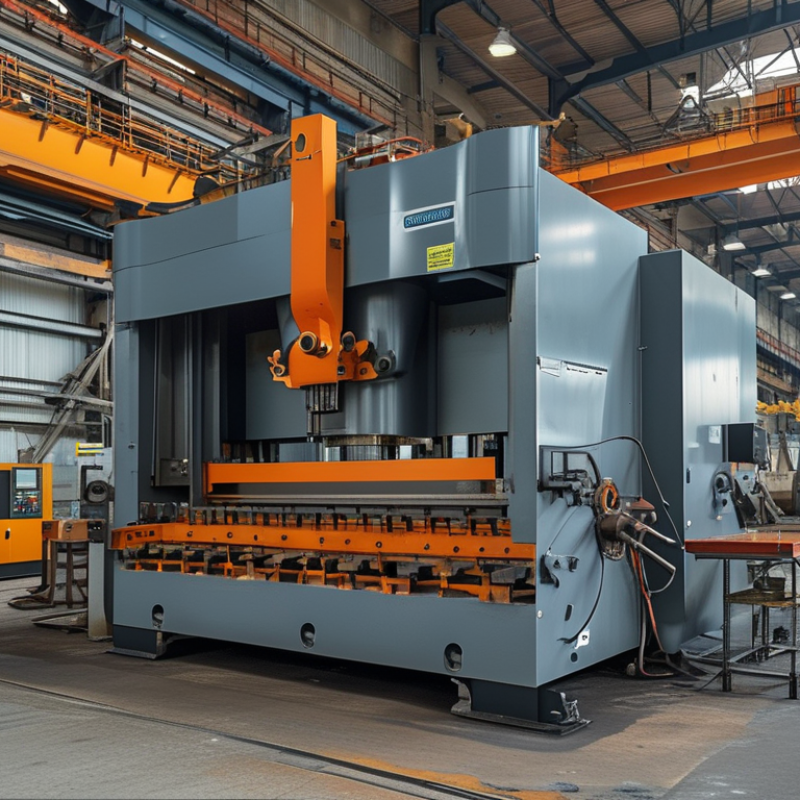
Aluminum extrusion offers numerous benefits in modern manufacturing. This process shapes aluminum into specific profiles, allowing for versatility and efficiency. Manufacturers can create lightweight yet strong components, ideal for various industries, such as construction and automotive. This adaptability makes aluminum extrusion a go-to choice for many production needs.
Another advantage is the excellent finishing options available. Extruded aluminum can be easily anodized or coated. This allows for enhanced durability and aesthetic appeal. Customization is straightforward, meeting specific design requirements. However, achieving the perfect finish may require careful consideration and quality control. Mistakes in the finishing process can lead to defects, which need rectification.
Moreover, aluminum's high recyclability adds to its appeal. Companies can reduce waste while promoting sustainability. Still, the recycling process must be managed effectively to avoid environmental concerns. Balancing production efficiency with environmental responsibilities is crucial. Manufacturers should keep this in mind as they explore aluminum extrusion options.
When considering production needs, many choose aluminum extruders for their unique benefits. One key characteristic is versatility. Aluminum extruders can produce various shapes, from simple to complex profiles. This adaptability allows manufacturers to create customized solutions that cater to specific project requirements.
Another important aspect is the strength-to-weight ratio of aluminum. This metal offers exceptional durability while being lightweight, making it a popular choice across various industries. Projects often require structural integrity without excessive weight. Aluminum extruders deliver on this front, but sometimes the material's properties can lead to challenges in handling and processing.
Efficiency is also a significant factor. Aluminum extruders can operate at high speeds, allowing for quicker production times. However, this can lead to issues if not monitored closely. Understanding the balancing act between speed and quality is crucial. It's essential to refine processes continually to minimize waste and ensure product consistency. Addressing these factors can lead to improved outcomes over time.
Choosing an aluminum extruder for production holds unique advantages compared to other materials and methods. Aluminum is lightweight yet incredibly strong. This strength-to-weight ratio makes it an ideal choice for various applications. When using aluminum, manufacturers can reduce transportation costs and improve product efficiency. It’s also corrosion-resistant, adding to its longevity.
Moreover, the extrusion process allows for complex shapes and designs. Aluminum can be shaped into intricate profiles with high precision. This versatility is often challenging with other materials. Additionally, aluminum extrusion can support sustainable production practices. It's highly recyclable, and using recycled aluminum significantly lowers energy requirements. However, the initial setup for aluminum extrusion can be costly.
While aluminum has many benefits, it may not be suitable for every application. Each project is unique, demanding a thoughtful approach to material selection. Not every extruder has the same expertise, affecting quality outcomes. It’s essential to evaluate specific production needs. Recognizing both benefits and flaws is key to making an informed choice.
Aluminum extrusion is a versatile process used across various industries. Its applications range from construction to automotive. In construction, aluminum extrusions are ideal for window frames, doors, and structural components. Their lightweight nature enhances energy efficiency while providing durability.
In the automotive industry, aluminum extrusions contribute to vehicle weight reduction. This leads to better fuel efficiency. Manufacturers often use aluminum for parts like chassis and heat exchangers. The resistance to corrosion further extends the lifespan of vehicles.
**Tips:** When selecting aluminum extrusions, consider the specific requirements of your project. Identify weight and strength needs early on. Engage with experienced professionals to ensure optimal designs. It is vital to evaluate costs and logistics carefully. The wrong choice can lead to production delays.
| Industry | Application | Benefits of Aluminum Extrusion | Key Properties |
|---|---|---|---|
| Automotive | Structural components and lightweight frames | Reduced weight, improved fuel efficiency | Corrosion resistance, strength-to-weight ratio |
| Aerospace | Aircraft fuselage and wing structures | High strength, reduced weight | Durability, resistance to extreme conditions |
| Construction | Window frames, roofing systems | Design flexibility, energy efficiency | Insulation properties, lightweight |
| Electronics | Heat sinks and housing | Excellent thermal conductivity | Non-magnetic properties, customization |
| Renewable Energy | Solar panel frames, wind turbine components | Sustainability, lightweight | Long lifespan, recyclability |
When selecting an aluminum extruder, several factors warrant careful consideration. The production volume is critical. A higher capacity extruder can meet larger demands efficiently. According to industry reports, the global aluminum extrusion market is expected to grow by 4.2% annually, indicating the necessity for scalable solutions.
Material quality is also pivotal. Ensure the extruder can handle various aluminum alloys. Certain alloys provide enhanced strength and corrosion resistance. Analyzing the physical properties needed for your end products can guide the selection process effectively.
Tips: Assess the extruder's energy consumption. An energy-efficient model can significantly reduce operational costs. Additionally, consider the after-sales support provided by the manufacturer. Reliable customer service can alleviate future service challenges.
Finally, the extrusion speed impacts productivity. Balancing speed with precision is essential in maintaining product quality. A faster extruder might compromise details. Adequate testing during the selection phase can reveal potential issues. Always weigh the trade-offs for your specific project requirements.
: Aluminum extruders offer versatility, allowing for various shapes and customized solutions. Their adaptability meets specific project needs.
Aluminum provides exceptional durability without being heavy. It suits projects that require structural integrity and lightweight materials.
Aluminum extruders operate at high speeds for quicker production. However, this speed needs careful monitoring to maintain quality.
Clearly identify project requirements like weight and strength. Early engagement with professionals is crucial for optimal designs.
In construction, aluminum extrusions are used for window frames, doors, and structural components, enhancing energy efficiency and durability.
Aluminum reduces vehicle weight, improving fuel efficiency and is used in chassis and heat exchangers due to corrosion resistance.
While effective, aluminum can be challenging to handle and process. Considerations must be made to avoid production difficulties.
Poor choices in material or design can create significant delays. Always evaluate costs and logistics beforehand to avoid issues.
Continuously refine processes and adjust speed to minimize waste while ensuring that quality is not compromised during production.
It aids in improving outcomes over time. Reflecting on past practices helps in addressing potential weaknesses in production efficiency.
The article "Why Choose an Aluminum Extruder for Your Production Needs?" delves into the numerous advantages offered by aluminum extrusion in contemporary manufacturing. It highlights how aluminum extruders are vital for creating complex shapes while ensuring durability and lightweight properties, making them ideal for various applications across multiple industries. The key characteristics of aluminum extruders include their efficiency in production and adaptability to different design specifications.
Additionally, the article discusses the comparative advantages of aluminum over other materials, emphasizing its cost-effectiveness and recyclability. It provides insights into crucial factors to consider when selecting an aluminum extruder, such as production volume and material specifications. Overall, aluminum extruders emerge as essential tools for optimizing manufacturing processes, delivering high-quality results that meet the diverse needs of modern industry.

Xinyunyang Precision