In today's competitive market, choosing the right packaging for products is crucial. Hermetic Metal Packaging stands out for its unique advantages. According to industry expert Dr. Lisa Cameron, "Hermetic Metal Packaging not only extends shelf life but also enhances product integrity." This encapsulates its key benefits.
Hermetic Metal Packaging offers a barrier against moisture and oxygen. These elements can spoil products and degrade quality. By minimizing exposure, this type of packaging ensures that items remain fresh longer. Many consumers prefer products that maintain their original taste and texture. Brands must recognize this consumer preference to improve sales and loyalty.
Furthermore, Hermetic Metal Packaging supports sustainability efforts. Users can often recycle metal packaging, reducing environmental impact. However, some brands may overlook the importance of choosing packaging that aligns with eco-friendly values. Reflecting on these details is essential for companies aiming to thrive in an environmentally conscious market. Choosing Hermetic Metal Packaging is not just a packaging decision; it’s an investment in quality, sustainability, and customer satisfaction.
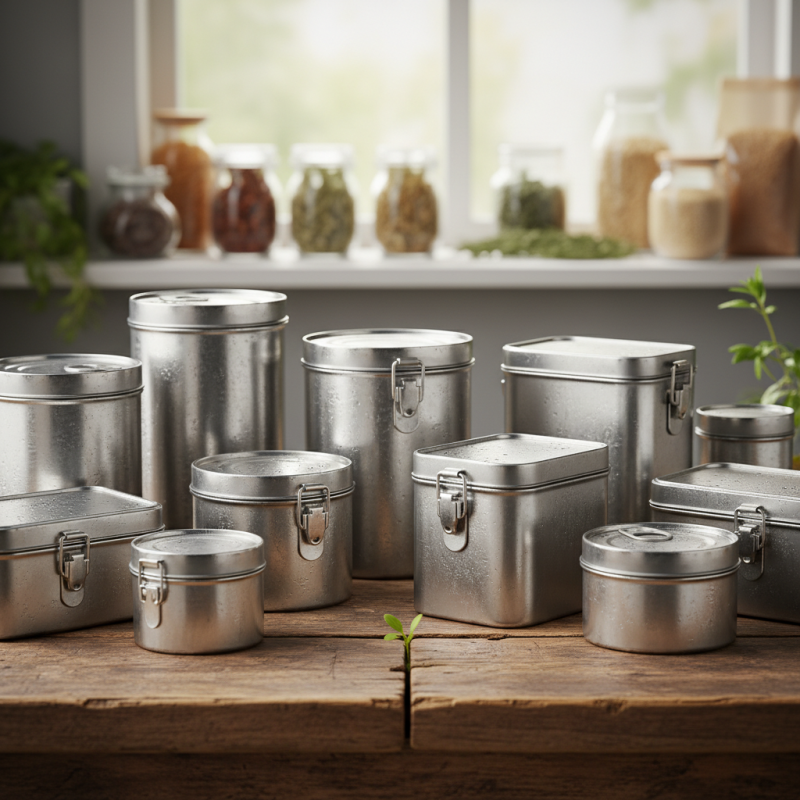
Benefits of Hermetic Metal Packaging for Product Preservation
Hermetic metal packaging stands out for its exceptional ability to preserve product integrity. This type of packaging seals out air, moisture, and light, which are primary factors in product degradation. According to a report from the Packaging Association, hermetic seals can extend shelf life by up to 300%. This is crucial for products such as food and pharmaceuticals, where freshness is paramount.
Moreover, hermetic metal packaging also enhances safety. A study conducted by the Food and Drug Administration revealed that sealed metal containers prevent contamination effectively. This form of packaging reduces the risk of spoilage, thus minimizing food waste. In fact, the estimated global food waste could be decreased by nearly 40% with better packaging solutions, including hermetic types.
However, despite these benefits, companies must consider cost implications. Hermetic metal packaging can be more expensive than traditional options. For smaller businesses, this may pose a challenge. Assessing the long-term benefits against upfront costs is essential. A careful analysis can determine if the investment aligns with the company's sustainability goals and product preservation needs.
Comparative Analysis: Hermetic Metal Packaging vs. Other Packaging Types
Hermetic metal packaging is gaining popularity across various industries. Its ability to create an airtight seal sets it apart from other types of packaging. Unlike plastic or glass, hermetic metal containers are impervious to moisture, oxygen, and light. This quality preserves product freshness and enhances shelf life. Metal’s durability adds another layer of protection. In contrast, plastic can easily degrade, while glass may shatter.
One key aspect of hermetic metal packaging is its environmental impact. Although metal is recyclable, the production process consumes energy. Recycling rates for metals are generally high. Yet, challenges remain in reducing the carbon footprint of production. On the other hand, plastic packaging often faces criticism due to its wastefulness. Biodegradable options exist, but they might not offer the same level of protection. Hence, choosing the right packaging involves trade-offs.
Consider the aesthetics of packaging. Metal can convey a premium feel, attracting attention on store shelves. However, some consumers prefer the transparency of glass or the lightweight nature of plastics. Each packaging type has its pros and cons, making it essential to weigh these factors in your business decisions.
Key Industries Leveraging Hermetic Metal Packaging Solutions
Hermetic metal packaging is gaining traction across various industries. This type of packaging offers superior protection against external elements. It helps preserve product integrity, extending shelf life significantly. For instance, the global food packaging market is projected to reach $500 billion by 2025, with hermetic solutions playing a crucial role. This rise can be linked to growing consumer demand for sustainable and durable packaging.
In the pharmaceutical industry, hermetic packaging is vital. It protects sensitive products from moisture and air exposure. According to a report by Grand View Research, the demand for pharmaceutical packaging is expected to grow at a CAGR of 6.7% from 2021 to 2028. Such packaging ensures that medications remain effective for longer periods, which is critical for patient health.
Additionally, the cosmetic industry is embracing hermetic solutions. Products are often susceptible to environmental factors that can alter their formula. The importance of maintaining product efficacy cannot be overstated. Research shows that consumers are increasingly seeking products that guarantee longevity and quality. With the rise in e-commerce, robust packaging that withstands shipping is essential too.
Why Choose Hermetic Metal Packaging for Your Products? - Key Industries Leveraging Hermetic Metal Packaging Solutions
| Industry |
Application |
Benefits of Hermetic Metal Packaging |
| Food and Beverage |
Canned foods, beverages, and sauces |
Extended shelf life, protection from contamination |
| Pharmaceuticals |
Medicines and supplements |
Prevention of oxidation, moisture resistance |
| Cosmetics |
Creams, lotions, and perfumes |
Tamper evidence, preservation of quality |
| Electronics |
Component packaging and protective casings |
Shielding against moisture and dust |
| Aerospace |
Fuel and lubricant storage |
Durability, resistance to extreme conditions |
Environmental Considerations of Hermetic Metal Packaging
Hermetic metal packaging offers significant environmental advantages. This method creates airtight seals that extend product life. It reduces spoilage, which directly benefits both manufacturers and consumers. Less food waste helps the planet. When products remain fresh longer, the demand for processing and transportation diminishes. This leads to lower carbon emissions.
Recycling is another key consideration. Metal packaging can be recycled multiple times without losing quality. This promotes a circular economy and conserves natural resources. However, there remains room for improvement. Not all regions have efficient recycling systems. This inconsistency can hinder the overall environmental benefits of hermetic packaging. It's crucial for industries to work collaboratively to enhance recycling efforts globally.
While the benefits are clear, some challenges persist. Hermetic packaging production can be energy-intensive. Finding ways to improve manufacturing sustainability is essential. Innovations in energy use could transform the industry. Achieving a balance between packaging efficiency and environmental responsibility is an ongoing journey.
Future Trends in Hermetic Metal Packaging Technology and Innovation
The future of hermetic metal packaging is promising. Innovations are focusing on
sustainability and improved barrier properties. Manufacturers are developing eco-friendly materials that maintain the quality of products while reducing environmental impact. Advanced sealing technologies are being integrated to enhance packaging integrity.
Smart packaging features are also emerging. Sensors within the packaging can monitor freshness and detect spoilage. This offers producers valuable data on their products and enhances customer trust. However, integrating these technologies can be complex and costly, posing challenges for smaller manufacturers.
The trend toward customization is gaining traction. Brands seek unique packaging designs that stand out. However, achieving this while ensuring functionality can be difficult. As the market evolves, balancing innovative designs with practical features will be crucial for success.
FAQS
: It's a type of packaging that creates an airtight seal, protecting products from moisture, oxygen, and light.
Metal is more durable and preserves freshness better. Plastic can degrade, and glass can shatter easily.
While metal is recyclable, its production is energy-consuming. Reducing the carbon footprint is still a challenge.
Yes, it extends product life and reduces spoilage, leading to less food waste and lower transportation needs.
Not all regions have effective recycling systems, which can limit the environmental benefits of metal packaging.
Yes, metal conveys a premium feel that can attract consumers, but some prefer the transparency of glass.
Yes, the production process requires a lot of energy, making sustainability improvements essential.
Innovations in energy use during production could enhance sustainability and reduce environmental impact.
They should weigh factors like protection level, environmental impact, and consumer preferences during decision-making.
Yes, but they may not offer the same protection level as metal packaging, which requires careful consideration.
Conclusion
Hermetic Metal Packaging offers numerous benefits for product preservation, primarily through its ability to create a sealed barrier against moisture, air, and light, ensuring longer shelf life and maintaining product integrity. Compared to other packaging types, hermetic metal packaging excels in safeguarding contents from spoilage and contamination, making it a preferred choice in key industries such as food, pharmaceuticals, and cosmetics.
Moreover, as environmental considerations become increasingly important, hermetic metal packaging presents sustainable solutions by being recyclable and reducing food waste. Looking ahead, advancements in technology and innovation are expected to enhance the efficiency and functionality of hermetic metal packaging, further solidifying its role in various markets. Embracing these trends can lead to improved preservation methods and better environmental outcomes, highlighting the significant potential of hermetic metal packaging in the future.

 Xinyunyang Precision