In the rapidly evolving field of medical technology, "Implantable Medical Device Sealing" plays a crucial role. Dr. Helen Carter, a leading expert at the Institute of Medical Innovation, states, “The integrity of implants depends significantly on effective sealing solutions.” This highlights the importance of reliable sealing for patient safety.
Implantable medical devices, such as pacemakers and insulin pumps, require protection from bodily fluids and external contaminants. The method of sealing directly affects device longevity and function. High-quality sealing solutions prevent leaks and reduce the risk of infection, making them vital for patient outcomes.
Despite advancements, challenges remain. Some sealing materials may not withstand extreme conditions. Continuous research and development are needed. Balancing performance with biocompatibility requires ongoing effort. Therefore, when considering sealing options, seeking expert advice is essential to ensure the best choices for safety and effectiveness in implantable medical devices.
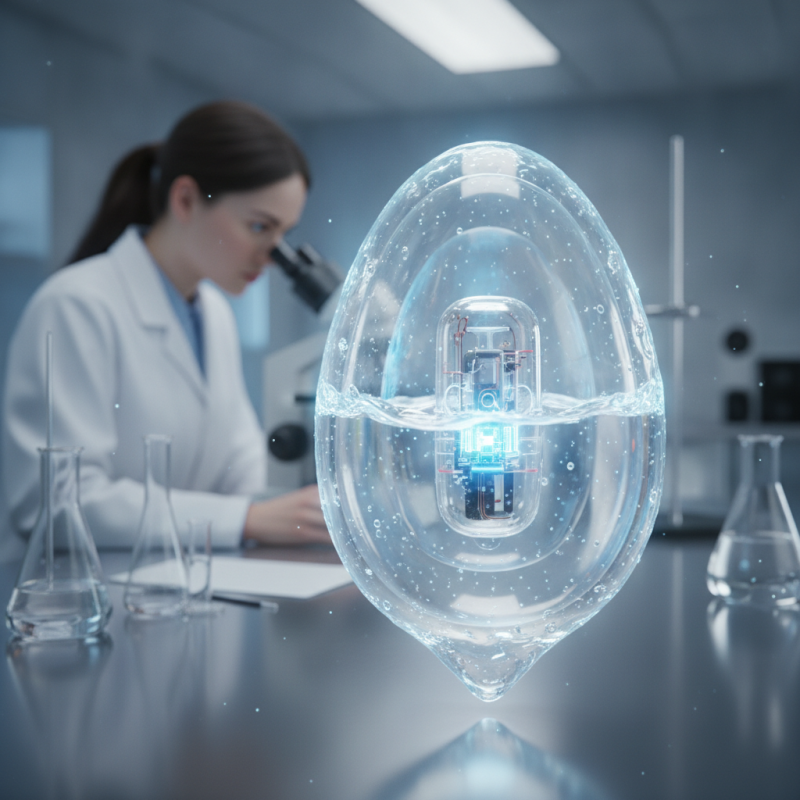
Benefits of Implantable Medical Device Sealing for Patient Safety
Implantable medical device sealing plays a crucial role in enhancing patient safety. Seals protect the devices from external contaminants, which is vital in sensitive environments inside the human body. Contaminated devices can lead to infections or device failures. Strong, reliable seals ensure that these devices function as intended.
Patients often worry about complications. A well-sealed device can alleviate some of these concerns. When a device is protected, the risk of adverse events decreases. However, failures can still occur. Factors such as seal integrity, material compatibility, and manufacturing processes are essential to consider. Even minor lapses can impact safety.
Many medical devices undergo rigorous testing. Sealing technologies must meet high standards. This ensures they can withstand various conditions. Yet, not all sealing methods are suitable for every device. Innovation in materials and techniques is necessary. Addressing weaknesses and continuously improving is key in this field. Safety remains a top priority for both manufacturers and patients alike.
Key Features of Effective Sealing Solutions in Medical Devices
Implantable medical devices require effective sealing solutions to ensure safety and functionality. A reliable seal prevents contamination and protects the device's internal components. This is crucial in maintaining the integrity of devices used in sensitive medical applications. Effective sealing solutions should offer resistance to moisture and a variety of chemicals. These factors are essential as they influence the longevity and performance of the implants.
One key feature of efficient sealing is the use of advanced materials. These materials must endure extreme conditions while remaining flexible. This flexibility helps in accommodating the movements of tissues around the device. Additionally, the sealing process should allow for uniform distribution of stress. Uneven stress can lead to seal failures over time, raising safety concerns.
Another aspect worth considering is the sealing technique. While various techniques exist, some may pose risks if not implemented correctly. For example, heat sealing can create strong bonds but may also introduce vulnerabilities if temperatures exceed safe limits. Continuous improvement and thorough testing are vital to enhance sealing performance, and further research can help identify potential pitfalls.
Why Choose Implantable Medical Device Sealing for Your Needs? - Key Features of Effective Sealing Solutions in Medical Devices
| Feature |
Description |
Importance |
| Biocompatibility |
Materials used in sealing must be compatible with body tissues |
Reduce risk of adverse reactions |
| Durability |
Seals must withstand mechanical stress and environmental factors |
Ensures long-term functionality |
| Moisture Resistance |
Seals prevent moisture ingress to protect electronic components |
Critical for device integrity |
| Precision Manufacturing |
Seals must be produced to tight tolerances |
Ensures proper fit and function |
| Regulatory Compliance |
Must meet industry standards and regulations |
Demonstrates safety and effectiveness |
| Cost-Effectiveness |
Affordable solutions without compromising quality |
Improves accessibility of medical devices |
Comparative Analysis: Implantable Sealing vs. Traditional Sealing Methods
When considering sealing methods for implantable medical devices, it’s essential to compare implantable sealing with traditional options. Traditional methods often include sutures or adhesives. While they have proven effective, they can pose risks of infection or complications. Sutures can leave foreign material behind, potentially leading to inflammation. Adhesives may not provide enough flexibility for devices that need to expand or contract within the body.
Implantable sealing technologies use advanced materials designed for biocompatibility. These innovative solutions may eliminate the risks associated with traditional methods. They can provide a safer interface between the device and body tissue. However, not all implantable sealing methods are created equal. The performance can vary based on device type and specific applications. It’s vital to analyze the requirements and potential outcomes when deciding.
Consideration of durability and long-term performance is key. Traditional methods can degrade over time, whereas newer sealing technologies may offer longer-lasting results. Yet, long-term studies are still necessary for comprehensive evaluations. The choice between these options often depends on patient-specific factors and device requirements. Each situation presents unique challenges that need thorough investigation and reflection.
Comparison of Implantable Medical Device Sealing vs. Traditional Sealing Methods
Challenges and Considerations in Implementing Sealing Technologies
Implementing sealing technologies in implantable medical devices poses several challenges. The material choices are crucial; they must be biocompatible and able to withstand bodily conditions. Sealing technologies need to ensure longevity while preventing fluid ingress. Evaluating the effectiveness of various sealing methods can be complex. Understanding these methods requires expertise in material science.
Another consideration is the manufacturing process. Precision is key in creating seals that function reliably. Small deviations can lead to device failure, which places patients at risk. Engineers must account for factors like temperature and pressure during production. Testing the sealing integrity thoroughly is non-negotiable. However, this can be time-consuming and costly.
**Tip:** Always collaborate with experts during the design phase. Their insights can help mitigate potential issues early.
Regulatory hurdles also present challenges. Compliance with medical device standards is essential but can complicate the implementation of new sealing technologies. Keeping up with evolving regulations is necessary but can add to the project timeline. Addressing these issues requires ongoing dialogue with regulatory bodies for clarity.
**Tip:** Regularly update your knowledge of regulations. Staying informed can prevent delays.
Ultimately, while sealing technologies offer solutions, reflecting on these challenges is vital for effective implementation.
Future Trends in Implantable Medical Device Sealing Innovations
Implantable medical devices play a crucial role in modern healthcare. As technology evolves, sealing innovations are becoming more prominent. These advancements address key concerns such as longevity and reliability. Sealing materials are shifting toward biocompatible options that reduce the risk of infection. Researchers are exploring new polymers that not only provide strength but also enhance functionality. This shift reflects a growing focus on patient safety and device performance.
Future trends in sealing innovations emphasize robustness and adaptability. Devices must cope with various bodily environments. Enhanced sealing techniques will allow for better performance under stress. Innovations like self-healing materials are gaining attention. These materials can repair themselves when damaged, offering increased reliability. As implantable devices become more sophisticated, the sealing must keep pace with these changes.
However, not all developments are perfect. Some materials may still fall short in extreme conditions. Research must address these gaps. Over time, the industry must learn from these challenges. Continuous improvement and rigorous testing are essential. Through collaboration among engineers, clinicians, and researchers, the future can unveil highly reliable sealing solutions for implantable devices.
Conclusion
Implantable Medical Device Sealing is a crucial innovation in enhancing patient safety and device functionality. The article discusses the various benefits of sealing technologies that protect against fluid infiltration and ensure device integrity, thereby significantly reducing the risk of complications for patients. Key features of effective sealing solutions include biocompatibility, durability, and the ability to withstand physiological conditions.
The comparative analysis highlights the advantages of implantable sealing over traditional methods, such as improved reliability and reduced risk of infection. However, challenges like material selection and manufacturing complexities need careful consideration during implementation. Looking ahead, the article suggests that future trends will likely focus on advancements in sealing innovations, aiming to further enhance the safety and efficiency of implantable medical devices in clinical settings.

 Xinyunyang Precision