Microelectronic Packaging is a critical aspect of the electronics industry. Experts stress its importance for device performance and reliability. Dr. Emily Carter, a renowned figure in microelectronics, once stated, "The choice of packaging can significantly influence the lifespan and efficiency of electronic devices."
As technology advances, selecting the right microelectronic packaging solution becomes increasingly complex. Companies face numerous options, from materials to designs. Each selection can impact thermal management, electrical performance, and overall system integrity. Manufacturers must carefully evaluate their specific needs against available technologies.
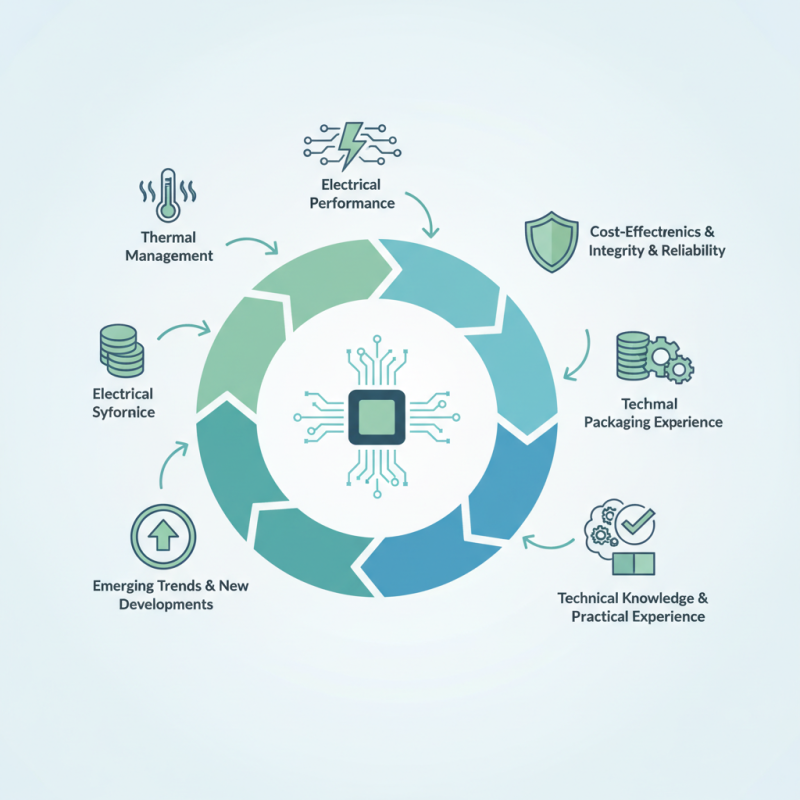
Understanding the subtleties of Microelectronic Packaging can be daunting. Some industry leaders still grapple with balancing innovation and cost-effectiveness. Furthermore, emerging trends can sometimes overwhelm decision-makers. Making the best choice requires not only technical knowledge but also practical experience. As the field continues to evolve, staying informed about new developments is essential.
Understanding Microelectronic Packaging: A Primer
Microelectronic packaging is a vital component of modern electronics. It protects and supports microchips, ensuring they function efficiently. Understanding the different packaging types can help make informed choices. Recent data indicates that the global microelectronic packaging market is expected to reach $45 billion by 2026, growing at a CAGR of 5.7% from 2021.
Choosing the right packaging solution involves assessing factors like heat dissipation, size, and material. Various materials, including organic substrates and ceramics, come with distinct properties. For instance, organic substrates are often favored for their lightweight and cost-effectiveness, while ceramics offer superior thermal management.
Tip: Always consider the thermal performance of the packaging. Inefficient heat dissipation can lead to device failure.
Design complexity is another aspect to consider. Advanced packages, such as system-in-package (SiP) or three-dimensional packaging, can optimize space but increase manufacturing challenges. Balancing complexity with reliability is crucial, as overly intricate designs might compromise performance.
Tip: Evaluate the manufacturing capabilities of your chosen packaging solution. Misalignments in the production process can result in significant functional issues.
Key Factors to Consider in Microelectronic Packaging Selection
Selecting microelectronic packaging solutions can significantly impact device performance. Key factors should guide this choice. One important aspect is thermal management. According to a recent report, nearly 30% of electronic failures stem from inadequate heat dissipation. This statistic underscores the need for packaging that ensures optimal thermal conductivity.
Another critical consideration is mechanical robustness. Packaging must endure various stresses during manufacturing and operation. Data indicates that over 40% of devices experience performance issues due to mechanical failures. Materials like epoxy resins or ceramics can provide enhanced durability. Understanding their properties is essential for effective selection.
Finally, environmental factors cannot be overlooked. The packaging should meet regulations and withstand harsh conditions. Recent studies show that 25% of devices fail due to environmental stressors like humidity and temperature changes. Choosing the right packaging solution balances performance, reliability, and compliance with industry standards. Making informed decisions can prevent costly product failures.
Microelectronic Packaging Solutions Comparison
This chart compares various microelectronic packaging solutions based on key factors such as thermal conductivity, cost, and size. Each factor is rated on a scale of 1 to 10, providing insight into the best options available.
Types of Microelectronic Packaging Solutions Available
When selecting microelectronic packaging solutions, understanding the available types is essential.
Common options include
plastic packaging,
ceramic packaging, and
hybrid solutions.
Plastic packages offer lightweight characteristics and flexibility in design.
Ceramic packaging is renowned for its durability and resistance to heat,
making it suitable for demanding environments. Hybrid solutions combine features from both types,
offering balance and versatility.
Consider your application when choosing a solution.
For example, if your project requires enhanced thermal performance,
ceramic might be your go-to choice.
However, if you need rapid prototyping with lower costs,
plastic could be more advantageous.
Evaluate the trade-offs carefully. Each solution has its strengths and weaknesses.
Tips:
Always check for compatibility with your electronic components.
Sometimes, a package that seems perfect may not fit your specific needs.
Also, consider the long-term reliability of the material, as it may wear out over time.
Researching industry standards can help guide your decision-making process.
Don't overlook the importance of vendor support in case of issues.
Evaluating Performance and Reliability in Packaging Options
Choosing microelectronic packaging involves weighing performance and reliability intricately. Performance relates to how well the packaging protects and enhances the microelectronic device. This can directly impact its processing speed and thermal management. For instance, materials that transmit heat efficiently help maintain optimal operating temperatures, prolonging device life.
Reliability, on the other hand, refers to the durability and consistency of the packaging over time. Microelectronic components can experience various stresses, including temperature fluctuations and mechanical vibrations. A robust packaging solution must withstand these conditions without failure. It's crucial to evaluate potential weak points in a chosen packaging option, as overlooking minor details can lead to significant failures.
In assessing options, one must analyze factors like moisture resistance, mechanical stability, and thermal conductivity. Prototyping different materials and designs might reveal unforeseen challenges and performance shortcomings. Reliable feedback loops from testing can help refine choices. However, it’s essential to remain open-minded, as sometimes what seems ideal in theory may lack real-world performance.
Cost Analysis and Budget Considerations for Packaging Solutions
When considering microelectronic packaging solutions, cost analysis is critical. Companies often overlook this aspect while focusing on performance and technology. However, an effective budget can significantly impact long-term success. It's essential to evaluate both initial costs and ongoing expenses. Procurement, testing, and maintenance should be factored into your budget.
Many organizations underestimate hidden costs. For instance, choosing cheaper materials might lead to reliability issues later. This can escalate costs in repairs, replacements, or even legal liabilities. Therefore, investing in quality packaging may save money in the long run. It’s wise to balance cost with expected performance and reliability.
Consulting with experts can provide deeper insights into potential costs. Engaging with experienced professionals helps identify where savings may be realized. However, ensure their advice aligns with your specific needs and constraints. Not all solutions are universally applicable. Therefore, a careful review based on data and experience is vital to making an informed decision.
How to Choose the Best Microelectronic Packaging Solutions? - Cost Analysis and Budget Considerations for Packaging Solutions
| Packaging Type |
Cost per Unit ($) |
Production Time (Days) |
Volume Capacity (Units) |
Thermal Performance (°C/watt) |
Moisture Sensitivity Level |
| Plastic Packaging |
0.50 |
5 |
100,000 |
40 |
MSL 1 |
| Ceramic Packaging |
2.00 |
15 |
50,000 |
30 |
MSL 3 |
| Metal Packaging |
1.50 |
10 |
75,000 |
35 |
MSL 2 |
| Glass Packaging |
3.00 |
20 |
30,000 |
25 |
MSL 4 |
| Flexible Packaging |
0.75 |
7 |
120,000 |
45 |
MSL 1 |
Conclusion
Microelectronic Packaging plays a critical role in the functionality and reliability of electronic devices. Understanding the basics of microelectronic packaging is essential for selecting the right solutions, as various types of packaging are designed to meet specific needs and applications. Key factors to consider include thermal management, mechanical protection, and the ability to support advanced manufacturing processes.
When evaluating microelectronic packaging solutions, it's important to assess their performance and reliability, ensuring they meet the stringent requirements of modern electronics. Additionally, conducting a thorough cost analysis helps manage budgets effectively while selecting the most suitable packaging options. By carefully considering these aspects, manufacturers can make informed decisions that enhance the performance and longevity of their microelectronic products.

 Xinyunyang Precision