How to Choose Mil-Spec Hermetic Packaging for Your Needs?

Time:2026-06-19 Author:Mason
0%

Selecting the right Mil-Spec Hermetic Packaging can significantly impact the reliability of your products. This choice affects everything from performance to longevity. The military specifications are rigorous, ensuring that the products can withstand extreme conditions.

The materials and designs must meet specific criteria. These elements enhance durability, ensuring protection against moisture, dust, and other contaminants. However, the vast array of options can be daunting. Understanding your specific requirements is crucial.

Not all Mil-Spec Hermetic Packaging is created equal. Each application may demand different features. Reflecting on these needs will help in making an informed decision. Always consider factors like environmental exposure and product sensitivity. The right choice will enhance your product's integrity and performance.
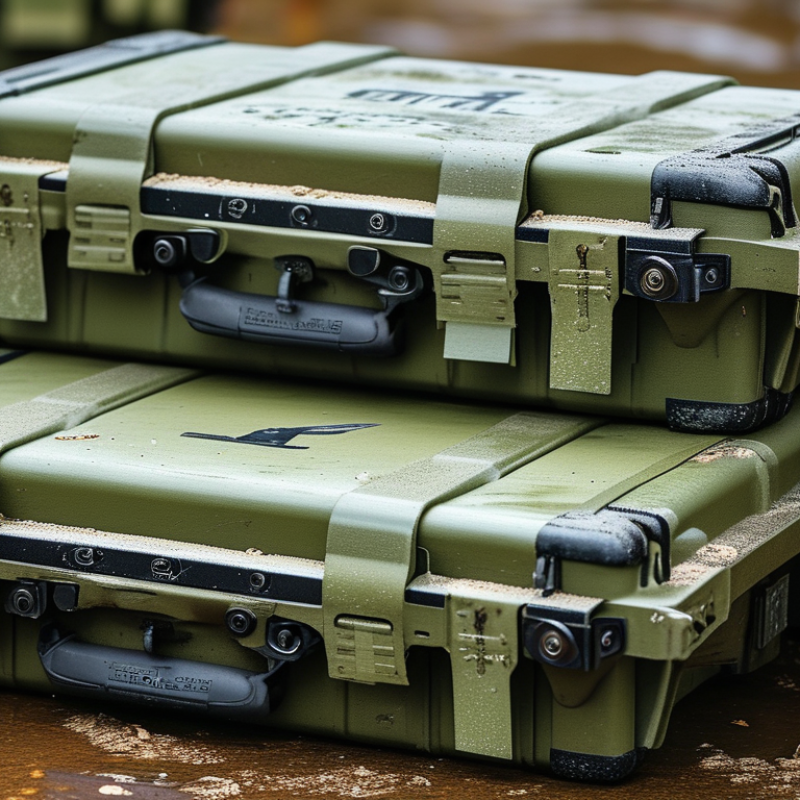
How to Choose Mil-Spec Hermetic Packaging for Your Needs?

Understanding Mil-Spec Standards and Their Importance

Mil-Spec standards are vital in hermetic packaging. They ensure reliability in harsh environments. These standards are crucial for military applications where performance is non-negotiable. According to a report from the Defense Logistics Agency, improper packaging can lead to 75% of equipment failures. This statistic emphasizes the need for adherence to established guidelines for sealing and moisture prevention.


Understanding Mil-Spec regulations can be complex. Many companies struggle to interpret the specifications that define hermetic sealing. The standards dictate factors like materials, dimensions, and testing methods. For example, the IPC/WHMA-620 standard outlines critical criteria for cable and harness assembly. Companies often overlook these specific details, leading to potential failures and costly revisions.


As technology evolves, so do Mil-Spec requirements. New materials and techniques emerge, shifting industry norms. Organizations must stay updated with the latest changes. Failing to do so can result in subpar packaging solutions that compromise both safety and functionality. Many defense contractors report issues with compliance, indicating a pressing need for ongoing education in this area.

Identifying Your Specific Packaging Requirements

When identifying your specific packaging requirements, understanding the purpose of mil-spec hermetic packaging is crucial. This type of packaging is often used in the military and aerospace sectors, where environmental challenges are significant. According to a report by the Military Packaging Standardization Group, over 70% of packaging failures in these sectors can be attributed to inadequate hermetic seals. This statistic emphasizes the need for strict adherence to specifications.

Defining your specific needs starts with assessing the environmental conditions your products will face. Factors like humidity, temperature fluctuations, and exposure to corrosive elements are vital. For instance, a study by the Defense Logistics Agency revealed that products stored in hermetic packaging showed a 50% longer lifespan compared to those without. This highlights how critical it is to choose appropriate materials and sealing methods.

Additionally, consider the physical dimensions and weight limits. Packaging must be robust yet lightweight to meet transport efficiency. Complexity also plays a role; simpler designs often yield better results in reliability tests. Feedback from engineers across various sectors suggests that many underestimate these aspects, leading to potential failures. Balancing these elements entails a thorough evaluation. Adjusting your approach based on industry standards and empirical data can drive better outcomes in mil-spec hermetic packaging.

Evaluating Material Options for Hermetic Packaging

Choosing the right material for Mil-Spec hermetic packaging is critical. This ensures that sensitive components remain protected. Several factors influence the choice, including environmental conditions and performance requirements. According to a recent market research report, the hermetic packaging industry is projected to grow at a CAGR of 6.2% through 2026. Material selection is pivotal in this growth.

Different materials offer unique advantages. For instance, ceramics are excellent for high-temperature stability. Conversely, metals provide superior strength and thermal conductivity. Each material has its limitations. Ceramic can be brittle, while metals may not be suitable for all applications. Understanding the specific needs of your project is key.

Tips: Always consider thermal expansion. Ensure your material can handle temperature variations. You may need to test different materials for optimal performance. Additionally, consult technical data sheets for mechanical properties, as this can prevent costly errors in production. By being thorough in your evaluation, you can select the most reliable option for your hermetic packaging requirements.

Assessing Environmental and Thermal Conditions

When selecting mil-spec hermetic packaging, understanding environmental and thermal conditions is crucial. The packaging must withstand extreme temperatures and fluctuating humidity levels. These factors impact the integrity and lifespan of the contained components. Ensuring that packaging can endure these conditions requires knowledge of the specific environment surrounding the application.

Consider how temperature extremes can affect materials. Some materials can contract or expand, leading to potential failure. High humidity can create condensation inside the package, compromising electronic components. These risks must be evaluated carefully. Assessments should include temperature ranges and moisture exposure typical for the product's use. It's important to weigh the potential consequences of inadequate protection.

Adopting a trial-and-error approach can help refine your choices. Testing different packaging solutions under various conditions provides insight into their performance. This process can reveal strengths and weaknesses you may not expect. Documenting these findings will build a reliable knowledge base for future decisions. Remember, there's no one-size-fits-all solution. An informed and flexible approach can lead to better packaging outcomes.

How to Choose Mil-Spec Hermetic Packaging for Your Needs? - Assessing Environmental and Thermal Conditions

Parameter Description Recommended Values
Pressure External pressure levels the packaging must withstand. Up to 20 psi
Temperature Range Operating temperatures the packaging can tolerate. -55°C to +125°C
Humidity Resistance Ability to resist moisture ingress. IP68 rating
Vibration Resistance Resistance to mechanical vibrations. MIL-STD-810G
Chemical Resistance Ability to withstand exposure to various chemicals. ISO 14644-1 compliant materials
Lifecycle Expected duration and durability of the packaging. 5-20 years

Reviewing Manufacturer Credentials and Certifications

When selecting mil-spec hermetic packaging, examining manufacturer credentials is crucial. Certifications can indicate adherence to stringent quality standards. For instance, AS9100 certification ensures compliance with aerospace industry requirements. This certification indicates a commitment to quality management systems and continual improvement. Many military applications require manufacturers to meet strict guidelines, reflected in their certification choices.

Additionally, look for compliance with military specifications, such as MIL-STD-810 or MIL-PRF-38534. These standards quantify environmental conditions and performance requirements. A report published by the Defense Logistics Agency in 2022 notes that over 55% of military-related failures can be traced back to inadequate packaging. This data underscores the importance of working with certified manufacturers to ensure product reliability.

Inspecting past performance and case studies is also essential. Some manufacturers publish success stories demonstrating their packaging's effectiveness under diverse conditions. Engaging with industry forums and technical publications can provide deeper insights. A community's collective knowledge often highlights less obvious shortcomings in a manufacturer's claims. Relying solely on certifications is not enough; real-world performance is a vital indicator of quality.

FAQS

: What are Mil-Spec standards?

: Mil-Spec standards ensure reliability in harsh environments, especially for military applications.

Why is packaging compliance important?

Improper packaging can cause significant equipment failures, affecting military operations and safety.

What challenges do companies face with Mil-Spec regulations?

Companies often struggle to interpret the specifications guiding hermetic sealing, leading to oversights.

How can environmental conditions affect packaging?

Extreme temperatures and humidity can compromise materials and cause failures, impacting the contents.

What is the value of testing packaging solutions?

Trial-and-error testing reveals strengths and weaknesses, helping organizations improve their choices.

How do certifications influence manufacturer selection?

Certifications indicate adherence to quality standards and regulatory compliance, crucial for reliable products.

What role do case studies play in evaluating manufacturers?

Analyzing past performance examples gives insights into real-world effectiveness beyond certification claims.

What should organizations consider when selecting materials?

Materials must be evaluated for their performance within specific environmental conditions, avoiding generic choices.

Why is ongoing education important in packaging?

Keeping up with Mil-Spec changes prevents subpar solutions that could jeopardize safety and functionality.

What is a common misconception about Mil-Spec standards?

Many believe there's a one-size-fits-all solution, but each application requires tailored approaches and insights.

Conclusion

When choosing Mil-Spec Hermetic Packaging, it is essential to start by understanding the Mil-Spec standards, which ensure that packaging meets rigorous performance criteria in demanding environments. Identifying specific packaging requirements, such as size, shape, and intended application, will help in narrowing down options effectively.

Next, evaluating material choices is crucial to achieving optimal performance, as the right materials will provide the necessary durability and protection. Additionally, assessing environmental and thermal conditions can influence the decision-making process, as these factors determine how the packaging withstands external pressures. Finally, reviewing manufacturer credentials and certifications will ensure that the selected Mil-Spec Hermetic Packaging meets all necessary compliance and quality assurance standards, providing peace of mind for your packaging solutions.


Mason

Mason

Mason is a seasoned marketing professional with a deep expertise in the company's offerings and a passion for driving brand awareness. With a strong background in digital marketing strategies, he has an innate ability to connect with diverse audiences and effectively communicate product benefits.......