In the rapidly evolving field of Rf/Microwave Packaging, choosing the right materials and designs can be a daunting task. Industry expert Dr. Samantha Lee states, "The success of microwave devices depends heavily on their packaging integrity." This highlights the crucial role that quality packaging plays in performance and reliability.
When selecting Rf/Microwave Packaging, one must consider various factors such as frequency range, thermal management, and dielectric properties. Each application has unique requirements that can affect the overall design. For instance, high-power devices demand materials that can withstand extreme conditions. This intricacy can lead to trial and error in decision-making. Industry professionals must tread carefully to avoid costly mistakes.
Moreover, staying updated with the latest trends is vital. New materials and technologies emerge regularly, adding to the complexity. Companies often grapple with balancing innovation and practicality. Reflecting on past packaging failures can provide insight, guiding future designs. Thus, understanding the nuances of Rf/Microwave Packaging is essential for those committed to excellence and reliability.
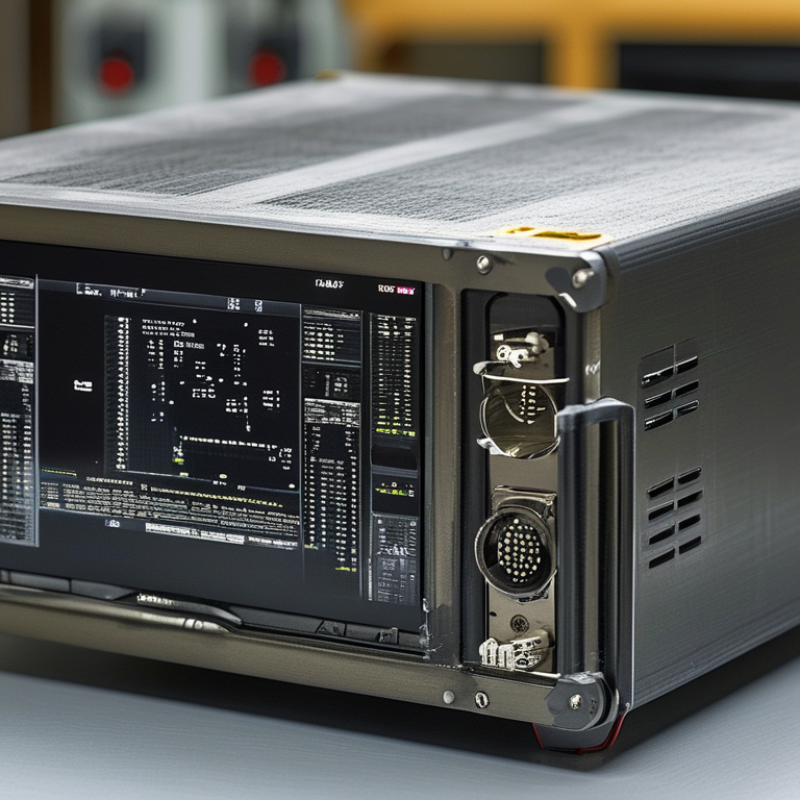
Understanding RF Microwave Packaging Types and Their Applications
RF microwave packaging is essential for ensuring optimal performance and reliability in communication systems. Various types of packaging are available, each suited for specific applications. For example, ceramic packaging offers high thermal conductivity and is often used in high-power RF applications. Meanwhile, plastic packaging is lighter and more cost-effective, making it ideal for consumer electronics.
Understanding the differences in materials is crucial. Metal packaging provides excellent shielding against interference but can be heavier. On the other hand, glass packages enhance signal integrity and are often used in sensitive medical devices. Research indicates that the global RF packaging market is projected to grow significantly, with a compound annual growth rate (CAGR) of around 7.4% from 2022 to 2028.
When selecting RF microwave packaging, consider the system requirements carefully. Ensure that the chosen material meets the thermal and mechanical stresses of your application. Test for potential issues during integration. Smaller dimensions can lead to performance losses if not optimized well. Balancing cost and performance is key; sometimes, a more expensive option can provide better long-term reliability.
Key Factors to Consider When Selecting RF Microwave Packaging
When selecting RF microwave packaging, certain key factors require careful consideration. Thermal management is crucial. Effective heat dissipation prevents component failure. A recent study shows that improper thermal control can reduce device lifespan by up to 50%. Designers must choose materials based on thermal conductivity to enhance reliability.
Another factor is the frequency range. The packaging must support the specific frequency of operation. A suitable dielectric material can minimize signal loss. Research highlights that an optimal dielectric constant can improve performance by decreasing insertion losses by 20%. Understanding the frequency requirements ensures better operational efficiency.
Mechanical stability should not be overlooked. Vibration and shock resistance play significant roles in the durability of RF components. Reports indicate that up to 30% of failure rates in RF systems are linked to inadequate mechanical support. Careful assessment of package design helps mitigate these risks. It's essential to balance these elements effectively to meet project goals while ensuring long-lasting performance.
2026 How to Choose RF Microwave Packaging for Your Needs? - Key Factors to Consider When Selecting RF Microwave Packaging
| Key Factors |
Details |
Importance Level |
| Material Type |
Selection of dielectric materials (ceramics, PTFE, etc.) based on frequency range and environmental conditions. |
High |
| Thermal Management |
Evaluate heat dissipation capabilities to prevent overheating and ensure reliability. |
High |
| Shielding Effectiveness |
Determine the level of electromagnetic interference (EMI) protection required for the application. |
Medium |
| Size and Form Factor |
Consideration of the physical dimensions and layout for integration into existing systems. |
High |
| Environmental Resistance |
Assess the packaging's ability to withstand humidity, temperature variations, and chemicals. |
Medium |
| Cost Considerations |
Budget constraints and the cost-effectiveness of the chosen packaging solutions. |
High |
Material Selection: What Works Best for RF Microwave Packaging?
Selecting the right material for RF microwave packaging is crucial in optimizing performance. Common materials include ceramics, plastics, and metals. Each comes with its benefits and challenges. For example, ceramic materials excel in high-frequency applications due to their low dielectric loss and thermal stability. A study from the International Journal of Microwave and Wireless Technologies reports that ceramics can achieve dielectric constants ranging from 6 to 10, making them ideal for precise microwave components.
On the other hand, plastics—especially those reinforced with glass fibers—also play a significant role in RF microwave packaging. They offer lightweight options and varying dielectric properties. However, they may not perform as well at elevated temperatures. A recent market analysis indicated that around 35% of RF packaging incorporates plastic materials. This trend suggests a growing preference in applications requiring flexibility and lighter weights.
Challenges persist in material selection, particularly with environmental factors. The material choice must consider not only performance but also durability and cost. For instance, while metals can offer excellent shielding properties, they can also lead to higher manufacturing costs. Reflecting on economical solutions while ensuring quality remains a dilemma for many engineers in the field.
Analyzing Cost vs. Performance in RF Microwave Packaging
When selecting RF microwave packaging, striking the right balance between cost and performance is essential. According to industry reports, the global RF microwave packaging market is projected to reach $5.5 billion by 2026. This growth highlights the increasing demand for efficient packaging solutions that meet specific application requirements. However, many companies find themselves grappling with the complexities of material choices and design specifications that influence both performance and overall cost.
Performance metrics such as thermal stability, dielectric loss, and signal integrity are crucial. A study from a leading aerospace technology firm indicates that using higher quality materials can improve performance metrics by up to 30%. Yet, these materials often come with a higher price tag. It’s a delicate trade-off; opting for cheaper alternatives may result in degraded performance, increased susceptibility to environmental factors, and ultimately, higher maintenance costs. Therefore, understanding the performance characteristics of various materials is vital for making informed decisions.
Additionally, the process of packaging design can introduce unforeseen challenges. Many engineers encounter issues with thermal management that affect reliability over time. A report indicates that up to 20% of RF components fail prematurely due to inadequate thermal design. This emphasizes the need for a holistic approach that considers both performance and long-term affordability. By carefully analyzing these factors, organizations can tailor their RF microwave packaging to better suit their unique needs while remaining cost-effective.
Future Trends in RF Microwave Packaging: What to Expect in 2026
As we approach 2026, the landscape of RF microwave packaging is evolving rapidly. Emerging materials and innovative designs will shape the future. Traditional methods may fall short in meeting new performance standards. Engineers will need to stay attuned to these shifts, focusing on thermal management and integration. Lightweight materials will gain significance, enhancing device mobility and efficiency.
Moreover, sustainability will play a critical role. Manufacturers will look for eco-friendly packaging options. This includes biodegradable materials that can withstand high frequencies. However, these changes may pose challenges in reliability and longevity. Finding the right balance between sustainability and performance will be essential. It prompts a reflection on existing practices.
Integration of advanced technologies like 5G will push the boundaries of RF packaging. Higher frequency operation demands precise engineering. The industry must adapt to these needs. As we navigate through this technological evolution, continuous learning will shape expert knowledge. Engaging with ongoing research will be vital for professionals in the field. Embracing these future trends is not without its complexities. The necessity of addressing shortcomings while exploring new possibilities will be a theme in the coming years.
Future Trends in RF Microwave Packaging: What to Expect in 2026
This bar chart showcases the projected trends in RF microwave packaging materials from 2024 to 2026, highlighting the expected percentage growth of different packaging types based on industry insights.
Conclusion
In the realm of RF/Microwave Packaging, understanding the various types and their specific applications is crucial for effective selection. Key factors to consider include performance requirements, thermal management, and environmental resilience, each playing a pivotal role in ensuring optimal functionality. Material selection is equally vital; certain materials provide better electrical performance and durability under microwave frequency conditions.
As we approach 2026, analyzing the balance between cost and performance becomes increasingly important, as manufacturers seek to innovate while managing budget constraints. Future trends indicate a shift towards advanced materials and design techniques that enhance efficiency and reduce size, reflecting the evolving demands of the RF/Microwave Packaging industry. By staying informed about these developments, stakeholders can make well-rounded decisions that align with their specific needs.

 Xinyunyang Precision