In today's fast-paced manufacturing landscape, the need for precision and efficiency is paramount. CNC machines have revolutionized the industry, providing unmatched versatility and accuracy. According to a recent report by the International Federation of Robotics, CNC machinery use has increased by over 25% in the past five years. This trend highlights the growing reliance on technology to drive production.
Dr. Emily Carter, a leading expert in CNC technology, once stated, "Investing in CNC machines is investing in the future of manufacturing." Such machines can reduce waste and enhance productivity. Many businesses report a significant increase in output alongside a decrease in operational costs after adopting CNC technology. However, the initial investment can be daunting, and not all companies may see immediate returns.
As organizations navigate these challenges, it’s essential to weigh the long-term benefits against initial hurdles. A well-chosen CNC machine can be a game changer, but careful planning and consultation are crucial. In this dynamic environment, understanding the capabilities and limitations of CNC machines becomes critical to success.
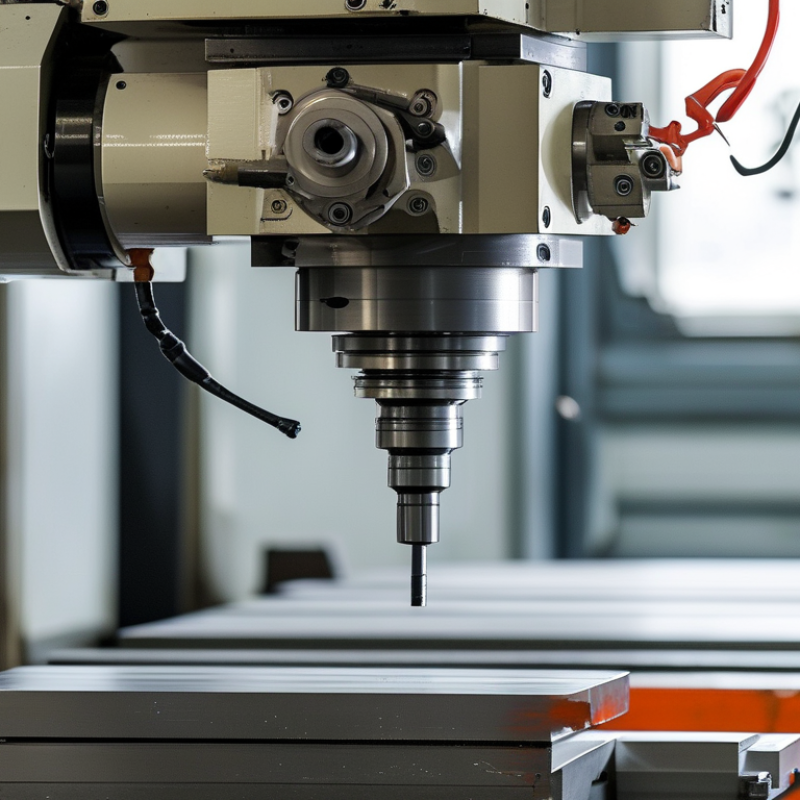
CNC machines have transformed modern manufacturing in many ways. Their precision reduces human error significantly. Every cut and carve is exact, leading to consistent quality. This reliability is crucial for industries requiring high standards, such as aerospace and automotive. Moreover, CNC technology can handle complex designs that manual machines struggle with.
The flexibility of CNC machines is another key benefit. They can quickly adapt to changes in design, accommodating new products without extensive retooling. This agility can streamline production and decrease downtime. However, not all businesses might benefit equally. Initial costs and the need for skilled operators can be barriers for small shops. The learning curve may also pose challenges. Balancing investment with expected return requires careful consideration.
CNC machines are known for their precise operations. They enable manufacturers to create intricate designs with consistent accuracy. Unlike traditional manufacturing, CNC machines eliminate human error. This leads to a higher quality of finished products. Furthermore, the tools can replicate designs flawlessly. Each piece produced is nearly identical, which is crucial in many industries.
Precision in manufacturing can lead to significant cost savings. Errors in machining can create waste and delays. CNC technology minimizes these risks. For example, in aerospace parts, even a tiny error can have serious consequences. Companies benefit from reliable products and satisfied customers.
However, no system is without its flaws. CNC machines require regular maintenance. An overlooked issue may lead to malfunctions. It’s essential for operators to be vigilant. Continuous training and evaluation can help address possible shortcomings. This ensures that the machines operate at their peak performance level.
CNC machines are a game-changer for modern manufacturing. They significantly enhance productivity by automating tasks. Efficiency skyrockets as these machines perform complex operations with precision. They can handle numerous materials, such as wood, metal, and plastic. This adaptability makes them invaluable across industries.
Cost-effectiveness is another major advantage of CNC technology. Although the initial investment might be high, the long-term savings are undeniable. CNC machines reduce labor costs because fewer operators are needed. Errors are minimized due to their accuracy, leading to less material waste. This reliability contributes to a more predictable production schedule.
However, there are challenges. The skill gap for operating CNC machines can be a concern. Training staff is essential to maximize machine capabilities. Moreover, maintenance is crucial; neglect can lead to costly downtime. Investing in proper upkeep ensures longevity and efficiency. Embracing CNC technology requires a commitment but promises substantial returns.
| Manufacturing Process | Setup Time (Hours) | Production Time (Hours) | Material Waste (%) | Cost per Unit ($) | Output Rate (Units/Hour) |
|---|---|---|---|---|---|
| CNC Machining | 2 | 10 | 5 | 15 | 5 |
| Laser Cutting | 3 | 8 | 2 | 12 | 7 |
| Injection Molding | 4 | 12 | 7 | 20 | 10 |
| 3D Printing | 1 | 15 | 10 | 25 | 3 |
CNC machines have become essential in manufacturing due to their unmatched versatility and adaptability. In various industries, from aerospace to automotive, CNC technology offers unique solutions. According to a 2022 report from MarketsandMarkets, the CNC machine market is projected to reach $117 billion by 2026, driven by rapid technological advancements and industrial automation.
One of the standout features of CNC machines is their ability to produce complex shapes with high precision. This capability is especially critical in industries where tolerances are tight, such as medical device manufacturing. A study by the National Institute of Standards and Technology (NIST) found that CNC machining can achieve tolerances of up to ±0.01 mm. This level of accuracy is not easily attainable with traditional manufacturing methods.
While CNC machines provide numerous advantages, they come with challenges. The initial setup costs can be a barrier for small businesses. Additionally, operators require specialized training to maximize the benefits of CNC technology. A survey by the Fabricators & Manufacturers Association noted that 70% of companies reported skill gaps in CNC operation. This gap highlights the need for ongoing education and support within the industry.
The manufacturing landscape is undergoing a notable transformation. CNC technology is at the forefront of this change. According to a report by MarketsandMarkets, the CNC machine market is expected to reach $100 billion by 2026, growing at a compound annual growth rate (CAGR) of 6.5%. This growth underscores the increasing dependence on precision machining to improve efficiency.
One of the most significant innovations in CNC technology is the integration of artificial intelligence (AI). AI enhances predictive maintenance, reducing downtime by 20%. This capability allows manufacturers to schedule repairs before a breakdown occurs. Moreover, advancements in software have made programming CNC machines less complex. A user-friendly interface can enable operators to create intricate designs with minimal training.
While these innovations are promising, challenges remain. Many companies struggle to adapt to new technologies due to a lack of skilled workforce. Also, the initial investment for advanced CNC machines can be high. Addressing these issues is crucial. The future of CNC technology promises efficiency and precision, but it is essential to tackle the obstacles that come with these advancements.
: CNC machines ensure precision and reduce human error, leading to higher quality products.
They minimize errors and waste, resulting in significant long-term savings in manufacturing processes.
Yes, they can work with various materials like wood, metal, and plastic effectively.
Neglecting maintenance can cause malfunctions and costly downtime in production.
Yes, proper training is crucial to maximize efficiency and ensure safe operation of the machines.
Absolutely, especially in industries like aerospace where precision is critical.
Yes, there can be a skill gap in operators and maintenance issues if not addressed.
Continuous training and regular maintenance are necessary to avoid performance drops.
Some believe they eliminate all errors, but regular oversight is still essential.
Yes, but the long-term efficiency and cost savings often justify the expense.
CNC machines have revolutionized modern manufacturing by providing numerous benefits that enhance efficiency and quality. Their precision and accuracy are unmatched, allowing for intricate designs and consistent production standards that elevate the final product's quality. Additionally, CNC technology maximizes cost-effectiveness by reducing waste and minimizing labor costs, thus increasing overall productivity.
Moreover, the versatility and adaptability of CNC machines make them suitable for a wide range of industries, from automotive to aerospace, demonstrating their importance in various manufacturing fields. Looking ahead, innovations in CNC technology promise to further advance the manufacturing landscape, making CNC machines indispensable tools for businesses aiming to remain competitive in a rapidly evolving market.

Xinyunyang Precision