Why Choose a CNC Milling Machine for Your Manufacturing Needs?

Time:2026-07-17 Author:Amelia
0%

In today's competitive manufacturing landscape, choosing the right tools is crucial. The CNC milling machine stands out as a highly efficient option for various manufacturing needs. According to a report by Grand View Research, the global CNC machine market was valued at over $70 billion in 2021 and is expected to grow significantly. Businesses that adopt CNC technology can improve precision, reduce production time, and enhance product quality.

The capabilities of CNC milling machines allow for intricate designs and consistency in production. A study by Technavio indicates that the increasing demand for customized solutions will drive the CNC market further. However, it is important to recognize that while CNC machines offer numerous advantages, they require skilled operators. The reliance on technology raises questions about job displacement and the need for training.

As the industry evolves, understanding the balance between automation and workforce management is vital. CNC milling machines are powerful tools that can improve efficiency, but companies must also consider the implications of their adoption. Making informed decisions can lead to greater success and sustainability in the manufacturing sector.
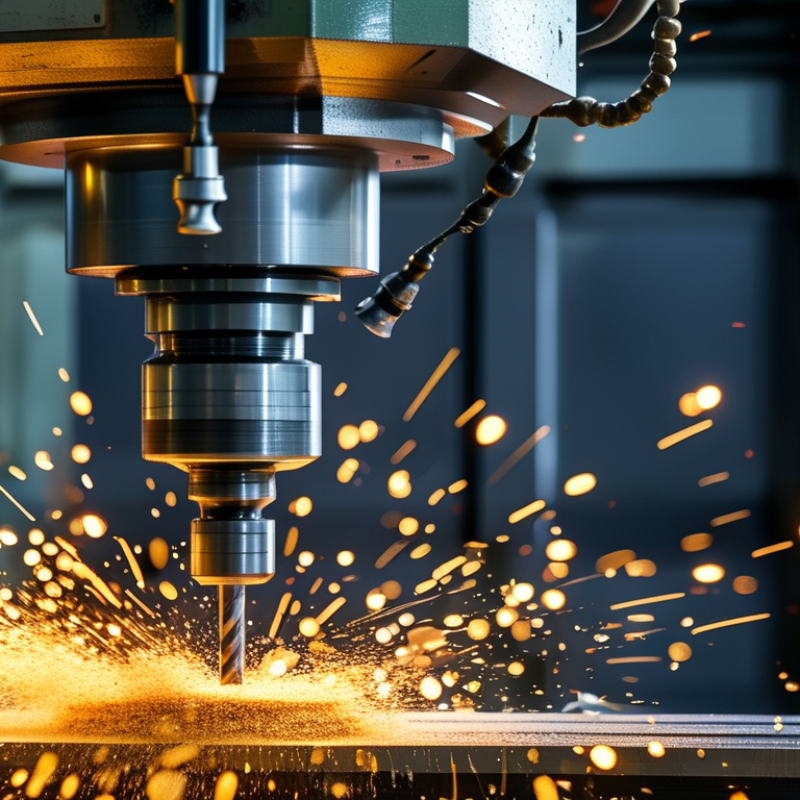
Why Choose a CNC Milling Machine for Your Manufacturing Needs?

Benefits of Using CNC Milling Machines in Manufacturing

CNC milling machines offer a range of benefits for manufacturing. They improve precision and reduce human error. This technology automates complex tasks, ensuring consistent quality. The ability to produce intricate designs is a significant advantage in competitive markets.

Tips: Regular maintenance ensures optimal performance. Inspect machines for wear and tear frequently. This can prevent costly downtime and enhance productivity.

Another key benefit is efficiency. CNC milling reduces production time significantly compared to manual methods. It allows manufacturers to meet tight deadlines with ease. However, operators must be skilled to program and operate these machines effectively. Proper training is essential.

While the initial investment can be high, the long-term savings in labor costs and waste reduction often justify the expense. Nevertheless, small businesses may struggle with the upfront costs. A careful evaluation of budget and needs is important before making a decision.

Tips: Consider starting with simpler projects. This approach helps in building confidence and skills before taking on more complex tasks.

Benefits of Using CNC Milling Machines in Manufacturing

This bar chart illustrates the key benefits of using CNC milling machines in manufacturing. The scores indicate the perceived advantages on a scale of 1 to 10, highlighting precision, efficiency, cost-effectiveness, flexibility, and reduced waste as primary advantages.

Understanding the Precision and Accuracy of CNC Milling

CNC milling machines shine in precision and accuracy. Reports show that these machines typically achieve accuracy levels of ±0.002 inches. This fine precision is crucial for industries like aerospace and automotive, where small tolerances can lead to significant performance differences.

The industry standard reveals that CNC milling can maintain consistent repeatability at 0.001 inches. Such reliability reduces the need for manual adjustments. According to a survey by the Association for Manufacturing Technology, 78% of manufacturers noted that CNC milling improved their production efficiency. This efficiency stems from the ability of CNC machines to handle complex parts without sacrificing quality.

However, not all machining tasks are suited for CNC milling. Some intricate designs or softer materials may not benefit from this technology. Manufacturers must critically assess their specific needs. Relying solely on CNC milling can lead to oversights in choosing the right method for certain applications. Balancing the use of CNC milling with other techniques often yields the best results.

Comparing Traditional Milling to CNC Milling Technologies

When comparing traditional milling to CNC milling technologies, the differences are striking. Traditional milling requires a high level of manual skill. Operators must control the feed and speed of the machine. This can lead to errors, especially with complex parts. In contrast, CNC milling automates these processes. It uses computer programming to dictate machine actions. This precision reduces human error and improves output quality.

CNC machines can create intricate designs that are difficult to achieve manually. The ability to program specific paths allows for consistent replication of parts. Traditional milling may struggle with complex geometries due to its manual nature. Although CNC technology is an investment, the long-term benefits are clear. Increased efficiency and accuracy can lead to higher production rates. Yet, the reliance on programming means skill gaps must be addressed, as operators need training to manage the software effectively.

Cost is another key difference. While traditional tools can be less expensive, they may not deliver the same quality in the long run. Maintaining a skilled workforce for manual machines can be challenging and costly. In contrast, CNC machines require fewer operators. However, they come with maintenance and software costs. Balancing these factors is essential for any manufacturing operation. The choice between these technologies varies based on specific needs and resources.

Applications of CNC Milling in Various Industries

CNC milling machines have transformed various industries by enhancing precision and efficiency in manufacturing. In the aerospace sector, for instance, CNC milling allows for the production of complex parts with high accuracy. According to a report by MarketsandMarkets, the global aerospace CNC machining market is expected to reach USD 4.95 billion by 2025. This growth highlights how critical CNC technology is for safety and performance.

In the automotive industry, CNC milling plays a vital role in producing intricate engine components. Manufacturers often rely on these machines for their ability to maintain tight tolerances. A recent study from IBISWorld found that the automotive machining industry in the U.S. reached $12 billion in revenue in 2022. This showcases the reliance on CNC milling for not just production, but also quality assurance.

However, integrating CNC milling isn't without challenges. The cost of acquiring and maintaining these machines can be significant. Moreover, skilled labor is necessary to operate these sophisticated machines. Companies must invest in training programs to ensure their workforce is equipped to handle CNC technology effectively. Despite these hurdles, the benefits of efficiency and precision often outweigh the drawbacks. This balance is essential for optimizing production in today's fast-paced manufacturing landscape.

Cost-Effectiveness of CNC Milling Machines for Businesses

Choosing a CNC milling machine can be a game-changer for businesses. These machines offer exceptional precision, which is critical in manufacturing. When it comes to cost-effectiveness, CNC milling machines stand out. They reduce material waste, which directly impacts your bottom line. For companies looking to optimize production, this efficiency cannot be overstated.

The initial investment in CNC machines might seem high. However, the long-term savings often outweigh these costs. Maintenance and setup time are generally lower than traditional machines. This means more uptime and faster turnaround. Additionally, automation features can lead to reduced labor costs. Fewer operators are needed, and that can significantly lower payroll expenses.

Yet, it's essential to evaluate the specific needs of your business. Not all CNC milling machines are created equal. Depending on the complexity of parts you produce, a more basic model might suffice. It’s important to analyze operational efficiency regularly. Companies sometimes overlook these factors and then face higher costs than expected. Thoughtful consideration of your manufacturing processes will lead to better choices and sustainable growth.

FAQS

: What is the typical accuracy level of CNC milling machines?

: CNC milling machines usually achieve accuracy levels of ±0.002 inches.

How does CNC milling improve production efficiency?

CNC milling handles complex parts reliably, reducing manual adjustments and increasing production speed.

Are all machining tasks suitable for CNC milling?

No, some intricate designs or softer materials may not benefit from CNC milling.

What industries benefit most from CNC milling?

Aerospace and automotive industries benefit significantly from CNC milling's precision and efficiency.

Is the investment in CNC milling machines worth it?

Yes, though initial costs are high, long-term savings in material waste and labor often justify the price.

What are the challenges of integrating CNC milling?

The costs of machines and skilled labor requirements can be significant challenges for companies.

How does CNC milling affect material waste?

CNC milling reduces material waste, positively impacting overall production costs for businesses.

Why is training important for CNC machine operators?

Operators need proper training to efficiently run CNC machines and maximize their capabilities.

Can companies rely solely on CNC milling for all production needs?

Relying solely on CNC milling may lead to oversights; a balanced approach with other techniques is advisable.

How can companies evaluate their manufacturing needs for CNC machines?

Regular operational efficiency analysis helps companies make informed choices about machine requirements and costs.

Conclusion

CNC milling machines have become essential in modern manufacturing due to their numerous benefits, including enhanced precision and accuracy. Unlike traditional milling methods, CNC milling utilizes computer controls to execute complex designs with minimal human intervention, leading to superior consistency and quality in finished products. This level of accuracy is particularly important in industries requiring intricate components, such as aerospace and automotive.

Furthermore, the cost-effectiveness of CNC milling machines makes them an attractive option for businesses looking to reduce production costs while maintaining high standards. The efficiency they offer allows for faster production cycles and lower labor costs, leading to increased profitability. Overall, the applications of CNC milling in various industries showcase its versatility, making it a preferred choice for manufacturers aiming to improve their processes and output.


Amelia

Amelia

Amelia is a seasoned marketing professional with a wealth of expertise in our company’s core offerings. With an unwavering passion for driving growth and innovation, she plays a pivotal role in shaping our marketing strategies and enhancing brand visibility. A key aspect of her responsibilities......