Fuel Cell Bipolar Plates play a crucial role in enhancing the energy efficiency of fuel cells. According to Dr. Emily Zhang, a leading expert in fuel cell technology, "The design and material choice for Fuel Cell Bipolar Plates directly impact their performance and lifespan." Her insights shed light on the importance of optimizing these components.
These plates facilitate the distribution of gases and manage current flow within fuel cells, making them indispensable. Efficient bipolar plates can significantly reduce operational losses, improving the overall efficiency of the fuel cell system. However, achieving the ideal balance of conductivity, corrosion resistance, and weight remains a challenge in the industry.
Furthermore, while many designs exist, not all meet the demands of various applications. There's a need for continuous innovation. As the industry evolves, we must critically assess existing materials and technologies. The pursuit of enhanced Fuel Cell Bipolar Plates is ongoing, with many experts believing that the future of clean energy lies in better design and manufacturing practices.
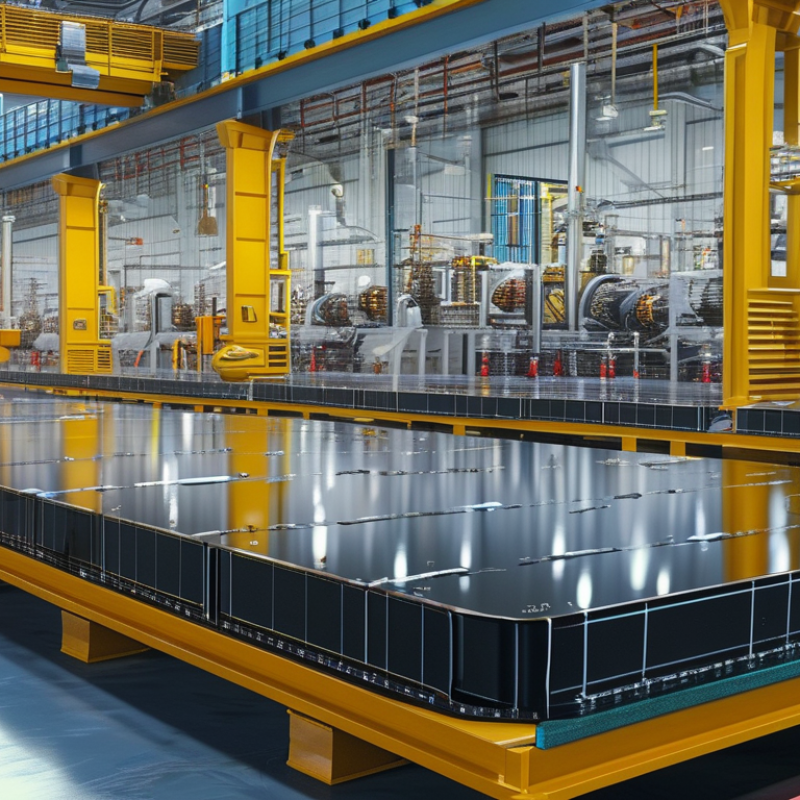
The Role of Fuel Cell Bipolar Plates in Energy Conversion Efficiency
Fuel cell bipolar plates play a crucial role in energy conversion efficiency. They are essential components in fuel cells, directing reactant gases while conducting electricity. These plates create pathways for hydrogen and oxygen, allowing efficient energy production. The material and design of these plates significantly affect performance. Lightweight and conductive materials enhance energy transfer while reducing weight.
Tips for selecting bipolar plates include focusing on material durability. Graphite and metallic composites often serve as good options. Consider surface treatment techniques. They can improve corrosion resistance, enhancing the longevity of the plates. Additionally, maximizing the contact area can lead to improved electrical conductivity.
It's important to remember that not all designs suit every application. Prototyping different configurations can reveal unexpected challenges. Testing under various conditions helps identify the most effective materials and designs. This ongoing trial and error is key, as each fuel cell system may necessitate unique solutions. Continuous refinement leads to better energy solutions.
Why Are Fuel Cell Bipolar Plates Essential for Energy Efficiency? - The Role of Fuel Cell Bipolar Plates in Energy Conversion Efficiency
| Parameter |
Description |
Impact on Efficiency |
| Conductivity |
Material's ability to conduct electricity |
Higher conductivity reduces resistive losses, increasing efficiency |
| Thickness |
Physical thickness of the bipolar plate |
Optimized thickness can balance weight and conductivity |
| Surface Area |
Total area available for reaction |
Larger surface area enhances reaction rates, improving efficiency |
| Weight |
Mass of the bipolar plate |
Lower weight can improve overall system efficiency in transport applications |
| Corrosion Resistance |
Ability to withstand harsh environments |
Increased durability leads to longer lifespan and reliability |
| Manufacturing Cost |
Cost of production of bipolar plates |
Lowering costs can enhance adoption rates and overall efficiency of systems |
Materials Used in Fuel Cell Bipolar Plates and Their Impact on Performance
Fuel cell bipolar plates play a crucial role in the performance of energy systems. These plates serve as
electrical conductors while also distributing reactant gases across
the cell. Their material choice significantly impacts the efficiency and durability of fuel cells. Research
indicates that materials like graphite and metal reduce weight and improve conductivity. A 2022 report
by the Fuel Cell and Hydrogen Energy Association highlights that optimizing plate material can enhance
power output by 15%.
Commonly used materials include carbon-based composites and metals.
Carbon plates offer excellent electrical conductivity and corrosion resistance. However, they can be brittle
and may fracture under stress. On the other hand, metal plates, while sturdier, are heavier and often require
coatings to prevent corrosion. Balancing these factors is essential for maximizing fuel cell performance while
ensuring reliability in various environments.
Tips: Choose materials that ensure good conductivity
without compromising weight. Regular testing under operational conditions can reveal insights into potential issues.
Always consider long-term performance when selecting bipolar plate materials.
Ultimately, the choice of bipolar plate materials affects costs and energy efficiency. There’s ongoing debate
about the best combinations to optimize fuel cell technology. Being aware of these material attributes can
lead to better choices in future applications.
How Bipolar Plate Design Influences Fuel Cell Durability and Longevity
Bipolar plates are crucial components of fuel cells. Their design directly impacts the cell's durability. A report from the Department of Energy indicates that improved bipolar plate designs can enhance fuel cell lifespan by up to 25%. This is significant for industries relying on fuel cell technology.
Material choice for bipolar plates is critical. Graphite and metal are common options. Each material has pros and cons regarding conductivity, weight, and corrosion resistance. A recent study found that polymer-coated metals offered superior performance over uncoated options. These coatings protect against wear and extend operation in harsh conditions.
However, achieving the perfect balance remains a challenge. Some designs maximize efficiency but compromise on weight or cost. These trade-offs demand careful evaluation. Designers must also consider manufacturing tolerances. Even slight imperfections can lead to performance issues. Addressing these complexities requires ongoing research and testing to ensure reliability and efficiency over time.
Thermal Management in Fuel Cells: The Contribution of Bipolar Plates
Bipolar plates play a pivotal role in the thermal management of fuel cells. These plates distribute heat evenly across the cell, preventing hotspots that can lead to inefficiencies. Effective heat distribution enhances overall performance and prolongs the lifespan of fuel cells. A well-designed bipolar plate can facilitate better thermal conductivity, which is essential for optimal operation.
However, not all bipolar plates are created equal. Some may struggle with corrosion or degradation over time, impacting performance. This can be a significant issue, as thermal management is crucial in maintaining a stable temperature range. Insufficient performance can lead to reduced energy efficiency. Manufacturers must carefully consider materials and design to avoid potential pitfalls.
The balance between weight and thermal conductivity remains a challenge. Lighter materials can reduce the overall weight of fuel cells but may not always provide the best thermal management. It’s a decision that needs thoughtful evaluation. Future developments in bipolar plate technology might address these concerns, leading to more reliable and efficient fuel cells.
Innovations in Bipolar Plate Technology and Their Future Potential
Bipolar plates play a crucial role in fuel cell efficiency. They facilitate the flow of gases, distribute reactants, and conduct electricity. Recent innovations in materials and designs enhance performance. For example, lightweight composite materials are emerging. They reduce weight while improving durability. This is significant for portable applications.
One notable advance is in 3D printing technology. This allows for complex geometries that optimize fluid dynamics. Improved designs can lead to better performance, but they're not without challenges. Ensuring consistency and quality in mass production remains a concern. Manufacturers must navigate these difficulties to reap potential benefits.
Tips for adopting new technologies:
- Aim for incremental upgrades.
- Focus on understanding materials' properties thoroughly before implementation.
- Engage with experts who specialize in fuel cell technologies.
- Collaboration can lead to more innovative solutions.
With ongoing advancements, bipolar plates will likely transform in the forthcoming years. Ensuring
reliability is key to achieving energy efficiency goals.
FAQS
: Bipolar plates are essential for the durability and longevity of fuel cells. They influence performance significantly.
Improved designs can enhance the lifespan of fuel cells by up to 25%, according to a recent report.
Common materials include graphite and metal. Each has advantages and disadvantages related to conductivity and weight.
The right materials can improve conductivity and corrosion resistance, impacting cell performance and durability.
Designers must balance weight, cost, and efficiency. Even small flaws can lead to significant performance issues.
Bipolar plates distribute heat evenly, preventing hotspots. Efficient heat distribution is key to performance and lifespan.
Corrosion and degradation of materials can impact thermal performance and overall efficiency over time.
Innovations include lightweight composites and 3D printing for optimized geometries, enhancing performance but posing production challenges.
Incremental upgrades are best. Understanding materials thoroughly and collaborating with experts can lead to innovative solutions.
Ongoing advancements may transform bipolar plate technology, ensuring reliability becomes crucial for achieving energy efficiency goals.
Conclusion
Fuel Cell Bipolar Plates play a critical role in enhancing energy conversion efficiency within fuel cells. These plates are essential for transporting reactants and products between the cell's electrodes, directly affecting overall performance. The materials used in their construction significantly impact conductivity, corrosion resistance, and mechanical strength, thereby influencing fuel cell performance and durability.
Moreover, the design of Fuel Cell Bipolar Plates is crucial for ensuring longevity, as it affects factors like fluid distribution and gas flow. Effective thermal management through these plates can also enhance fuel cell operation by maintaining optimal temperatures. Recent innovations in bipolar plate technology are paving the way for improved performance and efficiency, highlighting the potential for future advancements in fuel cell systems.

 Xinyunyang Precision