When selecting a Precision Metal Enclosure, careful consideration is crucial. Industry expert Dr. Emily Carter states, "The right enclosure can enhance durability and performance." Her insights highlight the importance of understanding your specific needs.
Precision Metal Enclosures provide several advantages. They offer protection against environmental factors, ensuring your electronics remain safe. However, not all enclosures are created equal. It’s vital to assess material, size, and thermal management. Each project may require unique specifications.
Many overlook the impact of choosing the wrong enclosure. A poorly fitted enclosure can lead to equipment damage. Moreover, it can increase maintenance costs over time. Evaluating your requirements will prevent these pitfalls. This ensures your Precision Metal Enclosure fulfills its intended purpose effectively.
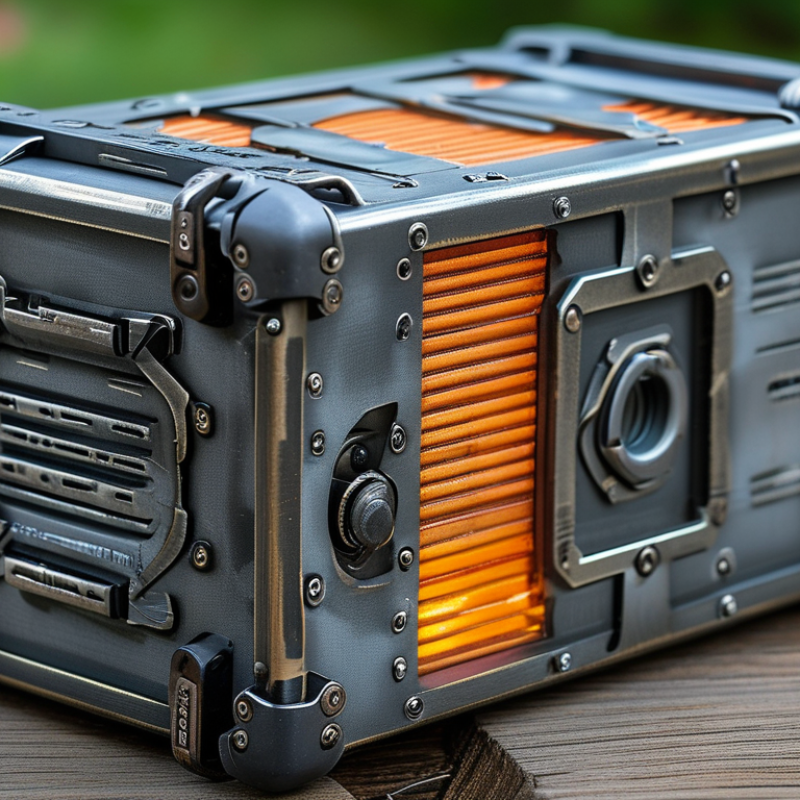
When choosing a precision metal enclosure, understanding your project requirements is crucial. Begin by assessing the environmental conditions. Will the enclosure be exposed to moisture or dust? Consider factors like temperature variations. These aspects guide material selection and structural design. A well-suited enclosure will protect the internal components from external elements.
Next, evaluate dimensions and layouts. Measure the components that will be housed inside. A cramped interior can lead to overheating or mechanical failure. Provide ample space for wiring and accessibility. Furthermore, consider mounting options. Fixed or adaptable mounts have different implications for your design.
Design specifications play a significant role too. Is electromagnetic interference a concern? Shielding might be necessary. Think about the required finishes for aesthetics and durability. Not all finishes are created equal; some may reduce corrosion resistance while enhancing appearance. Keep in mind the balance between functionality and visual appeal. Being aware of these details helps ensure a successful outcome.
When selecting precision metal enclosures, material choice is crucial. The most common options include aluminum, stainless steel, and galvanized steel. Aluminum is lightweight and resistant to corrosion, making it ideal for various applications. According to a report by MarketsandMarkets, the aluminum enclosure market is projected to grow significantly, driven by advancements in electronics and telecommunications.
Stainless steel provides durability and is suitable for harsh environments. Its high tensile strength and resistance to oxidation make it an excellent choice. However, it can be heavier and more expensive. Research from Smithers Pira indicates that the demand for stainless steel enclosures is rising in sectors like aerospace and defense.
Galvanized steel is another viable option. It combines affordability with decent protection against corrosion. This material is often utilized in industrial settings. However, it requires careful consideration regarding environmental exposure. If not properly coated, it may deteriorate quickly. Each material has distinct advantages and potential drawbacks. Evaluating them based on specific application needs is essential for optimal performance.
When selecting a precision metal enclosure, environmental factors play a crucial role. Temperature fluctuations can affect the integrity of your equipment. Enclosures designed for outdoor use should resist moisture and corrosion. Consider dust, chemicals, and extreme weather conditions in your area. Each of these elements can compromise performance.
Compliance standards also hold significant importance. Depending on your sector, ensuring the enclosure meets specific regulations is vital. For example, enclosures in medical or aerospace applications require rigorous testing. They must adhere to certain safety and performance criteria. It can be overwhelming to understand these standards. Consulting experts can bridge this gap.
Choosing the right enclosure is not just about measurements. It's about predicting how these factors will influence your project. Reflect on your specific needs. Evaluate where improvements can be made. Sometimes, what appears suitable may not be the best choice. Be ready to adapt and reconsider your selections as necessary.
When selecting a precision metal enclosure, manufacturing techniques play a crucial role. Different processes can affect the enclosure's performance and longevity. Common techniques include laser cutting, CNC machining, and welding. Each method has its pros and cons. For example, laser cutting offers high precision but might not be as cost-effective for larger production runs. CNC machining excels in creating complex designs but may introduce longer lead times.
Finishing processes are equally important. Anodizing, powder coating, and plating can enhance the enclosure's durability and appearance. Anodizing can improve corrosion resistance, which is vital for outdoor applications. However, the process can sometimes lead to inconsistencies in coating thickness. Powder coating provides a smooth finish but may not adhere well to all metals, leading to potential chipping.
Choosing the right combination of manufacturing techniques and finishing processes requires careful consideration. Analyze your specific needs and ask questions. Understand how different methods will impact the final product. Each choice has implications for cost, durability, and aesthetics. Make informed decisions to ensure your enclosure meets all functionality and design requirements.
This chart displays the cost per unit associated with various manufacturing techniques and finishing processes when selecting precision metal enclosures. The data can assist in making informed decisions based on budgetary constraints and expected quality outcomes.
When budgeting for custom precision metal enclosures, various factors come into play. Material choice can significantly impact costs. Steel, for instance, is often cheaper than aluminum but may not offer the same level of durability. According to industry reports, aluminum enclosures can increase material costs by up to 25% but provide significant weight savings and corrosion resistance.
Labor costs are another critical consideration. Skilled labor for precise machining and fabrication can add to the overall expenditure. A report from the Precision Metalforming Association (PMA) noted that labor costs account for approximately 40% of the total production cost in custom fabrication. Investing in quality craftsmanship can avoid future failures, which is often underestimated in initial budgeting.
Another overlooked aspect is the potential for design rework. Improper initial assessments can lead to costly modifications down the line. Data suggests that rework can inflate project costs by 20% or more. Anticipating future needs and planning accordingly can mitigate these risks. Even minor design adjustments can disrupt budgets, making thorough planning essential for long-term satisfaction and cost-effectiveness.
| Tip Number | Tip | Description | Cost Consideration |
|---|---|---|---|
| 1 | Define Your Requirements | Understand the size, shape, and function required for the enclosure. | Budget for design iteration costs. |
| 2 | Material Selection | Choose the right metal for durability and weight. | Consider price variations among different materials. |
| 3 | Manufacturing Process | Decide between CNC machining, stamping, etc. | Evaluate cost efficiency of each process. |
| 4 | Thermal Management | Ensure proper heat dissipation design. | Potential increase in complexity costs. |
| 5 | Accessibility | Design for easy access to components. | Might lead to higher custom tooling costs. |
| 6 | Environmental Considerations | Choose materials that comply with regulations. | Costs may vary based on compliance requirements. |
| 7 | Finish and Coating | Select finishes that enhance durability and aesthetics. | Additional costs for special finishes. |
| 8 | Supplier Experience | Choose suppliers with a proven record in metal enclosures. | Cost implications of quality vs. price. |
| 9 | Prototype Testing | Test prototypes to ensure functionality. | Budget for multiple prototypes if necessary. |
| 10 | Long-Term Durability | Consider the lifespan and maintenance of the enclosure. | Invest in quality to reduce future costs. |
: Common techniques include laser cutting, CNC machining, and welding. Each offers unique advantages and disadvantages.
Laser cutting is precise but may not be cost-effective for larger production runs. Consider your project’s scale.
Finishing processes enhance durability and appearance. They include anodizing, powder coating, and plating.
Anodizing improves corrosion resistance, crucial for outdoor use. However, coating thickness can sometimes be inconsistent.
Material affects cost. Steel is often cheaper, but aluminum can offer better durability with higher material costs.
Labor can account for about 40% of total production cost. Quality craftsmanship is essential for avoiding future failures.
Design rework can inflate costs by over 20%. Planning ahead can help avoid costly modifications later.
Anticipating needs prevents design changes that disrupt budgets. Careful planning is key to long-term satisfaction.
Processes like powder coating provide smooth finishes but may chip if not properly adhered to specific metals.
Consider how different methods impact cost, durability, and aesthetics. Each choice matters for functionality and design.
Choosing the right Precision Metal Enclosure for your project requires a thorough understanding of your specific requirements and specifications. Start by clearly defining the purpose of the enclosure and the components it will house. Evaluate various material options, such as aluminum, steel, or stainless steel, considering both durability and weight. Environmental factors like moisture, temperature, and potential exposure to chemicals must also be assessed to ensure compliance with relevant standards.
Additionally, the manufacturing techniques and finishing processes play a crucial role in the quality and performance of the enclosure. Options like welding, machining, or CNC fabrication should be considered based on your design needs. Lastly, do not overlook budgeting and cost considerations; custom enclosures can vary significantly in price. By carefully weighing these factors, you can successfully select a Precision Metal Enclosure that meets your project’s requirements while staying within budget.

Xinyunyang Precision