The world of casting metals holds immense importance in various industries. Buyers globally seek reliable sources for quality materials. Understanding casting metals is crucial for making informed decisions.
Casting metals like aluminum, bronze, and iron have unique properties. They offer versatility in applications ranging from automotive parts to intricate sculptures. Each type presents its own challenges and benefits. The selection process can be daunting, especially with the plethora of options available.
Buyers must consider factors such as cost, availability, and specific requirements. The ongoing changes in the industry also introduce complexities. Expertise is essential in navigating these waters. Trustworthy suppliers can make a significant difference in the sourcing journey. Exploring the top casting metals can help streamline sourcing efforts for success.
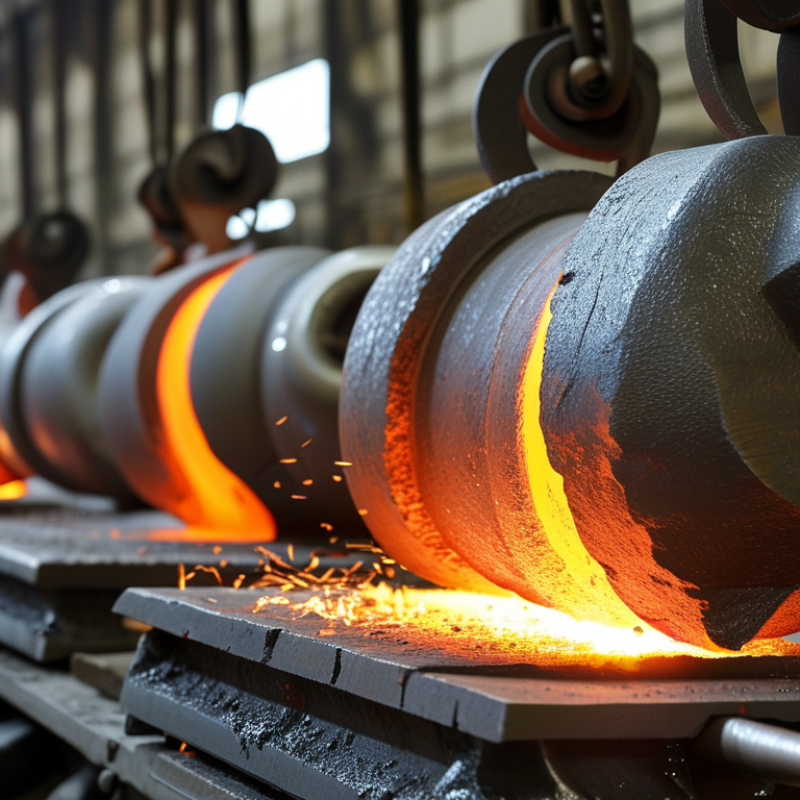
Casting metals play a crucial role in global sourcing strategies. Various industries need different metals for their specific applications. The most popular choices include aluminum, steel, iron, magnesium, and zinc. Each metal offers unique properties that cater to diverse requirements. For instance, aluminum is lightweight yet strong, ideal for automotive parts. Iron, on the other hand, is often used for durable structures.
Understanding the characteristics of these metals is essential for buyers. Some metals resist corrosion well, while others are more malleable. This diversity makes sourcing a complex task. Buyers must not only consider the cost but also the metal's performance in real-world applications. They should analyze their needs deeply and question whether the selected metal meets those demands.
There are ongoing challenges in sourcing these materials. Fluctuating market prices and availability can hinder production. Additionally, differing regulations across countries impact sourcing decisions. Buyers must navigate this landscape carefully, ensuring reliable supply chains while also being adaptable to changes. Seeking expertise in material properties and market trends can significantly enhance sourcing strategies.
| Metal Type | Common Applications | Key Properties | Global Sourcing Regions |
|---|---|---|---|
| Aluminum | Automotive, Aerospace, Consumer Goods | Lightweight, Corrosion Resistant | North America, Asia, Europe |
| Steel | Structural Components, Machinery | High Strength, Ductility | Asia, Europe, North America |
| Iron | Heavy Machinery, Infrastructure | Durability, Wear Resistance | Asia, Europe, North America |
| Copper | Electrical Components, Plumbing | Excellent Conductivity, Malleability | South America, North America, Europe |
| Zinc | Coatings, Die Casting | Corrosion Resistance, Low Melting Point | Asia, Europe, North America |
| Nickel | Alloys, Batteries | Strength, Corrosion Resistance | Asia, North America, Europe |
| Titanium | Aerospace, Medical Devices | Lightweight, High Strength-to-Weight Ratio | North America, Europe, Asia |
| Lead | Batteries, Radiation Shielding | Densely Packed, Malleable | North America, Europe, Asia |
| Magnesium | Automotive, Aerospace | Lightweight, Good Corrosion Resistance | Asia, North America, Europe |
: The most popular metals include aluminum, steel, iron, magnesium, and zinc. Each has unique properties.
Knowing how metals resist corrosion or their malleability helps buyers choose suitable materials for specific needs.
Fluctuating market prices and availability are major challenges, along with differing regulations in various countries.
Seeking expertise in material properties and market trends can improve decision-making and sourcing outcomes.
There's a shift towards sustainable materials. Aluminum and magnesium alloys are growing in usage due to their benefits.
Digital technologies like AI and machine learning help optimize supply chains, resulting in improved efficiency and reduced lead times.
Skilled labor is essential for successfully adopting advanced technologies, which many regions currently lack.
Relying on a single supplier can lead to issues during high demand. Diversification helps manage market volatility better.
Strong supplier partnerships provide valuable insights into market trends and can help stabilize pricing.
Metal prices can fluctuate significantly, impacting production costs. Buyers must remain adaptable and informed.
The article "Top 10 Casting Metals for Global Buyers Looking to Source" provides a comprehensive overview of the essential aspects of casting metals in the context of global sourcing. It examines the key properties that make certain casting metals popular among industrial applications, highlighting their unique characteristics such as strength, durability, and corrosion resistance. The top ten casting metals are presented, offering insights into their applications and benefits for manufacturers.
Additionally, the article discusses important considerations for sourcing casting metals, including cost, availability, and quality standards. It also addresses future trends in casting metallurgy, emphasizing the significant advancements and innovations expected to shape sourcing practices in the coming years. Overall, this guide serves as a valuable resource for buyers looking to make informed decisions in the casting metals market.

 Xinyunyang Precision