The global demand for die casting has surged, with the market expected to reach $26 billion by 2026. Die casters play a crucial role in various industries, including automotive and aerospace. China has emerged as a leading supplier due to its advanced technology and cost-effective manufacturing. Over 50% of die casting production now occurs in Asia, highlighting China's dominance in the sector.
Some notable Chinese die caster suppliers excel in quality and efficiency. However, it’s essential to scrutinize supplier capabilities and reliability. The pressure to meet international standards can lead to inconsistencies, prompting buyers to confirm certifications and production processes. Mistakes can result in costly setbacks and detrimental partnerships.
While China is a vital player, relying solely on one region could pose risks. Diversification in supplier sourcing is prudent. With its large production capacity, China remains a top choice for die casting professionals. However, understanding the landscape requires careful consideration and informed decision-making.
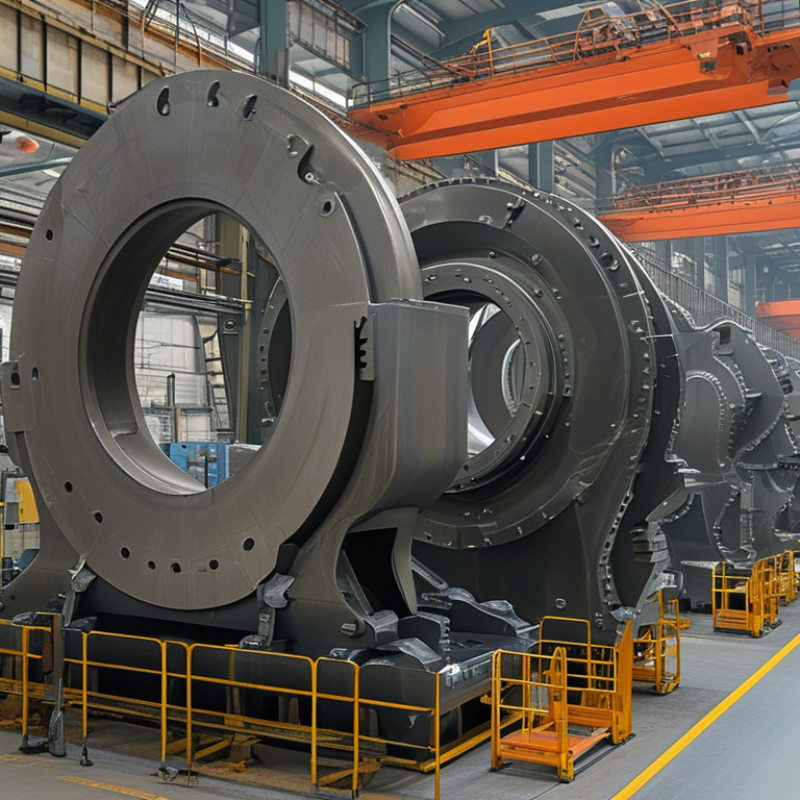
Die casting is a crucial manufacturing process in China. It involves forcing molten metal into molds. This method ensures high precision and efficiency in production. China's die casting industry has grown significantly over the years. Many factors contribute to this growth, like advanced technology and a skilled workforce.
The country is now a global leader in die casting. Numerous manufacturers offer various services. They cater to automotive, aerospace, and electronics industries, among others. However, the rise of competition can impact quality and production standards. Some suppliers focus on cost over quality. This trend raises concerns about product durability.
Sustainability is another challenge in the industry. While many companies strive for eco-friendly practices, not all succeed. The reliance on energy-intensive processes raises questions about their environmental footprint. Continuous improvement is necessary. The industry must adapt to market demands and environmental regulations. Balancing efficiency with sustainability will be crucial for future success in China’s die casting sector.
Selecting the right die caster supplier is crucial. Several criteria must be evaluated. First, expertise in the die casting process is essential. A supplier with years of experience typically understands the nuances better. Their knowledge can enhance the quality of the final product.
Quality control is another significant factor. Suppliers must have strict quality assurance measures in place. This helps prevent defects, ensuring that each part meets the required specifications. It’s also important to evaluate the range of materials they can work with. The ability to cast different alloys can provide flexibility for various projects.
Communication is equally vital. A responsive supplier fosters transparency throughout the procurement process. However, it’s essential to assess the accuracy of their information. Sometimes, suppliers may promise more than they can deliver. Establishing a solid relationship built on trust can mitigate these risks. In the end, thorough research and careful consideration are key to selecting a reliable supplier.
China is a leading hub for die casting suppliers that service the global market. The country contributes significantly to the global die casting industry, which was valued at over $70 billion in 2022, with projections indicating steady growth. The increasing demand for lightweight components in sectors like automotive and aerospace drives this trend.
Many suppliers in China specialize in aluminum and zinc die casting. They utilize advanced technology to achieve high precision and efficiency. For instance, top suppliers often employ cold chamber or hot chamber die casting processes, optimizing production capabilities. However, the varying levels of quality across suppliers can be a challenge. Understanding these nuances is essential for global procurement.
**Tips:** Research suppliers’ certifications and customer reviews. Quality control is paramount. Inspecting a supplier's facility, if possible, can reveal much about their production standards. Always consider long-term partnerships rather than one-off purchases. Suppliers who invest in technology often provide better reliability and innovation.
| Supplier Location | Annual Production Capacity (tons) | Key Industries Served | Main Materials Used | Certifications |
|---|---|---|---|---|
| Shenzhen | 2500 | Automotive, Electronics | Aluminum, Zinc | ISO 9001, TS16949 |
| Guangdong | 3000 | Consumer Goods, Aerospace | Aluminum, Magnesium | ISO 9001, AS9100 |
| Shanghai | 4000 | Home Appliances, Industrial Equipment | Zinc, Aluminum | ISO 9001, CE |
| Hangzhou | 1800 | Electronics, Telecommunication | Magnesium, Zinc | ISO 9001 |
| Ningbo | 2200 | Automotive, Industrial | Aluminum, Copper | TS16949, ISO 14001 |
Die casting has become a critical component in manufacturing across various industries, including automotive and aerospace. Companies increasingly seek reliable suppliers in China for cost-effective solutions. Recent reports indicate that the global die casting market is projected to reach $36 billion by 2027, highlighting the growing demand for quality components.
One pivotal strategy in global procurement is supplier evaluation. It is essential to assess a supplier's production capacity, quality control measures, and technical capabilities. A study by the International Journal of Advanced Manufacturing Technology indicates that over 30% of supply chain disruptions arise from selecting less reliable suppliers. Factors like geographic location and logistical efficiencies need to be carefully reviewed.
Effective communication is another crucial aspect. Procurement teams must ensure that suppliers understand technical specifications and quality standards. Regular audits and feedback mechanisms can enhance collaboration. However, navigating cultural and language barriers might pose challenges, potentially leading to misunderstandings. Procurement professionals must be aware of these pitfalls while striving for seamless operations in a competitive landscape.
China's die casting market is on the cusp of significant transformation. Recent studies indicate a growing demand for lightweight materials in various industries. Automakers are increasingly shifting towards aluminum die casting for their vehicles. This trend reflects a broader global push for sustainability and fuel efficiency. As electric vehicles gain popularity, the need for advanced die casting solutions becomes more crucial.
Simultaneously, technological advancements play a pivotal role in shaping this landscape. Innovations like 3D printing and automation are enhancing production efficiency. However, not all suppliers are adapting swiftly. Some still rely on traditional techniques, which may hinder competitiveness. Companies must invest in modern machinery and training programs to remain relevant. Additionally, labor shortages pose a challenge. This reality forces suppliers to rethink their workforce strategies.
Environmental regulations are tightening, compelling the industry to pivot towards greener practices. While the shift is necessary, many manufacturers struggle to comply with these new standards. Balancing profitability with sustainability requires strategic planning. As challenges arise, the path forward involves both adaptation and reflection on past methodologies. This dynamic environment presents opportunities for those willing to innovate.
: Die casting is a manufacturing process where molten metal is forced into molds.
It ensures high precision and efficiency. Advanced technology fuels its growth.
Competition impacts quality. Some suppliers prioritize cost over durability.
Not all companies follow eco-friendly practices. Energy-intensive processes raise concerns.
Expertise and experience in die casting processes are essential for quality products.
It prevents defects and ensures parts meet required specifications.
Responsive suppliers build transparency. Misleading promises can cause trust issues.
The ability to work with different alloys allows for project adaptability.
Supplier evaluation is vital for assessing reliability and production capacity.
Cultural and language barriers can lead to misunderstandings. Regular audits help mitigate this risk.
The die casting industry in China has emerged as a significant player in the global market, offering a wide range of high-quality products at competitive prices. When selecting top die caster suppliers, it is essential to consider factors such as production capabilities, technological expertise, quality assurance processes, and customer service. Leading suppliers in this sector are known for their innovation and ability to meet diverse client needs, making China a focal point for global procurement strategies in die casting.
Looking ahead, the future trends in China’s die casting market indicate a shift towards more sustainable practices and advanced manufacturing technologies, including automation and artificial intelligence. These developments will not only enhance efficiency but also position Chinese die casters to better serve international demand while adhering to evolving environmental standards. As companies seek reliable partnerships in die casting, understanding these dynamics will be crucial for successful procurement.

Xinyunyang Precision