Top 10 Microelectronic Packaging Solutions for Your Business?

Time:2026-08-16 Author:Sienna
0%

Microelectronic packaging plays a pivotal role in the electronics industry. As devices become smaller and more complex, effective packaging solutions are crucial. According to Dr. Emily Nguyen, an expert in microelectronic packaging, “Innovation in packaging shapes the future of technology.” Her statement emphasizes the ongoing evolution of this field.

In today's competitive landscape, businesses must adopt cutting-edge packaging solutions. These solutions not only protect microelectronic components but also enhance performance. For instance, advanced thermal management techniques are essential to prevent overheating in compact devices. Efficient packaging can lead to reduced costs and improved reliability, making it a key factor for success.

Despite the advancements, challenges persist. The complexity of materials and design processes can lead to increased risks. Companies often face hurdles in achieving a balance between performance and cost. Reflecting on these challenges is vital for continuous improvement. Understanding these dynamics can ultimately help businesses navigate the microelectronic packaging sector more effectively.
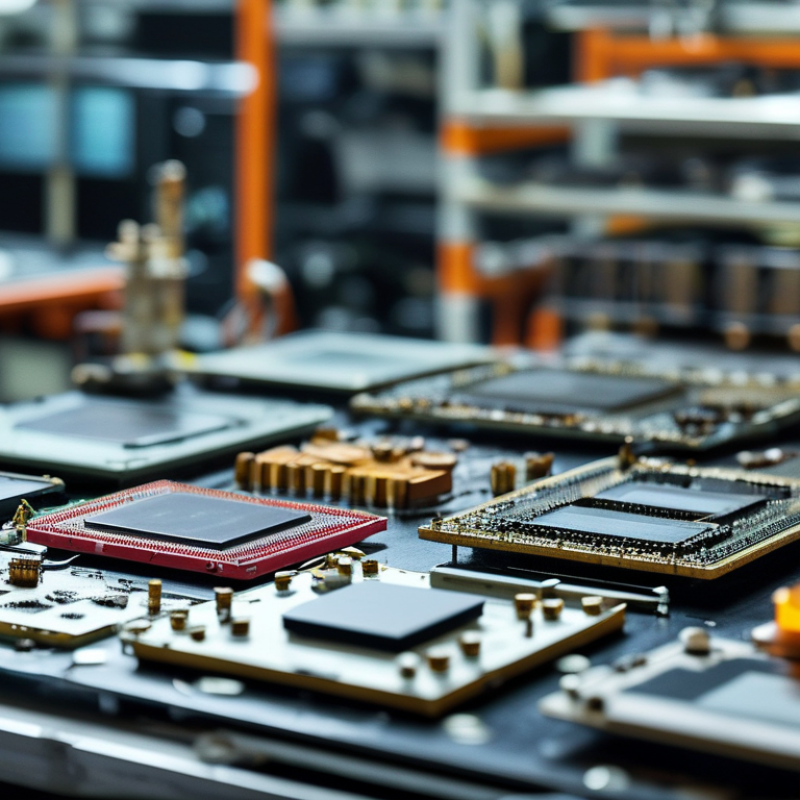
Top 10 Microelectronic Packaging Solutions for Your Business?

Top Trends in Microelectronic Packaging Technologies for 2023

In 2023, microelectronic packaging trends are evolving rapidly. According to industry reports, the market is projected to grow significantly, reaching $40 billion by the end of the year. Innovations in materials and design techniques are driving this growth. Companies are increasingly focusing on advanced packaging technologies, which enhance performance and reduce size.

One notable trend is the shift towards 3D packaging. This approach allows for stacked chips, optimizing space efficiency. Research indicates that this method can improve signal integrity and thermal management. However, challenges remain in ensuring reliability and yield during manufacturing processes. Proper thermomechanical analysis is essential to avoid failures.

Another critical trend is sustainable packaging. The push for eco-friendly materials is gaining momentum. Nearly 30% of companies are exploring bio-based alternatives. Yet, developing these materials to meet rigorous standards is complex and time-consuming. The industry must address these hurdles while committing to sustainability. Track and trace technologies are also on the rise, enhancing supply chain transparency. The ongoing evolution in microelectronic packaging reflects both opportunities and challenges.

Key Considerations for Selecting Microelectronic Packaging Solutions

When selecting microelectronic packaging solutions, several critical factors must be considered. One essential aspect is the thermal management capabilities of the packaging. Effective heat dissipation is crucial for maintaining performance and reliability. Poor thermal management can lead to device failures, affecting longevity. Engineers must evaluate materials with superior thermal conductivity to enhance performance.

Another important consideration is mechanical stress resistance. Microelectronic devices are often subjected to physical stress during operation and assembly. Choosing packaging that can withstand these stresses is vital. The materials need to provide durability without compromising weight. A balance between strength and lightness can be challenging to achieve.

Compatibility with manufacturing processes is also key. Different technologies require specific packaging solutions. Not all materials work seamlessly with advanced manufacturing techniques. Testing various options is necessary for optimum results. Limitations in some solutions may prompt the need for innovative adaptations. Each choice comes with risks and rewards, highlighting the complexity of the decision-making process in microelectronic packaging.

Impact of Miniaturization on Microelectronic Packaging Strategies

The trend of miniaturization is reshaping the microelectronic packaging landscape. As devices become smaller, the demand for innovative packaging solutions grows. According to recent reports, the global market for microelectronic packaging is expected to reach $42 billion by 2025, highlighting the importance of effective strategies.

One significant impact of miniaturization is the need for advanced materials that can handle increased thermal and electrical demands. Traditional packaging methods may not meet the performance requirements of smaller components. This has led to the development of novel materials such as organic substrates and advanced ceramics, which enable better performance in compact designs.

**Tip:** When choosing packaging solutions, consider thermal conductivity and mechanical stability. These factors play a crucial role in maintaining the reliability of miniaturized components.

Design complexity also increases with smaller sizes. Engineers face challenges in ensuring connectivity and functionality within limited space. The integration of 3D packaging techniques can help optimize space usage. However, these solutions may not always be cost-effective. Knowing when to invest in advanced packaging versus sticking with simpler methods is vital.

**Tip:** Regularly assess your packaging strategies against industry trends. Staying updated can prevent costly missteps.

Top 10 Microelectronic Packaging Solutions for Your Business

This bar chart illustrates the adoption rates of various microelectronic packaging solutions in the industry. With the impact of miniaturization, strategies such as 3D Packaging and Flip Chip lead the way in utilization, showcasing the trend toward smaller, more efficient designs.

Industry-Specific Applications of Microelectronic Packaging Solutions

Microelectronic packaging solutions have become crucial across various industries, particularly in electronics, automotive, and healthcare. Each sector faces unique challenges that specific packaging technologies can address. Electronics rely heavily on advanced materials for thermal management. Meanwhile, automotive applications demand robust packaging to withstand extreme conditions. Healthcare devices require sealed and biocompatible packaging.

Tips: Choose the right materials based on the end-use environment. Thermal conductivity is vital for electronics, while chemical resistance may be essential for medical devices.

The aerospace industry emphasizes lightweight packaging to enhance fuel efficiency. In contrast, consumer electronics prioritize miniaturization without sacrificing performance. Understanding these specifics allows businesses to tailor their approaches effectively. However, it’s vital to consider evolving regulations, which may impact packaging choices.

Tips: Stay updated on industry standards to ensure compliance. Non-compliance can lead to costly delays and redesigns. Balancing innovation with practical limitations remains a challenge. Regular assessment of packaging integrity can help identify potential improvements.

Top 10 Microelectronic Packaging Solutions for Your Business

Solution Application Material Thermal Performance Cost Efficiency
IC Package Consumer Electronics Epoxy Resin High Moderate
QFN Package Mobile Devices Copper Moderate High
BGA Package Computing Ceramic Very High Low
CSP Wearables Polymer High Moderate
Flip Chip High-Performance RF Silicon Extremely High High
HDI Board Telecommunications FR-4 Moderate Moderate
MEMS Packaging Automotive Sensors Glass High Low
Package on Package (PoP) Mobile Applications Silicon High Moderate
System in Package (SiP) IoT Devices Hybrid High Low
Multi-Chip Module (MCM) High-Power Applications Metal Very High High

Market Growth Projections for Microelectronic Packaging until 2025

The microelectronic packaging market is poised for significant growth. Projections indicate an annual growth rate of 7% from 2023 to 2025. The increasing demand for compact, efficient devices drives this momentum. Advanced packaging technologies play a vital role in meeting these needs.

Research from industry experts highlights that the market's value will reach approximately $40 billion by 2025. Key trends include the shift to 5G technology and the rise of electric vehicles, both creating a surge in demand for innovative packaging solutions. Emerging markets are also becoming crucial players, contributing to overall growth.

However, challenges exist. The complexity of designs can lead to longer development times. Quality control remains critical, as failures can be costly. The need for sustainable practices is another pressing concern. As the industry evolves, businesses must adapt to these trends and challenges to thrive in a competitive landscape.

FAQS

: What are the current trends in microelectronic packaging for 2023?

: Innovations in materials and design techniques are driving packaging trends. The market is set to grow to $40 billion.

Why is 3D packaging gaining popularity?

3D packaging optimizes space with stacked chips. It improves signal integrity but poses reliability challenges during manufacturing.

What is the significance of sustainable packaging?

Nearly 30% of companies are exploring eco-friendly materials. Developing bio-based alternatives is complex and time-consuming.

How does miniaturization affect microelectronic packaging strategies?

Miniaturization increases the need for advanced materials. Traditional methods often fail to meet the thermal and electrical demands.

What critical factors should be considered when selecting packaging solutions?

Thermal conductivity and mechanical stability are vital. These characteristics ensure reliability in miniaturized components.

How do industry-specific needs influence packaging solutions?

Each sector, like automotive or healthcare, has unique challenges. Tailored approaches are necessary for effective packaging solutions.

Why is regular assessment of packaging strategies important?

Regular evaluations help stay updated with industry trends. This can prevent costly missteps and ensure compliance with regulations.

What is the challenge of using advanced packaging techniques?

Advanced techniques may not always be cost-effective. Knowing when to invest or stick to simpler methods is crucial.

How can packaging choices impact supply chain transparency?

The rise of track and trace technologies enhances visibility. This trend reflects the need for improved supply chain management.

What should companies consider regarding evolving regulations?

Businesses must stay updated on regulations, as non-compliance can lead to delays and redesigns. Regular assessments help mitigate these risks.

Conclusion

The article "Top 10 Microelectronic Packaging Solutions for Your Business" explores significant trends and considerations in microelectronic packaging for 2023. It highlights the pivotal role of miniaturization in shaping packaging technologies, emphasizing that smaller and more efficient packaging solutions are essential for maintaining competitive advantage. Various industry-specific applications of microelectronic packaging are discussed, illustrating its versatility across different sectors.

Moreover, the article delves into key considerations for selecting the right microelectronic packaging solutions, such as cost, performance, and compatibility with existing systems. It concludes with insights on market growth projections, indicating a robust increase in demand for advanced microelectronic packaging solutions by 2025, driven by ongoing innovations and technological advancements.


Sienna

Sienna

Sienna is a skilled marketing professional with a deep expertise in our company’s core products and services. With a passion for innovation and detail, she plays a pivotal role in crafting insightful blog posts that not only highlight the unique features of our offerings but also provide valuable......