 Xinyunyang Precision
1 / 2
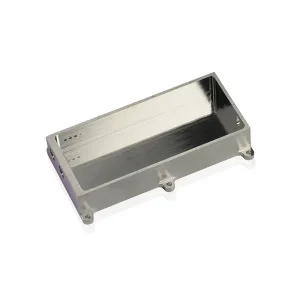
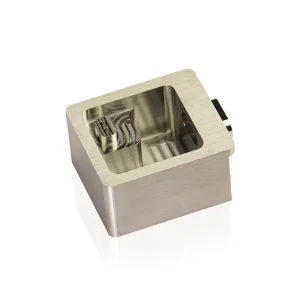
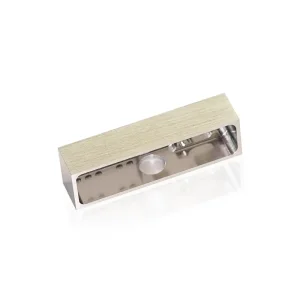
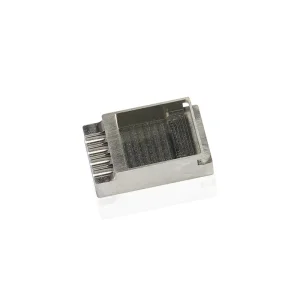
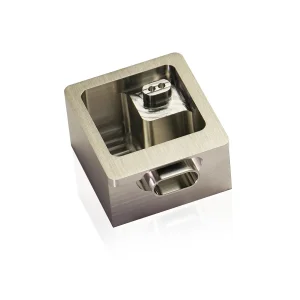
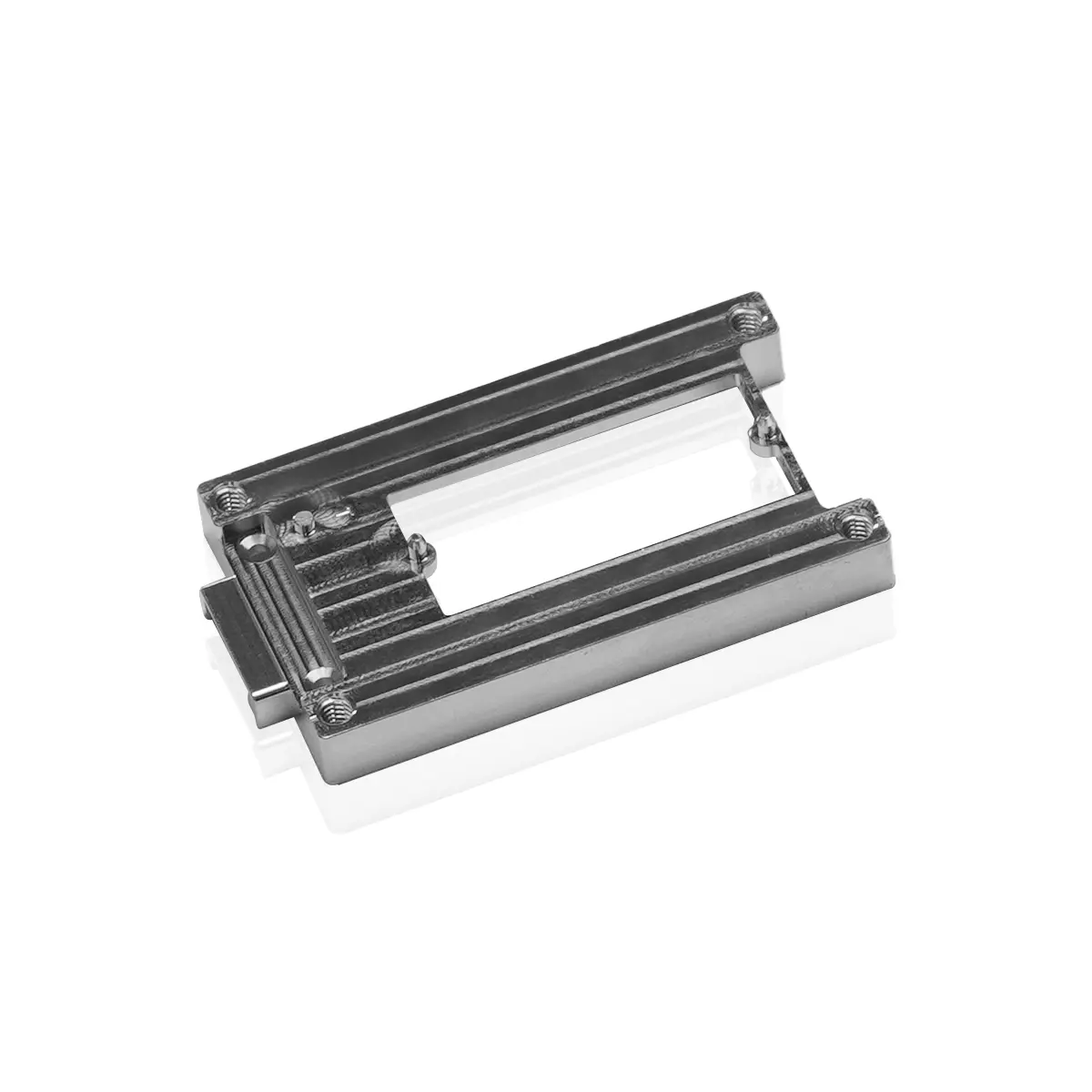
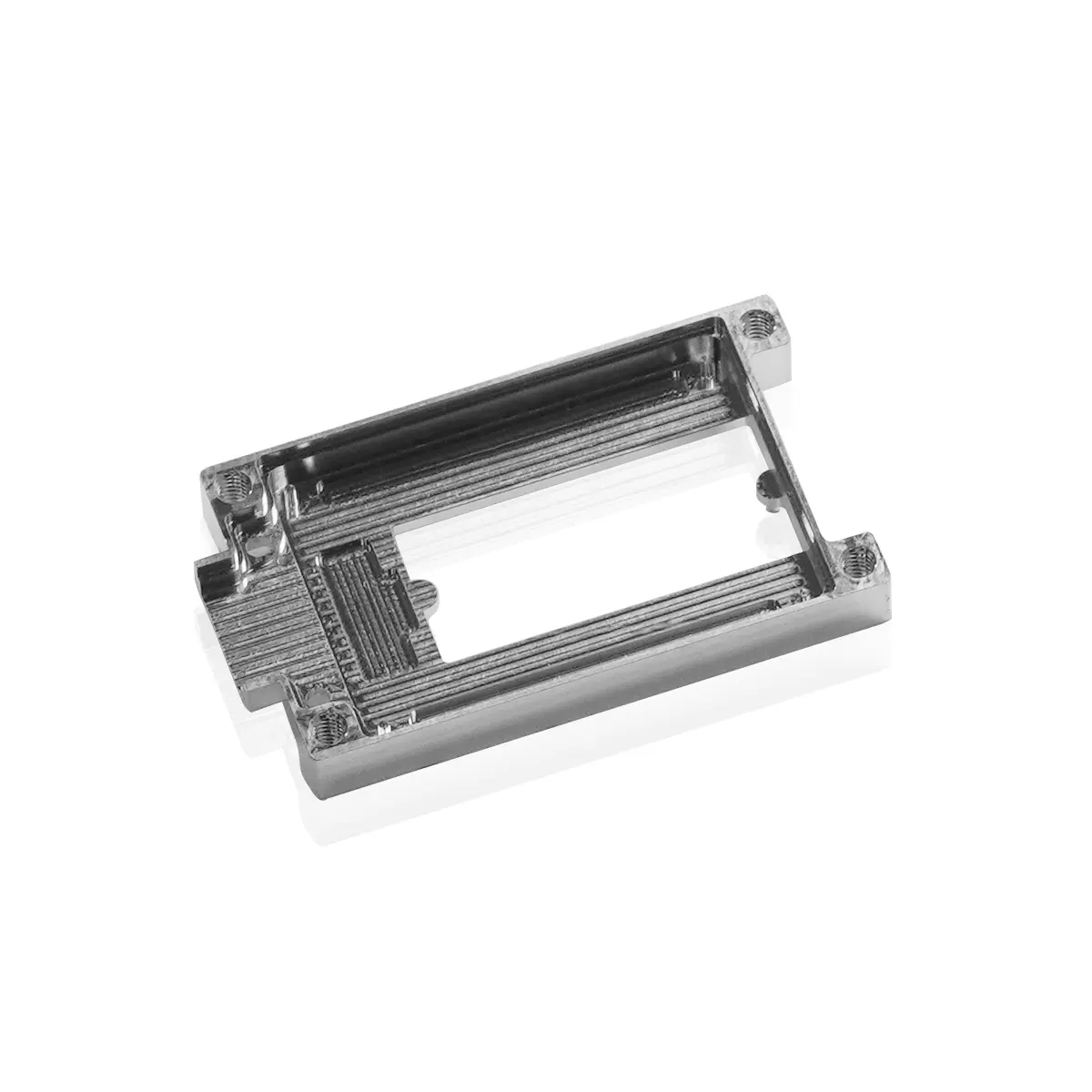
From the appearance, it presents a regular frame shape, with tough lines and high processing precision. The surface is smooth and flat after CNC fine milling and cutting, and the metallic luster is uniform, showing the precision texture of industrial manufacturing. Aluminum alloy is more common as it has the characteristics of low density, moderate strength, easy processing and corrosion resistance. It not only ensures that the structural parts have sufficient mechanical strength to support the internal components, but also controls the overall weight, and is suitable for application scenarios that require lightweight, such as the structural bracket inside electronic equipment, which can reduce the overall burden of the equipment.
Its frame-type structure is cleverly designed, and the hollow area in the middle can be used to accommodate other components, such as electronic components, cables, etc., to achieve reasonable use of space and integrated layout. The surrounding frames and connection parts are processed by CNC to produce precise installation holes, slots and other structures. The dimensional tolerances of these holes and slots are extremely small, which can ensure precise adaptation with other parts (such as screws, circuit boards, housings, etc.), achieve stable assembly, and make the structure of the entire device or mechanical system more compact and reliable. In electronic devices, it may be used as part of the heat dissipation module. The frame structure facilitates air circulation and assists heat dissipation. It can also be used as the internal support frame of precision instruments to provide a stable installation reference for optical components, sensors, etc., to ensure the accuracy of the equipment during operation.
CNC processing gives it extremely high precision and consistency. The CNC program controls the tool to cut accurately, which can accurately present complex structural features (such as fine grooves and high-precision holes). The size and shape deviations of each structural part of the same specification are within a very small range, meeting the needs of mass production and stable quality. This is particularly critical for industrial production. Whether it is large-scale assembly on the assembly line or high-end equipment manufacturing with strict requirements on product consistency, the CNC machined parts can be adapted to reduce assembly problems and performance fluctuations caused by part differences, and improve the overall quality and reliability of the product.
In the field of electronic communications, it can be used inside 5G base station equipment, high-end routers, etc. as a bearing bracket for circuit boards to ensure stable signal transmission; in the manufacture of precision instruments, such as medical testing equipment and optical mapping instruments, it provides a stable installation environment for core components to assist in accurate detection and measurement; in high-end consumer electronics, such as laptops and drones, its lightweight and high-precision characteristics can meet the product's pursuit of exquisite appearance and stable performance, and become a part of enhancing product competitiveness. With the development of industries such as intelligent manufacturing and the Internet of Things, the demand for such precision CNC structural parts will continue to grow. It will also provide support for the development of miniaturization and high precision of equipment in more emerging fields with its own advantages.