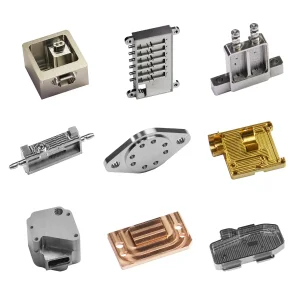
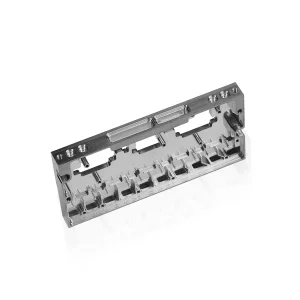
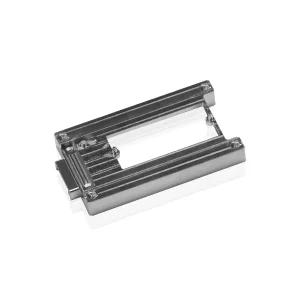
Hai Phong, the coastal industrial powerhouse of Northern Vietnam, has rapidly transitioned from a traditional maritime port city into a world-class cluster for electronics, automotive assemblies, and high-performance semiconductor components. Driven by massive capital inflows in areas like the DEEP C Industrial Zones, VSIP Hai Phong, and close integration with maritime trade networks, global Tier-1 EMS (Electronic Manufacturing Services) and ODM giants are scaling up operations locally.
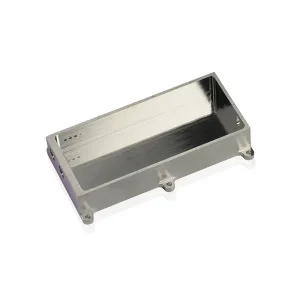
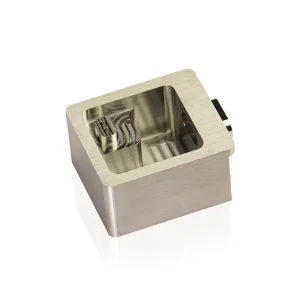
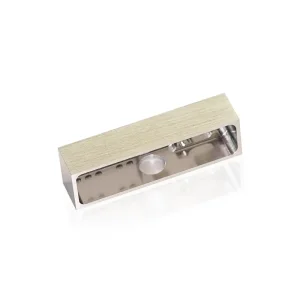
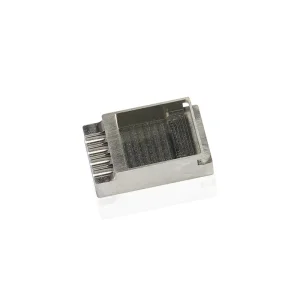
As microelectronics assemblies become more compact and operate under harsher thermal profiles—ranging from smart automotive systems to optical transceivers—the demand for highly reliable structural packaging has surged. In this high-stakes ecosystem, Kovar (4J29) Package Shells serve as a foundational technology. Kovar, a controlled-expansion Fe-Ni-Co alloy, is uniquely designed to match the Coefficient of Thermal Expansion (CTE) of borosilicate glass and ceramic materials. This compatibility prevents micro-cracks and structural seal failure during thermal cycling, ensuring absolute hermetic integrity for sensitive electronic assemblies.
With direct access to the Lach Huyen Deep Sea Port, factories in Hai Phong benefit from streamlined import of raw, high-purity Kovar stocks and efficient export of precision-finished packaging shells directly to global microelectronics integration hubs.
Operating near production lines in VSIP and Trang Due industrial parks requires just-in-time (JIT) tooling, rigorous local quality documentation, and quick-turn prototyping to keep pace with modern product lifecycles.
The core utility of 4J29 Kovar (standardized under ASTM F15) lies in its thermal expansion curve, which closely tracks that of hard glasses (like Pyrex or Corning 7052) and alumina ceramics up to approximately 450°C. Standard alloys expand at rates that easily shatter delicate glass-to-metal interfaces under thermal fluctuation. Kovar prevents this through a highly calibrated formulation comprising 29% Nickel, 17% Cobalt, and the remaining balance as Iron.
| Alloy Grade | Nickel (Ni) % | Cobalt (Co) % | Iron (Fe) % | CTE (20-400°C) x10⁻⁶/°C | Primary Industry Application |
|---|---|---|---|---|---|
| Kovar / 4J29 | 29.0 | 17.0 | Balance | 4.9 - 5.3 | Hermetic glass-to-metal seals, RF/Optoelectronic housings |
| Alloy 42 | 42.0 | - | Balance | 5.3 - 5.8 | Lead frames, glass-to-metal seals for soft glasses |
| Invar 36 | 36.0 | - | Balance | 1.2 - 2.0 | High-stability optical framing, minimal expansion structures |
Machining Kovar (4J29) requires specialized techniques due to the alloy's high work-hardening rate and tendency to produce stringy, tough chips. At our manufacturing facility, we implement specific process controls to bypass these hurdles:
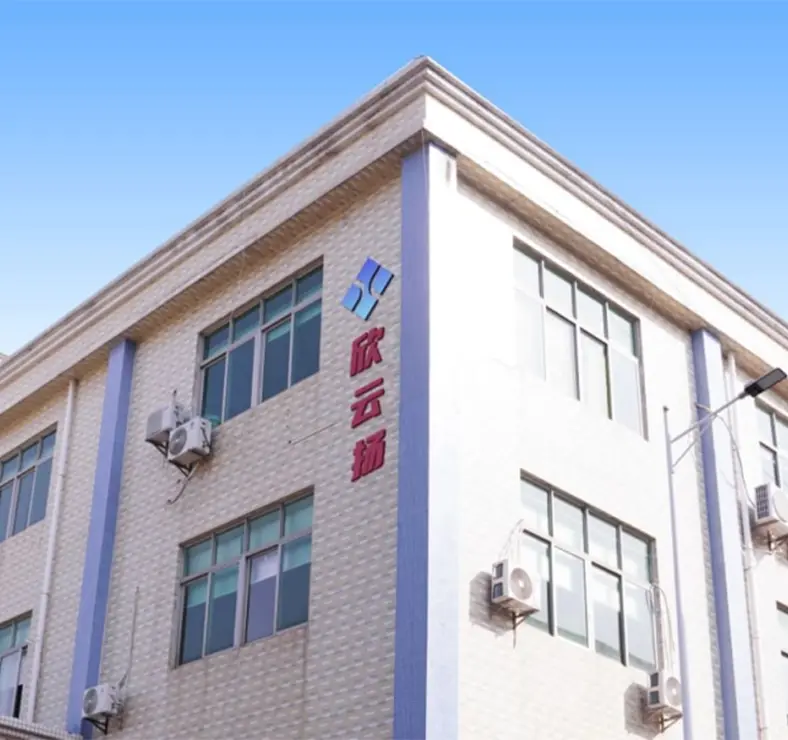
Xinyunyang Precision Technology Co., Ltd. is a leading precision manufacturing enterprise founded in November 2014. From our founding, we have adhered to our initial vision of industrial dedication, sticking to our core business principles of Integrity, Innovation, Cooperation, and Sharing.
We focus on Kovar precision processing technology as our core competitiveness. We deeply cultivate fields such as semiconductors, optical communications, aerospace, medical devices, new energy, and high-reliability aerospace defense systems. Our objective is to provide customized, highly reliable metal packaging solutions to global clients, establishing ourselves as a pivotal partner for high-tech clusters like those in Northern Vietnam.
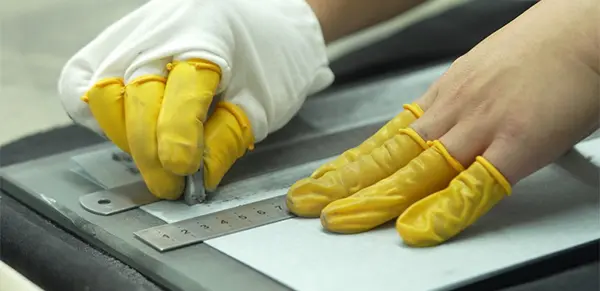
 High-precision processing capability
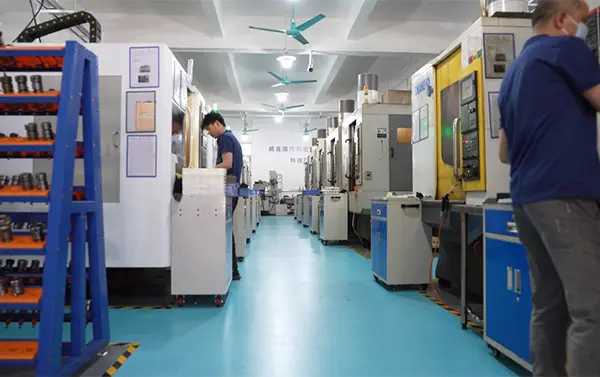
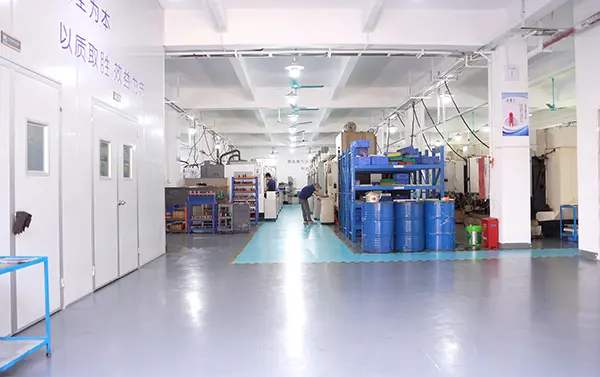
Advanced technology & equipment
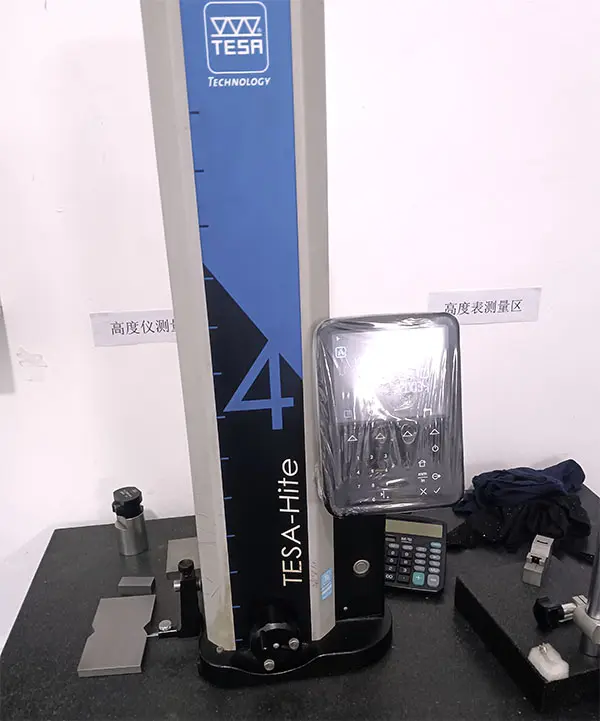
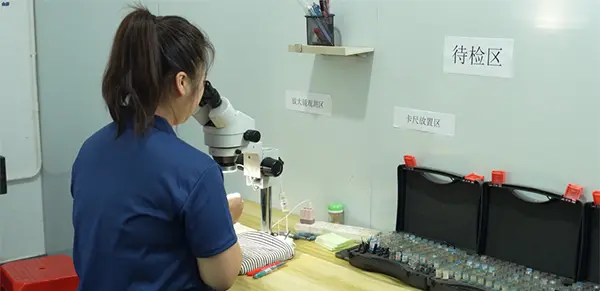
Strict quality control system
Flexible customized services
High-precision processing capability
Advanced technology & equipment
Strict quality control system
Flexible customized services
The company maintains a dedicated team of over 100 people, with technical and design engineers accounting for 30% of our workforce, ensuring highly technical feedback on client CAD designs.
Core members have been deeply engaged in precision metal processing for more than ten years, continuing to explore composite processing of special metals like Kovar and titanium alloys, positioning ourselves for cutting-edge 5G, AI, and optical transceiver packaging demands.
With an ISO 9001 certified quality management system and intelligent digital scheduling, Xinyunyang has optimized delivery cycles, shortening standard lead times by 15% to 20% to better serve fast-paced EMS companies in Vietnam.
Advanced sensor assemblies and optical transceivers require internal vacuums or dry nitrogen atmospheres to function reliably over decades. Any microscopic crack in the glass-to-metal seal leads to degradation. We utilize high-purity Kovar (4J29) coupled with advanced CNC processing to ensure raw material density remains uniform, preventing porosity. Our surface preparation protocols before sealing guarantee flawless molecular bonding.
Kovar is highly susceptible to corrosion under maritime environments, which is a major concern for coastal hubs like Hai Phong. To counter this, our shells are electroplated using proprietary multi-layer finishes (Nickel underplating followed by ultra-pure Gold plating per MIL-G-45204). This provides optimal corrosion resistance, excellent wire bonding capabilities, and ease of high-temperature brazing during assembly.
For factories located in Hai Phong Export Processing Zones (EPZs), procurement logistics can present a barrier. We facilitate smooth custom clearances by providing compliant, conflict-free ESG documentation, complete material test reports (MTRs), and certifications demonstrating strict compliance with European RoHS and REACH standards.
As the global telecommunication framework transitions toward 800G, 1.6T, and future 6G systems, optical transceivers demand unprecedented package density. Single-cavity packages are giving way to complex, multi-cavity hermetic architectures with high pin-out density. Our research and development focuses on the integration of co-fired ceramics (HTCC/LTCC) directly with 4J29 Kovar flange structures, allowing manufacturers in Vietnam to procure composite sub-assemblies that minimize downstream assembly steps.
Furthermore, in the automotive radar and ADAS sectors, the combination of high-vibration exposure and rapid thermal cycling requires thicker-walled, structurally reinforced Kovar packaging shells. We are actively refining our CNC toolpaths and automated optical inspection systems (AOI) to scale up high-volume output of these complex geometric configurations.
 Xinyunyang Precision