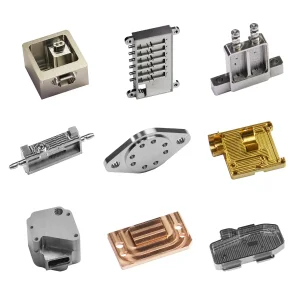
Explore our flagship high-performance solutions custom-machined for hermetic packaging, 5G RF telecommunications, and aerospace modules.
In the high-stakes sectors of aerospace, optoelectronics, semiconductor fabrication, and high-frequency communication, precision is not a luxury—it is a survival factor. Sourcing departments, design engineers, and systems integrators frequently struggle with communication gaps arising from inconsistent nomenclature. A consolidated "CNC Machine Parts Name PDF" serves as the critical linguistic and technical bridge, ensuring zero-defect alignment between blueprint concepts and finished mechanical realities.
As micro-miniaturization reshapes active systems, materials such as Kovar alloy (4J29), oxygen-free copper, and advanced titanium grades demand specialized machining parameters. Thermal expansion compatibility (CTE matching) has emerged as the definitive benchmark for components destined for harsh deep-space or high-frequency 5G transmission environments. Accurate classification facilitates faster procurement, reliable design documentation, and friction-free cross-border engineering collaboration.
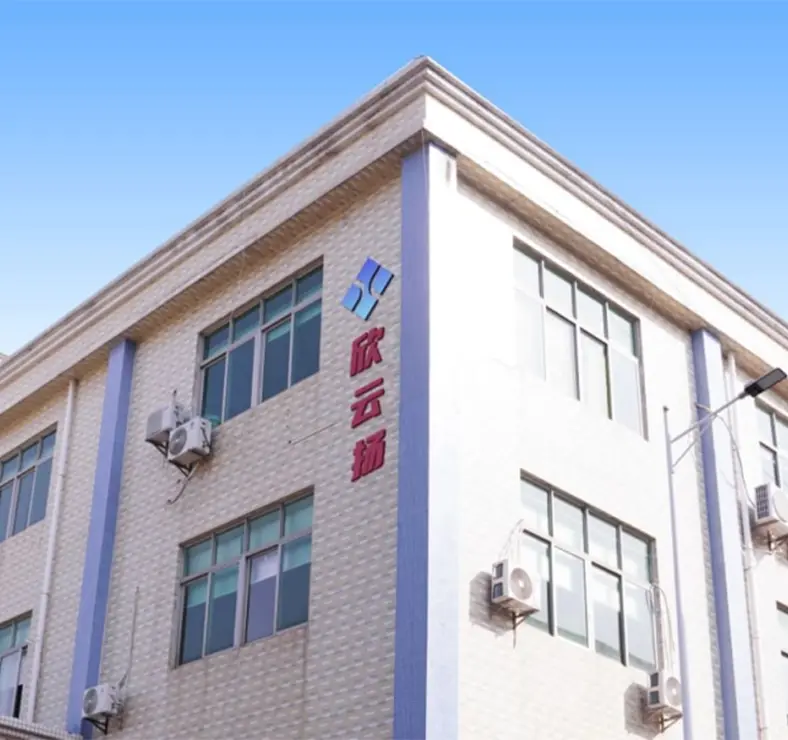
Founded in November 2014, Xinyunyang Precision Technology has established itself as an elite pioneer in CNC precision machining. From inception, the company has adhered to its core operational principles: Integrity, Innovation, Cooperation, and Sharing.
Xinyunyang focuses on Kovar precision processing technology as its core competitiveness. We deeply cultivate critical manufacturing fields, including semiconductors, optical communications, aerospace, medical devices, and high-reliability military applications, providing miniaturized, customized, and hermetic metal packaging solutions to global enterprises.
Our long-term trajectory is backed by a robust manufacturing foundation in China, scaling precision part capabilities to serve tier-1 global clients with the highest engineering rigor.
 High-precision sub-micron processing capability Advanced multi-axis technology and imported equipment ISO 9001 certified strict quality control and tracking Flexible high-mix, low-volume customized services
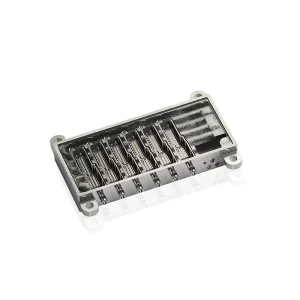
Enclosures and structural housings built to withstand high heat loads and maintain perfect hermetic seals.
Flight-grade brackets, sensor mounts, and high-strength alloys processed under rigorous traceability protocols.
Biocompatible housings and internal structures designed with ultra-smooth surface finishes (Ra < 0.3μm).
How Xinyunyang scales technological depth to optimize global industrial delivery metrics.
The company maintains a high-caliber professional team of over 100 specialists. Crucially, over 30% of this workforce consists of direct metallurgical and manufacturing design engineers with deep CAD/CAM backgrounds.
Core members possess over ten years of hand-on experience in precision metal processing. We specialize in special metals such as Kovar, Invar, titanium, and specialized alloys, paving the way for 5G, AI, and new energy needs.
Operating under a strict ISO 9001 quality management umbrella and a smart production scheduling system, regular orders benefit from a 15%-20% optimization in delivery turnaround compared to typical manufacturing plants.
An educational reference for procurement officers and structural engineers downloading our "CNC Parts PDF".
When engineering high-reliability systems, cataloging parts with standardized nomenclature is imperative. Below is the precise engineering dictionary of components commonly processed via multi-axis CNC milling and high-speed Swiss lathe turning.
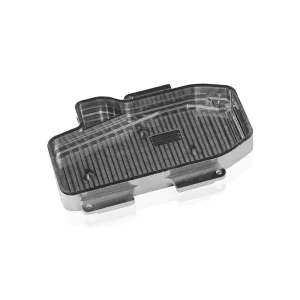
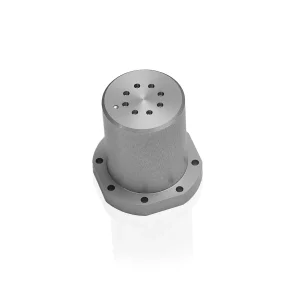
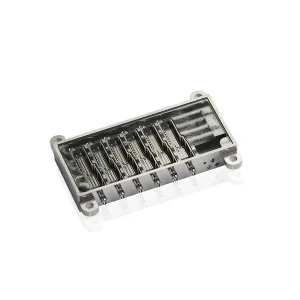
Critical shielding elements designed to encapsulate fragile high-frequency electronics. Built extensively using Kovar alloy to match the thermal expansion curve of borosilicate glass (dielectric packaging).
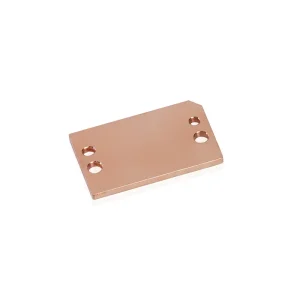
High-conductivity components typically machined from C10100 Oxygen-Free Copper. Utilized in high-current industrial connectors where minimal electric resistance is required.
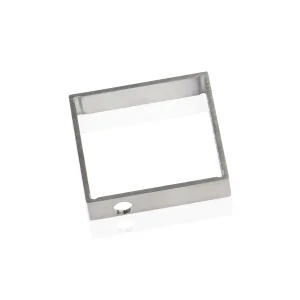
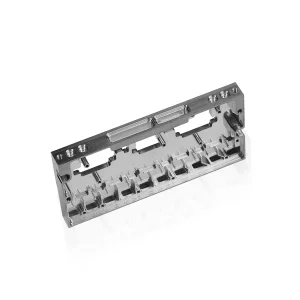
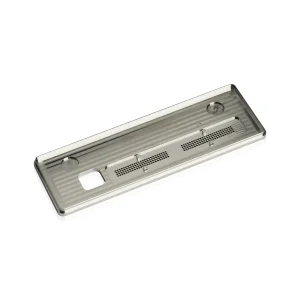
Frames featuring complex profiles, high aspect ratio rectangular holes, and sub-10 micron flatness. Popular in optical transmission modules and aviation tracking gear.
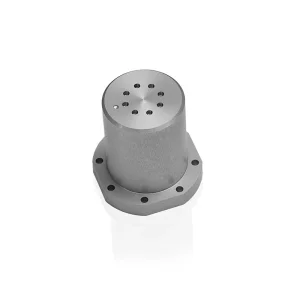
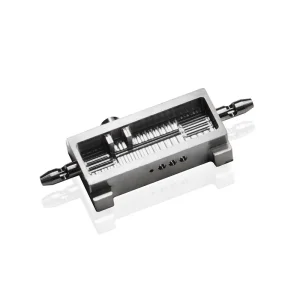
Rotating fluidic/pneumatic interfaces designed to maintain fluid pressure and alignment in rotating automated machinery. Require ultra-low dimensional tolerances to prevent leaks.
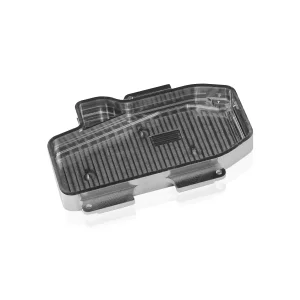
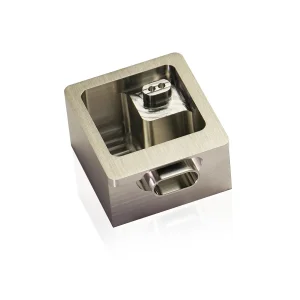
Protective structural sleeves for critical electronics and biological fluid filters. Often machined from marine-grade 316L stainless steel or pure titanium for corrosion immunity.
Providing mechanical docking surfaces for high-pressure vacuum systems and hermetic electrical transitions. Dry-machined Kovar options deliver Ra < 0.3μm for direct salt spray immunity.
Choosing the correct raw material directly dictates the component's performance threshold under thermal stress. The table below represents standard material constraints mapped directly to engineering intents:
| Material Name | Thermal Expansion (CTE) | Key Application Scenario | CNC Machining Challenge |
|---|---|---|---|
| Kovar Alloy (4J29) | 4.7±0.2×10⁻⁶/℃ | Hermetic Glass-to-Metal Seals (GTMS) | Gummy behavior, high tool wear |
| Oxygen-Free Copper | 16.5×10⁻⁶/℃ | Power connectors, heat sinks | Burr prevention, high thermal transfer |
| Titanium (Grade 5) | 8.6×10⁻⁶/℃ | Aerospace brackets, medical implants | Poor thermal dissipation, work hardening |
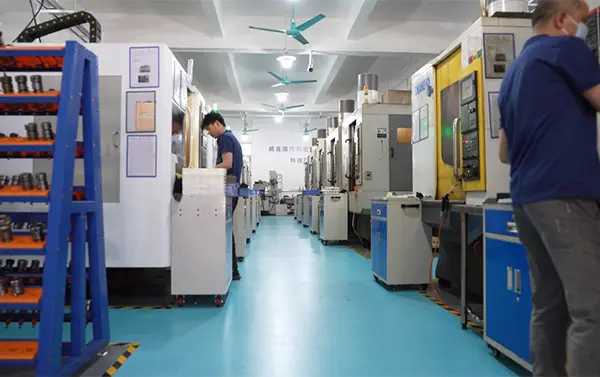
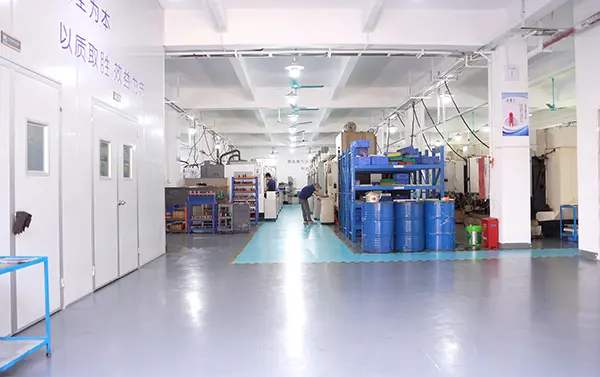
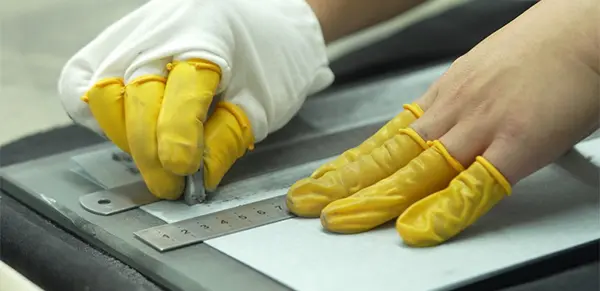
Behind our precision engineering lies a modern workshop floor utilizing premium CNC production centers.
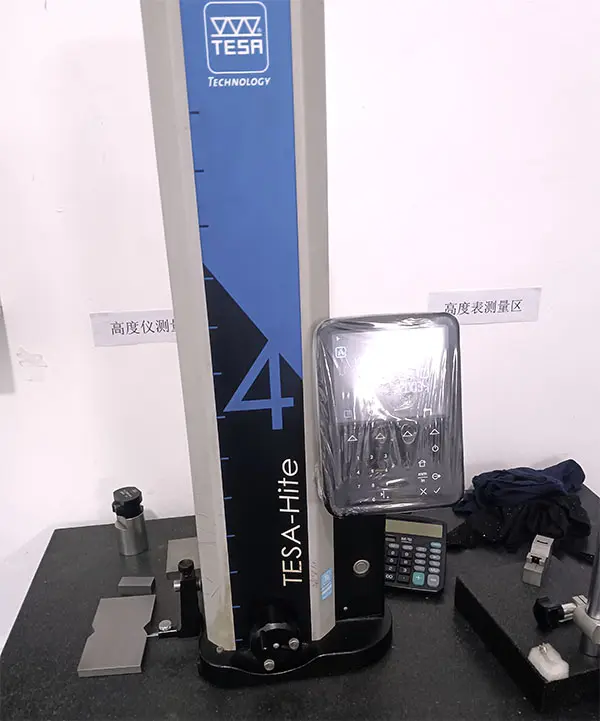
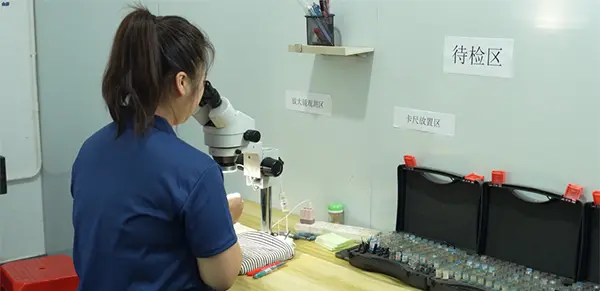
Accelerating product developmental cycles through specialized ecosystems and localized raw material hubs.
Outsourcing precision CNC machining to dedicated China-based facilities like Xinyunyang offers major cost advantages along with significant quality improvements and supply chain resilience. Key aspects driving this production efficiency include:
Key risk-mitigation vectors for sourcing high-reliability components.
Global procurement teams must look past the lowest unit cost to analyze the total cost of ownership (TCO). In optoelectronics and semiconductor modules, a single out-of-tolerance connector pin or leak in a hermetic enclosure can cause system-wide failures. Apply these critical verification steps when choosing your supplier:
Year of Establishment
Professional Staff
Dedicated R&D Engineers
Quality System Certified
Direct answers from our engineering desk regarding tolerances, Kovar properties, and procurement protocols.
Engineered for harsh environments, military applications, and high-conductivity connectivity.
 Xinyunyang Precision