 Xinyunyang Precision
1 / 1
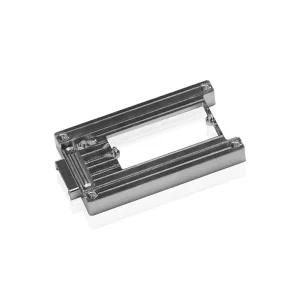
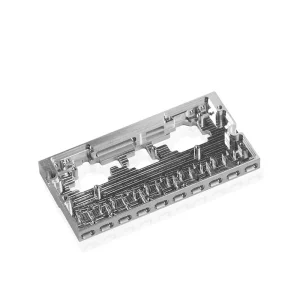
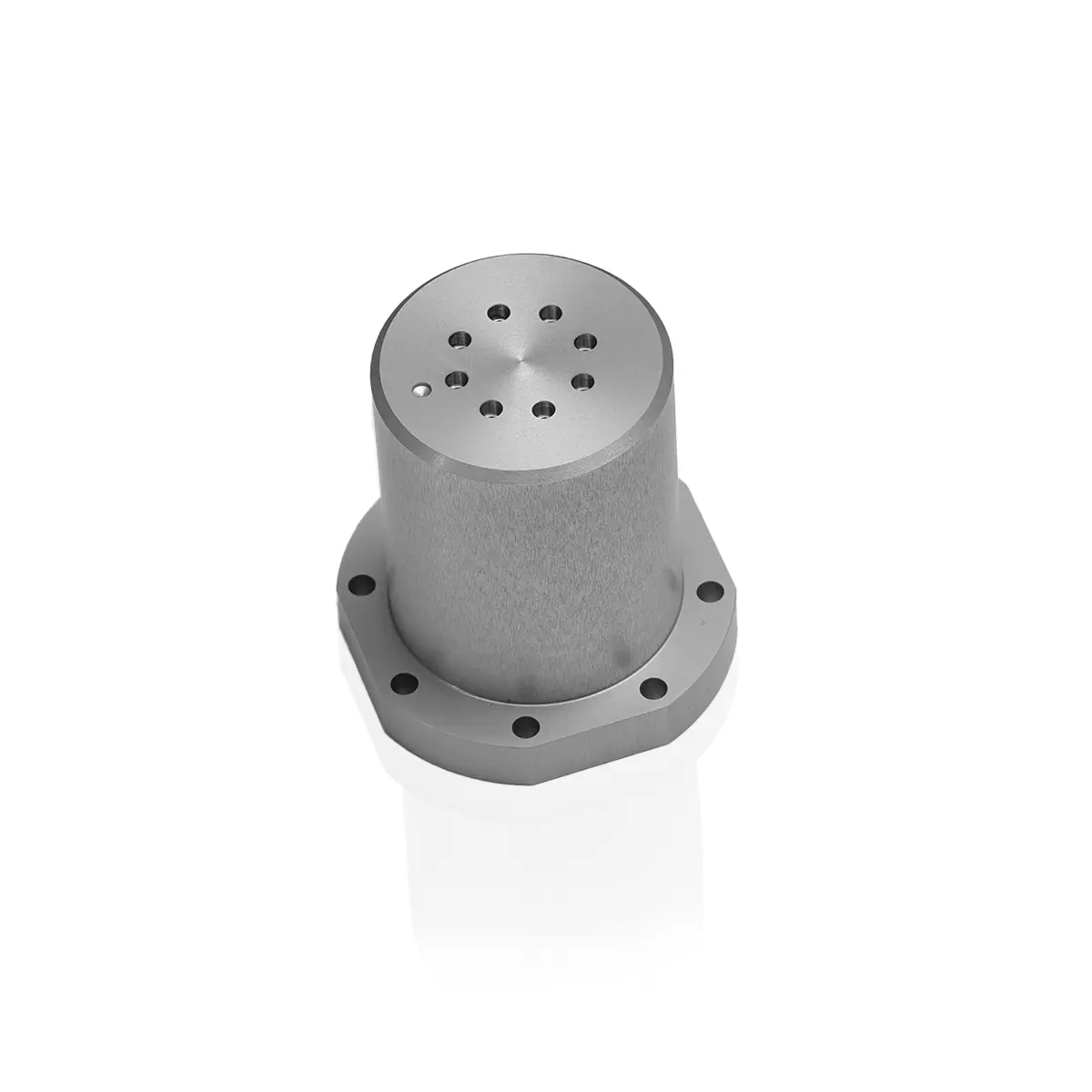
It is made of premium metal materials, most likely common industrial metals such as aluminum alloy or stainless steel. The metal material gives it good strength and rigidity, and can maintain structural stability under complex working conditions. The surface presents a fine processing texture, and it is speculated that it has undergone precision machining processes such as milling, drilling, and grinding. It has high dimensional accuracy and good adaptability of each part, which can ensure accurate installation during equipment assembly and ensure the stability of the overall operation of the equipment.
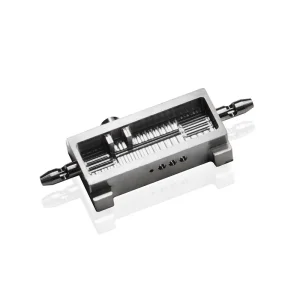
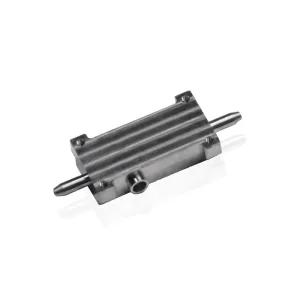
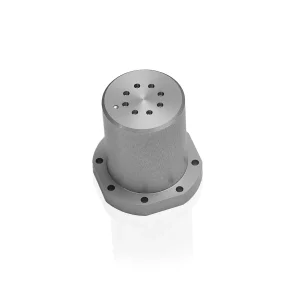
Main cylindrical part: The cylinder is the basic structure for core bearing and function realization. There are multiple small holes on the top. These small holes may be used for fluid passages (such as gas and liquid in and out), or they may be connection interfaces with other components, such as sensors and actuators.
Bottom flange: The evenly distributed mounting holes on the flange make it easy to use fasteners such as bolts to firmly assemble the component to the base, frame or other related structures of the equipment. The flange connection method is widely used in the industrial field and can provide reliable connection strength and sealing.
From the perspective of structure and design, it may be used in fluid control equipment (such as pumps and valve devices), as part of the valve body and pump body, to participate in the diversion and distribution of the medium; it may also be used in automation equipment and precision instruments as a connection or function execution component, such as in pneumatic and hydraulic systems, as a cylinder body and joint components; it may also be used in some high-end equipment manufacturing, such as small fluid control modules in the aerospace field, and precision support of optical equipment.
The durability brought by metal materials gives it a long service life and can withstand repeated mechanical stress. Precision processing ensures dimensional accuracy and form and position tolerances, which can effectively reduce the matching gap during equipment operation, reduce noise and loss caused by component shaking and misalignment, and improve the overall operating efficiency and stability of the equipment. The reasonable hole layout and structural design allow it to flexibly adapt to different functional requirements in the system.