 Xinyunyang Precision
1 / 2
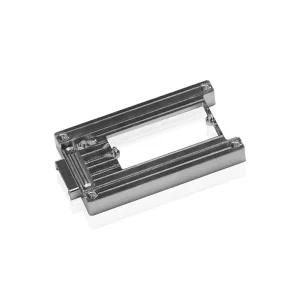
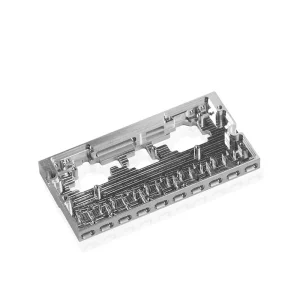
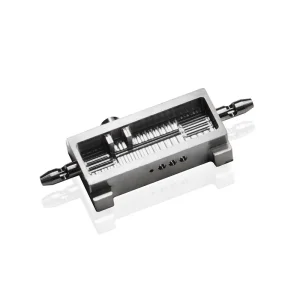
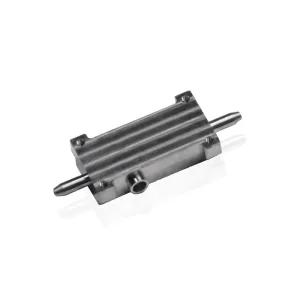
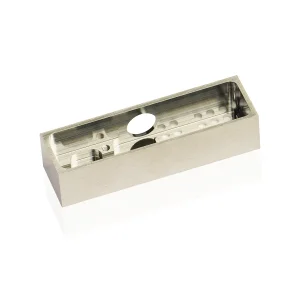
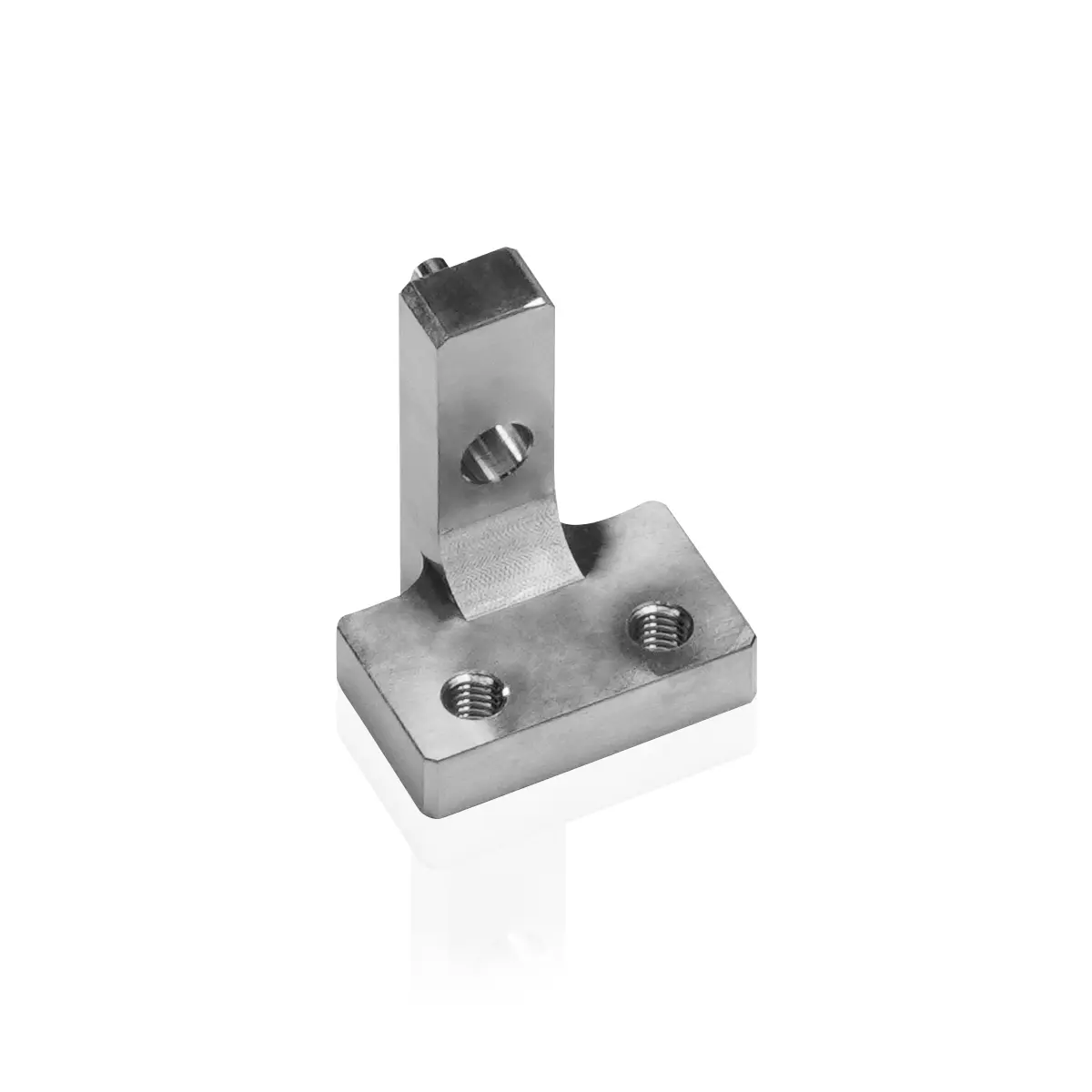
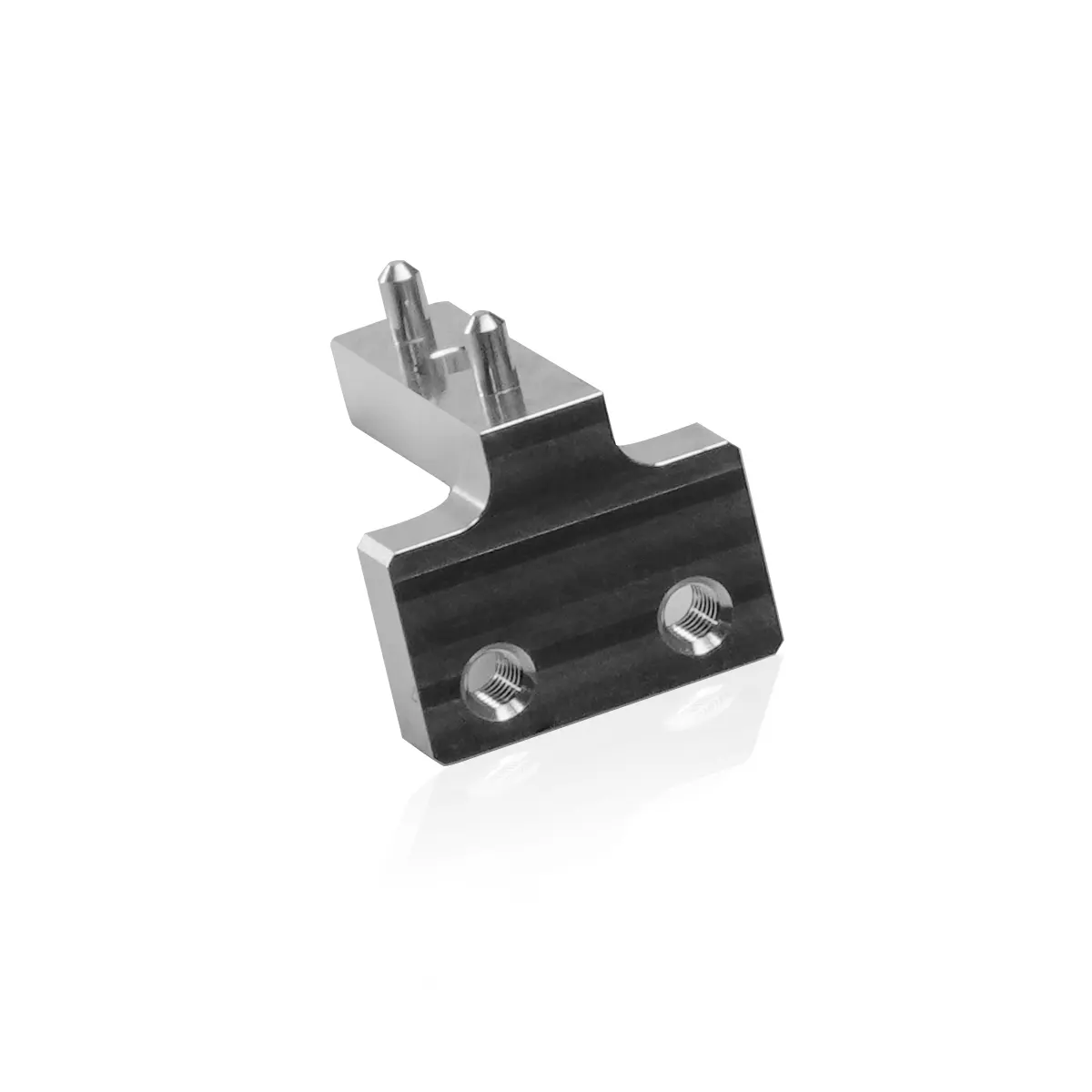
In terms of structural design, it consists of two parts perpendicular to each other, shaped like an "L". The bottom is a rectangular mounting base with two threaded holes on it. These threaded holes can be firmly connected to other equipment or basic platforms through bolts to ensure that the entire connector remains stable during use and withstands certain tension, pressure and shear forces. There is a round hole on the side of the vertical part, which may be used to penetrate pins, screws, etc. to achieve movable or fixed connections with other parts. The processing accuracy of the round hole affects the adaptability and smoothness of the connection, reflecting the fine requirements of industrial manufacturing.
From the perspective of functional application, it is widely used in machinery manufacturing, automation equipment, hardware assembly and other fields. For example, on the automated assembly line, it can be used as a bracket connector to fix the transmission track, guide device, etc. With its stable structure, it can ensure the relative position of each component during the operation of the equipment, and improve the stability and reliability of the production process; it can also play a role in the assembly of hardware furniture, such as some metal office desks, chairs, shelves, etc., using it to connect frame components to enhance the firmness of the structure. Compared with ordinary welding or riveting, this bolt connection method is more convenient for later maintenance and disassembly, and is convenient for product maintenance and component replacement.
In terms of material, if stainless steel is used, it has good corrosion resistance. In a humid environment with slight chemical corrosion, it can be used for a long time without rusting or deformation, extending the service life of the equipment and reducing maintenance costs. The strength characteristics of its metal material can ensure that when it is subjected to various forces generated by the operation of the equipment, the structure remains intact, and failures such as fracture and deformation will not easily occur, providing a basic guarantee for the safe and stable operation of the equipment.
In terms of processing technology, it can be inferred from the smoothness of the surface and the regularity of the holes that it has undergone multiple processes such as cutting, drilling, and grinding. Precise cutting ensures the dimensional accuracy of each part, allowing it to perfectly match the matching bolts, pins and other components; the position and diameter tolerance of the drilling holes are strictly controlled to ensure the accuracy of the connection; the grinding process improves the surface texture and reduces the potential safety hazards and wear on other components caused by sharp corners.
However, in actual use, it is also necessary to pay attention to selecting appropriate specifications and materials according to specific working conditions. Different application scenarios have different requirements for the load-bearing and environmental resistance of connectors. For example, in heavy-duty equipment, it is necessary to use thicker and stronger materials, or strengthen the structure; in occasions with special corrosive environments, special anti-corrosion treatment or higher-grade corrosion-resistant alloy materials may be used to ensure that its performance meets the needs of long-term stable use, and give full play to the key role of this metal connector in industrial assembly and equipment construction.