 Xinyunyang Precision
1 / 2
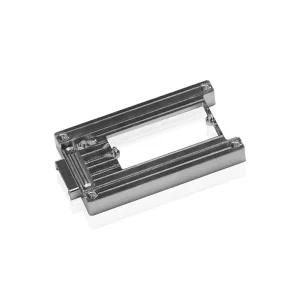
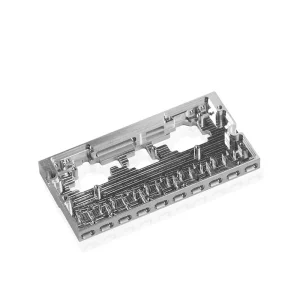
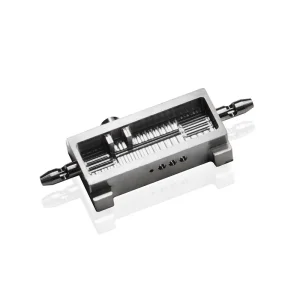
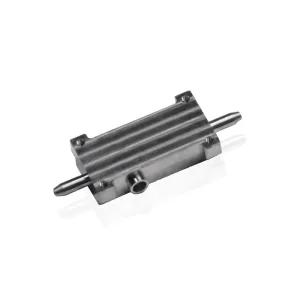
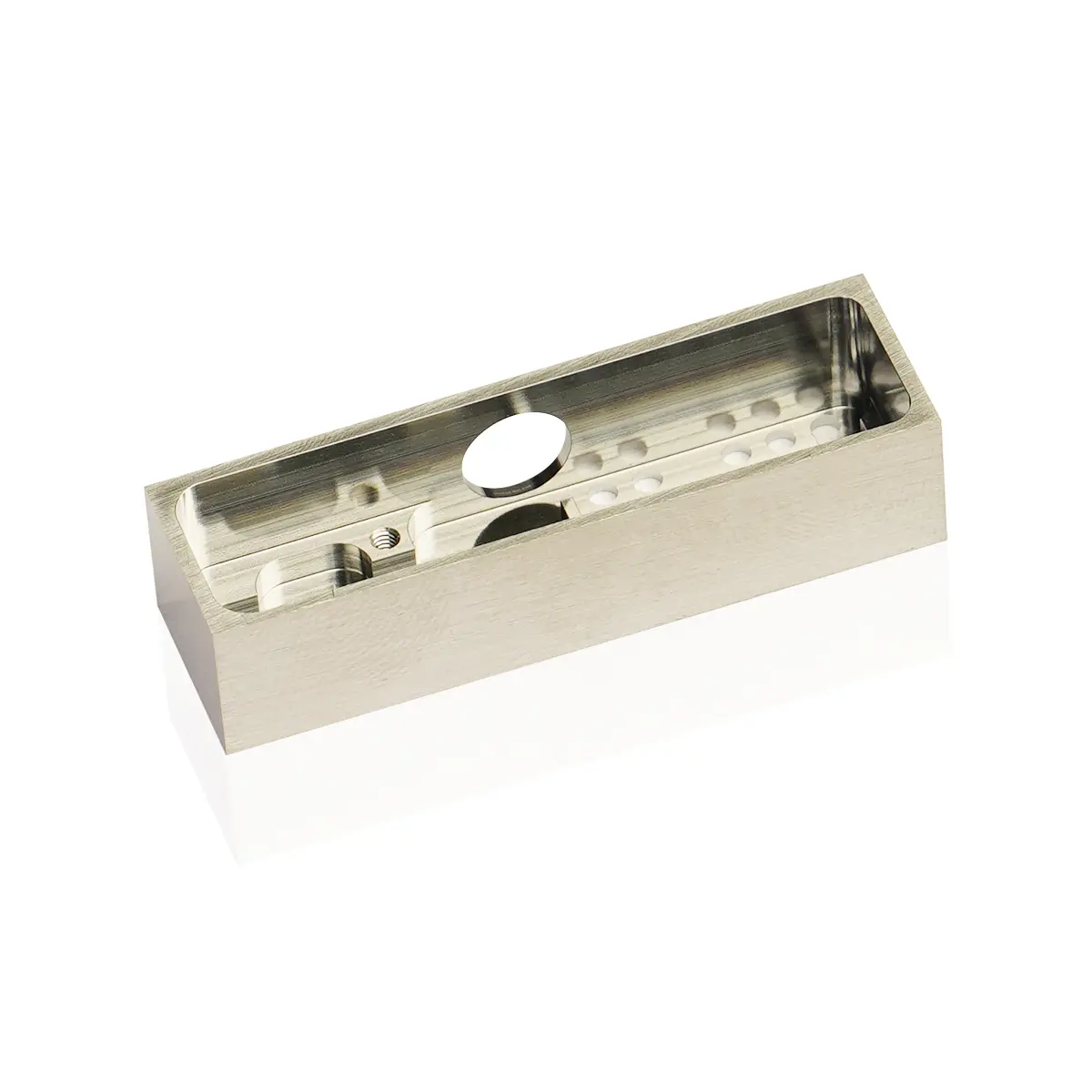
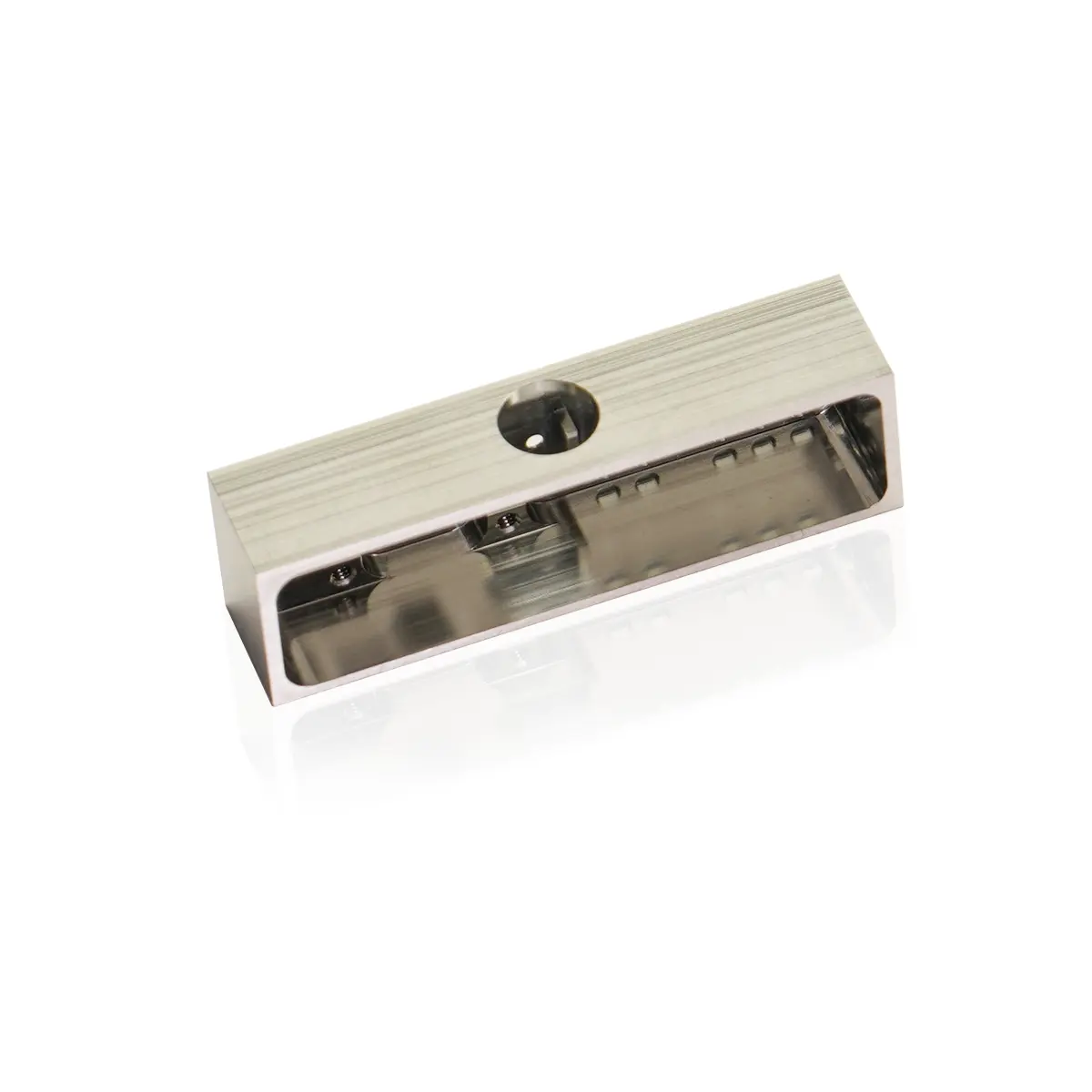
The working principle of precision metal molds is based on mold forming technology. In molding processes such as injection molding and die casting, it plays a key role in shaping the shape of the product. Taking injection molding as an example, plastic particles are heated to a molten state in the barrel, and then injected into the mold cavity at high pressure and high speed under the push of the screw. The shape of the mold cavity is consistent with the shape of the required plastic product. After the plastic melt is cooled and solidified in the cavity, the mold is opened to obtain a plastic product with the same shape as the cavity. In the die-casting process, liquid metal is pressed into the mold cavity under high pressure, cooled and solidified, and various metal parts are manufactured.
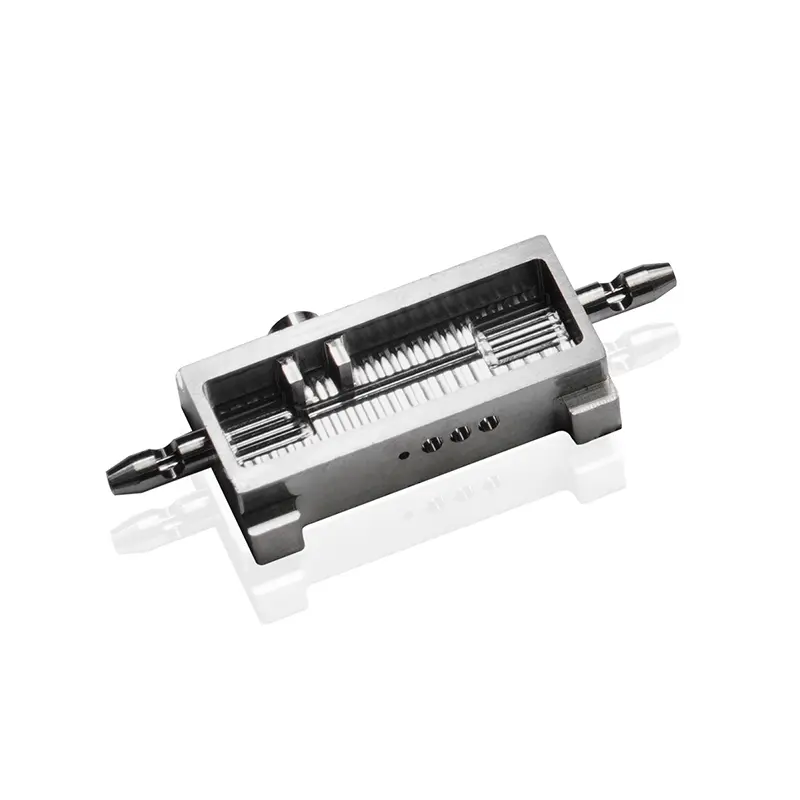
Its application field is extremely wide. In the automotive manufacturing industry, from large key components such as engine blocks and gearbox housings to various small interior parts and connectors, precision metal molds are indispensable.
In the manufacturing of electronic products, mobile phone shells, laptop shells and internal structural parts can be produced with high precision and high consistency through precision metal molds, meeting the increasingly thin and precise design requirements of electronic products.
In the aerospace field, precision metal molds are used to manufacture key components such as aircraft engine blades and fuselage structural parts. With their high-precision molding capabilities, they ensure the high performance and high reliability of aerospace components.
With the continuous advancement of science and technology, precision metal molds are also continuing to develop and innovate. On the one hand, the precision of molds is constantly improving, from the traditional tens of micron precision to sub-micron or even nanometer precision, to meet the needs of high-end manufacturing fields such as chip packaging molds.
On the other hand, the intelligent development trend of molds is obvious. By integrating sensors and control systems, the working status of molds can be monitored in real time, fault warning and adaptive adjustment can be achieved, and production efficiency and product quality stability can be improved. As a key basic process equipment for industrial manufacturing, precision metal molds are driving various industries to develop in the direction of higher quality and higher precision with their continuously improved technology and excellent performance.
A: The working principle relies on precision mold forming technology. In operations such as injection molding and die casting, heated molten raw materials (plastic or liquid metal) are injected into the custom-designed cavity at high pressure and speed. Once cooled and solidified, the mold opens to form highly identical and structural components.
A: They are widely applied across the automotive manufacturing sector (for engine blocks, housings, and interior connectors), electronic manufacturing (for laptop and mobile phone shells), and the aerospace field (for critical components like fuselage structures and engine blades).
A: Modern technological advancements have driven mold manufacturing tolerances down from standard tens of microns to sub-micron and even nanometer levels, easily meeting the strict requirements of high-end manufacturing like chip packaging.
A: Today's molds increasingly integrate sensors and intelligent control systems. This allows production facilities to monitor the working status of the molds in real time, enabling fault early warnings and adaptive adjustments for maximized production efficiency and quality.
A: As crucial basic process equipment in manufacturing, their high consistency and high-precision forming capabilities drive various industrial sectors to scale up in performance, reliability, and precision.