Home >
Connector >
Buy Precision metal frame components Supplier, Manufacturers
1 / 2
Buy Precision metal frame components Supplier, Manufacturers
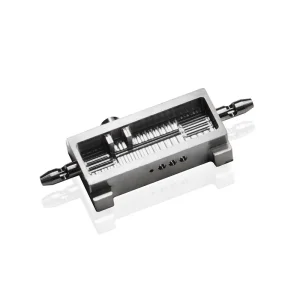
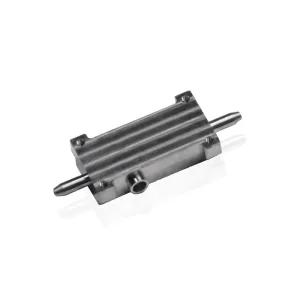
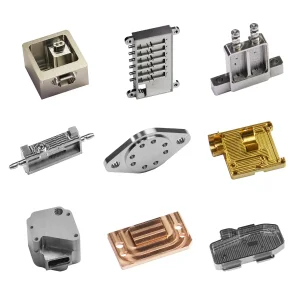
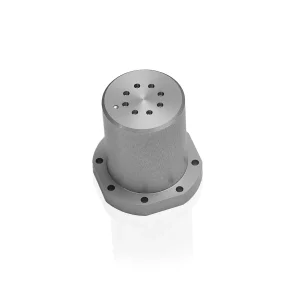
※ The manufacturing process of the metal shell plays a decisive role in its performance and quality.
※ In terms of material selection, aluminum alloy relies on its light weight and good heat dissipation characteristics, and stainless steel relies on its high strength and corrosion resistance.
※ Both have excellent processing performance and mechanical strength, which can fully meet the protection and structural requirements of the shell.Â
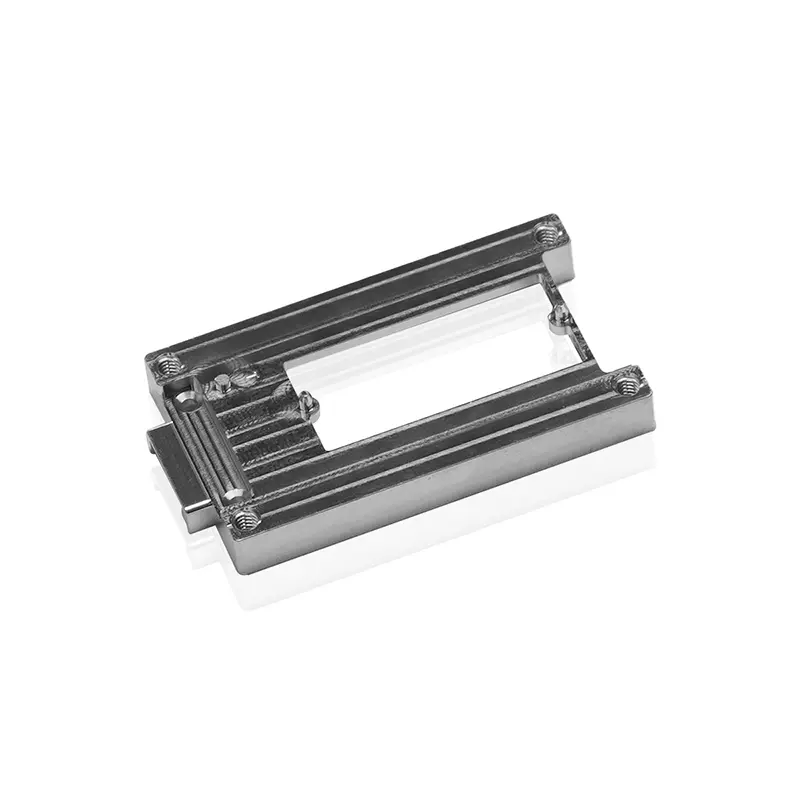
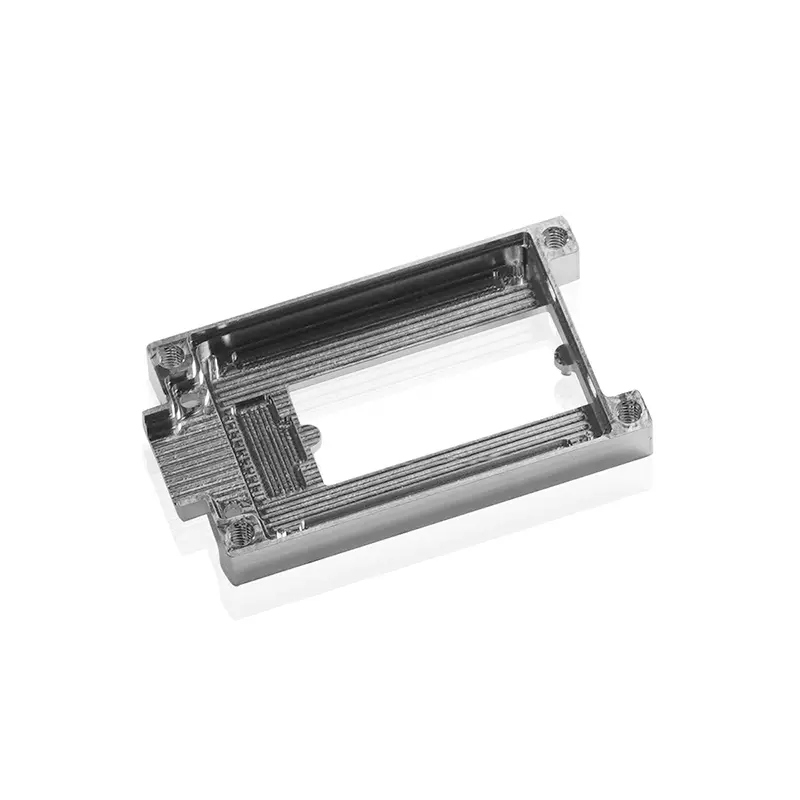
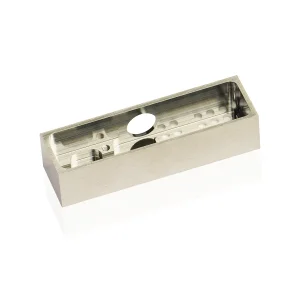
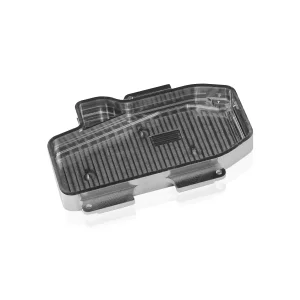
In the molding process, if it is a small batch production or the structure is more complex, CNC milling can accurately control the size to ensure the accuracy of the shell depth, side wall verticality and bottom protruding structure, and the processing surface quality is high, which is consistent with the smooth and reflective characteristics in the figure; if it is a large-scale production, precision stamping can be efficiently formed with the help of molds, and the structure can be refined later.
Product Features
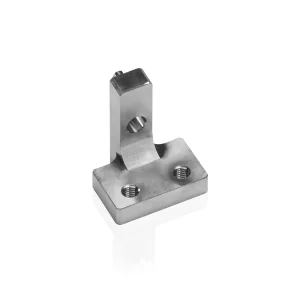
During the secondary processing, for the small holes and mounting structures on the shell, drilling, milling and other processes are used to ensure the accuracy of the hole position and the dimensional accuracy of the protruding structure, laying the foundation for subsequent assembly.
In the surface treatment process, polishing is first used to remove processing marks and improve the finish.
If it is an aluminum alloy, it is further anodized to enhance corrosion resistance and aesthetics; if it is stainless steel, brushing or mirror treatment is used to optimize the appearance texture.
Design
Engineered
Manufactured
Product Advantages
Finally, quality inspection is carried out to strictly check the dimensional accuracy (such as length, width, height, hole spacing), surface quality (whether there are scratches or defects) and overall structural integrity to ensure that it fully meets the design standards.
Systematic Production Workflow: Material Selection →
Molding (CNC Milling / Precision Stamping) →
Secondary Processing →
Surface Treatment →
Testing
Taking into account accuracy, performance, and appearance, each step is carefully controlled to ultimately create a high-quality and reliable product.
Frequently Asked Questions (FAQ)
1. How do you choose between CNC milling and precision stamping for metal shell molding?
For small batch production or complex structures, CNC milling is preferred to accurately control size and ensure high-quality surface finishes. For large-scale production, precision stamping is used alongside molds for efficient forming, with structures refined in later stages.
2. What measures ensure the accuracy of small holes and mounting structures?
During secondary processing, precise techniques such as specialized drilling and milling are utilized. This ensures precise hole positioning and dimensional accuracy for all protruding structures, securing a perfect foundation for subsequent assembly.
3. What types of surface treatments are available for aluminum and stainless steel?
First, polishing is applied to eliminate processing marks and improve overall finish. Aluminum alloys are then anodized to boost corrosion resistance and aesthetic value. Stainless steel components typically undergo brushing or mirror treatments to optimize visual texture.
4. What is included in the quality inspection process?
Our strict quality inspections verify dimensional accuracy (including length, width, height, and hole spacing), surface quality (checking for scratches or defects), and the overall structural integrity of the shell to ensure complete alignment with design standards.
5. What are the key stages of the systematic manufacturing process?
The complete workflow consists of five main stages: meticulous material selection, molding (either through CNC milling or precision stamping), precise secondary processing, advanced surface treatment, and rigorous quality testing.
 Xinyunyang Precision