 Xinyunyang Precision
1 / 2
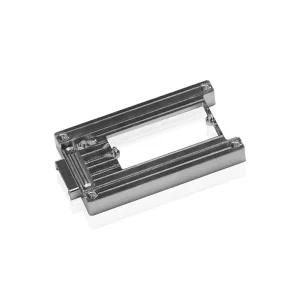
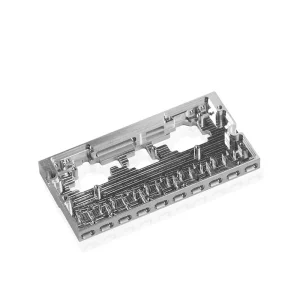
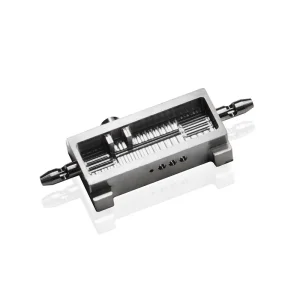
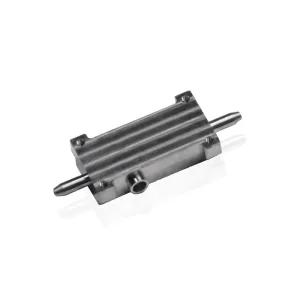
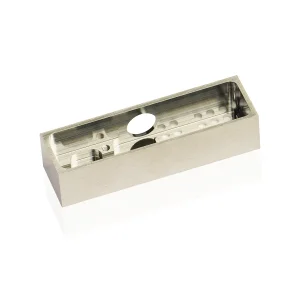
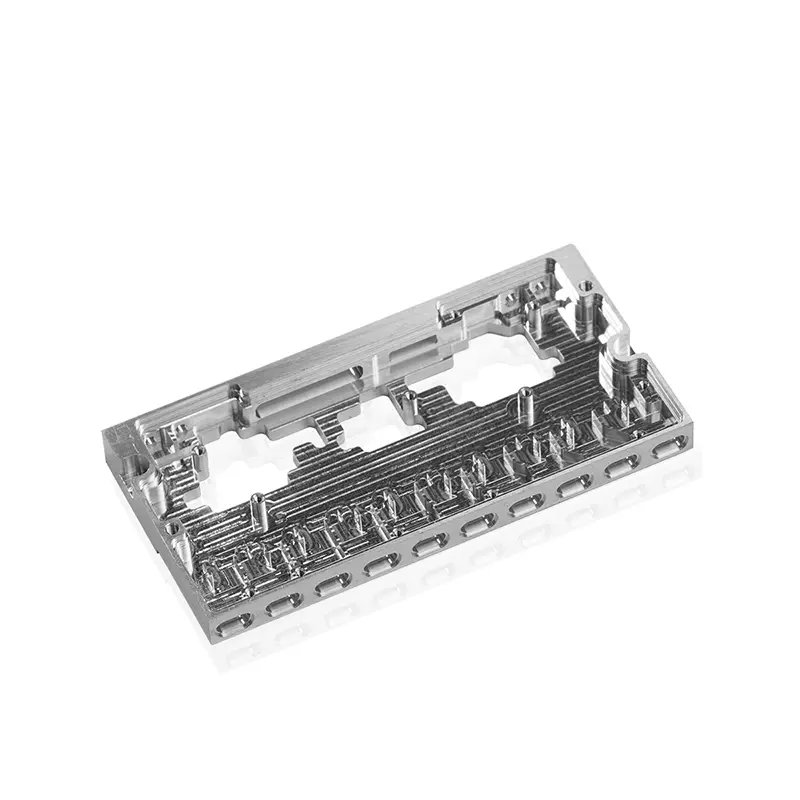
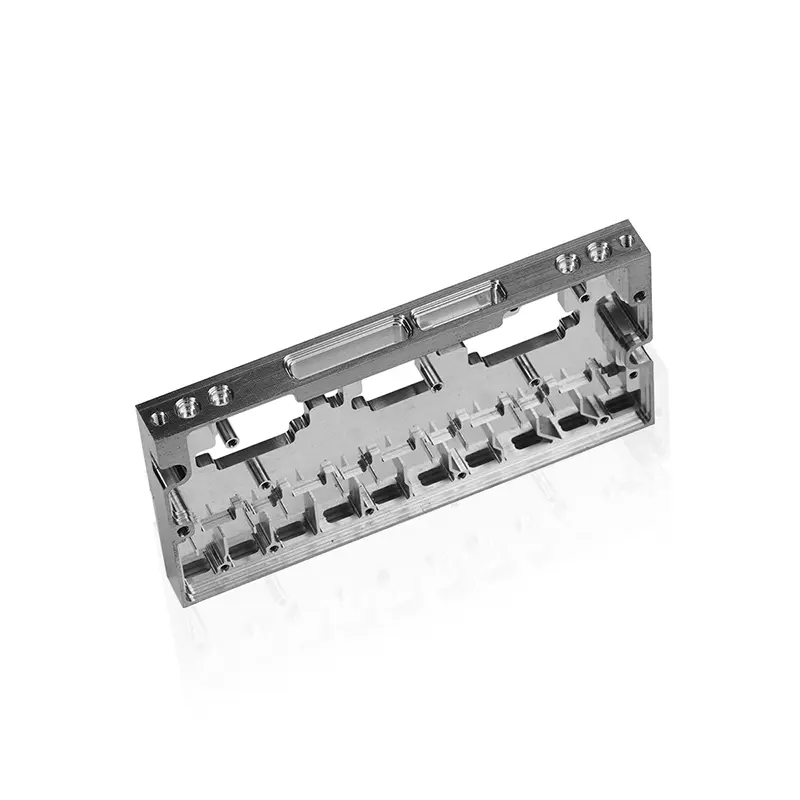
It is suitable for equipment housings or panels and plays a protective and supporting role. In terms of manufacturing technology, stamping can be used for mass production, and CNC milling is used for high-precision requirements. The holes are drilled and tapped to ensure the accuracy of the screws. The surface is brushed to enhance the beauty and scratch resistance, and polished to remove burrs. Finally, quality inspection is carried out to ensure that the size, surface and hole position meet the standards.
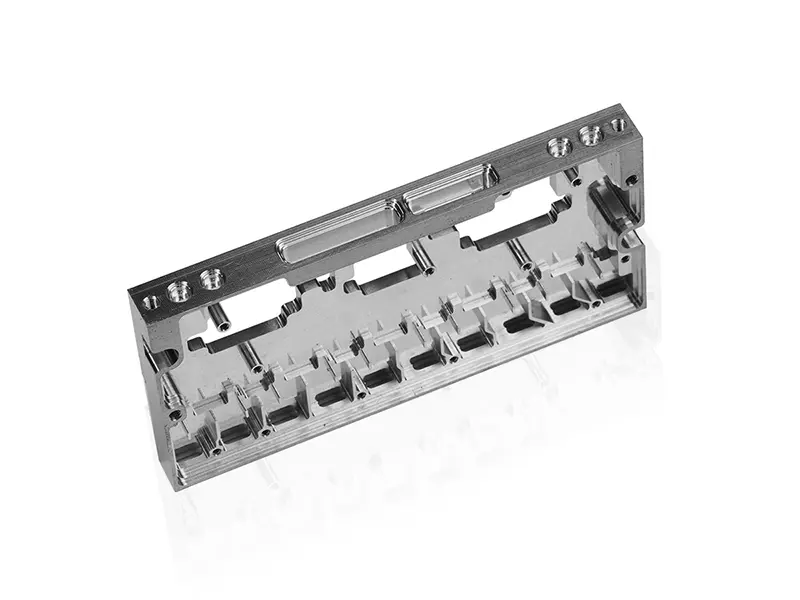
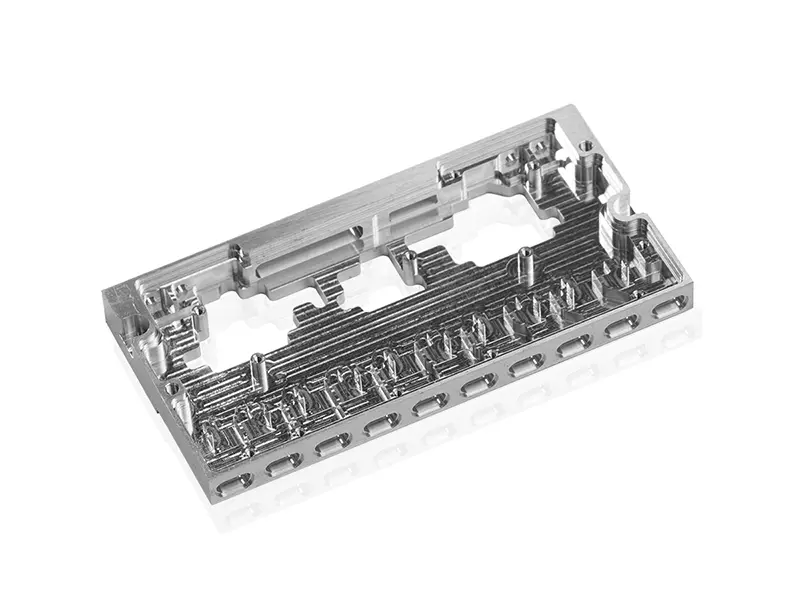
These advanced methods change the surface structure or form a protective coating film. Selected precisely according to material properties and specific working conditions, they effectively enhance the wear resistance of components, reflecting the refinement and diversity of modern industrial manufacturing.
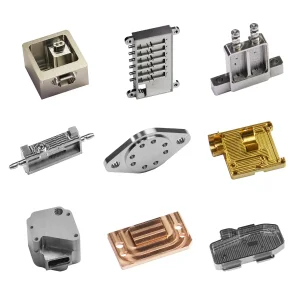
We utilize high-efficiency stamping for mass production and high-precision CNC milling for strict tolerance requirements. The process also includes precise drilling, tapping, brushing for scratch resistance, polishing for burr removal, and rigorous quality inspections.
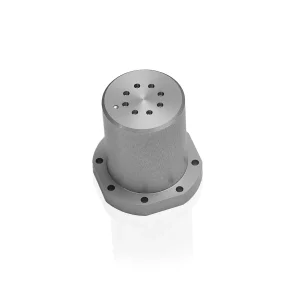
Wear resistance is enhanced through various advanced surface treatments, including surface quenching, chemical heat treatments (carburizing and nitriding), thermal spraying, vacuum plating, laser cladding, and PVD coatings.
Physical Vapor Deposition (PVD) coatings, such as chromium aluminum nitride, significantly improve the surface hardness and finish of the metal, reduce adhesion, and greatly prolong the overall service life of the components.
Cryogenic treatment is used to transform residual austenite into martensite. This refines the internal microstructure of the metal, resulting in significantly improved strength and wear resistance.
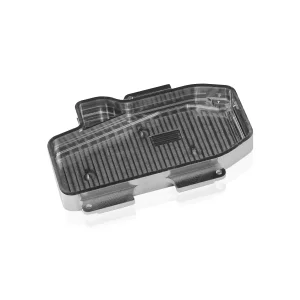
Every component undergoes a comprehensive quality inspection process. We strictly verify that the dimensions, surface finish, and hole positions align perfectly with the specified engineering standards.