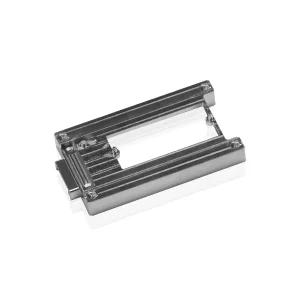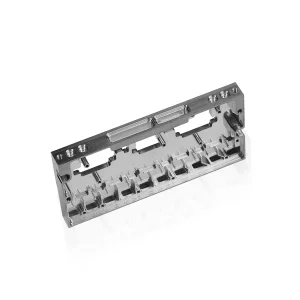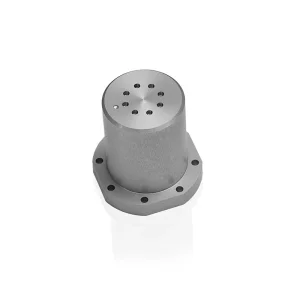
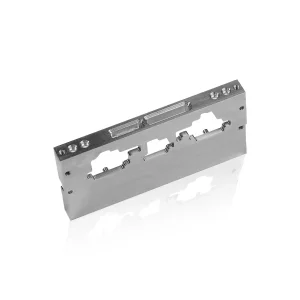
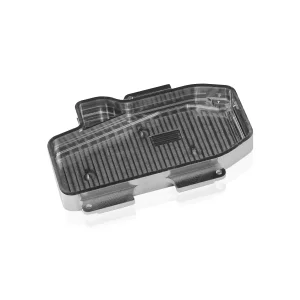
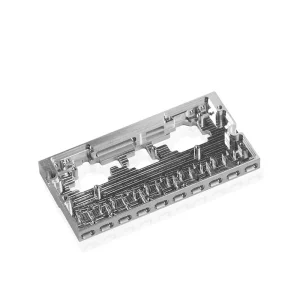
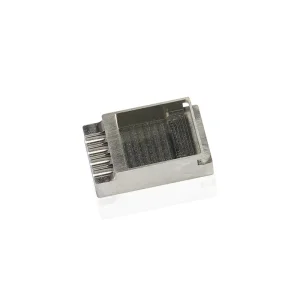
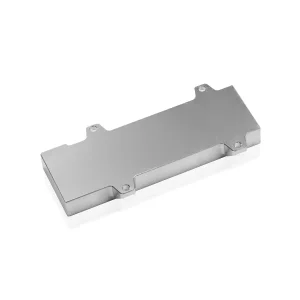
In the modern manufacturing hierarchy, precision Computer Numerical Control (CNC) milling represents the vital framework supporting complex engineering across major technological verticals.
The global CNC milling market is undergoing a significant transition. Historically defined by simple subtractive forming, today's manufacturing paradigms demand geometric tolerances measured in single-digit microns. Aerospace systems, medical diagnostics, optoelectronic communications, and semiconductor fabrication equipment all require extremely complex components that must remain dimensionally stable under intense stress.
Key market drivers include the rapid expansion of 5G infrastructure, high-frequency RF devices, and clean energy components. This rise in demand has led to a major focus on custom material machining. Controlled expansion alloys, titanium alloys, and high-purity copper parts are increasingly specified by engineering groups. To manufacture these parts successfully, suppliers must possess advanced multi-axis milling technology, rigorous thermal stabilization protocols, and surface treatment capabilities to ensure performance in demanding field environments.
Managing thermal dynamics and expansion coefficients in high-precision electronic packages requires specialized raw materials.
A primary material in hermetic packaging applications is Kovar Alloy (4J29 / ASTM F15). Composed of approximately 29% Nickel, 17% Cobalt, and the balance Iron, Kovar's key characteristic is its coefficient of thermal expansion (CTE). It matches the expansion rate of borosilicate glasses and alumina ceramics across a wide temperature range, from ambient temperatures up to approximately 450°C.
| Material Type | Common Designation | Thermal Expansion Coefficient (CTE) | Primary Industrial Applications |
|---|---|---|---|
| Kovar Alloy | ASTM F15 / 4J29 | ~5.1 x 10⁻⁶ / K (30°C to 400°C) | Hermetic sealing, RF carrier plates, optoelectronic packaging |
| Titanium Alloy | Grade 5 (Ti-6Al-4V) | ~8.6 x 10⁻⁶ / K (20°C to 100°C) | Aerospace structural brackets, surgical implants, defense casings |
| Stainless Steel | 316L / 1.4404 | ~16.0 x 10⁻⁶ / K (20°C to 100°C) | Marine connectors, fluid control valves, chemical sensor housings |
| Oxygen-Free Copper | C10100 / OFHC | ~17.0 x 10⁻⁶ / K (20°C to 100°C) | High-vacuum electronics, high-efficiency electrical contacts |
CNC milling work involving Kovar presents unique challenges. The high cobalt content leads to rapid tool wear due to the alloy's work-hardening tendencies during machining. Achieving high-quality surface finishes without altering the metallurgical structure of the part requires precise chip loads, specialized cutting fluid delivery (such as high-pressure through-spindle coolant), and high-performance coated carbide tooling.
Xinyunyang Precision Technology Co., Ltd. is a leading manufacturer founded in November 2014. From the beginning, the company has adhered to its initial intention of industry, sticking to the business principles of Integrity, Innovation, Cooperation, and Sharing.
We focus on Kovar precision processing technology as our core competitiveness. We work closely with the semiconductor, optical communications, aerospace, medical device, and new energy/defense sectors, and are committed to providing miniaturized, customized, and high-reliability metal packaging solutions to global customers.
Our goal is to become a significant supplier of hermetic package lids, Kovar alloy components, and precision parts in China and worldwide through continuous improvement and collaboration with our global partners.
 High-precision processing capability
Advanced technology and equipment
Strict quality control
Flexible customized services
High-precision processing capability
Advanced technology and equipment
Strict quality control
Flexible customized services
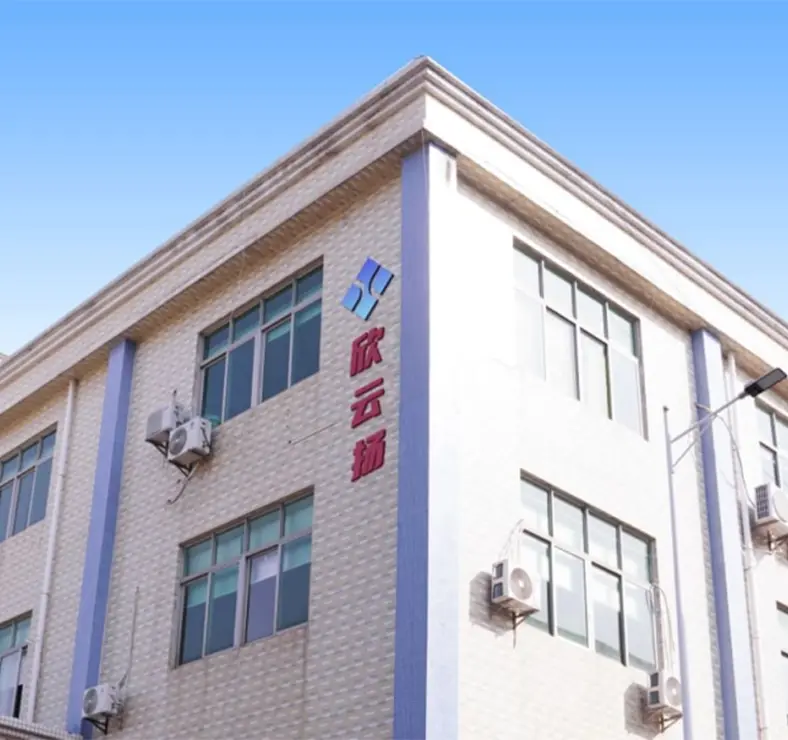
Our capabilities are built on specialized engineering expertise, structured quality management, and efficient production systems.
The company has a professional team of more than 100 people, of which technical engineers account for 30% of our total staff, bringing specialized technical support to every project.
Our core members have been engaged in precision metal processing for more than ten years. We continue to develop composite processing techniques for special metals like Kovar and titanium alloys, and proactively address next-generation packaging requirements in the 5G, artificial intelligence, and new energy sectors.
With our ISO 9001 certified quality management system and intelligent production scheduling system, Xinyunyang has increased regular order delivery efficiency by 15%-20%, serving as a reliable supplier in the global high-end manufacturing supply chain.
How geographical supply chain integration enables cost-efficient precision manufacturing for global buyers.
Raw Material Supply: Close proximity to high-grade alloy foundries ensures consistent access to raw materials and complete material certification.
Vertical Post-Processing: Streamlined access to surface finish providers offering electro-less nickel plating, gold plating (ENIG), passivating, and vacuum brazing.
Optimized Logistics: Direct shipping routes from major ports like Shenzhen guarantee efficient delivery times to European, American, and Asian industrial centers.
China's precision CNC milling sector has evolved beyond high-volume production to specialize in complex metallurgical components. In regions like Shenzhen and Dongguan, companies have built a highly integrated manufacturing ecosystem. High-speed multi-axis machine centers, coordinate measuring machines (CMMs), and localized surface finish plants are situated in close proximity, reducing transit delays and lead times.
For global procurement managers, this network translates to a streamlined production cycle. Prototyping stages transition quickly to high-yield mass production. At Xinyunyang, we leverage this geographic supply chain to offer competitive raw material procurement, specialized tooling design, and strict quality control. Our integrated manufacturing process allows us to maintain tight tolerances and cosmetic specifications while controlling production costs.
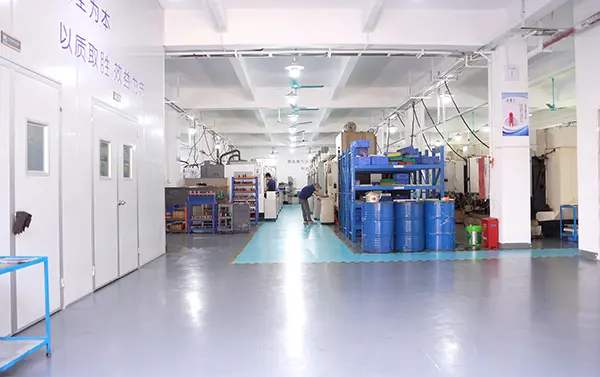
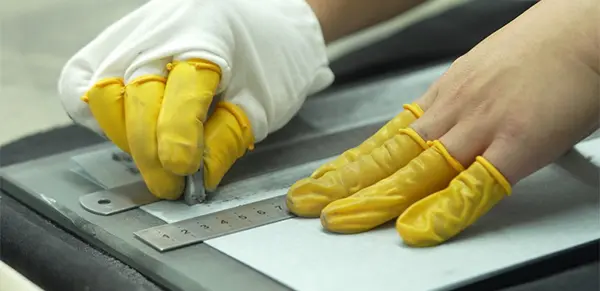
A look inside Xinyunyang's manufacturing facility and quality control departments.
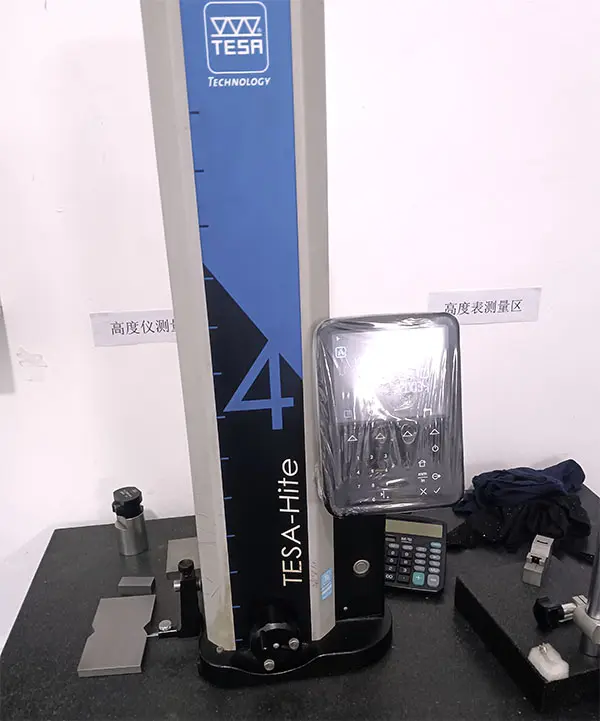
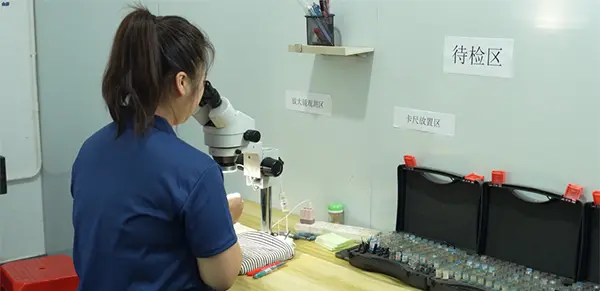
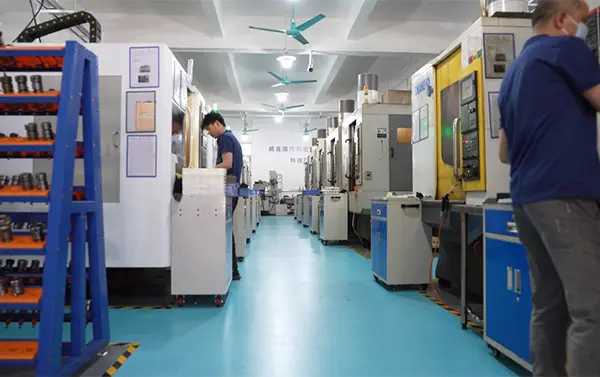
Essential technical criteria to evaluate when selecting a supplier for high-precision CNC milling and controlled expansion alloys.
Procuring custom milled components for high-reliability applications requires thorough verification of supplier capabilities. Engineering teams should consider the following parameters:
Xinyunyang employs a comprehensive inspection process from raw material validation to final product check. Utilizing high-precision coordinate measuring machines, surface roughness testers, and hermeticity leak detectors, we confirm that every component meets the client's mechanical design specifications.
Answers to engineering and procurement questions regarding specialty alloys and CNC milling work.
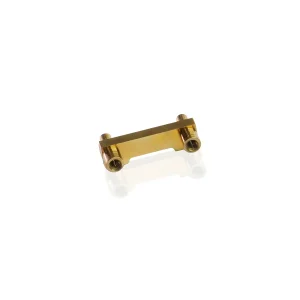
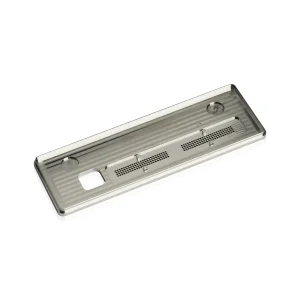
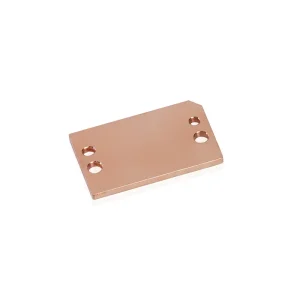
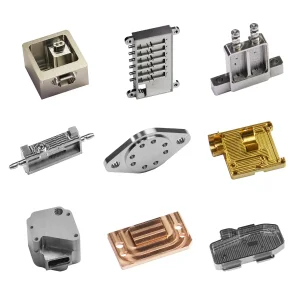
 Xinyunyang Precision