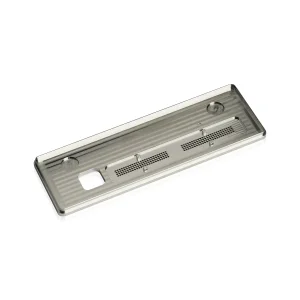
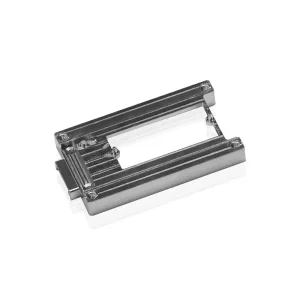
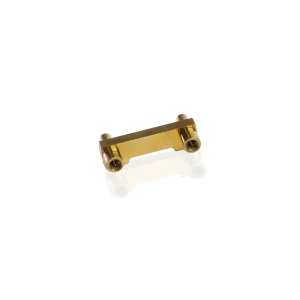
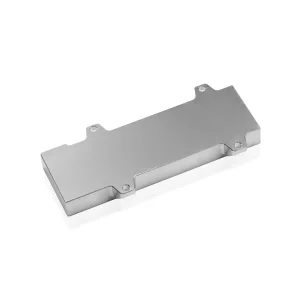
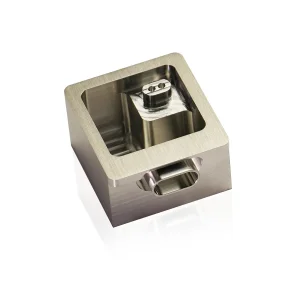
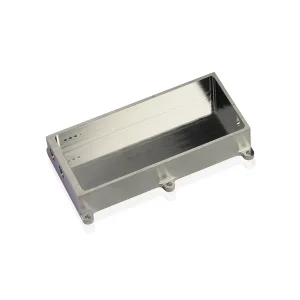
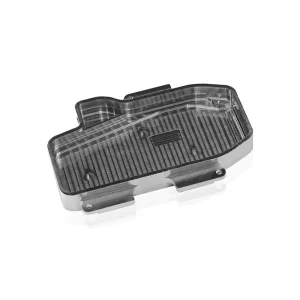
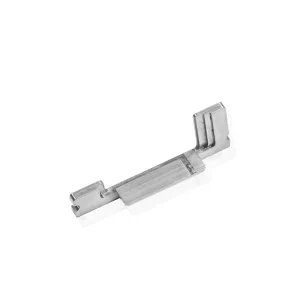
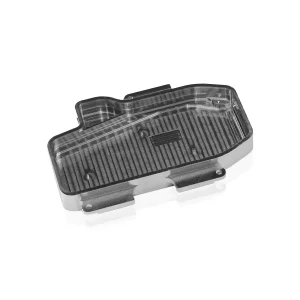
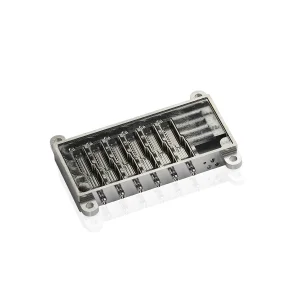
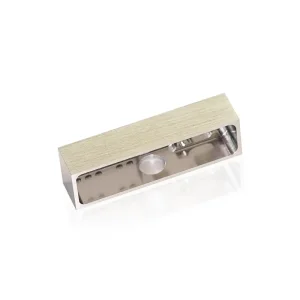
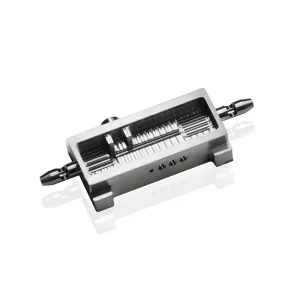
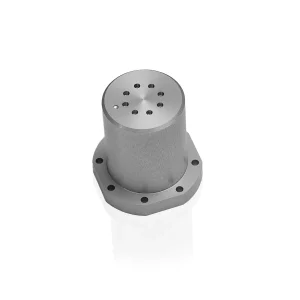
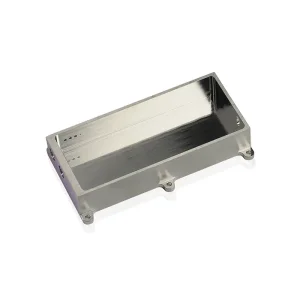
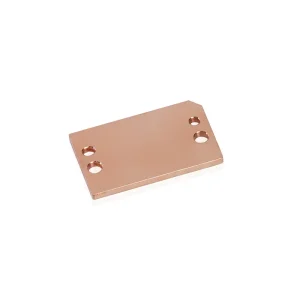
Eight selected product families for buyers comparing wholesale CNC lathe axis suppliers and precision metal manufacturers. Each link is retained for direct product evaluation.
Why the buying decision is less about a single part number and more about process control, material knowledge, and repeatable documentation.
In global B2B sourcing, a search for wholesale CNC lathe axis supplier & manufacturers often signals a high-value engineering project. The purchasing team may be developing a spindle axis, rotary axis, linear motion assembly, or a precision subassembly around the axis. They are not simply comparing catalog prices; they are evaluating whether a manufacturer can hold tolerances, control special materials, keep surfaces clean, document inspections, and scale from prototype to repeat production.
For Xinyunyang Precision Technology Co., Ltd., the relevant capability is precision metal processing: Kovar alloy components, hermetic package lids, metal housings, connectors, frames, flanges, sealed installation boxes, and customized high-reliability parts. These product families support the broader industrial ecosystem around CNC equipment, semiconductor tools, optical modules, aerospace devices, medical instruments, and new energy systems. The same engineering discipline that matters in an axis program—material consistency, dimensional capability, surface integrity, and repeatability—also determines the quality of the precision components supplied into that program.
Buyers should define load conditions, rotation or motion profile, interface dimensions, flatness, concentricity, surface roughness, cleanliness, and thermal expansion compatibility. A supplier who understands the function can propose better manufacturability and inspection plans.
Kovar, titanium alloys, copper, brass, stainless steel, and aluminum each bring different machining, joining, plating, and sealing behavior. Material certificates, heat treatment records, and CTE-compatible design choices are core parts of the purchasing file.
Ask for first article inspection, process capability data, roughness reports, salt spray results where relevant, leak-test records where applicable, and change-control procedures. Evidence reduces the hidden cost of supplier switching.
China’s advantage is not merely scale. It is the density of machining, surface finishing, inspection, tooling, and export experience available inside a connected manufacturing cluster.
From CNC turning and milling to grinding, lapping, cleaning, plating, passivation, heat treatment, and packaging, a mature factory network can keep critical operations under disciplined routing. This reduces handoff risk for wholesale buyers managing multiple metal components.
Kovar is not a generic stainless steel substitute. Its controlled expansion behavior makes it valuable for glass-to-metal seals and hermetic packaging. A factory experienced in Kovar must control machining stress, oxidation, surface condition, and downstream joining requirements.
The company has a professional team of more than 100 people, of which technical engineers account for 30%. This engineering density supports drawing review, fixture design, process routing, inspection method selection, and fast feedback during new product introduction.
With the ISO 9001 certified quality management system and intelligent production scheduling system, Xinyunyang has increased the delivery efficiency of regular orders by 15%-20%. For wholesale programs, documented quality control and scheduling visibility are as important as machining capability.
Miniaturized, customized, and high-reliability metal packaging solutions require close collaboration between buyer and manufacturer. Flexible customization helps global customers move from prototype drawings to pilot lots and repeat production without losing critical process knowledge.
Chinese precision manufacturers serving global OEMs typically understand RFQs, DFM feedback, sample approval, packaging requirements, and international shipment documentation. When supported by clear drawings and inspection criteria, this can shorten the path from supplier selection to validated production.
Procurement strategy must account for miniaturization, material complexity, traceability, and the integration of AI, 5G, aerospace, medical, and new energy applications.
Smaller optical modules, sensors, connectors, and sealed packages push machined features toward tighter limits. Deburring, surface roughness, and cleanliness become critical quality characteristics rather than secondary finishing details.
Kovar, titanium alloys, copper, and high-strength alloys are increasingly selected for expansion matching, weight reduction, conductivity, or corrosion resistance. Suppliers must adapt tooling, cooling, stress relief, and inspection to each material family.
5G optical modules, AI infrastructure, and new energy systems require metal housings that manage heat, sealing, signal integrity, and mechanical protection. Precision metal components sit inside these systems and influence their long-term stability.
Global buyers increasingly expect material certificates, inspection records, revision control, and consistent packaging labels. A supplier with disciplined documentation is better prepared for audits and repeat production across regions.
Different markets interpret “CNC lathe axis supplier” through different application priorities. The component family may be similar, but the qualification criteria change by industry.
Hermetic package lids, Kovar alloy components, precision frames, and sealed installation boxes support semiconductor tools and optical devices. Buyers focus on flatness, surface finish, cleanliness, leak integrity, and material traceability.
5G optical modules and communication housings require metal packaging that protects sensitive optics while supporting heat conduction and reliable sealing. Dimensional consistency across lots helps assembly lines maintain yield.
Safety armor, precision filter components, connector assemblies, and structural metal parts must balance weight, strength, corrosion resistance, and documentation. Buyers often require strict change control and inspection evidence.
Miniaturized metal packaging and precision components can support diagnostic, imaging, and implant-related equipment. Cleanliness, burr control, repeatable dimensions, and biocompatibility discussions belong in early supplier qualification.
Power electronics, new energy systems, and military hardware need robust metal casings, conductive connectors, and sealed protection. Thermal management, corrosion resistance, and long service life influence design decisions.
Axis and automation programs rely on precision frames, sensor housings, connector shells, mounting flanges, and Kovar-to-glass sealed parts. Reliable component supply helps machine builders reduce assembly variation and field failure risk.
A solution-oriented supplier helps customers group components by function, risk level, and validation path instead of treating every machined part as an isolated commodity.
Hermetic package lids, metal sealed installation boxes, and Kovar components protect sensitive electronics from moisture, contamination, and mechanical damage. The design conversation should include sealing method, flatness, plating, and thermal expansion.
Brass precision connectors, copper conductive connecting pieces, and precision metal connector assemblies support reliable signal and power transmission. Contact resistance, plating adhesion, and dimensional repeatability are central quality concerns.
Efficient heat conduction and solid protection can coexist in well-designed metal casings. Buyers should specify thermal interface requirements, surface treatment, mounting flatness, and tolerance stack-up early in the design cycle.
Precision metal frames, cylindrical flange structures, and safety armor solutions provide stiffness, alignment, and protection. Machining strategy, residual stress control, and inspection planning determine whether these parts perform predictably.
International buyers usually evaluate a wholesale precision metal manufacturer across five dimensions: technical fit, quality confidence, commercial transparency, supply resilience, and communication discipline.
Unit price matters, but scrap rate, inspection cost, assembly yield, freight, inventory, and engineering time often decide the true cost. A supplier that prevents defects is usually more valuable than one that only quotes lower.
Request material certificates, RoHS or REACH declarations where applicable, inspection reports, packaging specifications, and revision records. Documentation should match the actual lot and drawing revision.
A sample should not be treated as proof of mass production capability. Buyers should approve the process route, measurement method, fixture strategy, and first article inspection before releasing larger purchase orders.
Lead time, capacity reservation, packaging protection, and contingency planning matter for global programs. A reliable wholesale supplier communicates risks early and keeps replacement schedules realistic.
Experience, engineering focus, and a long-term commitment to precision metal packaging.
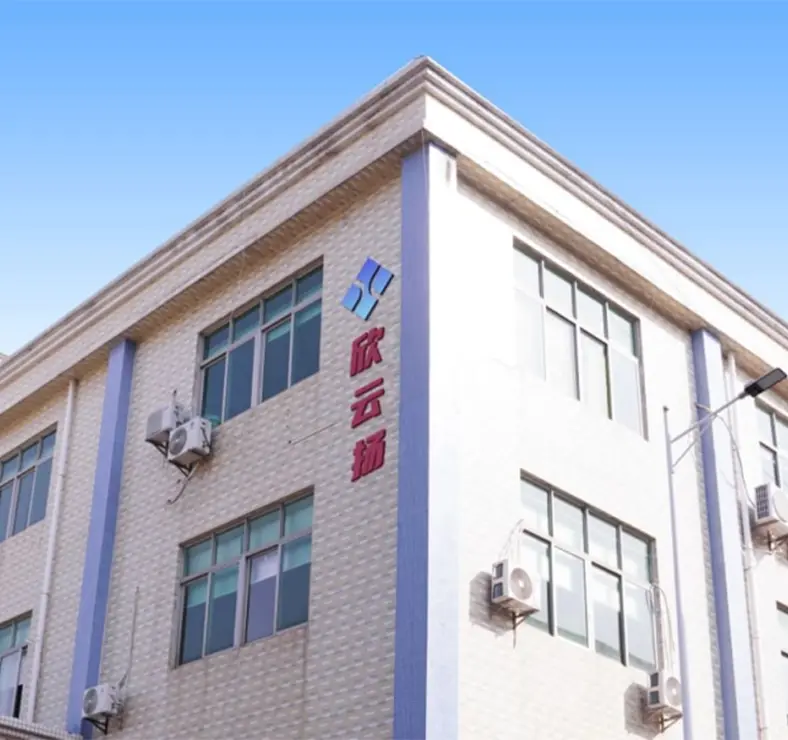
Overview of Xinyunyang Precision Technology Co., Ltd.
A famous company that was founded in November 2014. From the beginning, the company has adhered to its initial intention of industry, sticking to the business principles of Integrity, Innovation, Cooperation, and Sharing.
The company focuses on Kovar precision processing technology as its core competitiveness, deeply cultivates the fields of semiconductors, optical communications, aerospace, medical devices and new energy/military industry, and is committed to providing miniaturized, customized and high-reliability metal packaging solutions to global customers.
Our goal is to become a significant hermetic package lids, Kovar alloy components, and precision parts supplier in China .and even worldwide after years of continuous effort, with the support of our partners and customers.
 High-precision processing capabilityAdvanced technology and equipmentStrict quality controlFlexible customized services
Engineering depth, industry experience, and certified quality management combine to support repeatable delivery for global customers.
The company has a professional team of more than 100 people, of which technical engineers account for 30%.
The core members have been deeply engaged in precision metal processing for more than ten years, and continue to explore the composite processing technology of special metals such as Kovar and titanium alloys, and proactively layout the cutting-edge packaging needs in the fields of 5G, artificial intelligence and new energy.
With the ISO 9001 certified quality management system and intelligent production scheduling system, Xinyunyang has increased the delivery efficiency of regular orders by 15%-20%, becoming a key supplier with both technical depth and service breadth in the global high-end manufacturing industry chain.
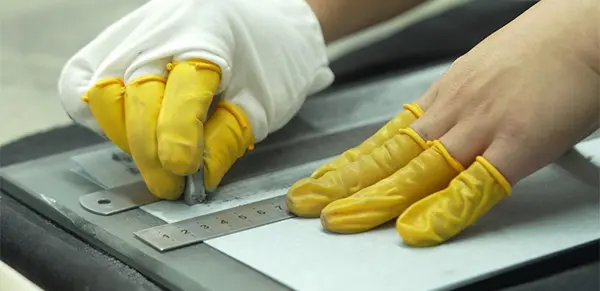
Inside the precision manufacturing environment: people, equipment, quality control, and production discipline.
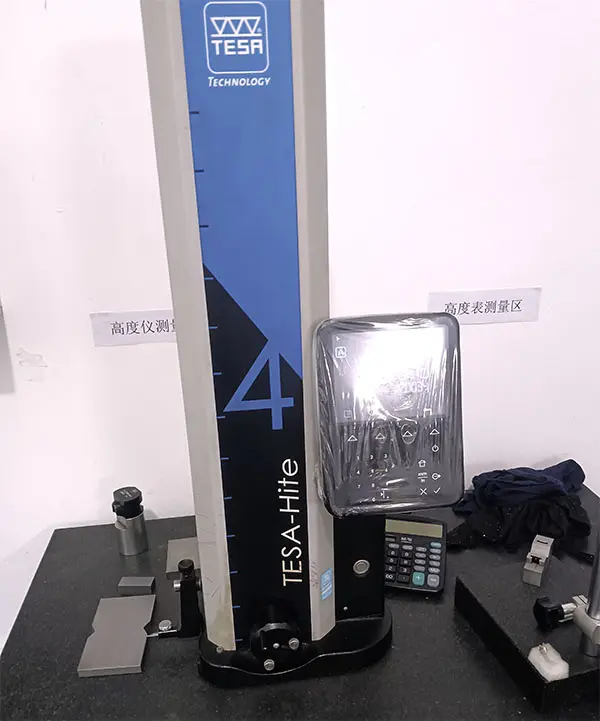
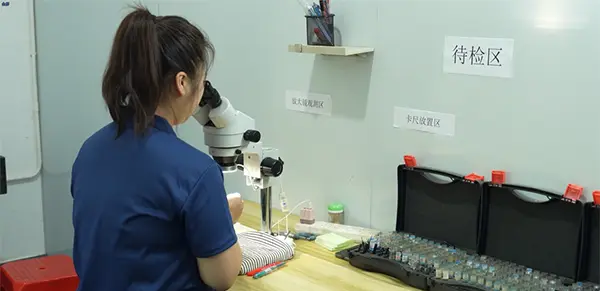
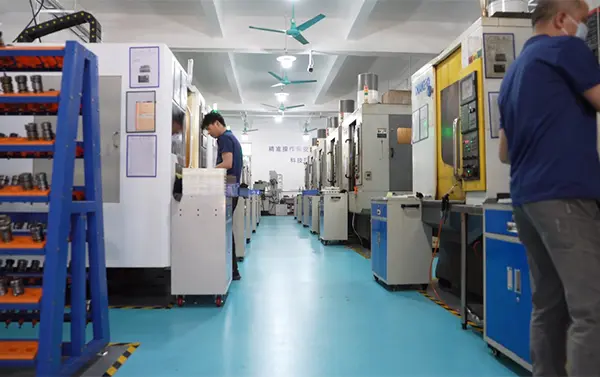
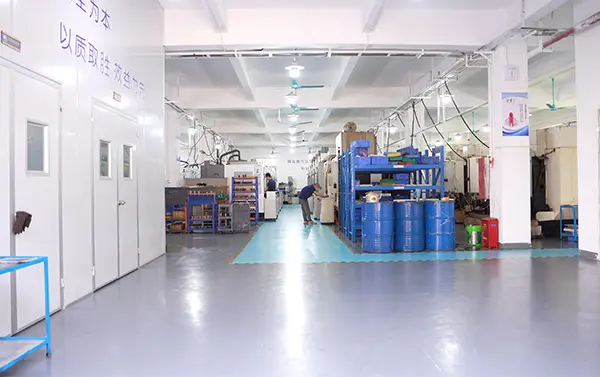
Practical answers for buyers comparing suppliers, manufacturers, and custom precision metal programs.
Xinyunyang Precision Technology Co., Ltd. focuses on Kovar precision processing, hermetic package lids, and customized high-reliability metal components. For CNC lathe axis programs, the company can discuss precision frames, housings, connectors, flanges, sealed installation boxes, and related metal parts that support axis assemblies and industrial equipment.
Product families shown on this page include metal panels, precision metal frames, brass connectors, CNC-machined sheet metal parts, metal casings, 5G optical module housings, aerospace safety armor, aviation filter components, Kovar components, cylindrical flanges, sealed installation boxes, and copper conductive connecting pieces. Material selection should be confirmed against the drawing, environment, and validation plan.
Define critical characteristics, measurement methods, sampling plans, and acceptance criteria before production. Request material certificates, first article inspection, dimensional reports, surface finish data, and applicable functional test records. For regulated industries, confirm the current ISO 9001 scope and any additional customer-specific quality requirements.
Provide 2D drawings, 3D models where available, material grade, surface treatment, tolerance requirements, critical dimensions, estimated annual volume, prototype quantity, packaging expectations, and any inspection or compliance documents. Clear inputs allow the manufacturer to quote the correct process route rather than an unrealistic best-case price.
Use a staged approach: drawing review, DFM feedback, sample production, first article inspection, pilot lot validation, and repeat-order review. Keep revision control tight and document every approved deviation. This is especially important for hermetic packaging, Kovar components, and parts used in aerospace, medical, optical, or semiconductor equipment.
Flexible customized services are part of the company profile. The right batch strategy depends on part complexity, tooling, material availability, inspection workload, and the buyer’s annual forecast. Buyers should share both immediate quantities and future demand so the manufacturer can plan capacity and process stability.
These requirements should be written as measurable acceptance criteria. For example, a product may reference a roughness target such as Ra<0.3μm, salt spray resistance, or a leak-test method. The supplier should confirm measurement equipment, sample preparation, test frequency, and reporting format before accepting the order.
Use an NDA, provide only the drawings required for quotation, mark revisions clearly, and agree on document retention and access rules. For sensitive programs, discuss tooling ownership, sub-supplier approval, and change notification. Trust is built through controlled communication, not assumptions.
For best results, compare suppliers on engineering response quality, inspection evidence, process control, and long-term supply discipline—not price alone.
Additional product links for buyers evaluating aviation, aerospace, connector, Kovar, flange, sealed box, and copper conductor requirements.
 Xinyunyang Precision