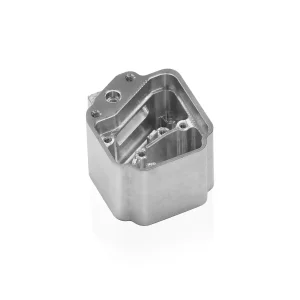
Explore our foundational range of sub-micron precision connectors, micro-structured housings, and specialized metal alloy elements manufactured to exact industrial metrics.
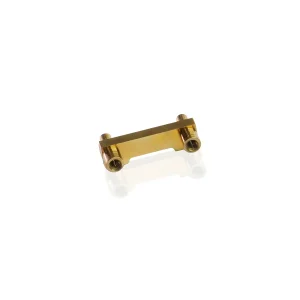
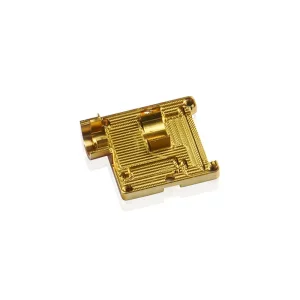
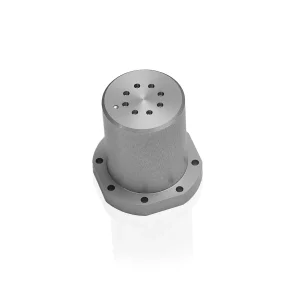
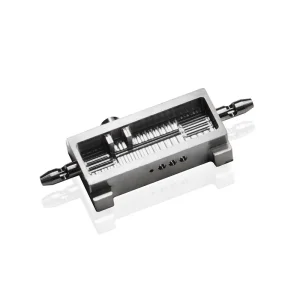
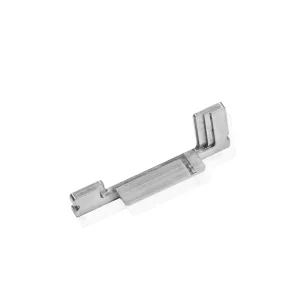
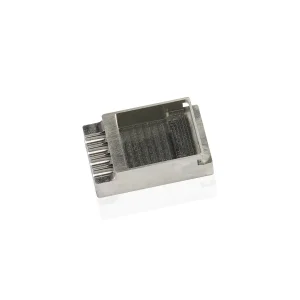
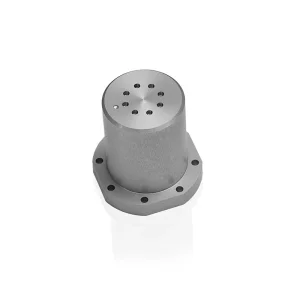
The global industrial landscape is experiencing a paradigm shift where raw component manufacturing has transitioned into high-fidelity science. Modern CNC machining operations serve as the structural backbone of high-stakes industries including optical communications, semiconductor fabrication, aerospace, and biomedical engineering. Within these sectors, mechanical components are subjected to extreme thermal environments, critical hermetic sealing requirements, and rigorous stress factors.
As a premier wholesale supplier and manufacturer, we observe that traditional multi-axis milling is no longer sufficient. Industrial demand has pivoted towards advanced custom processing of controlled-expansion superalloys. Materials like Kovar (ASTM F15), Titanium alloys, Inconel, and gold-plated copper are widely adopted due to their unique material stability and structural characteristics. These metals require highly specialized tooling setups, thermal stress management, and complex machining paths to avoid mechanical failure during dynamic temperature cycles.
"The ability to achieve dimensional repeatabilities below ±0.005mm on abrasive, low-thermal-expansion alloys like Kovar determines the line between functional integrity and catastrophic system failure in outer space or subsea communication transceivers."
In the semiconductor and micro-electronics industries, package lids and metal housings must exhibit a thermal expansion coefficient (CTE) that precisely matches borosilicate glass or alumina ceramic substrates. This makes Kovar alloy machining vital for hermetic packaging solutions. Machining Kovar presents significant challenges; it is tough, highly ductile, and work-hardens rapidly. Mitigating tool wear and preventing micro-fractures in the material structure requires state-of-the-art intelligent CNC centers equipped with adaptive real-time feed sensors.
Traditional machining methods rely heavily on liquid coolants to prevent thermal expansion of both tool and workpiece. However, in sensitive electro-optics and medical assemblies, chemical coolant residues can lead to outgassing and corrosion. Advanced dry-machining techniques mitigate these issues, achieving a surface roughness of Ra < 0.3μm without fluid contamination. This process requires precise control of the cutting edge and extremely high spindle speeds, making the components ideal for high-vacuum and salt-spray-resistant electronic packages.
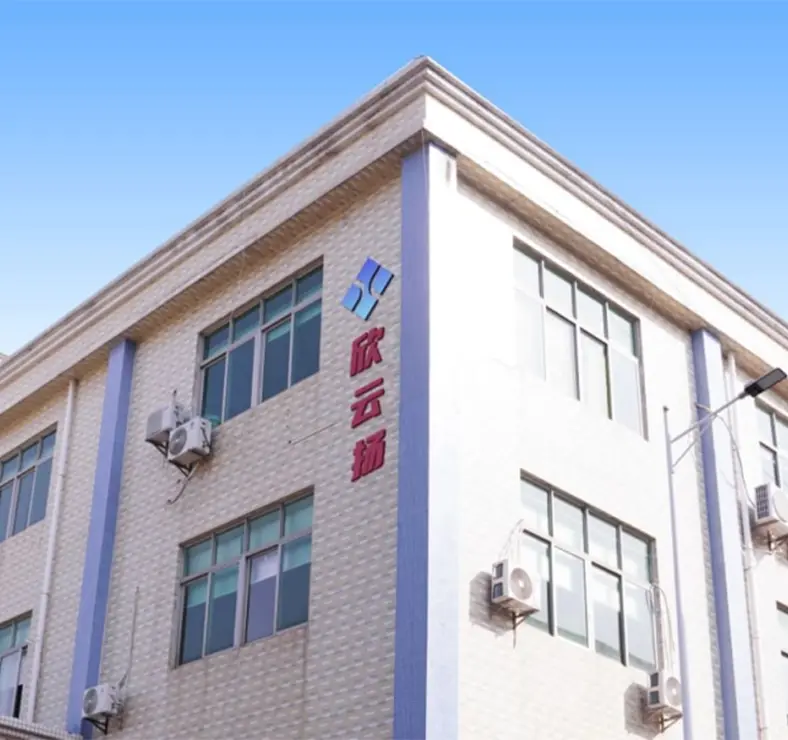
Overview of Xinyunyang Precision Technology Co., Ltd.
A famous company that was founded in November 2014. From the beginning, the company has adhered to its initial intention of industry, sticking to the business principles of Integrity, Innovation, Cooperation, and Sharing.
The company focuses on Kovar precision processing technology as its core competitiveness, deeply cultivates the fields of semiconductors, optical communications, aerospace, medical devices and new energy/military industry, and is committed to providing miniaturized, customized and high-reliability metal packaging solutions to global customers.
Our goal is to become a significant hermetic package lids, Kovar alloy components, and precision parts supplier in China, and even worldwide after years of continuous effort, with the support of our partners and customers.
 High-precision processing capability
Advanced technology and equipment
Strict quality control
Flexible customized services
High-precision processing capability
Advanced technology and equipment
Strict quality control
Flexible customized services
Our operational framework ensures efficiency, technological depth, and service breadth across high-precision global supply networks.
The company has a professional team of more than 100 people, of which technical engineers account for 30%, guaranteeing skilled execution of even the most complex geometric challenges.
The core members have been deeply engaged in precision metal processing for more than ten years, and continue to explore the composite processing technology of special metals such as Kovar and titanium alloys, and proactively layout the cutting-edge packaging needs in the fields of 5G, artificial intelligence and new energy.
With the ISO 9001 certified quality management system and intelligent production scheduling system, Xinyunyang has increased the delivery efficiency of regular orders by 15%-20%, becoming a key supplier with both technical depth and service breadth in the global high-end manufacturing industry chain.
The transition from legacy sub-assemblies to integrated optoelectronic systems demands specialized manufacturing frameworks. Localized application scenarios reveal that high-reliability markets, such as high-frequency radar modules, cryogenic optical sensors, and micro-cavity filters, require partners capable of managing prototype development through high-volume production. Custom components must maintain tight structural stability under significant temperature deltas.
For example, Kovar alloy prototype machining serves as a critical pre-production stage for Hermetic Glass-to-Metal Seal (GTMS) designs. In high-power optoelectronic modules, such as transceiver assemblies, the metal frame and base must prevent micro-leakage at temperatures ranging from -65°C to +150°C. Ensuring the absolute flatness of these mounting faces (often verified using laser interferometry) prevents mechanical strain on delicate laser diodes and photodiode chips.
"The synthesis of micro-structured geometry, matched CTE parameters, and stable precious metal electroplating forms the triad of reliability for 5G, 6G, and next-generation SATCOM systems."
Modern manufacturing requires close collaboration between global engineering teams and specialized production facilities. In localized aerospace markets, lead time and material certification (such as ASTM F15 specifications for Kovar alloys) are critical. CNC machining operations manufacturers must provide full material traceability, coordinate measuring machine (CMM) verification reports, and precision chemical cleaning services to support high-vacuum applications.
A transparent look at our advanced manufacturing floor, inspection labs, and precise production environments.
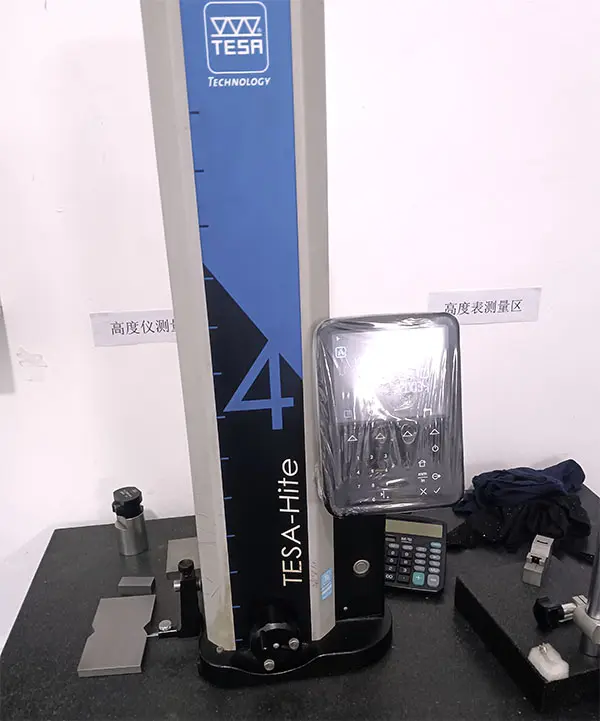
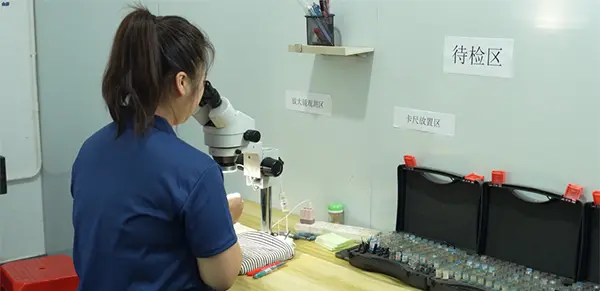
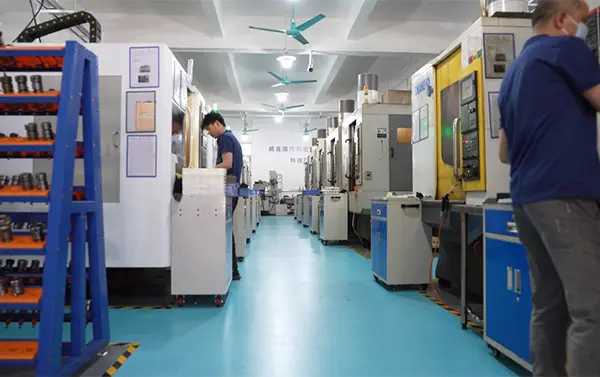
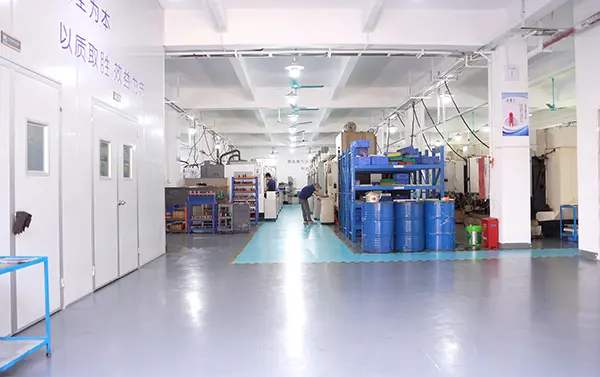
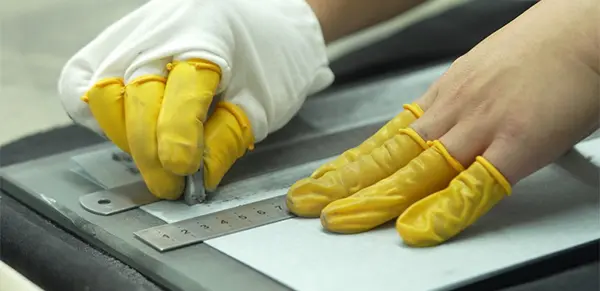
In-depth technical explanations regarding materials, tolerances, and design parameters for engineering professionals.
Kovar exhibits a thermal expansion curve that matches borosilicate glass and alumina ceramic materials. During CNC machining operations, Kovar's high toughness and low thermal conductivity can generate localized heat, which may alter the material's microstructural stability. Minimizing residual stress requires precision feed rates, sharp tooling, and controlled chip removal. This ensures the component retains its matched expansion properties during subsequent glass firing or brazing processes.
We use ultra-sharp carbide or diamond-tipped tools with optimized geometries to shear the metal cleanly rather than tearing it. High-speed spindles and rigid machine tools prevent chatter. By maintaining constant tool engagement without liquid coolants, we eliminate the risk of chemical contamination, delivering an exceptionally clean surface that is highly resistant to corrosion and salt spray.
Our facilities are certified under the ISO 9001 quality management system. For aerospace and defense orders, we provide full material heat traceability, raw material mill sheets, chemical composition verification reports, CMM inspection records, and surface roughness profiles.
Our integrated ERP and digital scheduling system tracks every order dynamically across our production floor. By optimizing tool paths and machining schedules, we reduce overall manufacturing cycles by 15% to 20%, ensuring highly reliable lead times for both quick-turn prototype and high-volume wholesale manufacturing runs.
Discover our high-precision optical transceivers, micro-cavities, and customized special-alloy components manufactured to strict global standards.
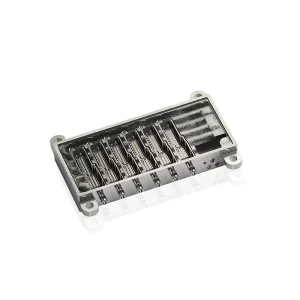
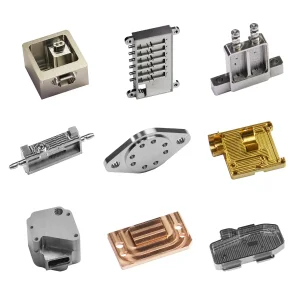
 Xinyunyang Precision