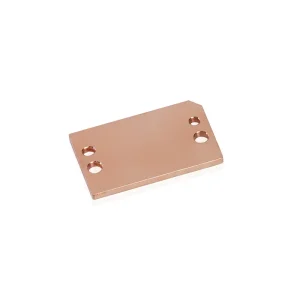
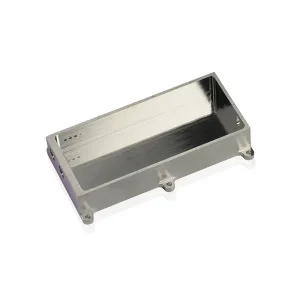
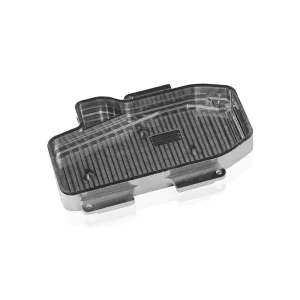
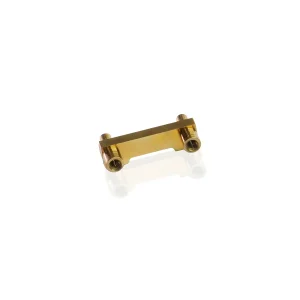
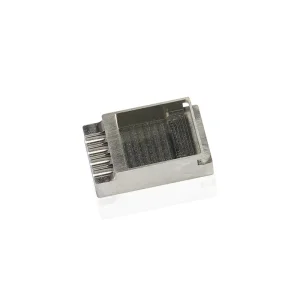
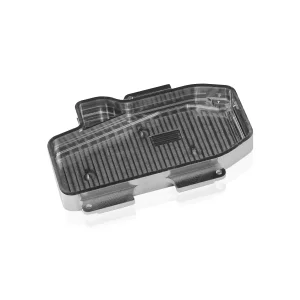
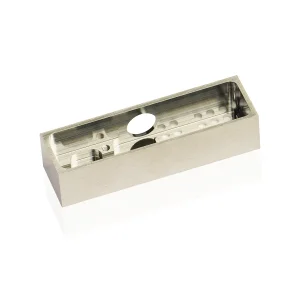
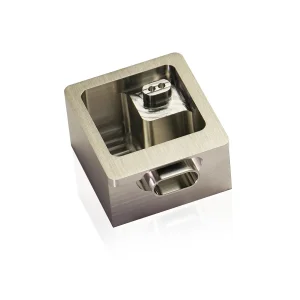
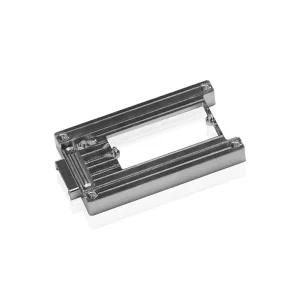
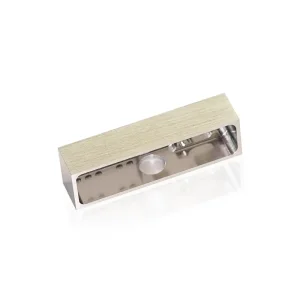
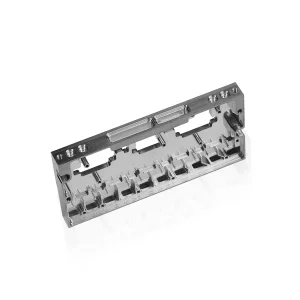
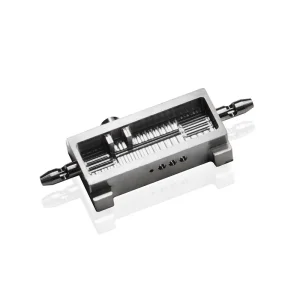
Industrial-grade precision elements engineered for electric vehicles, aerospace, and high-frequency communication modules.
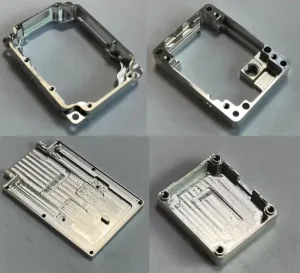
As global automotive propulsion system technology migrates toward high-voltage architectures—especially 800V silicon carbide (SiC) fast-charging configurations—traditional packaging materials are rapidly reaching their physical operational limits. Electric Vehicle (EV) batteries operate under intense mechanical stress, extreme thermal gradients, and sustained high-voltage cycles. This has catalyzed a demand shift toward highly specialized, low-expansion, hermetically sealed materials.
Kovar alloy (UNS K94610 / Fe-Ni-Co FeNi29Co17 / ASTM F15), widely designated in national and global standards as 4J29, represents the pinnacle of thermal expansion compatibility. Originally designed for glass-to-metal and ceramic-to-metal seals, Kovar possesses a unique linear coefficient of thermal expansion (CTE) of approximately 4.7 to 5.2 × 10⁻⁶/℃ (from 30°C to 400°C), matching the expansion characteristics of borosilicate glasses and alumina (Al₂O₃) ceramics perfectly.
By leveraging custom-engineered Kovar connecting elements, battery manufacturers secure ultimate structural robustness against thermal runaway, extreme environmental humidity ingress, and degradation of electrical resistance. In high-power battery management systems (BMS), high-voltage sensors, and hermetic cell cover terminals, Kovar serves as the ultimate failure-prevention barrier, guaranteeing safety and long-term vehicle service life.
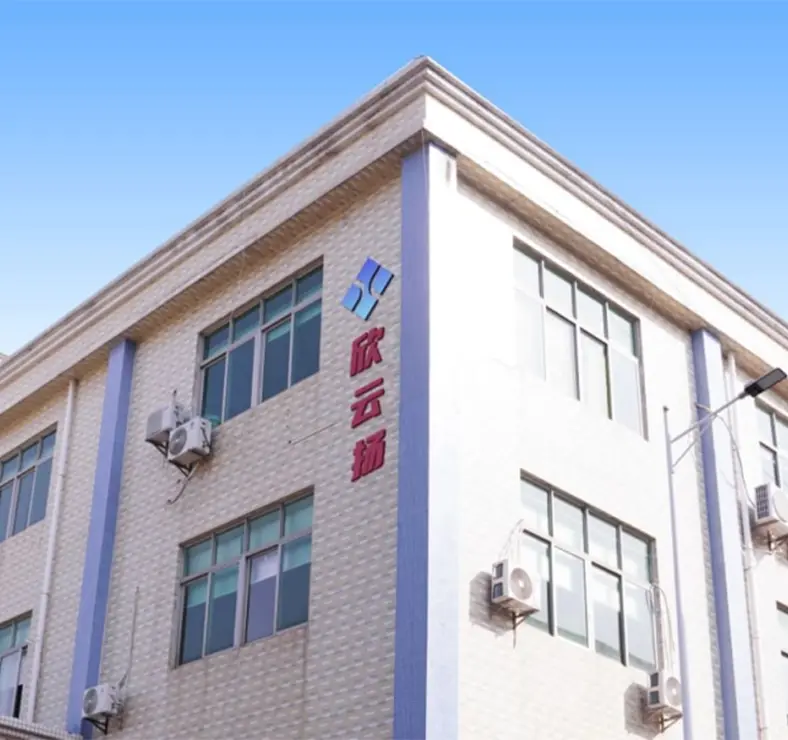
Xinyunyang Precision Technology Co., Ltd. is a famous company that was founded in November 2014. From the beginning, our company has adhered to its initial intention of industry, sticking to the business principles of Integrity, Innovation, Cooperation, and Sharing.
We focus on Kovar precision processing technology as our core competitiveness. We deeply cultivate the challenging fields of semiconductors, optical communications, aerospace, medical devices, and new energy/military industries, and are committed to providing highly reliable, customized, and miniaturized metal packaging solutions to global customers.
Our long-term goal is to become a significant hermetic package lids, Kovar alloy components, and precision parts supplier in China and even worldwide after years of continuous effort, with the support of our global partners and customers.

Micro-level dimensional tolerance execution.
State-of-the-art CNC, milling, and surface treatment.
Continuous testing with traceabilities.
Engineered solutions according to user prints.
Aligning raw mechanical capability with deep metallurgy expertise to drive superior industry outcomes.
Our company possesses a professional team of more than 100 people, of which technical engineers account for 30%. This concentrated technical resource pool allows us to engage deeply in pre-design collaborative engineering with EV manufacturers, refining custom interconnect designs for mass production scalability.
The core members have been deeply engaged in precision metal processing for more than ten years. We continue to explore the composite processing technology of special metals such as Kovar, Invar, and Titanium alloys, and proactively layout the cutting-edge packaging needs in the fields of 5G, artificial intelligence (AI), and new energy transport platforms.
Operating with an ISO 9001 certified quality management system and an advanced intelligent production scheduling system, Xinyunyang has successfully optimized logistics pathways, increasing the delivery efficiency of regular orders by 15%-20%. We have established ourselves as a crucial global supplier with technical depth and outstanding service breadth.
Years of Metal Processing Experience
R&D Engineering Allocation Ratio
Precision Dry-machined Roughness Target
Increase in Production Delivery Efficiency
To fully appreciate the necessity of Kovar in EV battery systems, one must look at the thermal mechanics of glass-to-metal (GTMS) and ceramic-to-metal joining. In an active lithium-ion battery system, the terminal connectors are exposed to rapid localized temperature rises caused by high currents during charging or discharge cycles (Joule heating). If the thermal expansion coefficients of the terminal pin and the seal are mismatching, the mechanical stress generated during thermal cycling will yield microscopic fractures, causing immediate hermetic package degradation.
Below is a comparative breakdown of the physical characteristics of materials commonly utilized in high-power automotive and electrical connections, clarifying why Kovar is the optimal choice for protective hermetic enclosures:
| Material Designation | CTE (30°C to 400°C) [×10⁻⁶/K] | Thermal Conductivity [W/(m·K)] | Electrical Resistivity [μΩ·cm] | Primary Industrial Advantage |
|---|---|---|---|---|
| Kovar Alloy / 4J29 / UNS K94610 | 4.7 – 5.2 | 17.0 | 49 | Matches Borosilicate Glass / Alumina precisely; prevents thermal stress fractures. |
| Pure Copper (C10100/C11000) | 16.5 – 17.0 | 390.0 | 1.7 | Excellent conductivity; high thermal mismatch when paired directly with glass. |
| Aluminum (Al 6061-T6) | 23.0 – 24.0 | 167.0 | 3.9 | Lightweight; extremely high thermal expansion mismatch. |
| Alumina Ceramic (96% Al₂O₃) | 6.8 – 7.2 | 24.0 | N/A (Insulator) | High insulation property; needs matching metal to maintain seal integrity. |
| Borosilicate Glass (Pyrex type) | 3.3 – 4.0 | 1.1 | N/A (Insulator) | High chemical resistance; requires low-expansion metals like Kovar for sealing. |
By using Kovar as the transition layer or structural ring in high-voltage terminal assemblies, engineers can brazing-weld or glass-seal the component directly to insulating ceramics or structural glass. This is crucial for:
Step inside our precision processing centers, certified and configured for global high-end industrial supply.
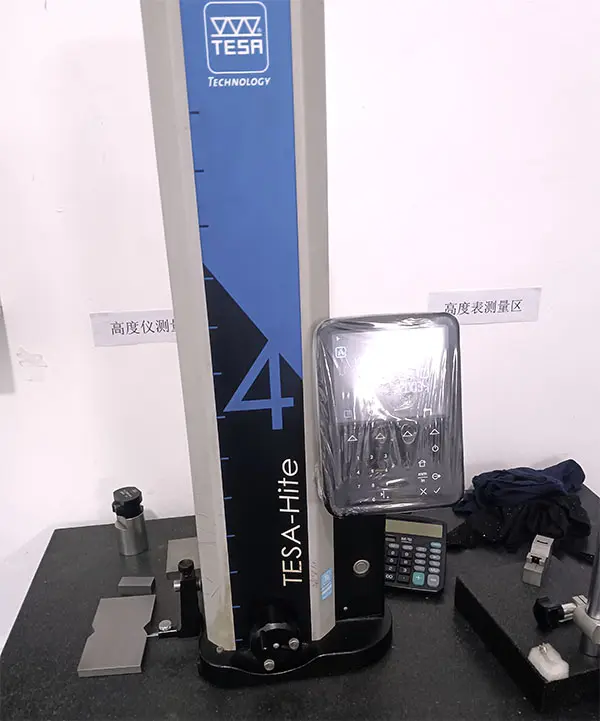
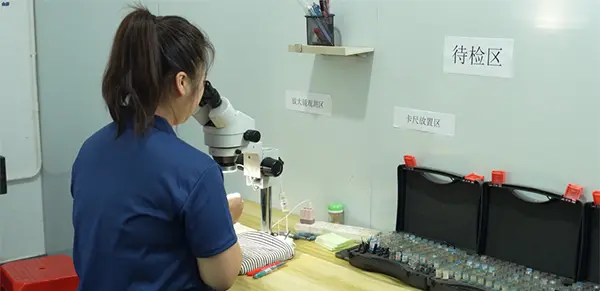
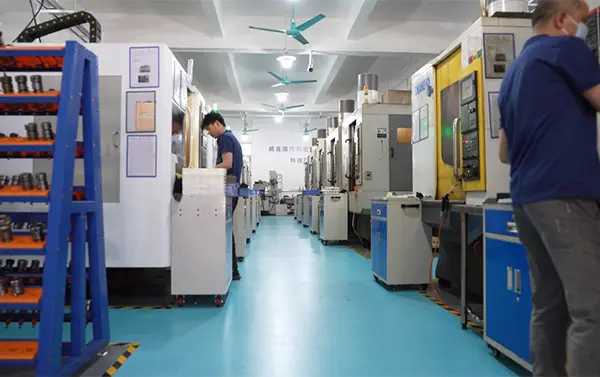
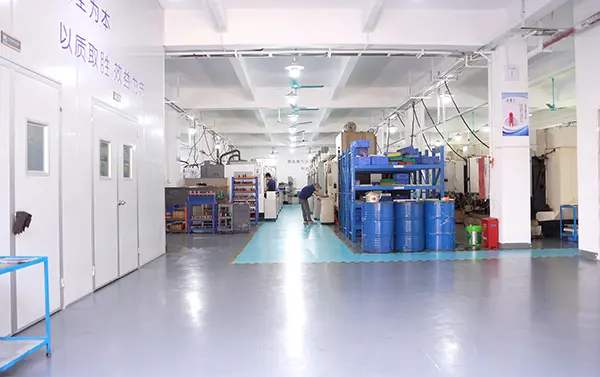
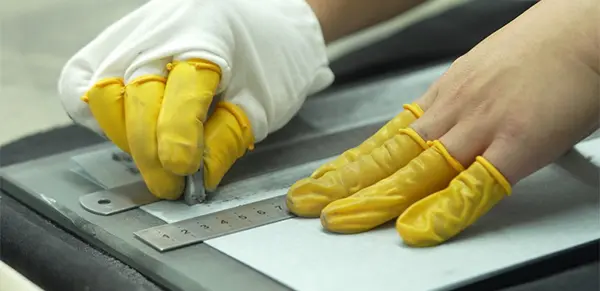
Xinyunyang operates as an international partner, aligning industrial output directly with local mandates in Europe, the Americas, and key parts of the Asia-Pacific region.
By managing our supply chains via deep localization protocols, our components flow easily into international Tier-1 automotive programs.
All raw 4J29 Kovar and finished parts undergo systematic analysis to guarantee strict adherence to RoHS Directive 2011/65/EU and the European Chemicals Agency (ECHA) REACH regulations. Zero hazardous chemical residues, including restricted heavy metals.
We work within the quality principles specified by ISO 9001, utilizing robust Advanced Product Quality Planning (APQP) frameworks and Part Production Approval Processes (PPAP) to fulfill demanding automotive quality control baselines.
To withstand road salt spray testing (ASTM B117), our Kovar alloy components can be custom-plated with advanced Electroless Nickel (EN), Gold (Au), or high-conductivity protective Copper (Cu) layers, maintaining salt-spray resistance for over 96 hours without mechanical breakdown.
Kovar's high toughness and low thermal conductivity pose distinct challenges for conventional high-speed machining. Standard tooling frequently experiences thermal loading and high rates of physical wear. At Xinyunyang, our continuous production innovations have solved these historical performance bottlenecks:
1. Dry Precision Machining & Surface Topography (Ra < 0.3μm): By using proprietary diamond-like carbon (DLC) coated carbide tooling and optimizing chip breaker geometry, we execute dry machining configurations that eliminate coolant-induced contamination. This allows us to achieve surface roughness values under 0.3 micrometers, essential for leak-free vacuum applications and tight hermetic seals.
2. Advanced Nickel-Gold-Copper Plating Protocols: Electroplating Kovar requires perfect preparation due to its high iron-nickel-cobalt chemical stability. We run multi-bath chemical cleaning lines to deposit high-density, uniform diffusion barrier layers, preventing intermetallic compound (IMC) formation during subsequent reflow or welding operations.
3. Custom CTE-Gradient Bimetallic Cladding: For custom EV battery busbar interfaces, we leverage roll-bonding and diffusion cladding technologies. This permits us to produce high-performance composite plates combining the super-conductivity of pure Copper with the minimal thermal expansion of 4J29 Kovar, delivering high current density and low mechanical stress within the same part.
Direct technical explanations addressing common concerns from battery pack designers and procurement engineers.
Stainless steel and aluminum have much larger Coefficients of Thermal Expansion (16.5 and 23 × 10⁻⁶/K, respectively). When sealed directly with high-density ceramic isolators or borosilicate glass terminals, the intense thermal cycles within a fast-charging battery generate high shearing stress at the mating interface, causing joint failure. Kovar's low CTE (4.7-5.2 × 10⁻⁶/K) closely mirrors the expansion rate of these insulators, completely eliminating interfacial shear stress.
4J29 Kovar alloy must maintain a stable face-centered cubic (austenite) structure to ensure low thermal expansion characteristics. If exposed to sub-zero temperatures (below -80°C), some chemical balances may experience a body-centered cubic (martensite) phase transformation, changing the material volume and expansion rate. Xinyunyang uses highly controlled chemical composition balances alongside specialized vacuum heat treatment profiles to ensure the alloy is microstructurally stable from -80°C up to +450°C.
Yes, Kovar can be successfully joined to copper via laser welding, electron beam welding, or vacuum brazing. The main challenge lies in the disparity between their melting points and thermal conductivities. We frequently apply an intermediate transition layer of pure nickel or nickel-iron plating to the joint, which acts as a metallurgical buffer, eliminating cracks and securing a robust weld line.
Through precision grinding and DLC-tooled dry milling, Xinyunyang regularly achieves surface finishes with Ra values under 0.3 micrometers. A highly smooth finish is crucial for Glass-to-Metal Sealing (GTMS). Rough surfaces can create micro-channels that allow trace moisture or gases to penetrate under high vibration, ruining the hermetic environment within high-voltage sensor packages.
Absolutely. We provide complete trace documentation with each shipment, including raw material mill test reports, chemical composition breakdown sheets (confirming Fe-Ni-Co ratios), heat treatment charts, and mechanical dimension verification protocols. This supports Tier-1 automotive trace compliance and speeds up local validation runs.
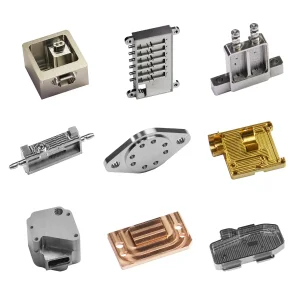
Explore our complete catalog of high-vacuum, CNC machined, and customized metal packages.
 Xinyunyang Precision