 Xinyunyang Precision
1 / 1
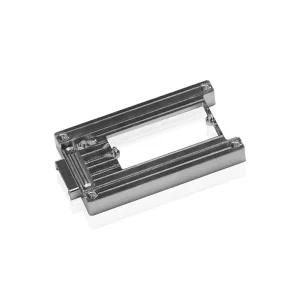
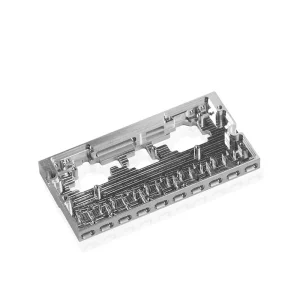
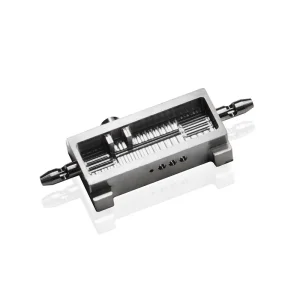
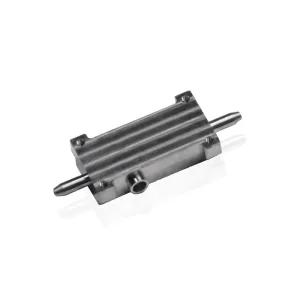
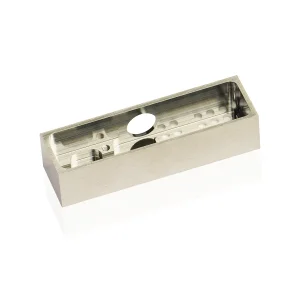
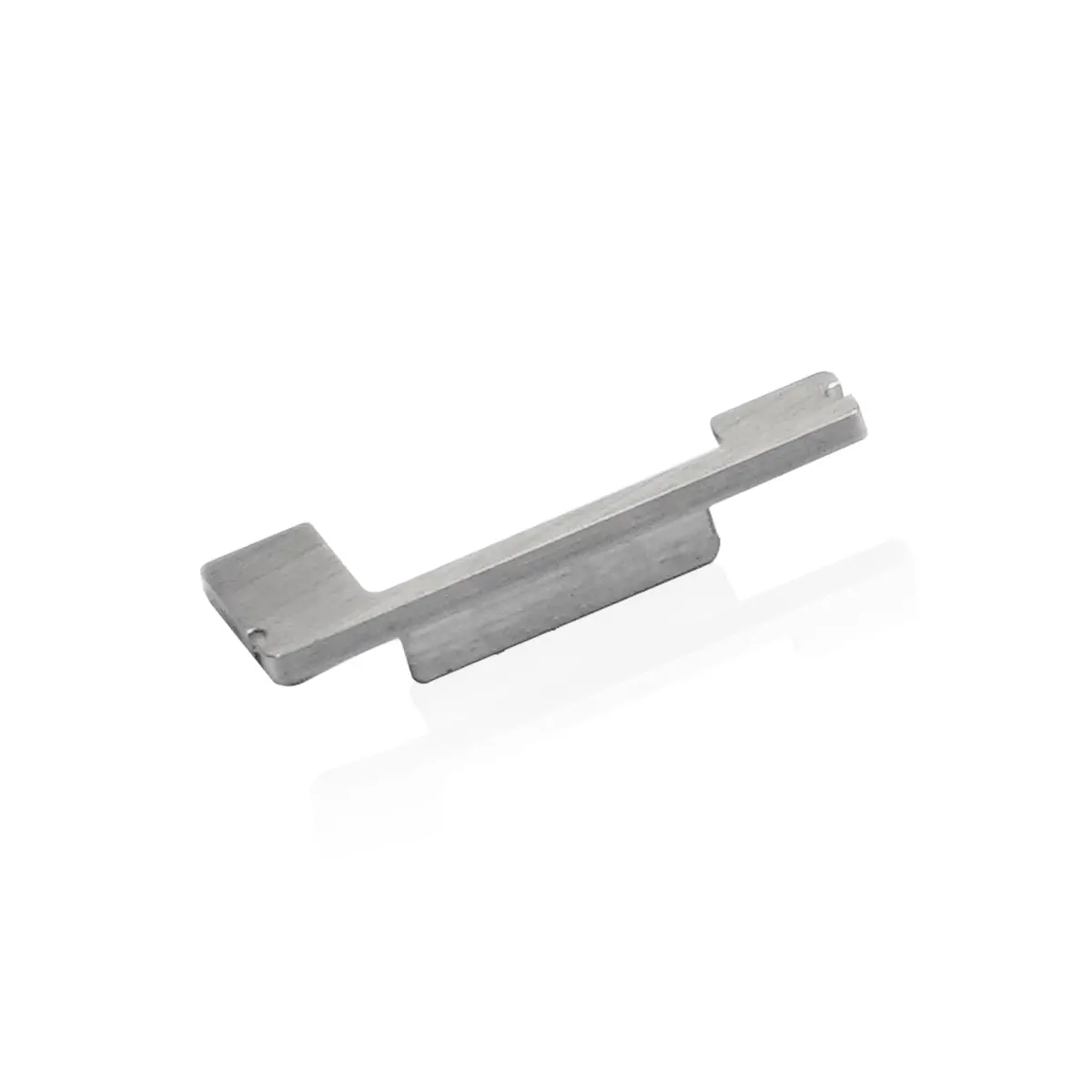
From the outside, it presents a simple, long, rectangular structure with strong, smooth lines. It is constructed of metal, most likely stainless steel, and its surface is precision-machined through CNC machining, resulting in a delicate texture. While lacking decorative textures, the metal's uniquely cool luster and regular contours embody the rigor and refinement of an industrial product. It possesses a simple yet powerful visual style, making it suitable for a variety of machinery and equipment applications that prioritize precision and durability.
CNC machining offers exceptional precision and consistency. During the machining process, the CNC system precisely controls tool movement, milling and drilling the metal. For example, the hole positions and dimensions of different parts are strictly controlled according to design specifications, with minimal tolerances. This ensures consistent dimensions for each component, ensuring a perfect fit whether used individually or as a component in batch assembly, enhancing the stability and reliability of the overall equipment.
This process also makes it possible to manufacture complex structures. While this part may appear simple in appearance, its precise dimensional alignment and edge processing rely on CNC's precise calculations and execution, transforming the design blueprint into a precise physical object. This demonstrates the advantages of CNC machining in the production of customized, high-precision metal parts.
From a functional perspective, it is most likely a "connector" or "positioning component" in mechanical structures. In automated equipment, it can be used to connect and secure components. The strength of metal withstands the mechanical forces transmitted during operation, ensuring structural stability.
In the medical device field, if used to assist in device assembly, its high precision ensures the precise operation of medical equipment, crucial to the stability and accuracy of diagnostic and treatment processes. In electronic equipment manufacturing, it can also serve as internal brackets and fixtures, providing support and positioning for circuit boards and components. Leveraging the physical properties of metal, it can also assist in achieving additional functions such as electromagnetic shielding and heat dissipation.
Thanks to CNC machining and metal materials, it possesses exceptional durability. Metal is inherently strong and corrosion-resistant (if made of materials like stainless steel), allowing for long-term use in complex environments such as high temperature, humidity, and mild chemical corrosion. It resists deformation and damage, effectively reducing equipment maintenance frequency and replacement costs.
Furthermore, its high-precision machining makes it highly adaptable, ensuring stable and tight connections with CNC-machined parts from the same series or with other standard components. This reduces equipment stalls and noise caused by component tolerances, improving the efficiency and lifespan of the entire system.