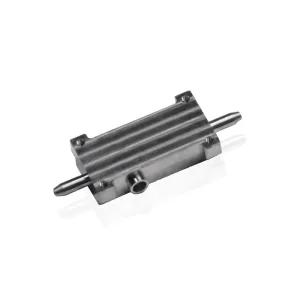
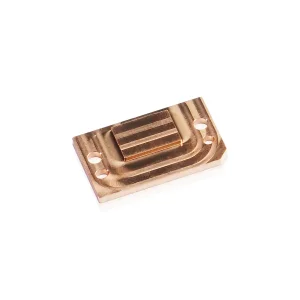
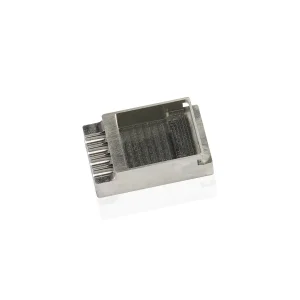
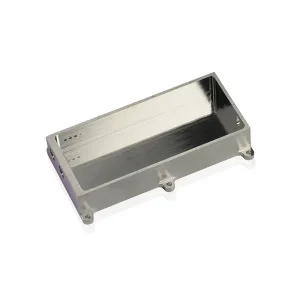
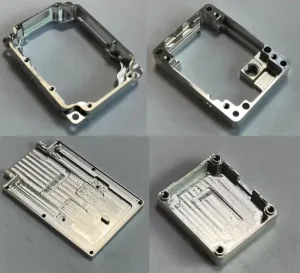
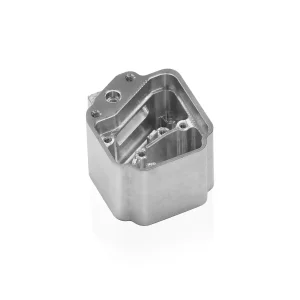
In the highly competitive landscape of high-precision B2B engineering, industrial manufacturing, and advanced semiconductor packaging, lead time has mutated from a operational KPI into a critical strategic weapon. As global supply chains encounter unprecedented disruptions, fluctuating raw material supplies, and a pressing shift towards localization, the capability of a supplier to drastically compress manufacturing cycle times determines whether original equipment manufacturers (OEMs) capture first-mover advantages or face severe market delays.
This whitepaper breaks down the advanced, multi-layered strategic paradigms employed by elite manufacturers to compress lead times in high-precision metal alloy fabrication, specifically focusing on critical aerospace, semiconductor, optoelectronics, and telecommunication sectors. By analyzing structural supply constraints, cutting-edge CNC machining pathways, and advanced inventory forecasting models, we demonstrate how leading suppliers achieve consistent high-reliability deliveries under tight market constraints.
Modern microelectronics, aerospace instrumentation, and satellite technology rely extensively on specialized controlled-expansion alloys such as 4J29 Kovar, Invar, and Titanium. These materials pose severe challenges to traditional CNC machine shops because of their physical properties, including high toughness, poor thermal conductivity, and extreme susceptibility to work hardening. Consequently, global lead times for customized Kovar enclosures and optical transceivers often stretch past typical timelines, stalling critical technology deployments worldwide.
Global logistics volatility has forced tier-1 companies to seek suppliers capable of agile regional operations. Compressing international transit times through decentralized, flexible logistics solutions prevents bottlenecks in critical semiconductor packaging pipelines.
High-speed 5G communications, deep-space optical modules, and customized medical implants require micron-level dimensional stability. Meeting these rigorous requirements demands high-precision milling centers and rigorous inspection workflows.
Refractory and low-expansion alloys require highly specialized raw material sourcing. Robust supply partners maintain proactive safety stocks of certified chemical-composition billets to eliminate upstream wait times.
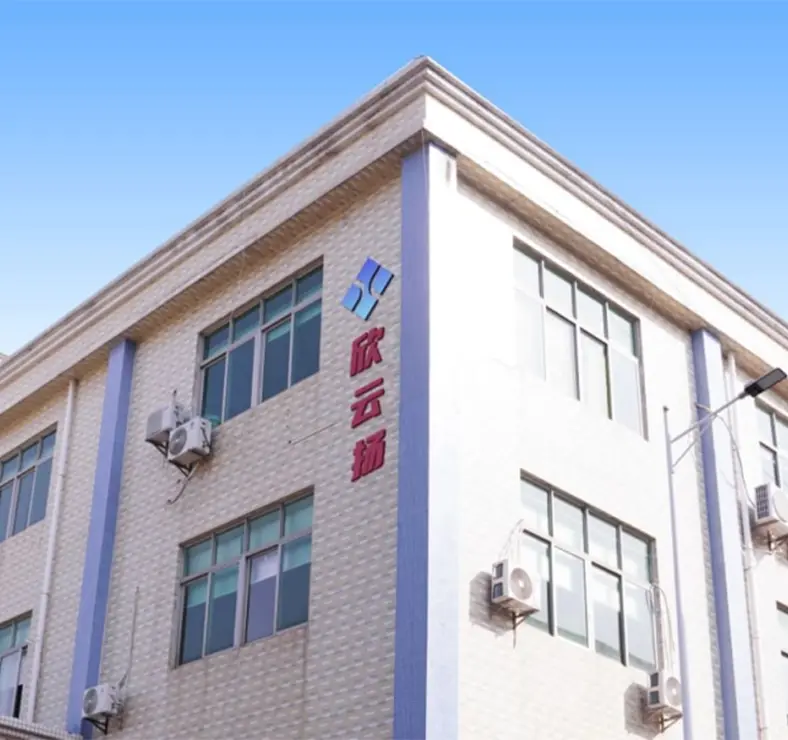
A distinguished leader in high-precision metal packaging and alloy components manufacturing, founded in November 2014. From the very beginning, Xinyunyang has adhered to its core values of Integrity, Innovation, Cooperation, and Sharing.
We specialize in advanced Kovar precision processing technology as our core competitive advantage, deeply serving global customers across semiconductors, optical communications, aerospace, medical instruments, and new energy/defense industries. We are fully committed to delivering miniaturized, customized, and high-reliability metal packaging and components to global partners. Our ultimate vision is to secure our position as a preeminent hermetic package lids, Kovar alloy components, and high-precision parts supplier within China and worldwide through continuous technical evolution.

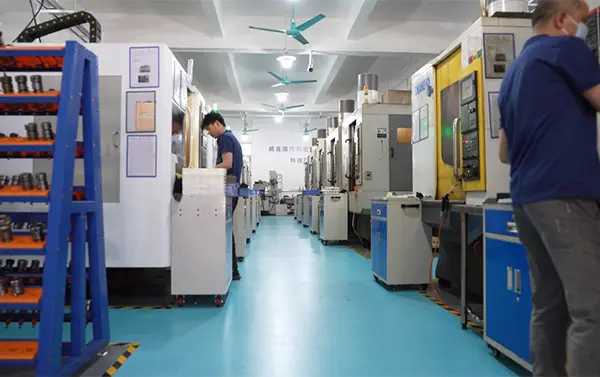
Micron-level dimensional tolerances achieved via high-end multi-axis CNC milling centers.
Continuous investment in modern tool geometries, thermal cooling setups, and high-speed CNC machines.
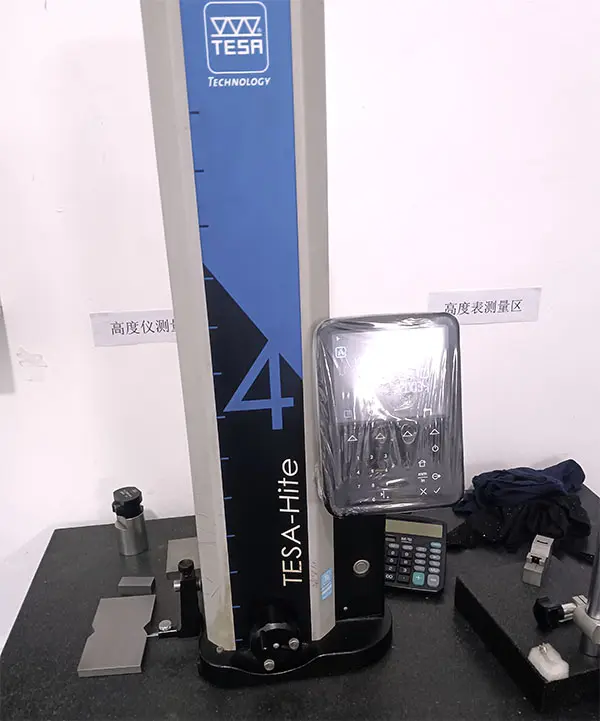
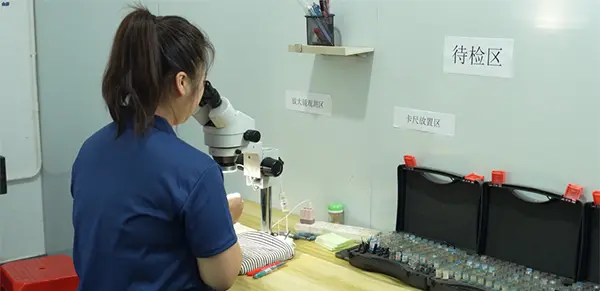
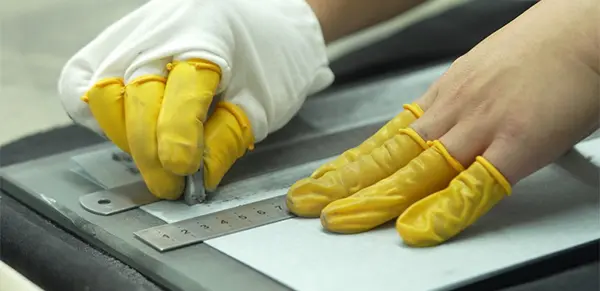
Comprehensive testing loops from coordinate measuring machines (CMM) to advanced laser hermeticity tests.
Agile design-for-manufacturability (DFM) adjustments tailored perfectly to custom hermetic package configurations.
To successfully cut manufacturing times for low-thermal-expansion alloys like Kovar (4J29) without sacrificing micro-precision tolerances, suppliers must move beyond standard lean manufacturing practices. They need to implement an integrated strategy that addresses raw material management, complex machining processes, and automated quality assurance workflows.
Raw material acquisition accounts for a significant portion of manufacturing lead times for rare controlled-expansion alloys. Leading suppliers address this bottleneck by keeping certified raw billets (including Kovar 4J29, Invar, Titanium, and Oxygen-Free High-Conductivity Copper) readily in stock. Decoupling customer orders from mill raw-material production schedules reduces initial lead times from weeks to days.
Alloys like Kovar pose machining challenges due to high work-hardening rates and low thermal dissipation, which accelerate tool wear. Advanced tooling technologies and specialized machine tool configurations can mitigate these challenges, significantly reducing cycle times while maintaining excellent surface finishes.
Collaborative engineering during the early prototyping phase is one of the most effective ways to shorten lead times. Evaluating part geometries for machining compatibility before finalizing designs helps prevent costly delays and process changes during full-scale production.
The company has established a highly professional, multidisciplinary technical team of more than 100 people, of which professional technical engineers account for 30% of the entire workforce, guiding precision operations at every step.
Our core team members have been deeply engaged in precision metal processing for more than ten years. We continue to explore composite processing technologies for special metals like Kovar and titanium alloys, while proactively designing solutions for cutting-edge packaging needs in 5G, artificial intelligence, and new energy.
Operating under an ISO 9001 certified quality management system paired with an intelligent production scheduling setup, Xinyunyang has successfully increased regular order delivery efficiency by 15%-20%. This operational advantage positions us as a critical high-reliability supplier in the global high-end manufacturing value chain.
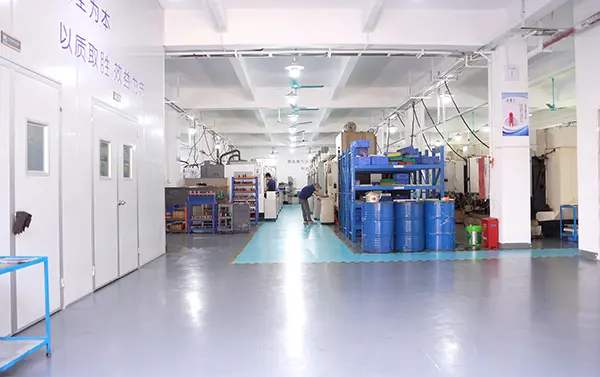
Delivering consistent micron-level precision requires top-tier equipment and meticulously managed cleanrooms. Below is a look inside Xinyunyang's advanced manufacturing workshops.
As manufacturing technologies evolve, traditional processes are being reshaped by the integration of artificial intelligence and sustainable, eco-friendly operational models.
AI algorithms are transforming production lines through real-time CNC vibration tracking, active tool-wear forecasting, and automated job scheduling. Analyzing machine sensor data allows manufacturers to adjust feed rates dynamically, preventing tool failure and significantly reducing unplanned machine downtime.
Eco-friendly manufacturing is shifting from a voluntary CSR practice to a mandatory B2B compliance standard. Implementing near-dry machining (Minimum Quantity Lubrication) reduces waste fluid generation, cuts electrical energy consumption, and helps downstream brands meet strict environmental audits.
Find expert answers to common questions about specialized alloy sourcing, machining strategies, and precision scheduling workflows.
 Xinyunyang Precision