 Xinyunyang Precision
1 / 1
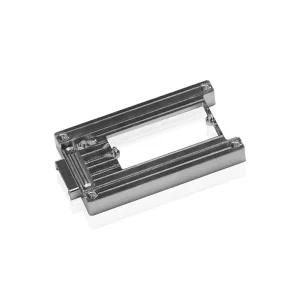
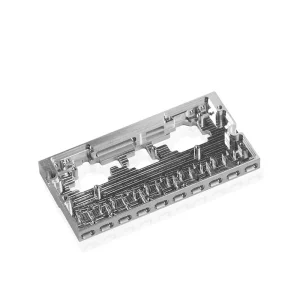
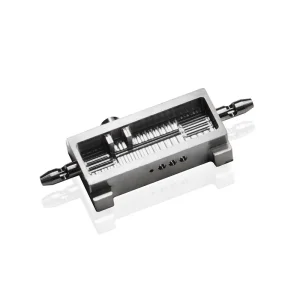
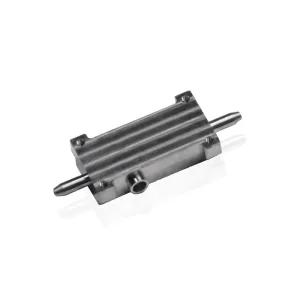
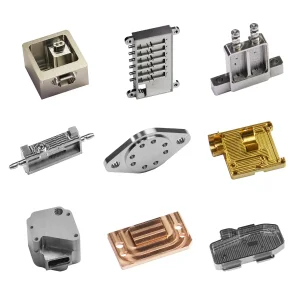
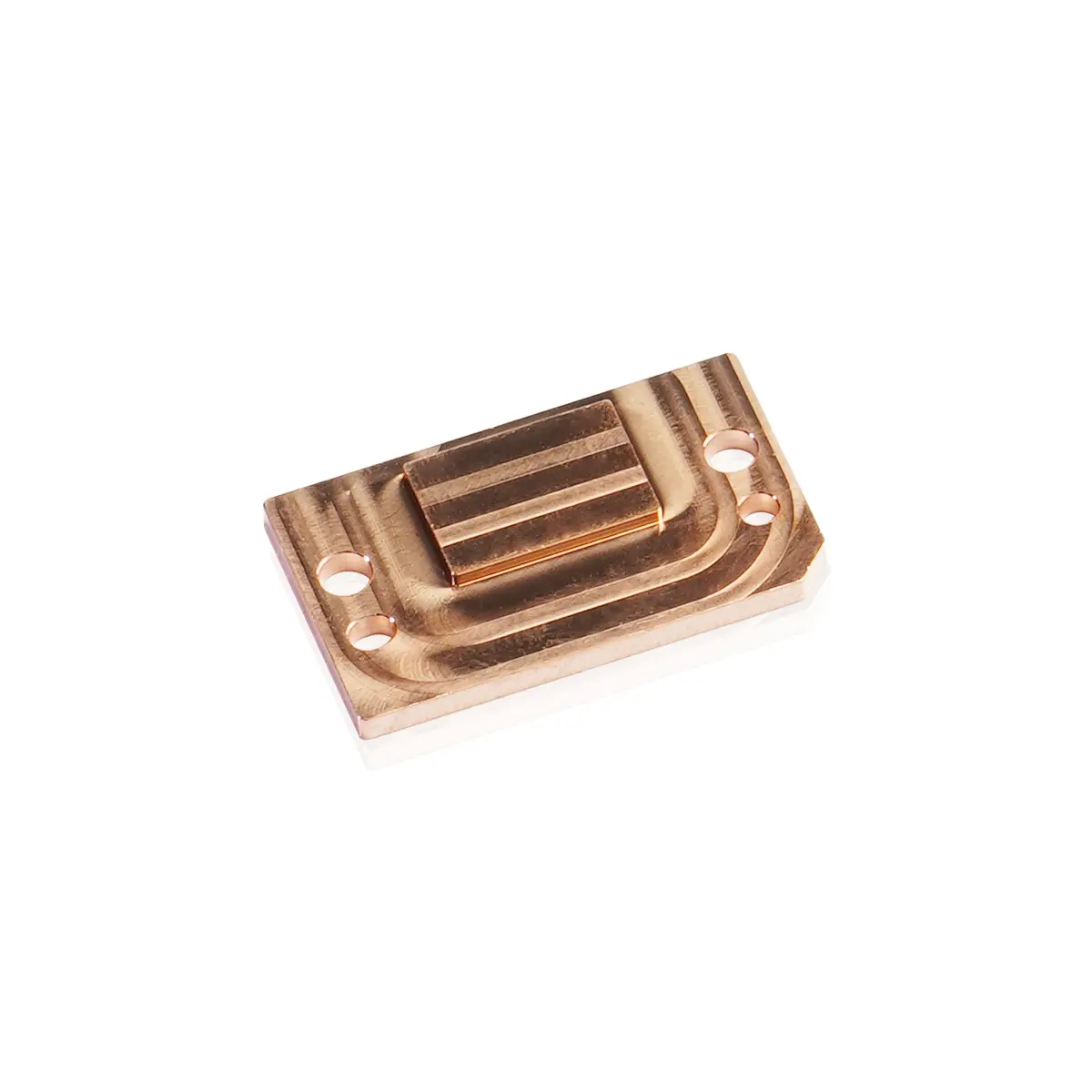
In fields such as industrial manufacturing and electronic equipment, various precision structural components play a critical role. This copper precision structural component is a highly representative example, offering a wealth of insights from its materials, design, performance, and applications.
This structural component utilizes copper as its base material, which inherently possesses many excellent properties. Physically, copper exhibits excellent thermal conductivity, ranking among the highest among metals. This makes it particularly useful in applications requiring rapid heat dissipation, efficiently dissipating heat and ensuring device stability in high-temperature environments.
Furthermore, copper's excellent electrical conductivity makes it a suitable choice for conducting circuits and structural functions in areas where electrical conductivity is required and structural support is essential.
From a chemical stability perspective, copper exhibits corrosion resistance in dry environments. The oxide film it forms protects the internal material. For harsh environments (moisture, acids, alkalis), surface treatment is applied to enhance protection. Additionally, copper's excellent ductility allows for complex and precise shapes through cutting, stamping, and forging.
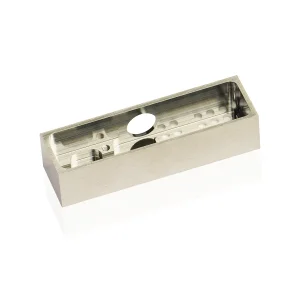
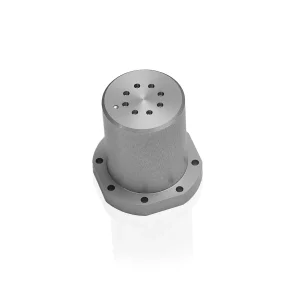
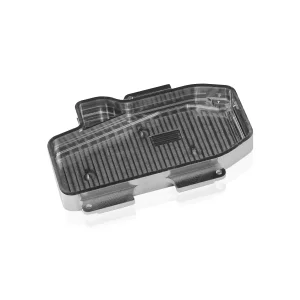
The structural design is compact and precise. The surface textures, concave and convex shapes, and hole layout are optimized for mechanical connection. Regularly arranged grooves increase the contact area with other components, optimizing heat exchange. Evenly distributed holes allow for precise assembly with screws and rivets, ensuring stability and consistency.
From a mechanical perspective, these components must withstand stresses like assembly forces and vibration. Its thickness, aspect ratio, and internal metal flow lines (created by specialized copper processing) create a system that resists deformation, preventing bending or fracture over time.
Manufacturing involves multiple complex steps. Raw material selection focuses on high-purity, low-impurity copper to ensure thermal/electrical conductivity. The forming process utilizes CNC precision machining (milling, drilling, and boring) based on CAD models to achieve micron-level precision.
Subsequent surface treatments like nickel plating, zinc plating, or chemical passivation enhance wear and corrosion resistance. Nickel plating, for instance, isolates the copper from corrosive media, increases surface hardness, reduces friction damage, and improves the overall aesthetic texture.
Future optimization includes developing copper alloys (adding silver or beryllium) to enhance strength and corrosion resistance for extreme environments. We are also exploring micro-nanofabrication for miniaturized devices and 3D printing (additive manufacturing) to achieve complex hollowing and optimized stress distribution that traditional methods cannot reach.