 Xinyunyang Precision
1 / 2
High-Precision Industrial Core Components
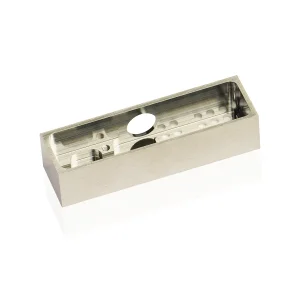
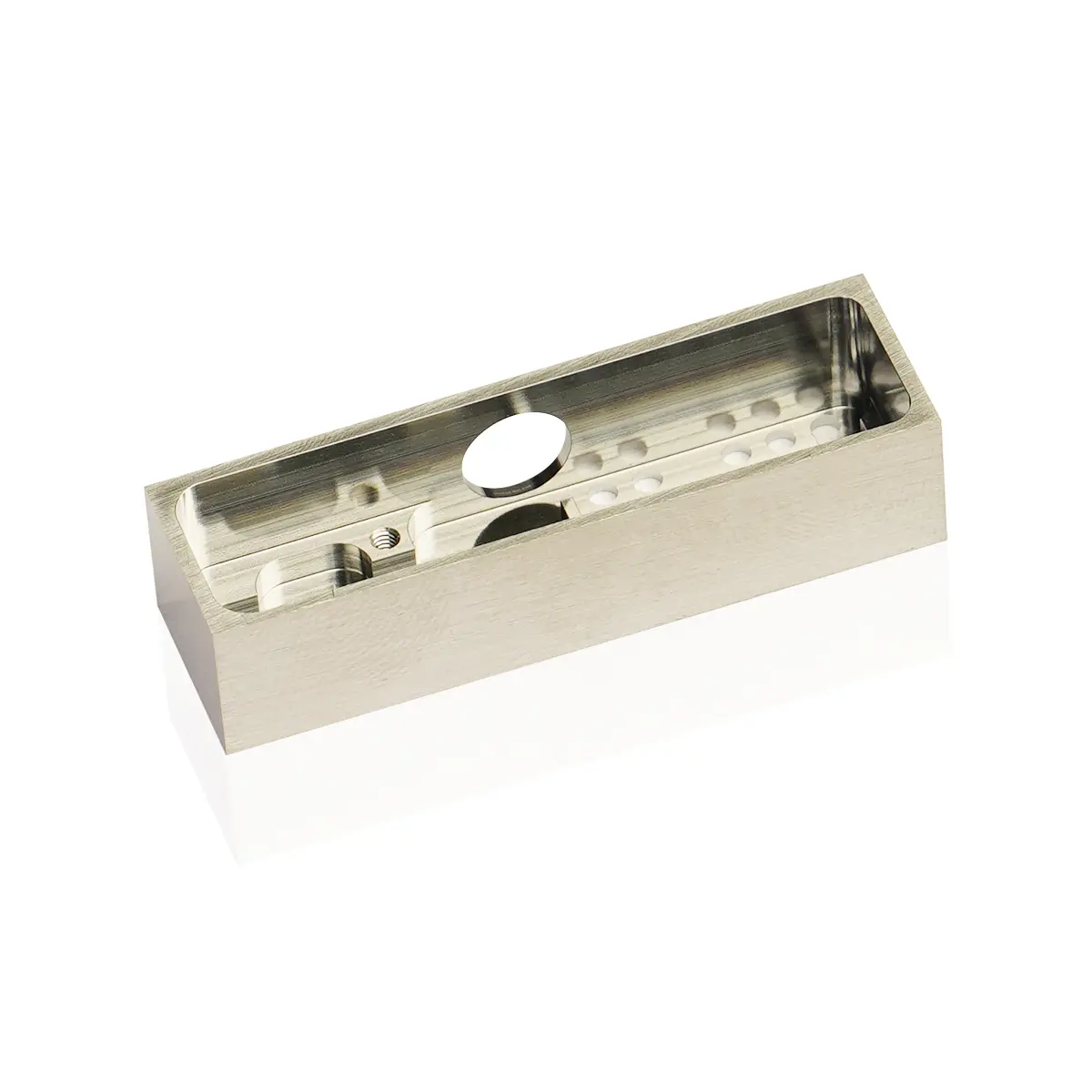
This is a precision metal component machined using CNC (computer numerical control) technology. In modern manufacturing, CNC machining, with its high precision, automation, and flexibility, has become a key technology for the production of many precision metal components. It can precisely control component size, shape, and surface quality, meeting the stringent requirements of high-end manufacturing.
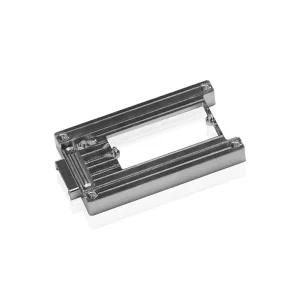
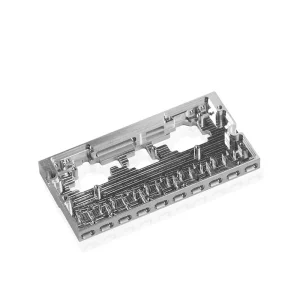
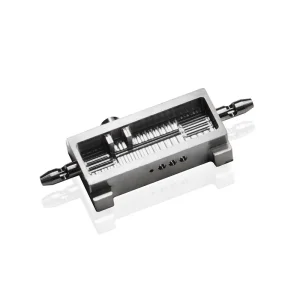
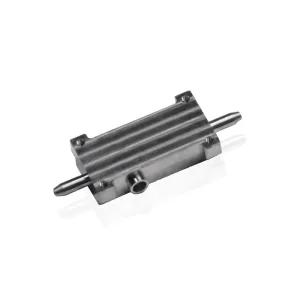
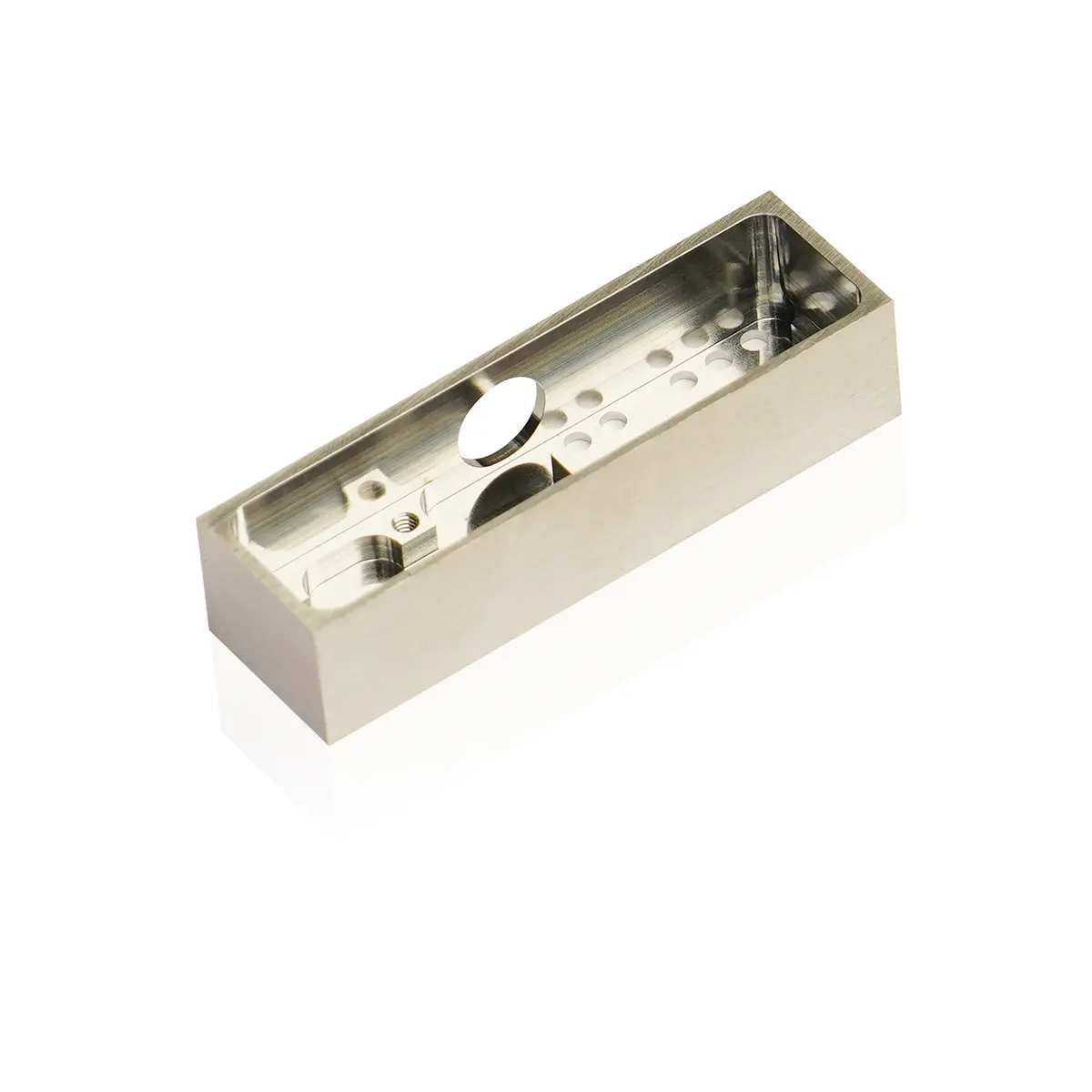
Appearantly, the component presents a neat rectangular box-like structure. Made entirely of metal, the surface has been meticulously processed to achieve a unique metallic luster and texture, while maintaining excellent flatness. This ensures aesthetic appeal in all applications and facilitates subsequent assembly operations. The component's main body is a complex internal cavity with variously designed holes, grooves, and other structures. These structures are not randomly placed but are precisely machined based on specific functional requirements.
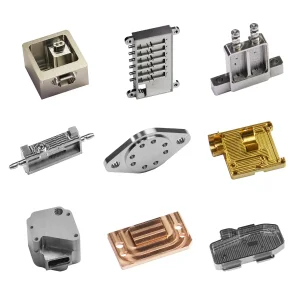
Functionally, these CNC-machined precision metal components are widely used in high-end fields such as aerospace, automotive, electronic equipment, and precision instruments. Take the aerospace sector, for example. Numerous critical components within aircraft require extremely high precision and reliability. These components may serve as the outer shell or internal support structure of a core assembly, protecting and positioning the delicate components within. Their internal holes and grooves can be used to secure other parts or transmit fluids or signals. In automotive manufacturing, they may also provide connections, support, or adjustments within key systems like the engine and transmission, ensuring the stable and efficient operation of each vehicle system.
From a machining perspective, CNC machining involves precisely controlling the movement of machine tools through computer programs, performing a series of operations such as milling, drilling, and boring on raw metal to create complex shapes and precise dimensions. Tool selection and cutting parameter settings are crucial during machining, directly impacting component accuracy and surface quality. The smoothness of the component's surface and the precision of its internal structure reflect the sophistication of CNC machining. Every detail undergoes rigorous process control and quality inspection to ensure compliance with design requirements and application standards.
With the continuous development of the manufacturing industry, the demand for these precision components continues to grow, along with the requirements for precision, performance, and reliability. CNC machining technology is also undergoing continuous iteration and upgrades. Incorporating technologies such as artificial intelligence and big data, it further improves machining efficiency and quality. This is driving precision metal components like these to play a vital role in more high-end fields, providing strong support for technological advancement and product upgrades across various industries.
CNC machining offers exceptional high precision, automation, and flexibility. It allows for exact control over component size, shape, and surface quality, which is crucial for meeting the strict requirements of high-end manufacturing industries.
These precision metal components are widely used in high-end sectors such as aerospace (for core assembly support and outer shells), automotive (for engine and transmission systems), electronic equipment, and precision instruments.
The manufacturing process involves computer-programmed movements of machine tools to perform precise operations on raw metal, including milling, drilling, and boring, to achieve complex shapes and exact dimensions.
Quality is ensured through careful tool selection, optimized cutting parameter settings, rigorous process control, and strict quality inspections at every stage of the machining process to guarantee compliance with design standards.
CNC machining is continuously upgrading by integrating advanced technologies like artificial intelligence (AI) and big data. This integration significantly improves machining efficiency, quality control, and reliability for high-end applications.