 Xinyunyang Precision
1 / 2
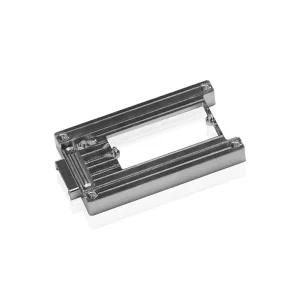
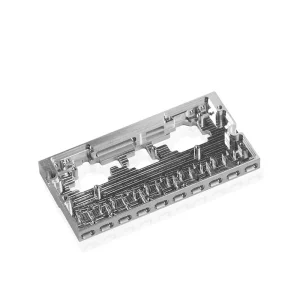
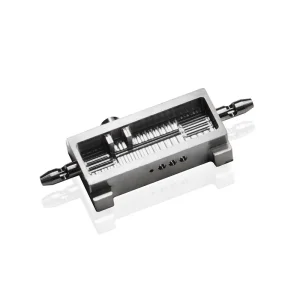
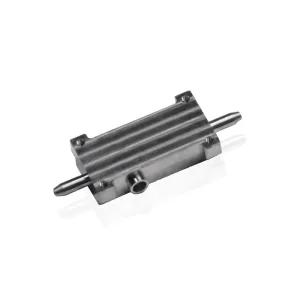
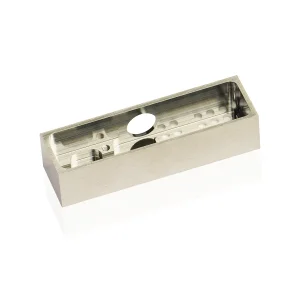
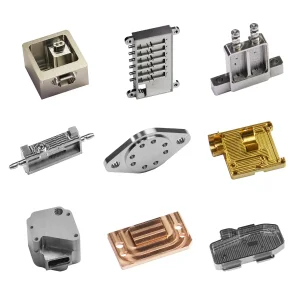
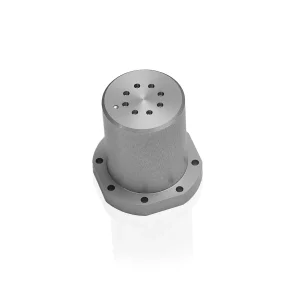
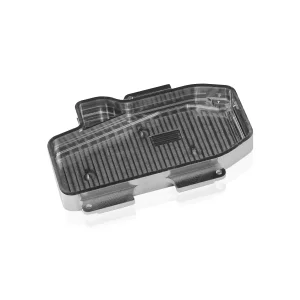
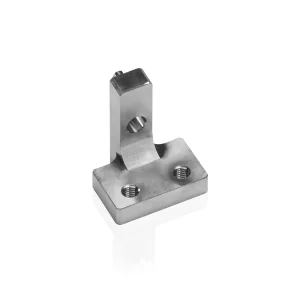
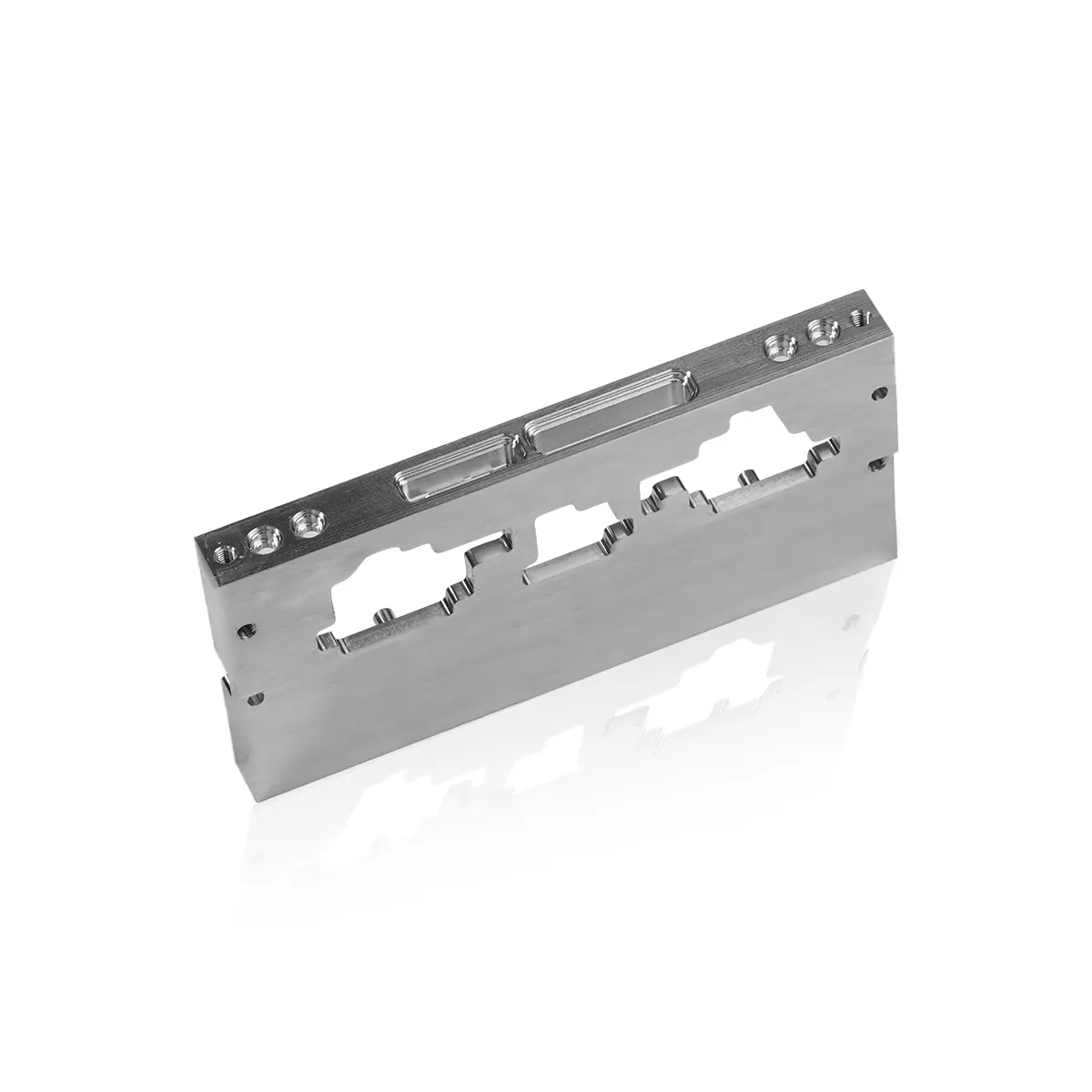
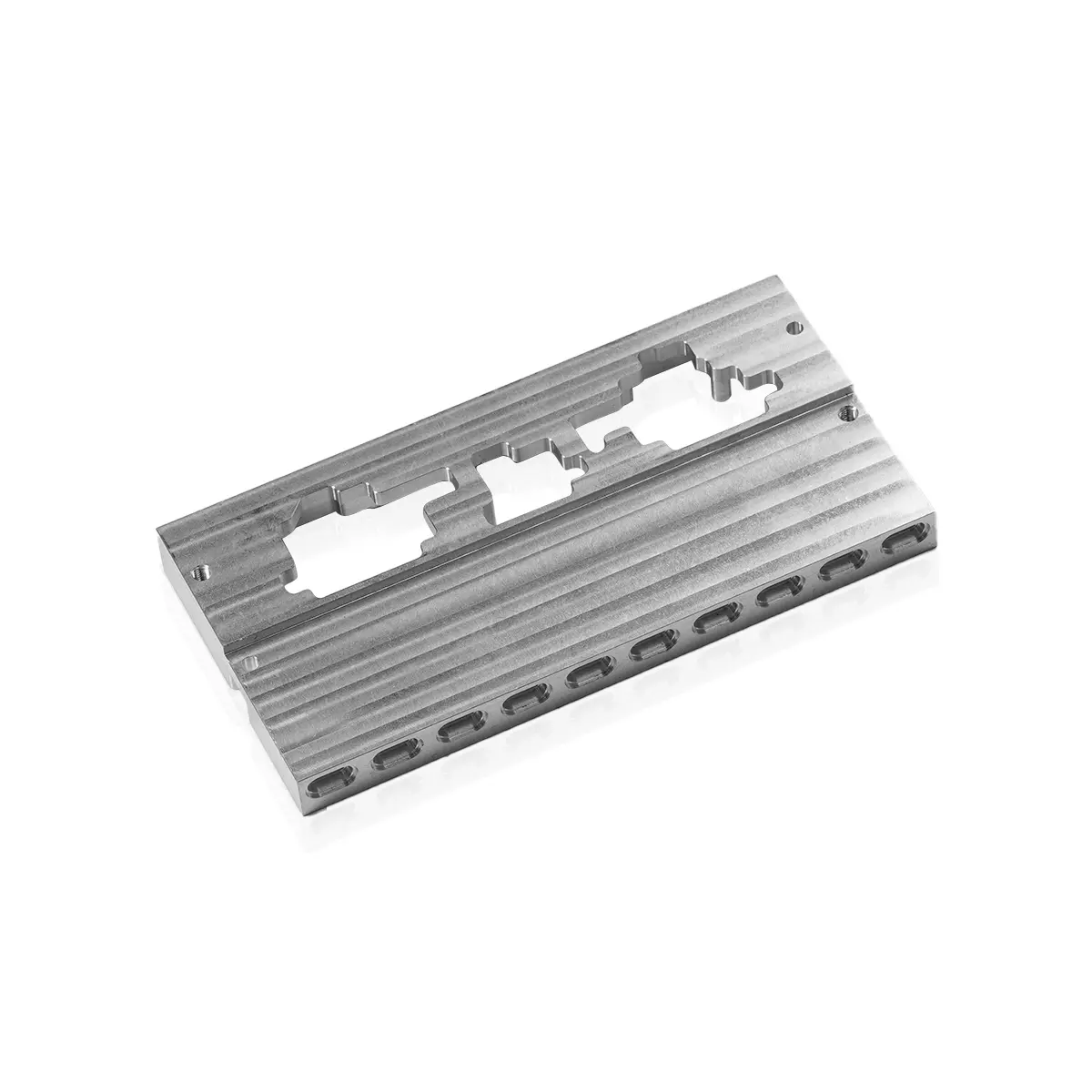
In the field of modern industrial precision manufacturing, a high-rigidity alloy steel precision fixture is becoming a core tool for achieving ultra-precision machining in industries such as automotive, aerospace, and electronics, thanks to its superior performance. It is not only a "positioning master" in machining but also a key support for improving production efficiency and ensuring product quality.
This fixture uses high-quality alloy steel as its main material, undergoing multiple heat treatment processes such as tempering and quenching, achieving a hardness of HRC55 or higher, possessing extremely strong resistance to deformation and wear resistance. This material selection ensures that the fixture will not deform due to stress during high-frequency clamping operations and maintains stable positioning accuracy after long-term use. For scenarios requiring operation in corrosive environments (such as contact with cutting fluids, acidic or alkaline media), its surface can be passivated or coated, increasing corrosion resistance by more than 3 times. Immersion in a 5% hydrochloric acid solution for 1000 hours shows no significant corrosion, fully adapting to the needs of special industries such as medical and chemical industries.
Undergoes high-precision CNC milling, precision grinding, and wire EDM. Dimensional accuracy of key positioning parts is controlled within ±0.002mm, and surface roughness Ra ≤ 0.05μm, meeting "mirror-level" surface requirements. Irregular slots and holes are formed in one step using a 5-axis CNC center, keeping positional error under 0.003mm.
Adopts a modular layout integrating positioning pins, contour blocks, and multi-station clamping. Achieves a 1:1 fit with the workpiece's curved surface via 3D scanning, keeping positioning error ≤0.003mm. Quick-change components complete changeovers within 30 seconds, reducing line changeover time by over 60%.
Exhibits a ±0.002mm repeatability over 1000 continuous cycles. For thin-walled parts, the multi-station uniform clamping structure disperses force, preventing deformation and keeping roundness error within 0.005mm. Supports dynamic compensation when combined with pressure sensors.
Used in engine block boring processes to control positioning errors within 0.02mm, ensuring the coaxiality of the cylinder bore and crankshaft bore to improve engine power output efficiency.
Provides anti-static clamping solutions for micro-connectors, utilizing hard anodized aluminum alloy accessories to prevent electrostatic damage to sensitive electronic components.
Enables titanium alloy blade machining with high-temperature resistant Inconel alloy components operating stably at 300°C. Internal cooling channels solve thermal deformation issues.
Constructed from sterilized 316L stainless steel to participate directly in the ultra-precision grinding of surgical instruments, ensuring burr-free, residue-free surfaces that meet strict hygiene standards.