Explore our core custom product capabilities and proprietary technical iterations
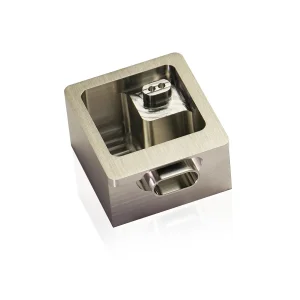
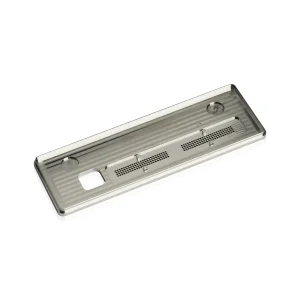
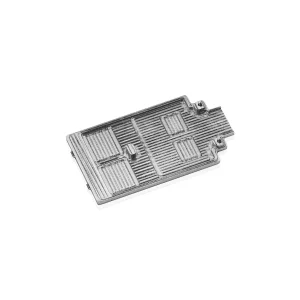
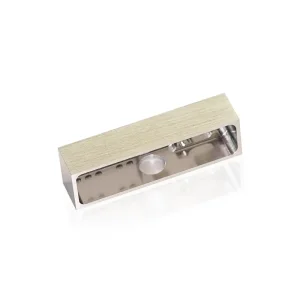
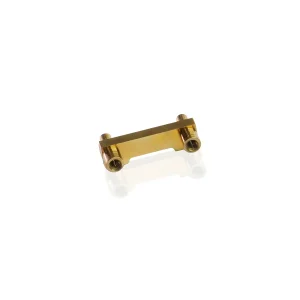
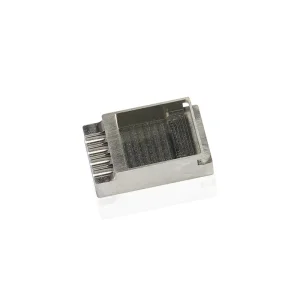
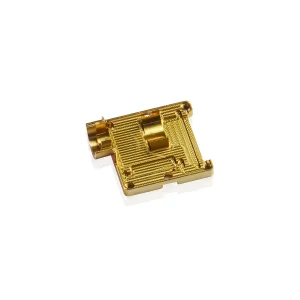
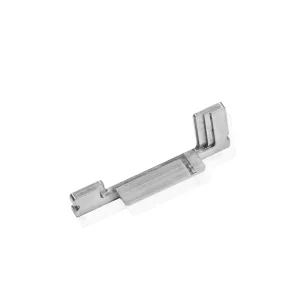
In high-precision manufacturing sectors such as optical communication, semiconductors, and aerospace, custom mold, die, and fixture architectures are crucial assets. A Tooling Ownership Agreement (TOA) establishes the foundational legal blueprint that defines intellectual property boundaries, financial depreciation, custodial duties, and physical migration rights between a global enterprise and its manufacturing factory. Without a technically transparent and legally sound agreement, high-tech supply chains remain heavily exposed to cost overruns, counterfeit risks, and operational disruptions.
When engineering specialized alloys like Kovar (Fe-Ni-Co low expansion alloy), titanium, or high-performance aluminum, the complexity of the tooling scales rapidly. The precision of custom molds directly impacts the structural integrity, hermeticity, and longevity of the final product. Therefore, formalizing the exact definitions of who owns the CAD data, who finances the tooling iterations, who retains custodial liability on the factory floor, and how transfer operations are executed becomes the most critical protective measure for modern hardware brands.
Founded & Rooted in Innovation
Technical Production Experts
Dedicated R&D Engineers
Delivery Efficiency Advantage
For custom manufacturing, a robust Tooling Ownership Agreement must move beyond basic legal templates to incorporate specific manufacturing metrics. Every operational detail—ranging from the definition of a "mold tool" to the precise wear-and-tear thresholds—must be defined. Key pillars of an enterprise-grade agreement include:
Explicitly defines that all CAD models, toolpaths, electrode designs, and 3D configuration data remain the absolute property of the buyer, avoiding downstream design lock-in with a single vendor.
Allocates clear operational duties: the factory provides safe storage and preventative maintenance (polishing, cavity cleaning, component replacement), while defining shot-count limits for tool rebuilding.
Guarantees the buyer's right to physically audit tooling at the factory floor with short notice and legally retrieve the tooling upon balance settlement without artificial operational friction.
A critical gap in standard contracts is the failure to distinguish between "Amortized Tooling" (where the mold cost is spread across the unit cost over a specified order volume) and "Fully Capitalized Upfront Tooling" (paid 100% in advance by the client). A clear agreement leaves no ambiguity: once the final amortization target or upfront invoice is paid, clear legal title to the mold shifts directly to the buyer, preventing hostage scenarios during high-stakes commercial disputes.
Partnering with highly specialized Chinese manufacturers allows global hardware brands to unlock unprecedented engineering speed, structural efficiency, and supply chain scalability. A prime exemplar of this paradigm is Xinyunyang Precision Technology Co., Ltd. (szkovalloy.com).
Founded in November 2014, Xinyunyang has adhered strictly to its core principles of Integrity, Innovation, Cooperation, and Sharing. The company has forged a formidable reputation by leveraging its deep-domain Kovar precision processing technology. This technical core powers miniaturized, highly customized, and ultra-reliable metal packaging solutions optimized for global leaders in semiconductors, optical communications, aerospace, medical devices, new energy, and military technology.
By relying on intelligent, lean production scheduling systems and a dedicated workforce of over 100 people (where technical R&D engineers account for 30% of total staff), Xinyunyang has successfully compressed classical delivery cycles by 15% to 20% for standard and custom tooling orders. This efficiency provides a massive structural advantage for global enterprises looking to minimize time-to-market while keeping mold assets protected under structured, international-standard agreements.
Our long-term operational success and asset-security frameworks are driven by three fundamental technological pillarls built directly into our factory operations:
Xinyunyang employs an elite technical engineering staff comprising 30% of the entire workforce, allowing us to manage, optimize, and execute complicated tooling layouts under strict internal compliance.
Our core engineering leaders have been deeply engaged in precision metal processing for over a decade. They actively pioneer thermal management alloys, hermetic housing designs, and 5G/AI metal structural layouts.
An ISO 9001 quality management framework underpins all manufacturing stages, integrated with an AI-driven production scheduling dashboard that optimizes order progress and tooling custody.
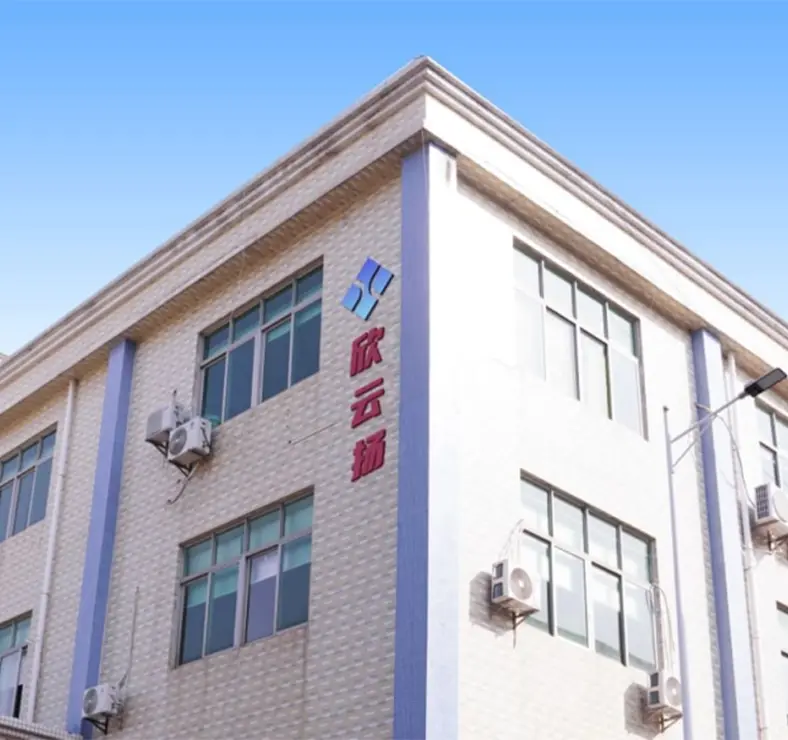
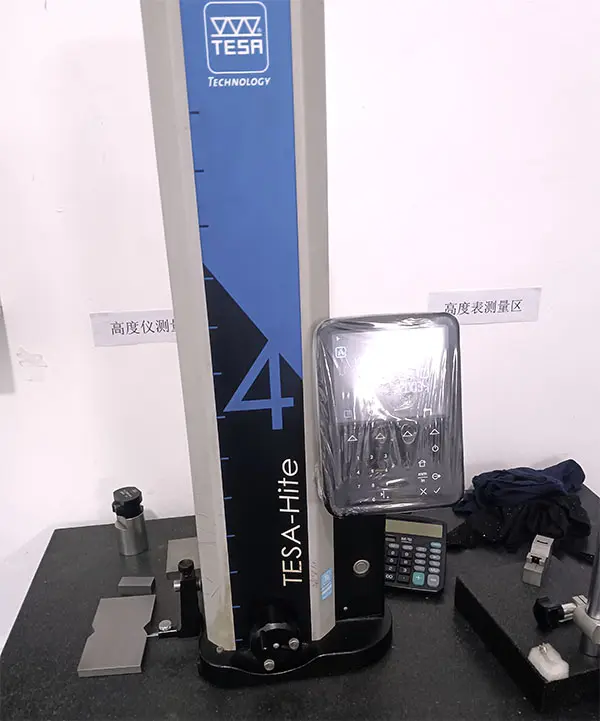
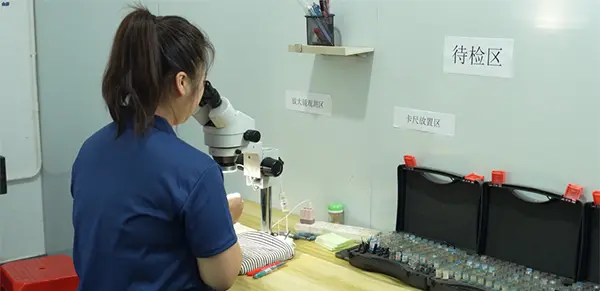
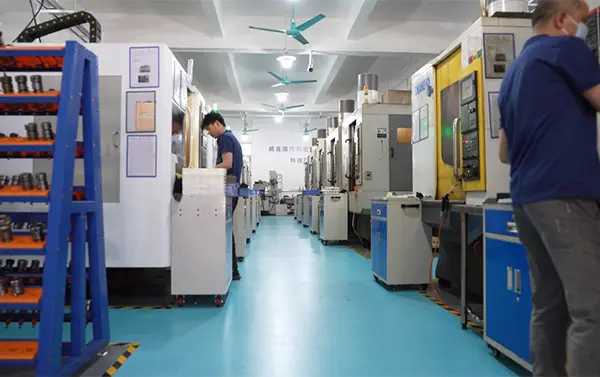
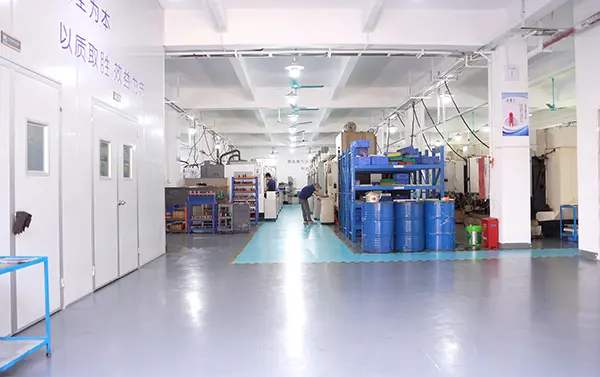
A transparent look at Xinyunyang Precision Technology Co., Ltd.'s advanced manufacturing facilities, processing equipment, and specialized testing environments:
Modern procurement operations are not governed solely by mechanical tolerances; they must also navigate international trade regulations and ecological mandates. Cross-border tooling agreements must actively incorporate Localization Support and strict environmental compliance parameters to survive complex audits.
A reliable high-tech manufacturing partner must support regulatory benchmarks such as RoHS Compliance, REACH Declarations, and comprehensive ESG (Environmental, Social, and Governance) tracking. For example, when manufacturing military-grade RG connectors or high-power RF modules, the Kovar raw materials and secondary plating (such as gold, nickel, or copper) must be certified 100% Conflict-Free. Keeping trace documentation accessible through a secure manufacturing workflow protects the OEM from severe legal fines and negative brand perception.
By working directly with Xinyunyang, global brands gain access to a localized powerhouse capable of managing these certification systems seamlessly. We don't just engineer tooling; we construct a complete, low-risk legal and mechanical environment that conforms to the expectations of Fortune 500 audit committees and regulatory bodies alike.
As advanced technology scales, several defining trends are reshaping the precision tooling and hardware component landscape:
Optoelectronic systems, advanced optical networks, and 5G RF front-ends require cavity alignments with sub-micron tolerances, demanding high-hardness molds and advanced multi-axis CNC machines.
Semiconductor systems operating in aggressive environments depend on perfect hermetic seals. This requires tight CTE matching, achievable only via extremely high-precision manufacturing processes.
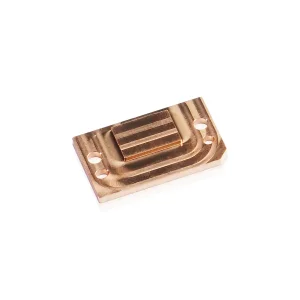
Advanced computing, vehicle electrification, and dense server arrays generate massive thermal loads, accelerating the demand for complex, custom copper heat sinks and integrated cooling systems.
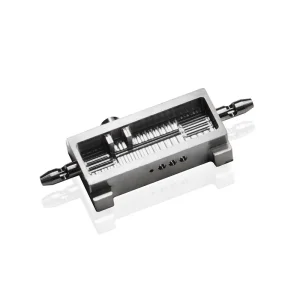
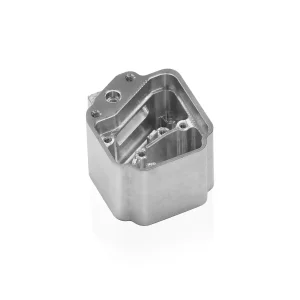
To contextualize how these trends manifest in localized supply chains, consider the following applications:
Get answers to critical technical and legal questions concerning high-precision tooling ownership, asset protection, and supply chain collaboration.
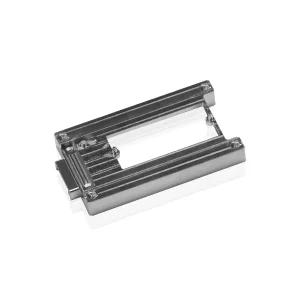
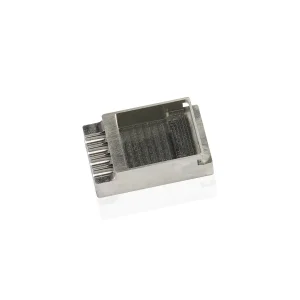
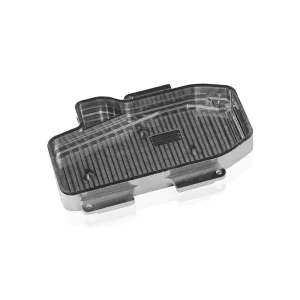
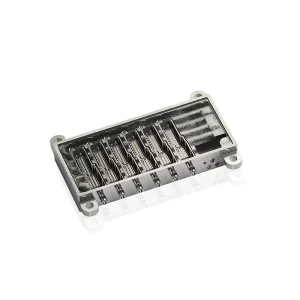
Advanced high-reliability systems, cavity machining, and custom hardware alloys
 Xinyunyang Precision