 Xinyunyang Precision
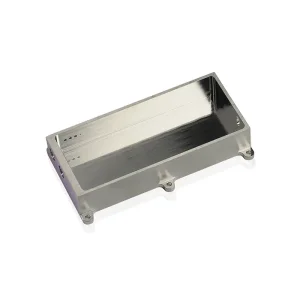
Novosibirsk Supply
High-Quality Metal sealed installation box Manufacturers, Factories
Metal sealed installation box options for hermetic enclosures and local industrial electronics programs.
These four product lines are positioned for Novosibirsk research institutes, instrument builders, aerospace suppliers, and medical device teams that need fast technical review, samples, and quotation support from an experienced China factory.
Metal sealed installation box options for hermetic enclosures and local industrial electronics programs.
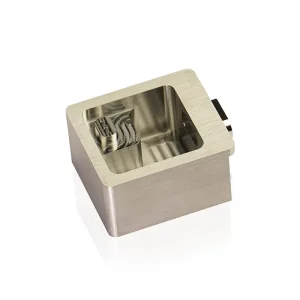
Lightweight precision housings for instrumentation, control modules, and embedded electronics.
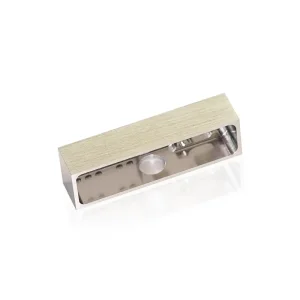
Protective and structural armor components for aerospace and high-reliability device packaging.
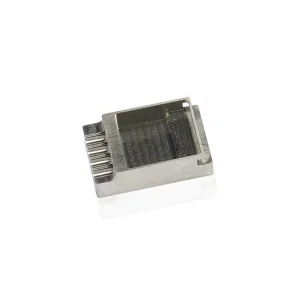
Environmentally conscious Kovar sourcing and process options for ESG-aware procurement teams.
Novosibirsk is not simply a regional destination for imported metal components. It is one of Russia's most concentrated science and engineering ecosystems, with strengths in semiconductor physics, laser and optical instrumentation, aerospace payloads, nuclear research, medical diagnostics, and industrial automation. For engineers in Akademgorodok and the wider Novosibirsk industrial corridor, the package shell is often the smallest but most consequential part of the bill of materials. It determines whether a laser diode, microwave connector, sensor, or implantable device can survive years of thermal cycling, humidity, vacuum, and mechanical shock.
Kovar (4J29) remains the reference material for glass-to-metal and ceramic-to-metal sealing because its coefficient of thermal expansion is engineered to match borosilicate and other sealing glasses. A package shell that is dimensionally correct but metallurgically inconsistent can pass incoming inspection and still fail during hermeticity testing or field deployment. That is why serious buyers compare not only price per piece but also material traceability, CTE control, machining tolerance, plating quality, leak-test discipline, and clean packaging.
This whitepaper is written for procurement engineers, design authorities, and program managers who need a practical view of sourcing Kovar package shells from China for Novosibirsk programs. It combines local application scenarios with a qualification roadmap, compliance considerations, supply-chain resilience, and the factory experience of Xinyunyang Precision Technology Co., Ltd.
The Novosibirsk market rewards suppliers who understand the difference between a catalog part and a qualified package. The same Kovar shell may be used in a laboratory laser, a satellite transceiver, a medical analyzer, or an industrial sensor, but the acceptance criteria are rarely identical.
Novosibirsk's research and production base in semiconductor physics, optics, and laser systems creates demand for miniaturized hermetic packages, laser diode carriers, optical windows, and RF feedthrough housings. In these applications, Kovar (4J29) is often selected for CTE matching, dimensional stability, and compatibility with glass-to-metal sealing. Buyers should define sealing glass, plating, leak rate, and outgassing limits before quoting.
Novosibirsk's aerospace and instrument-making heritage supports payloads, avionics, and high-reliability electronics. Package shells for these programs may require vacuum brazing, nickel or gold plating, magnetic-property control, and serialized inspection records. A qualified China factory can provide process documentation and lot traceability that help local integrators reduce incoming inspection risk and shorten design iterations.
Medical diagnostics, analytical sensors, and implantable or wearable electronics demand clean surfaces, consistent plating, and reliable hermeticity. For Novosibirsk device developers, Kovar package shells can be supplied as machined preforms, plated subassemblies, or seal-ready lids. Tight collaboration on cleaning, packaging, and biocompatibility-adjacent processes is essential when moving from prototype to series production.
Siberian temperature swings, vibration, and long service intervals make robust packaging a practical requirement in energy, mining, transport, and industrial automation. Kovar shells and precision metal housings protect sensors, power modules, and control electronics. Corrosion-resistant finishes, controlled expansion, and mechanical shock resistance should be reviewed together rather than as isolated specifications.
Kovar, known as 4J29 in Chinese standards and widely recognized internationally as a controlled-expansion iron-nickel-cobalt alloy, is selected because its thermal expansion behavior can be matched to borosilicate glass and certain ceramics over the sealing cycle. That match reduces residual stress at the glass-to-metal interface, lowers the risk of micro-cracks, and supports hermeticity after thermal shock. The material also offers useful strength, formability, and machinability before sealing, which is why it remains central to hermetic package lids, feedthroughs, windows, connectors, and sensor housings.
However, the specification sheet is only the beginning. The manufacturing route determines the final result: vacuum melting or remelting, forging, annealing, precision machining, edge break, surface preparation, nickel or gold plating, pre-oxidation, brazing, leak testing, and clean packaging. For Novosibirsk programs that combine low-volume R&D with later series production, the factory must be able to freeze a qualified process and then scale it without changing critical parameters.
Incoming chemistry, grain structure, hardness, and expansion behavior should be controlled before machining. Heat-treatment history matters because it influences dimensional stability and sealing performance. A factory with in-house process discipline can trace each lot from raw material to finished shell.
Plating thickness, adhesion, solderability, and pre-oxidation conditions can change wetting behavior during glass or ceramic sealing. For RF, vacuum, and medical devices, surface quality must be verified with the sealing process, not treated as a separate purchasing item.
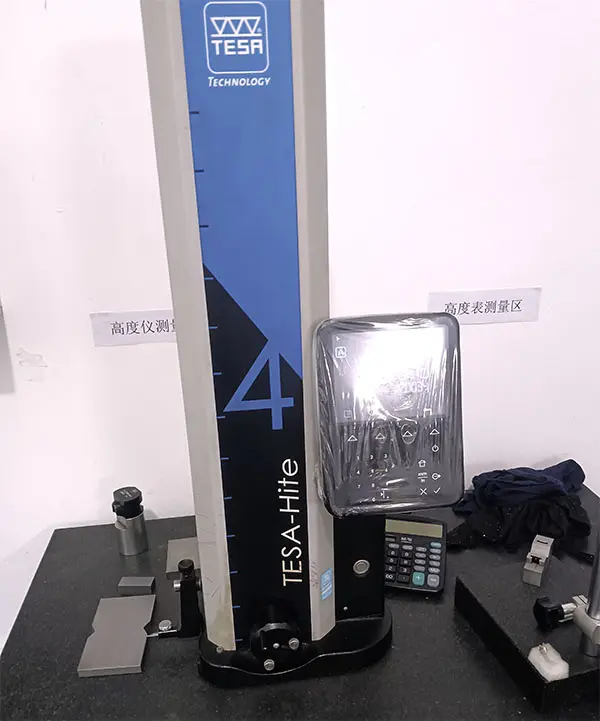
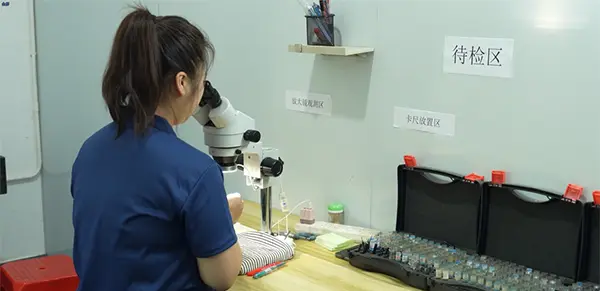
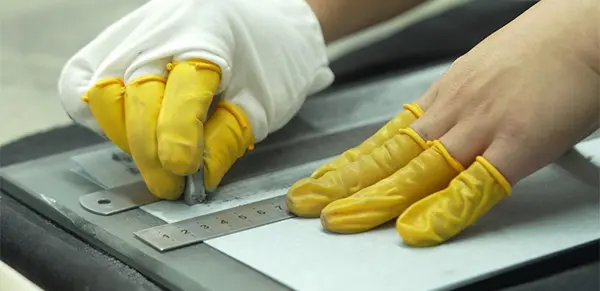
Package shells often combine thin walls, fine features, and tight flatness requirements. A practical inspection plan includes first-article inspection, critical-dimension checks, optical inspection, plating thickness measurement, and leak testing based on the agreed method and acceptance criteria.
Early review of wall thickness, braze fillets, lid geometry, and feedthrough clearance can reduce trial cycles. Novosibirsk design teams can share 2D drawings, 3D models, sealing-glass data, and application conditions to receive a manufacturability review before tooling.
The next cycle of Novosibirsk instrumentation and electronics will be shaped by miniaturization, higher thermal loads, more complex RF interfaces, and stronger traceability requirements. A supplier roadmap should support each stage without forcing a complete re-qualification.
Five-axis machining, fine edge breaks, thin-wall stability, and high-resolution inspection support smaller laser, sensor, and photonic packages. The key is to control distortion before plating and sealing.
AI accelerators, power modules, and RF connectors push package shells toward integrated thermal paths, tighter flange flatness, and reliable plated surfaces. Design reviews should include sealing and assembly, not just machining.
Green manufacturing, conflict-free 4J29, and RoHS-compliant hermetic seals are becoming procurement requirements. Suppliers should be ready to document material origin, restricted substances, and environmental process controls.
Serialized inspection records, digital certificates, and process dashboards reduce the cost of incoming inspection. For long-life Novosibirsk programs, a documented digital thread is as valuable as the metal itself.
China's precision metal manufacturing ecosystem offers a deep base of special-metal melting, machining, plating, brazing, metrology, and export logistics. For Novosibirsk buyers, the advantage is not simply lower labor cost; it is the ability to run material control, tooling, machining, surface treatment, inspection, and packaging under a coordinated production plan. Xinyunyang focuses on Kovar precision processing technology and serves semiconductors, optical communications, aerospace, medical devices, and new energy/military industry with miniaturized, customized, and high-reliability metal packaging solutions.
4J29 Kovar quality begins with controlled chemistry and expansion behavior. A factory working deeply with Kovar and titanium alloys can coordinate material selection, annealing, and process parameters instead of treating the alloy as a commodity.
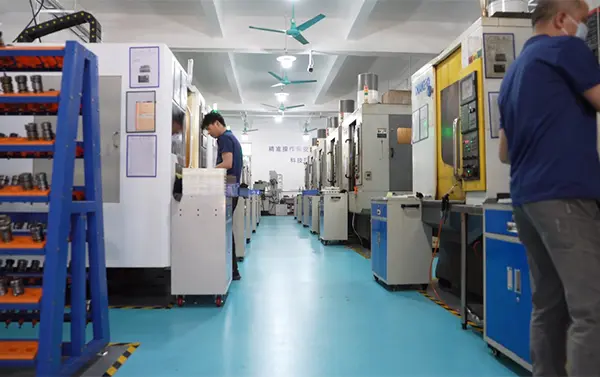
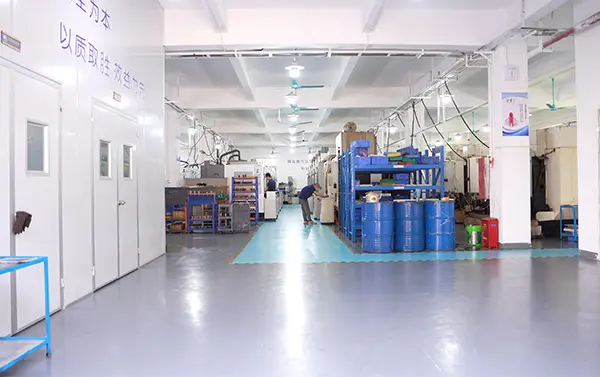
Precision CNC machining, fixture design, edge preparation, and clean assembly reduce hand-offs. The company has a professional team of more than 100 people, of which technical engineers account for 30%, and core members have more than ten years of precision metal processing experience.
ISO 9001 certified quality management and an intelligent production scheduling system support repeatable delivery. For regular orders, Xinyunyang has increased delivery efficiency by 15%-20%, which is relevant when Novosibirsk teams need samples, bridge stock, or series production without long pauses.
China-to-Novosibirsk routes can combine air freight for urgent prototypes with rail or consolidated freight for series orders. Robust inner packaging, moisture barriers, desiccant, and shock protection are essential for Siberian winter transit and multi-modal handling.
Kovar package shells sit inside a global supply chain that is increasingly evaluated on resilience as well as unit price. Semiconductor equipment, aerospace electronics, medical devices, and energy systems all require controlled-expansion alloys, but buyers are diversifying suppliers to reduce single-region risk. China remains a major source for precision machining and metal packaging because of its integrated supplier base, skilled engineering workforce, and ability to support both low-volume customization and series production.
At the same time, Novosibirsk buyers are rightly cautious about quality consistency, documentation, and delivery reliability. The right sourcing model is not a blind switch to the lowest quotation. It is a structured dual-track qualification: keep critical legacy suppliers where required, while developing a China factory partner for new designs, cost-down programs, and capacity expansion. A factory with ISO 9001, clear inspection records, material traceability, and experience in Kovar and titanium alloys can serve as a stable second source or primary supplier for hermetic package shells.
Procurement teams in Novosibirsk are increasingly asked to balance technical performance with environmental and compliance evidence. These four lines address advanced safety, ESG, CNC precision, and portable power applications.
Conflict-free 4J29 and RoHS-compliant hermetic seal options for military RG connector programs.
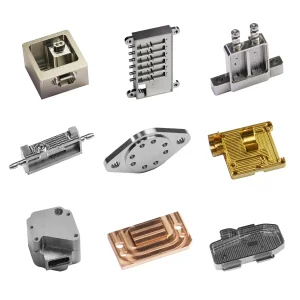
Custom CNC machining for Novosibirsk prototypes, fixtures, and low-to-medium volume production.
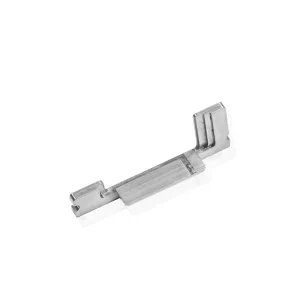
Aerospace safety armor and protective structures for high-reliability device integration.
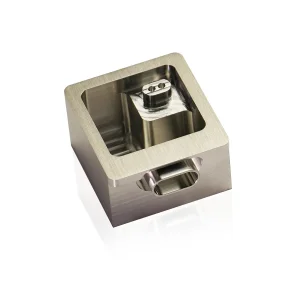
Portable power and LED illumination for field service, mining, transport, and emergency use.
Sourcing outside Russia requires a clear documentation and logistics plan. For Novosibirsk projects, the supplier should be able to support engineering communication, material declarations, inspection records, and export packaging. Where EAC or GOST evidence is required by the buyer's conformity assessment process, the factory can provide material certificates, process records, and test reports that feed into that assessment. The buyer should confirm the exact regulatory route with its local compliance authority before shipment.
Material certificates, dimensional reports, plating records, leak-test data, RoHS/REACH declarations, and conflict-minerals statements can be prepared according to the agreed inspection and acceptance plan. These documents reduce ambiguity during customs review and customer quality audits.
Novosibirsk's winter conditions require moisture barriers, desiccant, shock absorption, and stable inner packaging. Parts should be protected from condensation during temperature transitions. Export cartons can be labeled in English and Russian to support local receiving and warehouse checks.
Chinese and English technical communication is supported. For Russian-language documentation, local partners can assist with translation and review. The fastest qualification route is usually a drawing review, a small sample lot, and a joint inspection plan before series tooling.
Batch traceability from raw material to finished package shell simplifies root-cause analysis if a sealing or plating issue appears. A clear 8D-style response process, replacement policy, and engineering follow-up are more valuable than a low price when production is ramping.
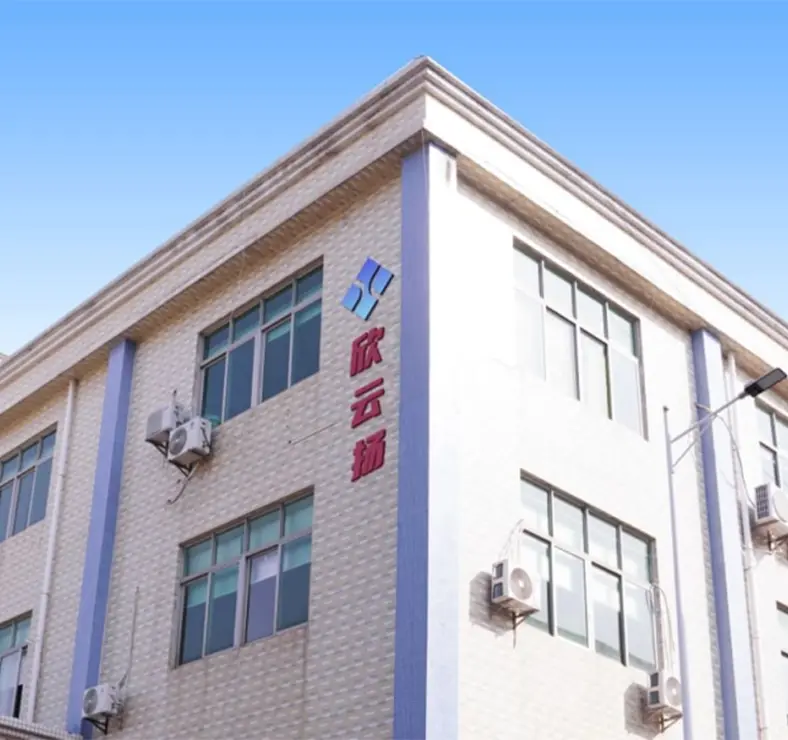
Overview of Xinyunyang Precision Technology Co., Ltd.
A famous company that was founded in November 2014. From the beginning, the company has adhered to its initial intention of industry, sticking to the business principles of Integrity, Innovation, Cooperation, and Sharing.
The company focuses on Kovar precision processing technology as its core competitiveness, deeply cultivates the fields of semiconductors, optical communications, aerospace, medical devices and new energy/military industry, and is committed to providing miniaturized, customized and high-reliability metal packaging solutions to global customers.
Our goal is to become a significant hermetic package lids, Kovar alloy components, and precision parts supplier in China .and even worldwide after years of continuous effort, with the support of our partners and customers.
 High-precision processing capabilityAdvanced technology and equipmentStrict quality controlFlexible customized services
The company has a professional team of more than 100 people, of which technical engineers account for 30%.
The core members have been deeply engaged in precision metal processing for more than ten years, and continue to explore the composite processing technology of special metals such as Kovar and titanium alloys, and proactively layout the cutting-edge packaging needs in the fields of 5G, artificial intelligence and new energy.
With the ISO 9001 certified quality management system and intelligent production scheduling system, Xinyunyang has increased the delivery efficiency of regular orders by 15%-20%, becoming a key supplier with both technical depth and service breadth in the global high-end manufacturing industry chain.
Lead time depends on drawing complexity, material availability, plating requirements, and inspection level. A typical sequence includes drawing review, sample production, first-article approval, and series production. Air freight can shorten transit for urgent prototypes, while rail or consolidated freight is often more economical for series orders. Provide a target date and annual volume so the factory can propose a realistic schedule.
Yes. Custom support can include machining, lid and base matching, feedthrough features, plating options, and inspection planning. For the best result, share 2D drawings, 3D models, sealing-glass information, application temperature range, leak-rate target, and any military, aerospace, or medical quality requirements. Early manufacturability review can reduce trial cycles.
CTE and material chemistry are controlled through incoming material certification and process validation. Hermeticity is verified according to the agreed method, such as helium leak testing or fine leak testing, with acceptance criteria stated in the inspection plan. Buyers should specify the test method, sample size, and documentation format before production.
Depending on the product, documentation can include material certificates, dimensional reports, plating records, leak-test data, RoHS and REACH declarations, and conflict-minerals statements. Where EAC or GOST evidence is needed, these records can support the buyer's conformity assessment process. Confirm the exact regulatory route with your local compliance authority.
Export packaging should use moisture-barrier bags, desiccant, shock-absorbing foam, and sturdy cartons. Temperature transitions can cause condensation, so packaging design must consider the route and storage conditions. Labels can be prepared in English and Russian to support receiving and warehouse inspection.
Yes. A practical program usually starts with a small pilot lot, first-article inspection, and process freeze. Once approved, the factory can scale to regular orders. Xinyunyang's intelligent production scheduling and ISO 9001 quality management system support both customization and repeatable delivery.
A factory relationship provides access to engineering review, tooling control, custom machining, plating coordination, and direct traceability. Local distributors can offer convenience and some inventory, but a factory partner is often better for custom Kovar package shells, cost-down programs, and long-term capacity planning. Many Novosibirsk buyers use a dual-source model to balance speed and resilience.
Send the drawing, material specification, quantity, target delivery date, inspection requirements, and any compliance documents needed. Use the Send Inquiry Now button on this page to start a technical review. If you have an existing part number or sample, include photos and measured dimensions to speed up the quotation.
Beyond package shells, Novosibirsk programs often require precision CNC parts, safety armor, linear motion components, aviation filter parts, and ultra-precision tooling fixtures. These eight lines give local buyers a broader sourcing window.
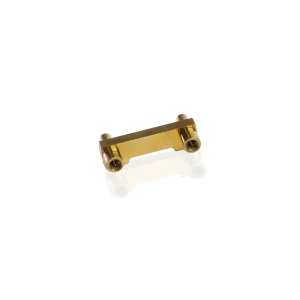
Industrial design and precision manufacturing for visible technology products and premium equipment.
Kovar alloy CNC machining for CTE-sensitive precision parts and hermetic package components.
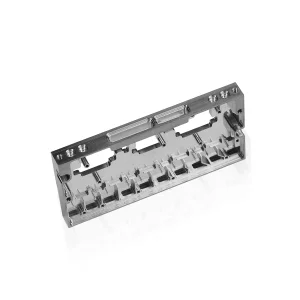
Multi-industry Kovar machining support for aerospace, semiconductor, and medical applications.
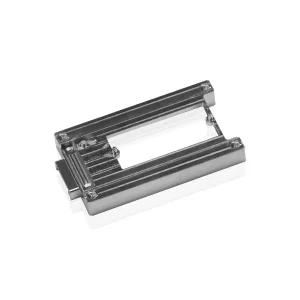
CNC metal structures and lightweight alloy housings for electronic equipment and control systems.
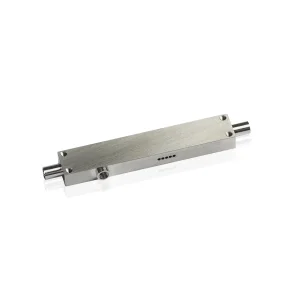
Stainless steel linear actuators for precision motion control and industrial automation.
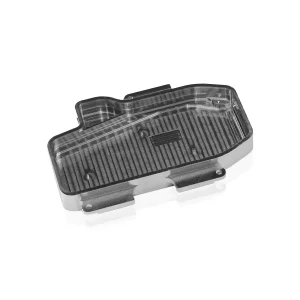
Compact aviation filter components for reliable operation in demanding environments.
Custom CNC machining for prototype parts, production fixtures, and specialized metal components.
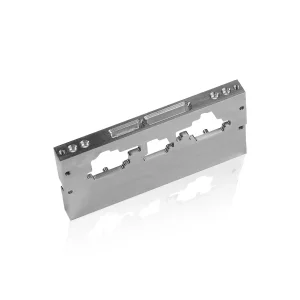
Micron-level alloy steel tooling fixtures for ultra-precision manufacturing and inspection.
Share your drawing, sealing-glass data, quantity, inspection standard, and target delivery date. The engineering team will review manufacturability and propose a practical route for prototypes or series production.
Send Inquiry Now