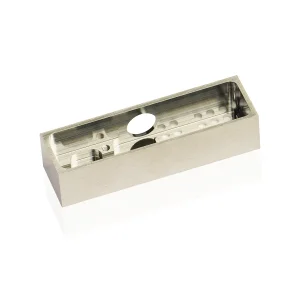
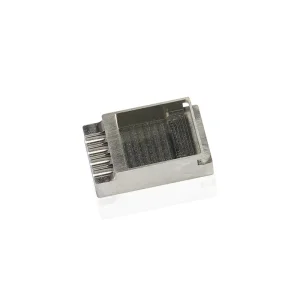
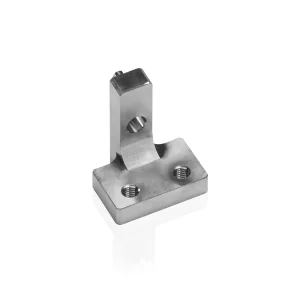
Explore our premium-tier custom metal packaging, high-precision cavities, and CTE-engineered hardware solutions manufactured to exacting dimensions.
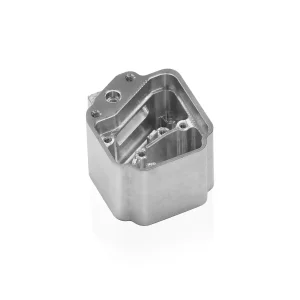
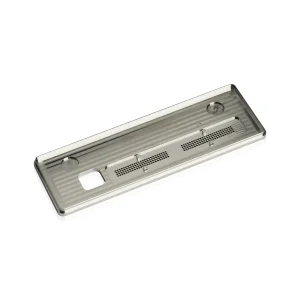
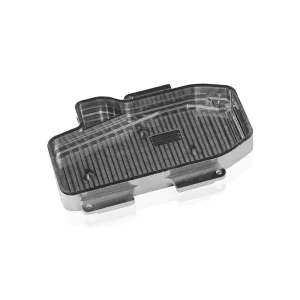
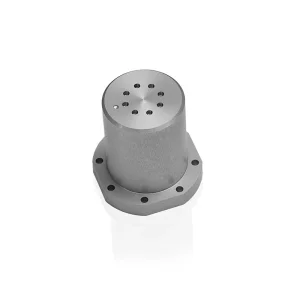
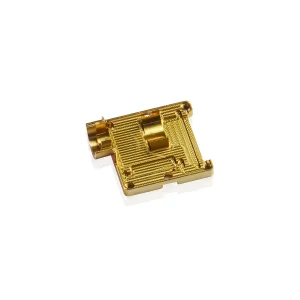
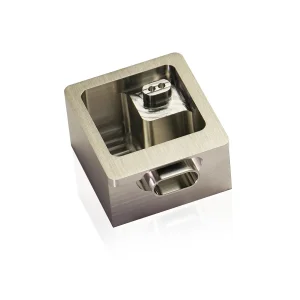
In the modern landscape of high-precision component fabrication, understanding CNC milling machine dimensions is not merely a matter of checking axis clearances. It is a complex engineering discipline that dictates the volumetric capacity, dynamic structural rigidity, and thermal stability of custom solutions. Whether you are sourcing components for the defense sector, aerospace systems, or optical communications, the geometric envelope of a CNC milling machine directly influences tool deflection, cutting forces, and the final dimensional tolerancing of processed alloys.
At Xinyunyang Precision Technology Co., Ltd., we harmonize mechanical footprint capacity with sub-micron tool accuracy to satisfy critical envelope thresholds. Large-scale structural components require machines with high rigidity and extensive travel coordinates (X, Y, Z axes), while miniaturized packaging demands micro-milling layouts configured to minimize thermal drift. By selecting machine sizes optimized for targeted work envelopes, we reduce path deviations, control vibration amplitudes, and deliver micro-machined parts with flawless micro-finishes.
Choosing a CNC milling platform with a working envelope larger than the workpiece size minimizes high-frequency harmonic vibrations. Rigidity scales with machine mass; when processing low-expansion alloys like Kovar (4J29) or high-strength titanium, utilizing optimized dimensional setups ensures the stability of glass-to-metal (GTMS) hermetic packaging barriers.
The global semiconductor and telecommunications supply chain demands zero-defect, high-yield manufacturing methodologies. As micro-optoelectronic and aerospace platforms shift toward localized, high-reliability networks, tier-1 procurement managers struggle with component integration delays. Standard supplier tolerances are often mismatched with high-frequency thermal expansions, resulting in joint cracking and signal degradation.
Understanding the layout of global CNC milling machine capacities is vital for strategic risk mitigation. In North America and Europe, strict compliance rules govern high-performance materials like Kovar, Invar, and advanced titanium grades. A reliable manufacturing partner must align micro-scale dimensions with macro-level mechanical properties.
 Coefficient of Thermal Expansion (CTE): Perfect control of Kovar alloy expansion curves matching borosilicate glasses (4.7±0.2×10⁻⁶/℃).
Sub-Micron Flatness Tolerances: Critical for high-speed 5G optoelectronic module installations and multi-channel rotary joints.
Ultra-low Insertion Loss: High-precision machining profiles optimized for operations above 40GHz with losses <0.26dB.
Coefficient of Thermal Expansion (CTE): Perfect control of Kovar alloy expansion curves matching borosilicate glasses (4.7±0.2×10⁻⁶/℃).
Sub-Micron Flatness Tolerances: Critical for high-speed 5G optoelectronic module installations and multi-channel rotary joints.
Ultra-low Insertion Loss: High-precision machining profiles optimized for operations above 40GHz with losses <0.26dB.
A Premier Pioneer in High-Precision CNC Machining and Kovar Alloy Processing Solutions
Backed by over 100 dedicated technical operators, with specialized engineers representing 30% of the entire team. Our experts handle everything from micro-milling programming to materials characterization, maintaining high execution standards.
Core engineering members possess over a decade of hands-on precision metal fabrication experience. We explore complex machining techniques for advanced alloys (Kovar, Titanium, Nickel) to stay ahead of 5G, AI, and military requirements.
Certified ISO 9001 processes integrated with dynamic cloud ERP production management. This advanced workflow increases standard delivery lead-times by 15% to 20%, ensuring rapid response and superior quality control.
Technical benchmarks for material handling, tolerances, and multi-axis envelope capabilities.
| Machining Platform Type | Typical Axis Travel (X / Y / Z mm) | Positional Accuracy (mm) | Material Compatibility | Primary Industrial Applications |
|---|---|---|---|---|
| Micro-Precision Milling Centre | 300 x 200 x 150 | ±0.0015 (1.5μm) | Kovar (4J29), Invar, Copper, Gold-Plated Alloys | Optoelectronic packages, Sub-40GHz RF enclosures, Micro-cavity frames |
| High-Speed 5-Axis Portal Milling | 800 x 600 x 500 | ±0.0030 (3.0μm) | Titanium Alloys, Aluminum, 316L Stainless Steel | Aerospace structural assemblies, Medical device implants, Rotary joints |
| Heavy-Duty Precision Gantry Mill | 1600 x 1200 x 800 | ±0.0080 (8.0μm) | Carbon Steel, Cast Iron, Structural Alloys | Industrial machinery bases, Heavy equipment control panels, Protective chassis |
| Ultra-Precision Swiss Lathe-Mill Combo | 250 (Diameter) x 400 (Length) | ±0.0020 (2.0μm) | Kovar, Titanium, Brass, Beryllium Copper | Encapsulated tube housings, Hermetic pins, Linear actuators, Optical connectors |
When supplying to highly regulated territories including North America, the European Union, Japan, and Southeast Asia, manufacturers must ensure strict localized compliance and traceability. Aerospace components must comply with AS9100 quality standards, while electrical enclosures must adhere to RoHS and REACH environmental guidelines.
Xinyunyang has pioneered specialized green processing workflows for Kovar (4J29) materials. Our methods minimize hazardous waste discharge while preserving the microstructural properties of the alloy. Furthermore, our robust localization support ensures that global clients receive comprehensive technical documentation, material mill sheets, and dimensional inspection records. This streamlines custom clearance and integration into critical domestic manufacturing systems.
From custom 5G optical housings deployed in ultra-low temperature Scandinavian bases to high-corrosion industrial marine rotary connections, our tailored engineering process considers local atmospheric profiles. We customize post-machining finishes, including electrolytic gold plating, nickel diffusion layers, and passive conversion layers, to deliver maximum operational lifespans under harsh conditions.
As artificial intelligence, quantum computing, and high-frequency communication protocols scale, the dimensional standards of CNC machining are shifting toward nanoscale parameters. The upcoming technological generation requires sub-micron flatness tolerances to avoid signal distortion at extremely high frequencies.
Our technology roadmap focuses on combining smart production line systems with real-time laser feedback loops. This system monitors dynamic thermal expansions during the milling process, allowing the machine to self-correct for real-time tool wear and spindle heating.
By integrating green manufacturing methodologies, we minimize carbon footprints, recycle expensive chemical scrap, and provide clean industrial solutions. Working closely with our international research partners, we aim to deliver next-generation metal packaging designs that pave the way for sustainable global electronics production.
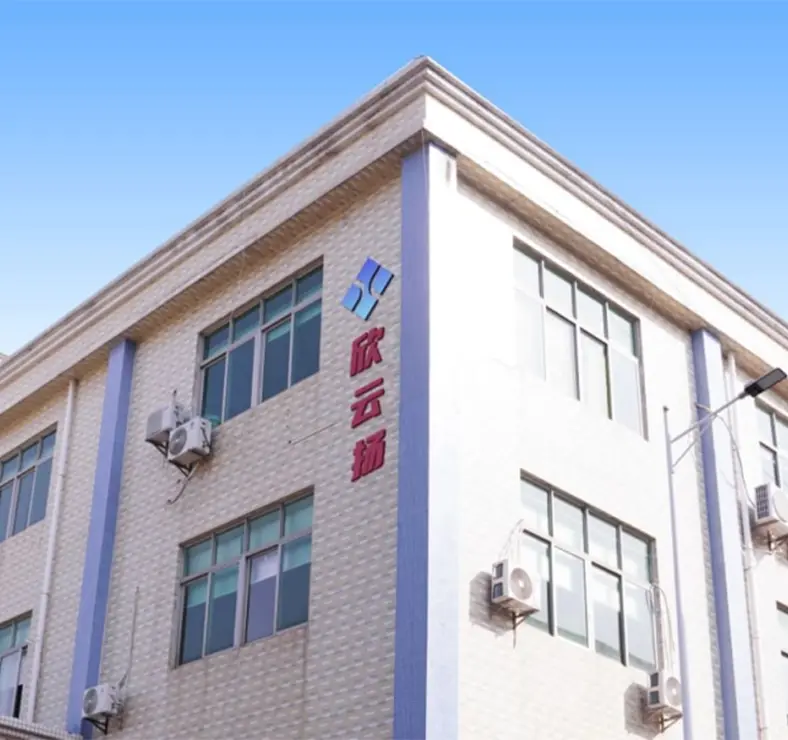
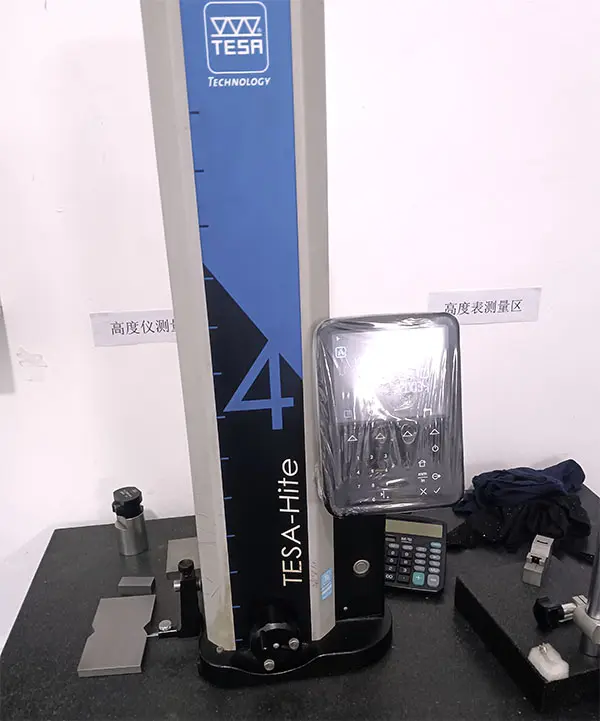
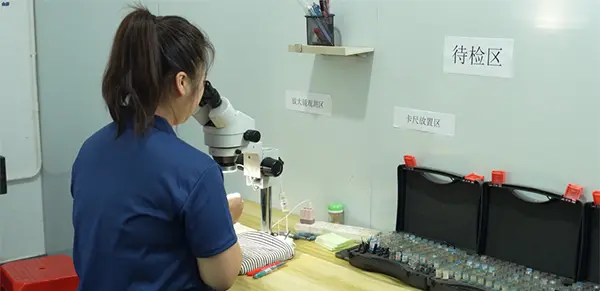
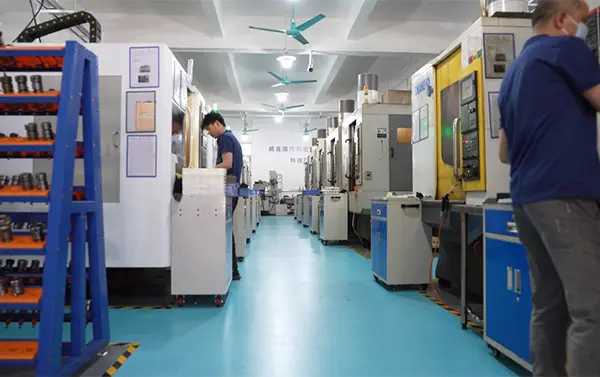
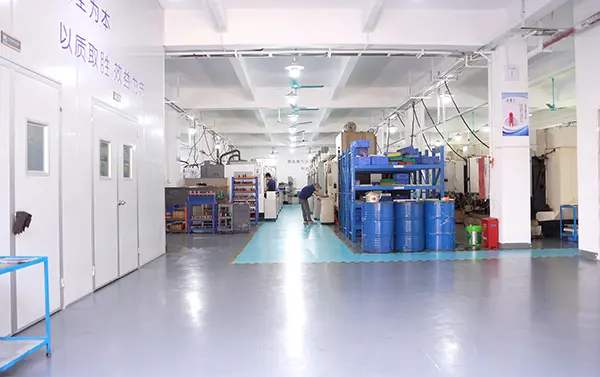
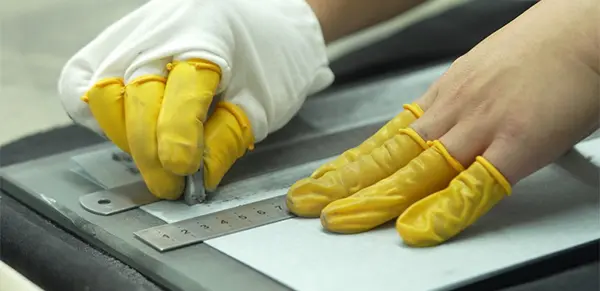
A detailed look into our state-of-the-art manufacturing hubs and quality control centers.
In-depth industry answers addressing thermal characteristics, sizing, and global sourcing strategies.
Explore our industrial cornerstones, precision actuators, hermetic housing connectors, and custom metal alloys.
 Xinyunyang Precision