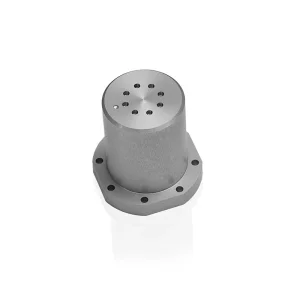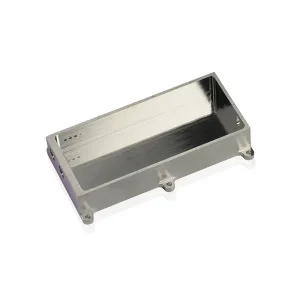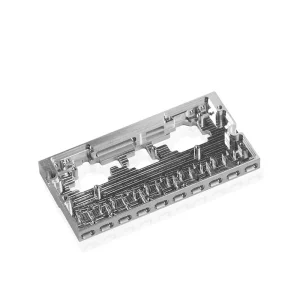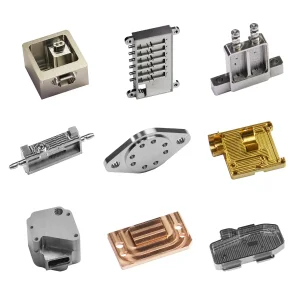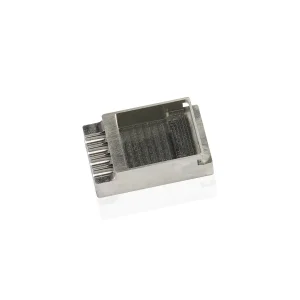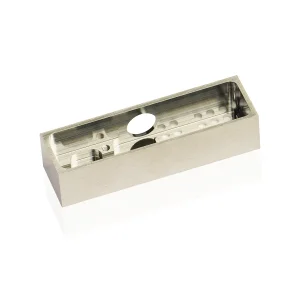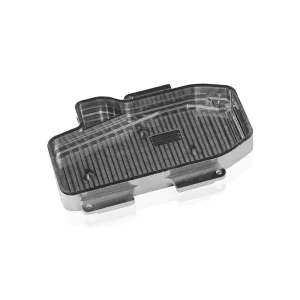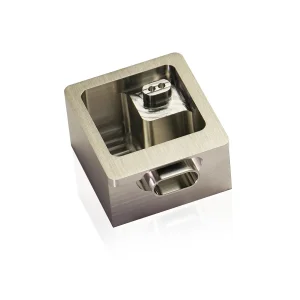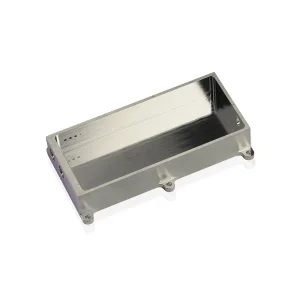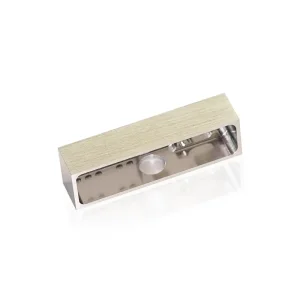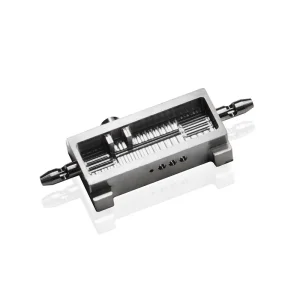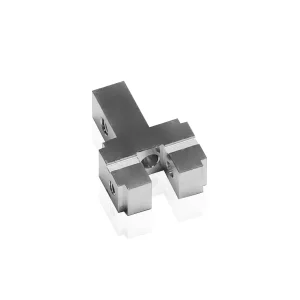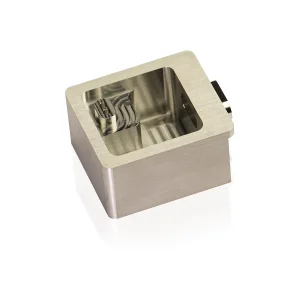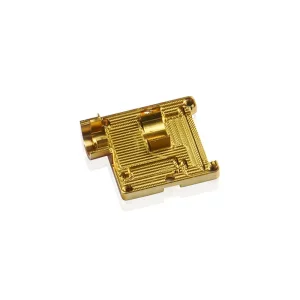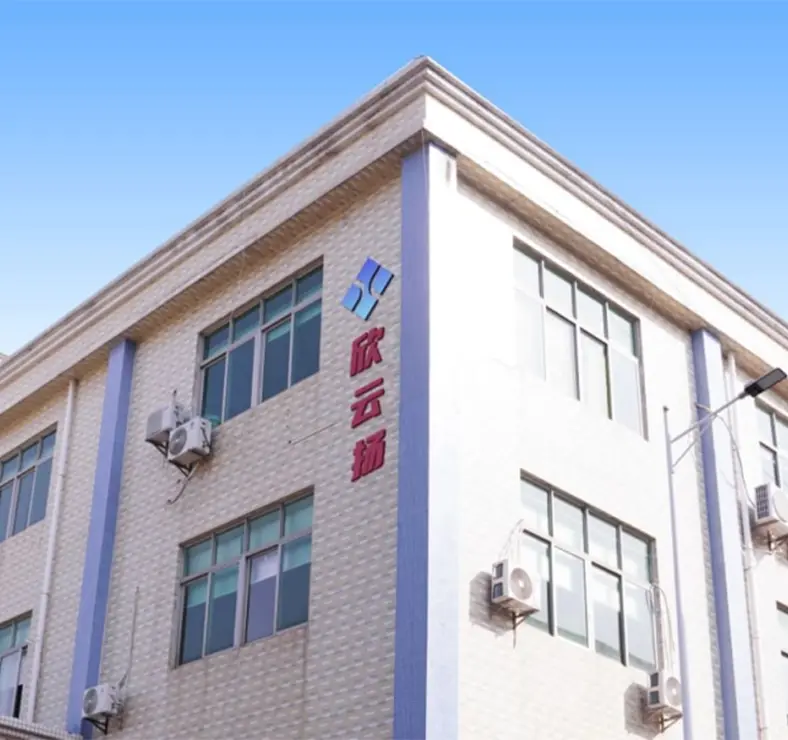
Established in November 2014, Xinyunyang Precision Technology Co., Ltd. is a globally recognized manufacturing powerhouse. Operating under the principles of Integrity, Innovation, Cooperation, and Sharing, we specialize in microelectronic hermetic package lids, high-density Kovar alloy structural components, and high-frequency RF connector blocks.
By integrating advanced CNC machining systems with our high-end Kovar Plating Services (Au/Ni), we supply mission-critical components to the aerospace, medical, 5G/6G optical communications, and defense industries. Through our ISO 9001 quality management framework and automated scheduling systems, we reduce standard lead times by 15% to 20% compared to regional competitors.
 High-precision processing capability
Advanced technology & equipment
Strict quality control
Flexible customized services
High-precision processing capability
Advanced technology & equipment
Strict quality control
Flexible customized services
Analyzing Kovar (Fe-Ni-Co Alloy ASTM F15) interface chemistry and why advanced Gold/Nickel multi-layer plating is essential for high-reliability hermetic packaging.
Kovar (composed of approximately 29% Nickel, 17% Cobalt, and the remaining balance Iron) is engineered specifically to exhibit a coefficient of thermal expansion (CTE) that matches borosilicate glasses and alumina ceramic materials. At ambient temperatures up to $400^\circ\text{C}$, Kovar acts as the ideal structural backbone for glass-to-metal seals (GTMS) and ceramic-to-metal designs. However, the high content of iron in Kovar makes it exceptionally susceptible to atmospheric corrosion and oxidation during thermal cycles.
To address these oxidation challenges and ensure absolute solderability and wire bonding capacity, manufacturers deploy high-performance Au/Ni (Gold over Nickel) plating services. The coating configuration utilizes a highly specialized two-stage barrier system:
| Plating Parameter | Electrolytic Nickel (Sulfamate) | Electroless Nickel (High-Phos) | Gold Top-Coat (ASTM B488) |
|---|---|---|---|
| Primary Engineering Role | Ultra-low internal stress, highly ductile barrier layer | Exceptional thickness uniformity inside complex structures | Corrosion resistance, wire-bonding & eutectic soldering compatibility |
| Typical Thickness Range | 2.0 μm – 5.0 μm | 3.0 μm – 8.0 μm | 0.5 μm – 2.5 μm (dependent on application) |
| Critical Standard | QQ-N-290 / AMS-QQ-N-290 | MIL-C-26074 / ASTM B733 | MIL-G-45204C / ASTM B488 Type I & III |
| Key Application Match | Aerospace structural housings & RF pins | Deep blind cavities & complex internal structures | Optoelectronic transceivers & RF modules |
How Xinyunyang merges specialized materials science with proprietary machining infrastructure to outpace global industry standards.
Backed by a team of over 100 dedicated technical professionals where R&D engineers comprise 30% of total staff. We develop advanced electrochemical profiles tailored precisely to custom Kovar part geometries, preventing plating variations in critical hermetic joints.
Our senior engineers possess decades of combined experience in high-reliability metallic surface technologies. We actively develop specialized compound machining and micro-plating protocols for complex Fe-Ni-Co alloys, optimizing 5G/6G, artificial intelligence, and aerospace hardware.
Utilizing an ISO 9001-certified quality management framework alongside automated production planning systems, we secure consistent film adhesion and thickness. This advanced control increases order turnaround rates by 15%-20% while maintaining absolute reliability.
Plating gold and nickel onto Kovar is not a simple dipping process. The Fe-Ni-Co substrate naturally forms a persistent passive oxide scale which must be engineered out before successful coating can happen. Any residue, microscopic grain boundary imperfection, or carbon inclusion from the machining stage will result in disastrous blistering during downstream soldering processes.
Kovar parts first undergo immersion in organic solvents combined with ultrasonic excitation to completely strip residual manufacturing fluids. Following degreasing, parts undergo a critical thermal decarburization step in dry hydrogen or high-vacuum ovens at temperatures exceeding $900^\circ\text{C}$. This eliminates surface carbon that might otherwise lead to micro-voiding during glass-to-metal seal fusion.
An acid activation bath using optimized hydrochloric or sulfuric acid mixtures dissolves the persistent chromium and iron oxides, leaving a clean, highly active metallic lattice exposed. A nickel strike is immediately applied to safeguard this active state and ensure maximum atomic bonding.
Using highly controlled Nickel Sulfamate chemistry, we deposit an extremely ductile nickel layer. We continuously monitor the pH, surface tension, and concentration of active metals within the bath to control internal tensile stresses. Low internal stress is imperative to prevent cracking when the package experiences thermal shock in space or high-power industrial environments.
Our gold electroplating line deposits pure, soft gold (min. 99.9% purity) for high-end optical packages, or cobalt/nickel-alloyed hard gold where mechanical wear resistance is needed. The process parameters are dialed in to maintain a sub-micron uniform depth across complex configurations, preventing regional variations that could cause signal degradation at millimeter-wave frequencies.
To conform to high-reliability military and aerospace requirements, our plated components undergo rigorous quality screening:
Connecting supply chain agility with advanced material performance across high-growth international industrial sectors.
Across the globe, the rapid expansion of high-speed telecommunications (800G to 1.6T transceivers), autonomous vehicle radar, and private aerospace ventures has driven unprecedented demand for precision hermetic packaging. Western and European system designers routinely specify Kovar packages for their extreme thermal matching, yet struggle to source responsive manufacturers capable of running highly precise Au/Ni plating runs within tight delivery windows.
Xinyunyang Precision Technology Co., Ltd. bridges this critical supply gap. By combining high-precision internal CNC machining and micro-plating inside a single ISO-certified facility, we eliminate multi-party shipping delays and minimize oxidation risks during transfer between machining centers and plating lines.
Ensuring absolute hermetic seal reliability inside TOSA/ROSA components. Clean gold plating prevents optical feedback noise and preserves raw performance across high-capacity data networks.
Meeting strict vibration and temperature standards. Highly pure nickel underplating prevents micro-cracking during extreme altitude transitions and thermal cycling.
Applying specialized biocompatible gold plating surfaces onto Kovar packages for medical devices. High chemical stability guarantees safe long-term operation in biological environments.
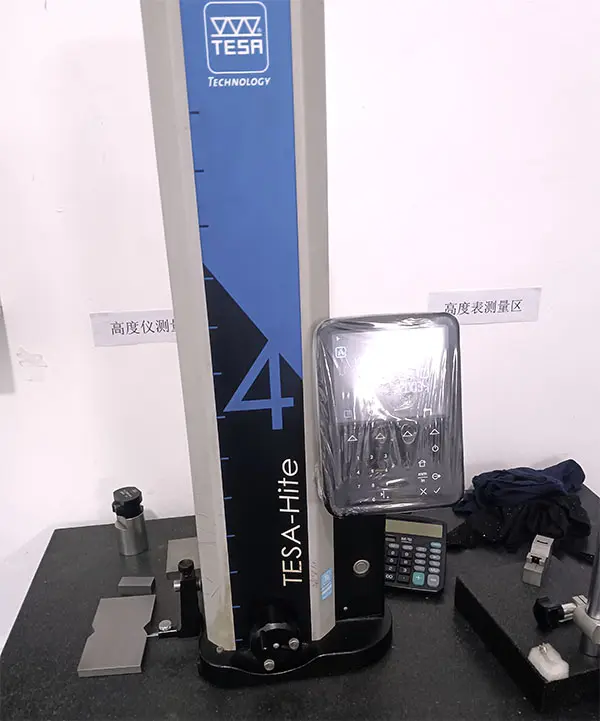
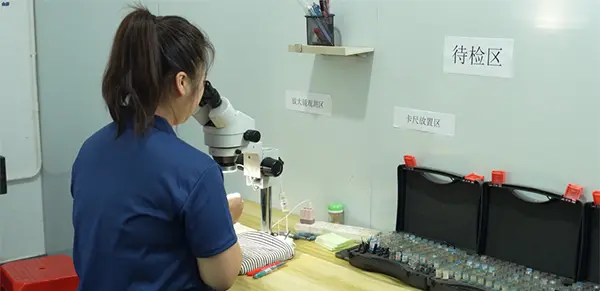
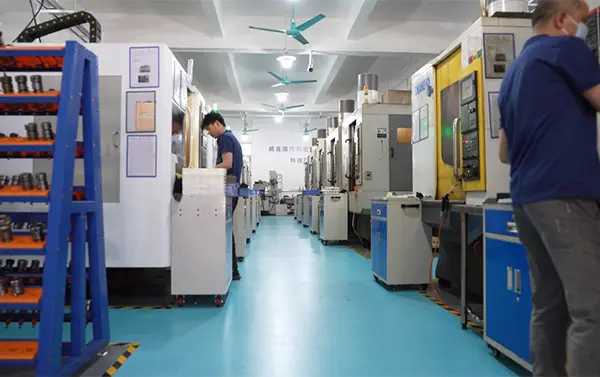
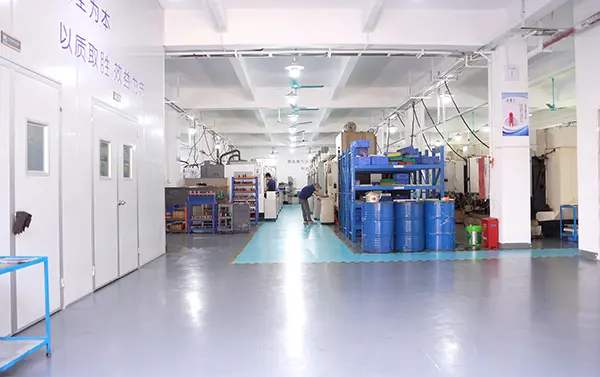
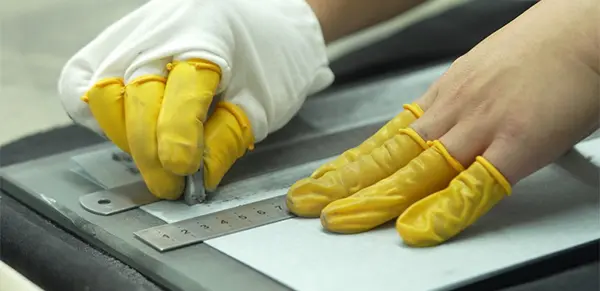
A transparent look inside Xinyunyang's high-tech production bays, quality validation laboratories, and precision machining lines.
How Xinyunyang is preparing for sub-terahertz frequencies and environmental goals through continuous innovation.
As wireless hardware marches toward 6G and satellite systems scale to sub-terahertz frequencies, skin-depth effects in surface plating become critical. At extremely high frequencies, electrical currents flow only along the very outer skin of a conductor. Microscopic surface roughness at the Nickel/Gold boundary can cause noticeable signal phase distortion and higher insertion loss.
Xinyunyang is addressing these emerging challenges through a series of dedicated technology upgrades:
Addressing the most demanding design questions asked by microelectronic packaging specialists and materials engineers.
 Xinyunyang Precision