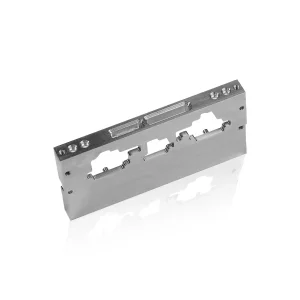
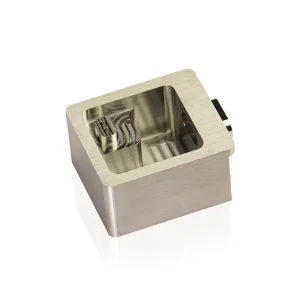
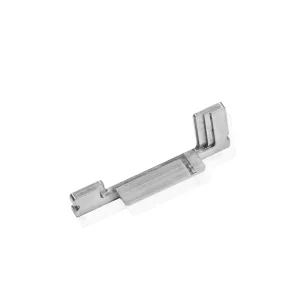
High-precision manufactured products and advanced components optimized for harsh environments, semiconductor integration, and aerospace reliability.
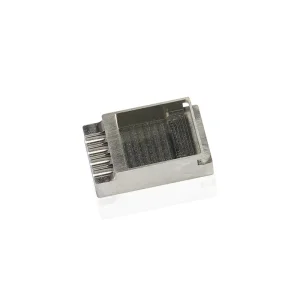
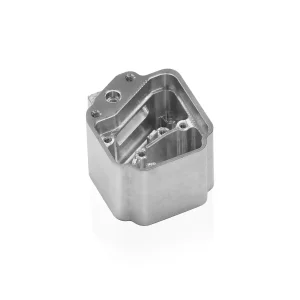
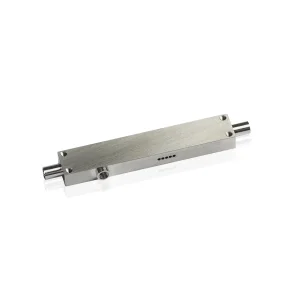
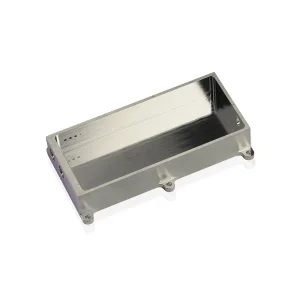
An analysis of market dynamics, agile supply lines, and why High-Mix Low-Volume (HMLV) fabrication has emerged as the critical baseline for next-generation technology developments.
In the contemporary landscape of global hardware fabrication, the classical dichotomy between rapid prototyping and mass-scale commercial production has fragmented. Modern original equipment manufacturers (OEMs) operating within ultra-precision sectors—such as sub-6GHz and millimeter-wave telecommunications, deep-space aerospace instrumentation, optical networks, and medical-grade bio-imaging interfaces—confront a market characterized by rapid technological iterations and shrinking product life cycles. Consequently, the reliance on high-mix, low-volume (HMLV) production specialists has transitioned from a temporary stage of R&D validation to a permanent, core procurement dynamic.
HMLV paradigms demand a completely different operational architecture compared to legacy high-volume manufacturing lines. Where standard factories achieve optimization through repetitive monolithic throughput, a specialized low volume production manufacturer derives capability from absolute tooling agility, deep material-science expertise, and dynamic production planning systems. The optimization objective shifts from raw cycle-time minimization to minimizing the cost and latency associated with setup alterations, complex multi-axis tooling calibration, and extreme tolerances (often within the sub-micron scale).
"For advanced components using controlled-expansion alloys like Kovar (Fe-Ni-Co) or high-grade titanium, high-volume production structures fail due to rigid tooling constraints and material processing sensitivities. Agile, low-volume precision engineering is the only methodology capable of addressing these demands without incurring catastrophic tooling overhead."
This macro shift is structurally driven by the decentralization of manufacturing technologies. With the advent of multi-axis CNC machining centers, precision metal additive techniques, and automated coordinating metrology interfaces, customized fabrications can now be realized with exceptional repeatability without the burden of high upfront tooling expenses. The contemporary purchasing manager or sourcing lead no longer prioritizes minimum order quantities (MOQs); instead, they seek engineering organizations with documented expertise, certified quality standards, and deep technical competencies in tricky materials.
Navigating global supply chain vulnerabilities has emerged as the defining challenge for hardware procurement directors in the post-pandemic era. In the precision manufacturing sector, this challenge is compounded by the scarcity of specialized capabilities. Procuring high-reliability hermetic packaging, RF shield enclosures, and customized interconnect components requires navigating a complex matrix of regulatory compliance, technical validation, and geographical logistics. As companies look to diversify, sourcing from established low-volume specialists becomes crucial to maintaining operational velocity.
Processing advanced metals like ASTM F15 Kovar, high-purity oxygen-free copper, and medical-grade titanium requires strict atmospheric management, customized heat treatment, and chemical passivation. Only specialized facilities hold the capability to process these without compromising material integrity.
Traditional manufacturing locks companies into massive capital expenditure (CapEx) for injection molds or high-run stamping dies. Modern HMLV providers utilize high-speed CNC milling and direct fabrication options to eliminate tooling barriers entirely.
Standard quality processes are built around massive batch testing (statistical process control over thousands of parts). For high-reliability, low-volume runs, partners must employ 100% inspection techniques, utilizing automated CMMs, non-destructive optical testing, and helium leak detection.
Furthermore, localizing supply structures has highlighted a significant challenge: finding suppliers capable of balancing flexible capacity with strict regulatory compliance. Sourcing professionals must identify manufacturers who possess robust raw material traceability systems. Every raw ingot of Kovar, titanium, or specialty stainless steel must be accompanied by comprehensive chemical and physical assay certifications. Without this rigor, components intended for extreme high-vacuum or deep-space environments risk catastrophic structural failure due to micro-impurities and trace gas inclusions.
Exploring cross-disciplinary engineering strategies that address the strict structural and thermal requirements of high-reliability environments.
High-end technical fields do not operate in isolation; they share common performance bottlenecks, particularly concerning thermal management, electromagnetic interference (EMI) protection, and environmental hermeticity. Addressing these requires specialized material processing technologies. For instance, the match between Kovar (a nickel-cobalt-iron alloy) and borosilicate glass is the absolute foundation of reliable glass-to-metal hermetic seals. This combination maintains consistent expansion properties across a wide temperature spectrum, ensuring the integrity of internal microelectronics in harsh aerospace and optical telecom environments.
To resolve these multidisciplinary engineering challenges, low-volume specialists offer key technical pathways:
In high-frequency optical transceivers, standard aluminum components fail to match the low thermal expansion profile of laser diodes, leading to fiber misalignment. Low-volume specialists leverage precise high-speed machining to carve intricate cavities directly from Kovar blocks, maintaining optical alignment across a -55°C to 125°C range.
Systems requiring 360-degree rotation under vacuum or high fluid pressures demand rotary joints engineered with exceptional roundness and surface finishes. Specialists use advanced grinding and honing techniques to achieve sub-micron concentricity, minimizing torque and fluid leakage.
To protect internal microelectronics, manufacturers develop specialized lids with pre-attached solder preforms. This configuration allows for rapid, void-free seam sealing, minimizing thermal input to delicate components while maintaining long-term environmental protection.
Founded in November 2014, Xinyunyang Precision Technology Co., Ltd. has established itself as an industry-leading specialist in high-precision metal processing. From our inception, we have remained committed to our core business principles: Integrity, Innovation, Cooperation, and Sharing.
Our organization focuses on Kovar precision processing technology as its core competitive advantage. We proudly serve global customers in the semiconductors, optical communications, aerospace, medical devices, new energy, and defense sectors by providing customized, highly reliable metal packaging solutions.
Our long-term mission is to be the premier global supplier of hermetic package lids, Kovar alloy components, and precision mechanical assemblies, supporting our partners through dedicated engineering support and robust production capabilities.
 High-precision processing
Advanced equipment
Strict quality control
Flexible customization
High-precision processing
Advanced equipment
Strict quality control
Flexible customization
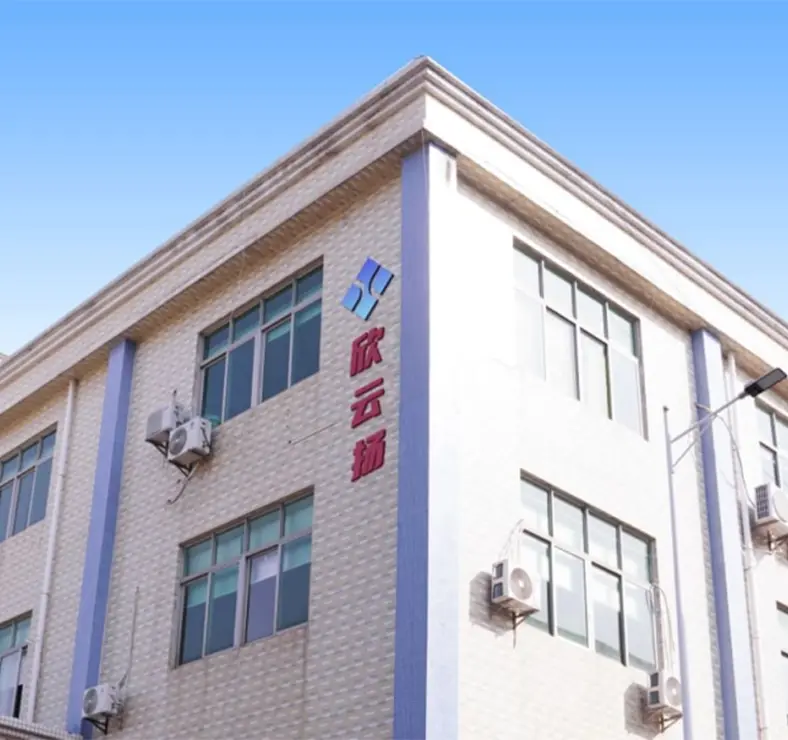
How our technical infrastructure, deep material-science expertise, and quality management systems ensure consistent, high-reliability execution.
Our team consists of over 100 dedicated manufacturing professionals, with engineering and technical specialists representing 30% of our total workforce.
Our core engineers bring over a decade of hands-on experience in precision machining, actively developing composite processing methods for specialty alloys like Kovar and titanium to support 5G, AI, and new energy packaging demands.
Operating under an ISO 9001-certified quality management system and an advanced digital scheduling platform, we have optimized our lead times, improving delivery efficiency for standard orders by 15% to 20%.
In the modern regulatory landscape, low-volume suppliers must be more than just machine shops; they must serve as partners in risk mitigation and compliance. Technical compliance spans far beyond part dimensions to encompass international export regulations, conflict mineral reporting, and environmental stewardship. For defense-related aerospace and high-reliability medical components, total alignment with regional and global frameworks is non-negotiable.
Environmental, Social, and Governance (ESG) compliance has quickly become a critical criteria in supplier evaluation. Sustainable manufacturing practices, particularly regarding controlled-expansion alloys like Kovar (containing cobalt and nickel), require careful resource loop management. Responsible processing is key to minimizing ecological impact, featuring advanced scrap segregation, water recycling systems in wet machining steps, and non-hazardous surface chemical passivation methods. This proactive focus helps customers meet their corporate sustainability mandates while ensuring top-tier component quality.
In addition, localized technical support bridges the gap between digital models and real-world production. Designers operating in complex fields face challenges when translating high-level schematics into manufacturable files. Working with suppliers that offer dedicated Design-for-Manufacturing (DFM) feedback helps resolve issues like micro-burrs in deep-cavity designs, internal stress concentrations, and thermal warping before production begins. This level of technical support significantly reduces development times and avoids costly engineering changes.
How advanced processing and integrated manufacturing techniques are shaping the next generation of high-precision component fabrication.
As microelectronics scale down and operating frequencies push higher, the demand for precision reaches challenging new heights. Components designed for high-frequency millimeter-wave radars and next-generation silicon photonics modules demand sub-micron surface finishes and extremely tight tolerances. Standard machining centers struggle with the physical limitations of cutting forces, tool wear, and material deflection when working with tough alloys like Kovar or titanium.
To address this, our technical roadmap focuses on the integration of hybrid processing techniques. Combining high-speed milling with ultra-precise electrical discharge machining (EDM) allows for the creation of intricate, stress-free micro-cavities. We also employ advanced laser-assisted polishing systems to achieve mirror-like surface finishes (Ra < 0.1μm) on critical sealing faces. These processes ensure reliable glass-to-metal bonding and maximize signal transmission efficiency in high-frequency applications.
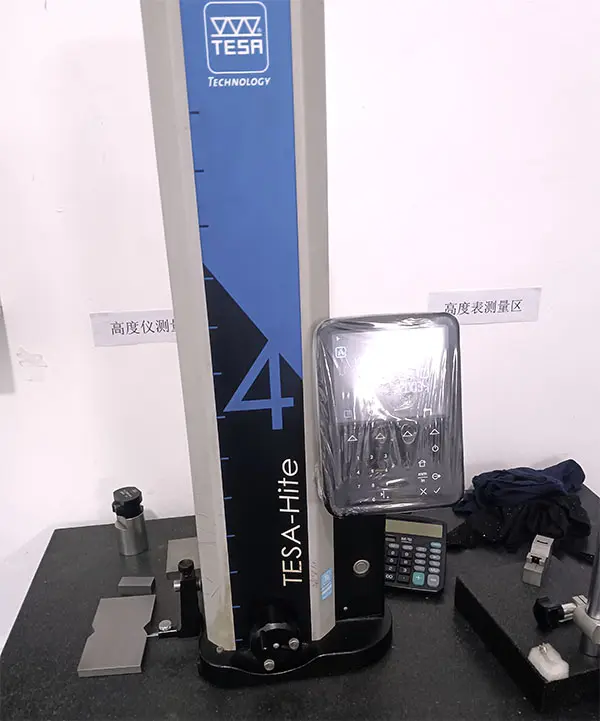
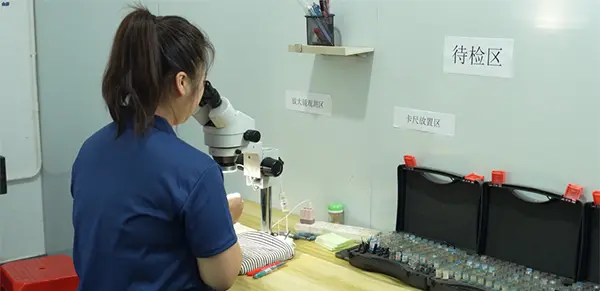
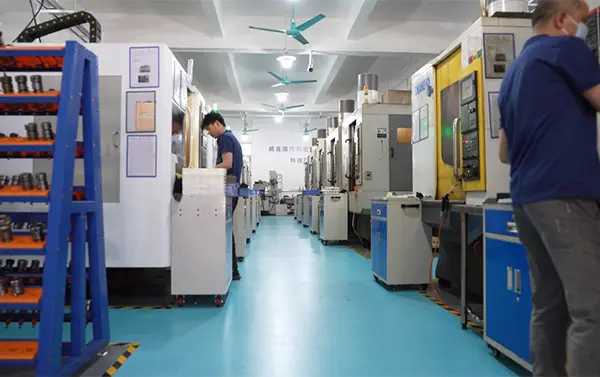
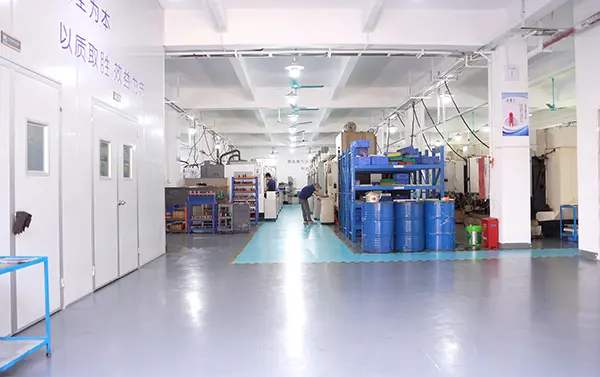
A look inside our state-of-the-art facilities, featuring our modern CNC machining floors, quality inspection laboratories, and manufacturing infrastructure.
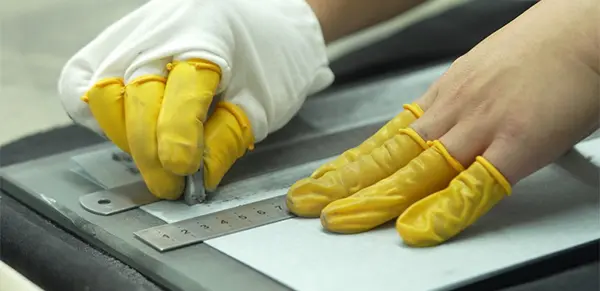
Detailed technical answers to common questions about material handling, manufacturing capabilities, and quality standards.
Kovar is an iron-nickel-cobalt alloy designed with a thermal expansion coefficient (CTE) that closely matches that of borosilicate glasses and alumina ceramics. This matching prevents stress cracks and joint failure along sealing lines over a wide temperature range (-80°C to 450°C), making it a key material for military-grade, aerospace, and optical packaging applications.
We utilize high-speed multi-axis CNC milling, flexible fixture structures, and digital tooling setups. This setup allows us to move from CAD designs directly to physical machining without the delay or cost of complex mold fabrication. By eliminating traditional tooling dependencies, we can offer highly competitive pricing for custom, low-volume orders.
Our quality assurance program is ISO 9001 certified. We verify every high-precision run using coordinate measuring machines (CMMs), non-contact optical inspection, surface profilometers, and helium mass spectrometer leak detectors. Full material traceability documentation and dimensional inspection reports are provided with every delivery.
Machining Kovar can cause work hardening, which introduces internal stresses and micro-fissures if processed incorrectly. Our engineers avoid these issues by using optimized feed rates, custom carbide tooling geometries, and specialized stress-relief annealing cycles during and after machining. This maintains the material’s structural stability.
We provide a wide range of surface treatments, including electrolytic and electroless nickel plating, gold plating (per MIL-G-45204 standards), copper underplating, and environmental passivation. These coatings prevent oxidation, improve solderability, and support clean wire-bonding for microelectronics.
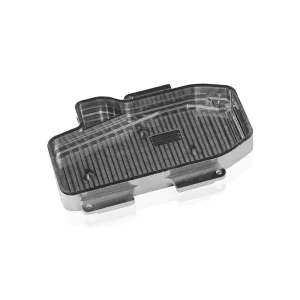
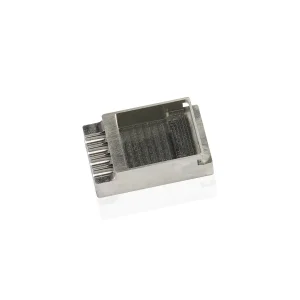
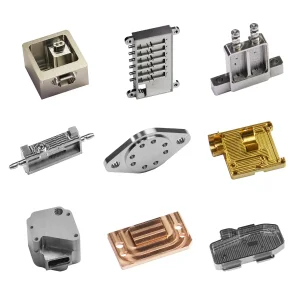
Explore our specialized solutions, including high-stability connectors, customized housings, and advanced optical components.
 Xinyunyang Precision