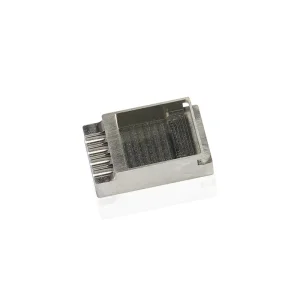
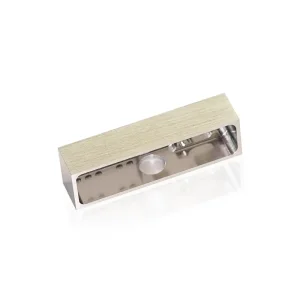
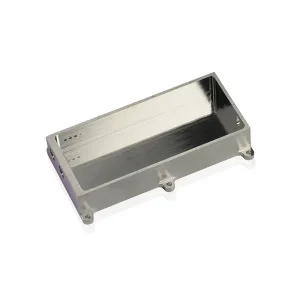
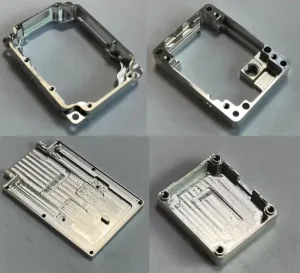
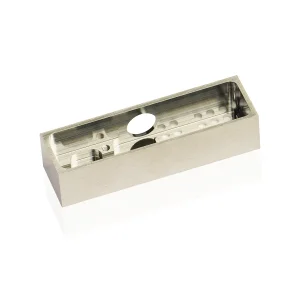
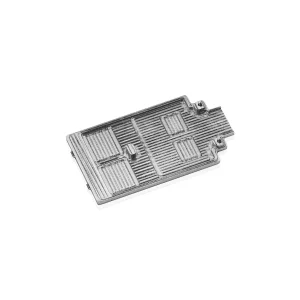
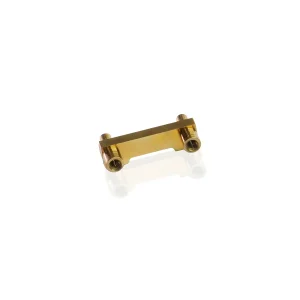
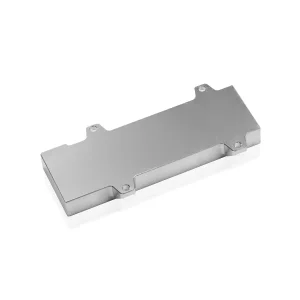
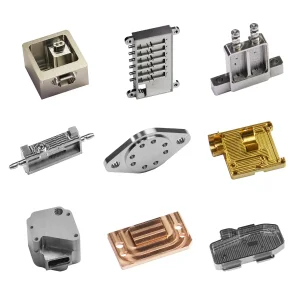
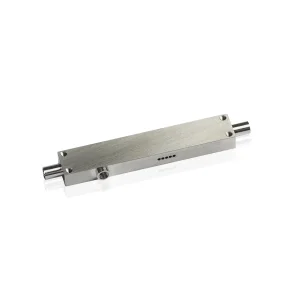
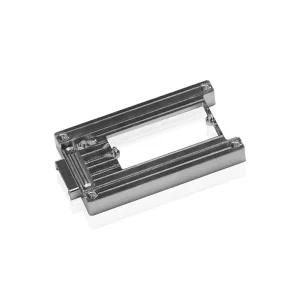
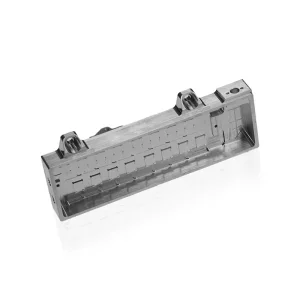
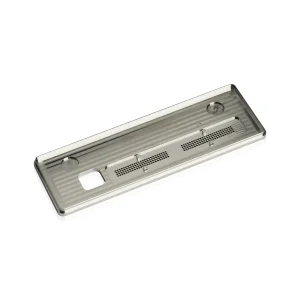
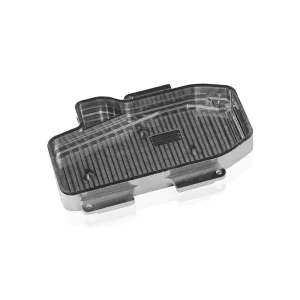
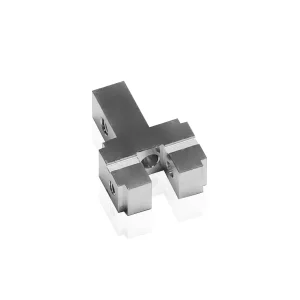
Explore our industrial CNC machined components and specialty hermetic metal assemblies, customized to sub-micron specifications.
Analyzing key manufacturing criteria, localized deployment pathways, and advanced machining parameters for global high-tech industries.
In modern precision manufacturing, achieving sub-micron accuracy is not just about having state-of-the-art CNC machining centers; it is about the cohesive application of tool-path strategies, material thermal management, and cutting parameter alignment. For advanced industries including semiconductors, aerospace, and high-frequency communication, precision is a core regulatory constraint. To optimize performance, engineers must carefully calibrate cutting speeds (Vc), feed rates (fz), and radial/axial depths of cut (ae/ap).
For instance, when processing difficult-to-cut metals, specialized CNC machine tips play a critical role in preventing excessive tool wear and workpiece thermal distortion. The heat generated during metal removal can severely impact dimensional stability, causing shifts outside the design limits. High-performance tooling materials (such as cubic boron nitride (CBN), polycrystalline diamonds (PCD), and coated carbides) along with optimized geometric designs are essential for maintaining stable surface roughness values (Ra < 0.4 μm).
Specialty nickel-cobalt-iron alloys, particularly Kovar 4J29, are critical in industrial engineering due to their Controlled Thermal Expansion (CTE) characteristics. Kovar's CTE is designed to match those of borosilicate glasses and alumina ceramics, making it indispensable for hermetic glass-to-metal and ceramic-to-metal seals. However, Kovar's high toughness and low thermal conductivity pose major machining challenges.
Without appropriate techniques, Kovar work-hardens rapidly, resulting in extreme heat accumulation at the cutting zone. This causes premature tooling wear and compromises the integrity of the component's surface. To counter this, specialized manufacturers employ specific coolant strategies, such as high-pressure micro-lubrication (MQL) or flood coolant systems, to keep the temperature below the threshold of work hardening. Spindle speeds must be strictly managed, and continuous positive feed rates should be maintained to ensure the cutting edge stays beneath the work-hardened zone from previous passes.
The global high-precision manufacturing industry relies on robust supply networks. China's manufacturing clusters, particularly in industrialized zones like the Yangtze River Delta and Pearl River Delta, provide unmatched advantages. These regions feature highly integrated supply chains, offering direct access to premium raw materials, rapid tooling development, heat treatment facilities, and advanced electroplating/coating processes.
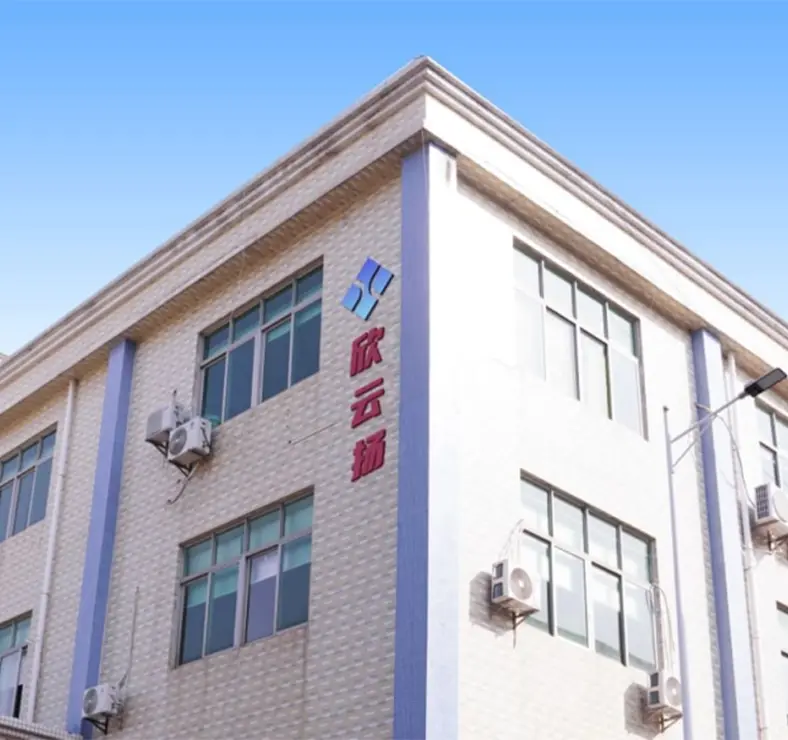
Factories such as Xinyunyang Precision Technology Co., Ltd. leverage these regional clusters to ensure manufacturing continuity. By maintaining strong supplier relationships and utilizing automated production scheduling, these facilities offer reliable lead times even during global market shifts. This resilience is supported by high-capacity material stocks (like certified 4J29 Kovar and high-performance copper-tungsten alloys), mitigating raw material price volatility and shipping bottlenecks.
The future of high-precision CNC manufacturing lies in the integration of digital twin technologies, closed-loop metrology, and artificial intelligence. In standard setups, tool wear is measured manually after production cycles. In advanced factories, real-time spindle vibration monitoring and motor-current feedback loops predict tool wear before defects happen.
Furthermore, modern green manufacturing initiatives demand that machine shops minimize their environmental footprint. This is achieved by reducing chemical waste, transitioning to biodegradable cutting fluids, and optimizing energy-efficient tool paths. Sustainable metallurgy, including the recycling of specialized chips and remnants (such as Kovar, brass, and stainless steel), is becoming an operational standard for global compliance.
A trusted manufacturer specializing in advanced high-precision processing, hermetic packaging, and customized alloy engineering.
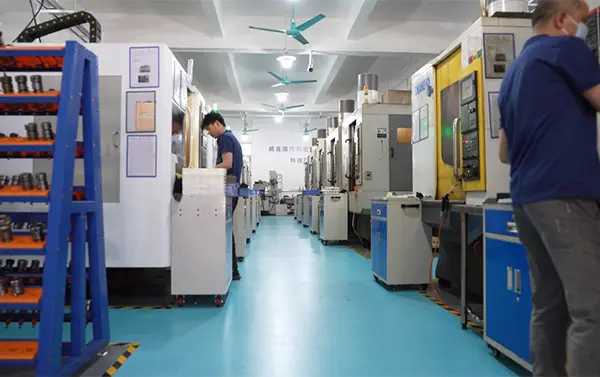
Founded in November 2014, Xinyunyang has adhered to its core principles of Integrity, Innovation, Cooperation, and Sharing. The company maintains a professional team of over 100 specialists, with technical engineers making up 30% of the workforce.
Our core members have been engaged in precision metal processing for over a decade. We continue to develop advanced processing methods for specialty materials like Kovar and titanium, addressing requirements in 5G, artificial intelligence, and new energy sectors.
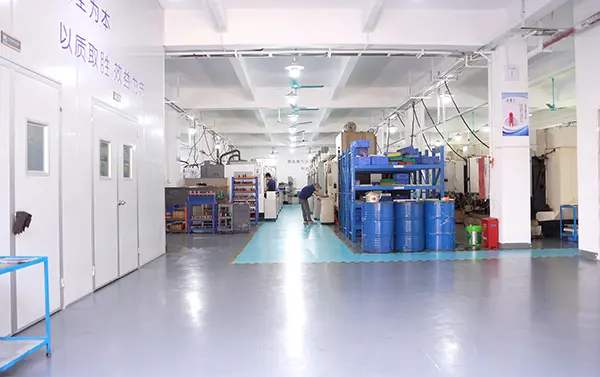
Operating under an ISO 9001 certified quality management system and a modern production scheduling platform, Xinyunyang has improved delivery times by 15% to 20% for regular orders, serving as a reliable partner in the global supply chain.
Xinyunyang focuses on Kovar precision processing as a core technical capability. We serve the semiconductor, optical communications, aerospace, medical device, and new energy/defense sectors, providing customized, high-reliability metal packaging solutions worldwide. Our long-term goal is to expand our position as a key supplier of hermetic package lids, Kovar alloy components, and precision parts in China and international markets.
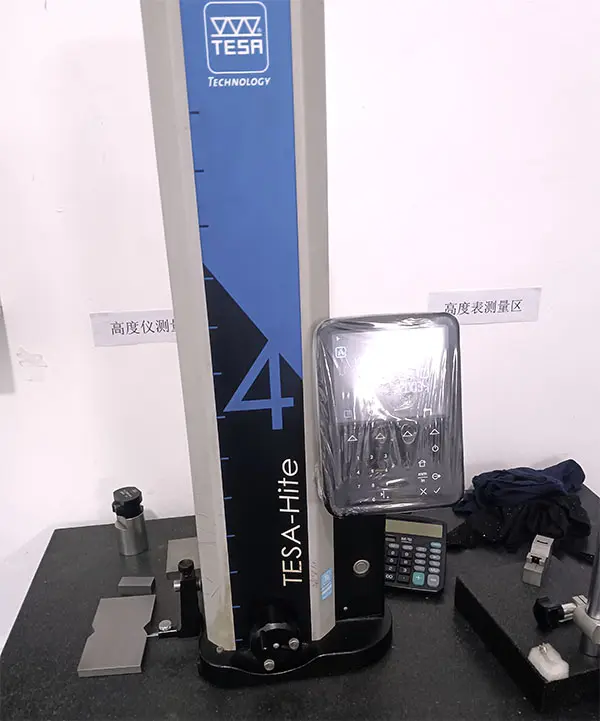
Direct answers from our engineering department regarding specialized metals and CNC manufacturing practices.
A1: Kovar 4J29 is formulated with a specific combination of nickel, cobalt, and iron. Its thermal expansion matches borosilicate glasses and alumina ceramics across a wide temperature range, preventing stress-cracking during thermal cycling.
A2: We use rigid machine setups, sharp carbide tooling with specialized coatings (like TiAlN), positive feed rates to avoid rubbing, and high-pressure flood cooling to control temperature spikes at the cutting zone.
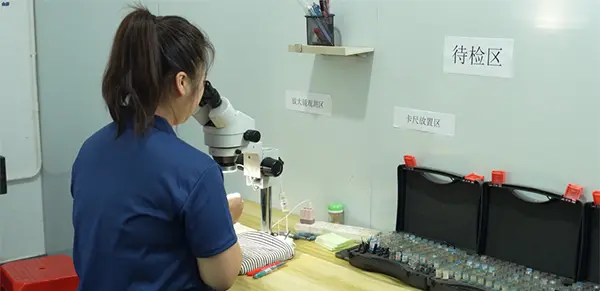
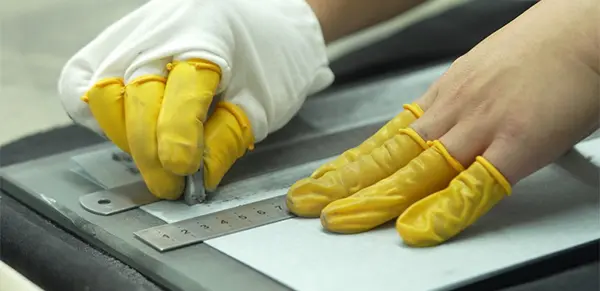
A3: Parts undergo coordinate measuring machine (CMM) inspection, optical comparators, surface profilometers for roughness (Ra) verification, and helium leak testing for hermetically sealed assemblies.
A4: We work with audited plating and finishing partners under our ISO 9001 quality system, verifying thickness, adhesion (via heat-shake tests), and corrosion resistance (via salt spray testing) for every batch.
A5: Thanks to our intelligent scheduling and integrated supply chain, standard prototyping runs are completed in 5 to 10 working days, depending on geometry complexity and surface finishing requirements.
Browse our additional range of precision-manufactured structural parts, connectors, and communication enclosures.
 Xinyunyang Precision