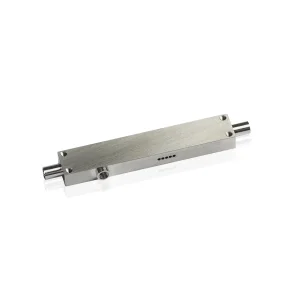
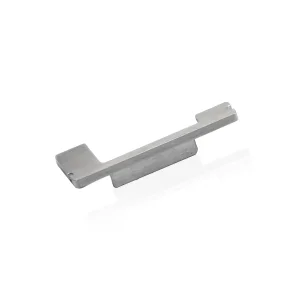
Buy Precision CNC Machined Metal Parts: Custom Stainless Steel Solutions Manufacturer, Factories
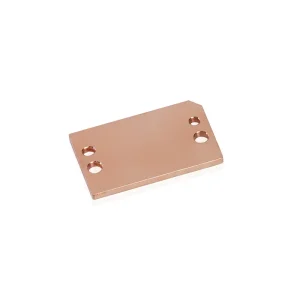
Wholesale Copper conductive connecting piece Suppliers, Manufacturer
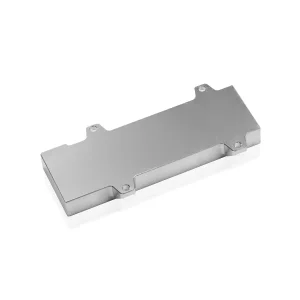
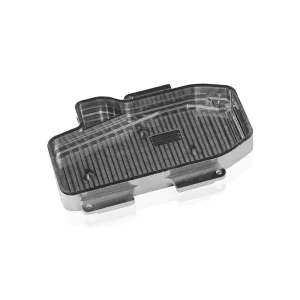
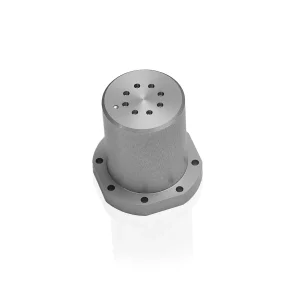
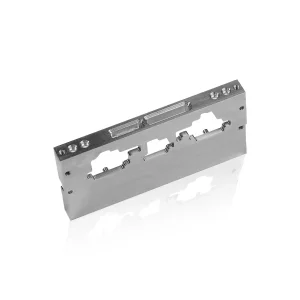
Wholesale CNC Metal Precision Part for Industrial Equipment Support Suppliers, Supplier
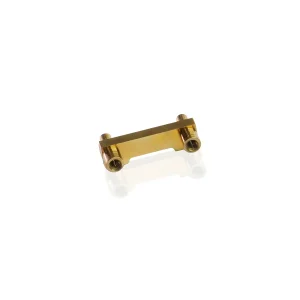
High-Quality A sophisticated fusion of industry and aesthetics Suppliers, Manufacturer
In the frontier of microelectronics, optoelectronics, and high-frequency microwave communications, the intersection of metallurgic physics and thermal mechanical dynamics is paramount. Kovar alloy—a highly regulated iron-nickel-cobalt formulation conforming tightly to ASTM F15 specifications (composed primarily of 29% Nickel, 17% Cobalt, and approximately 53% Iron)—occupies an irreplaceable status. Its unmatched engineering value lies in its Coefficient of Thermal Expansion (CTE), which hovers around 5.1 × 10⁻⁶/°C from 30°C to 450°C. This thermal fingerprint uniquely replicates the expansion parameters of high-borosilicate glass (such as Pyrex) and standard alumina ceramics (Al₂O₃), rendering it the ultimate medium for robust, lifetime-guaranteed Glass-to-Metal Seals (GTMS) and hermetic packaging.
When operating in extreme environments like vacuum conditions in low Earth orbit (LEO), transcontinental deep-sea optical fiber hubs, or adjacent to high-temperature semiconductor junctions, thermal cycling is brutal. Ordinary metals such as copper or aluminum, while highly conductive, experience dramatic volumetric fluctuations under temperature shifts. These mismatch oscillations tear apart fragile glass or ceramic seals, causing catastrophic moisture ingress and component failure. Kovar serves as an expansion buffer. By maintaining structural alignment with its sealing glass matrix during heating and cooling cycles, Kovar effectively mitigates interfacial mechanical stress, preserving a leak-proof gas-tight environment essential for active components.
Semantic Insight & E-E-A-T Metric: Achieving reliable hermeticity requires an oxide coating thickness of 0.2 to 0.5 mg/cm² on the Kovar alloy before glass sealing. Too thin, and the seal lacks chemical adhesion; too thick, and the oxide becomes structurally brittle, promoting mechanical shear failure under deep thermal shocks. This is where advanced CNC machining parameters intersect directly with chemical surface pre-treatment to dictate absolute component survival.
CNC machining Kovar is categorized within precision metallurgy as a highly challenging operation. Unlike standard carbon steel or architectural aluminum alloys, Kovar features high ductility, elevated mechanical toughness, and an acute propensity for work hardening during tool engagement. The shear zone of the alloy undergoes severe plastic deformation when standard cutters are introduced, raising the localized workpiece temperature beyond the material's thermal dissipation capability. As a consequence, cutting tools experience high thermal and friction loads, sparking accelerated abrasive wear, built-up edge (BUE) formations, and chip welding.
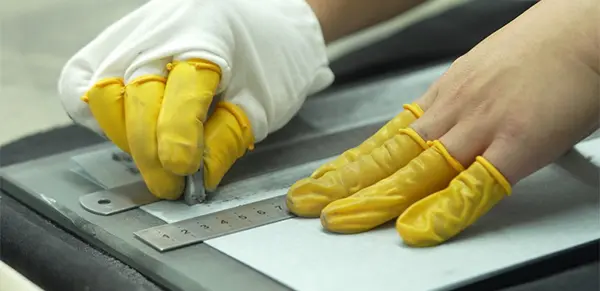
To achieve micron-level flatness, dimensional tolerances within ±0.005 mm, and optical-grade surface roughness (Ra < 0.4 μm) on components like 5G communication RF housings or semiconductor packages, specialized milling protocols are necessary:
1. Geometry of Cutting Tools: High-density carbide or polycrystalline diamond (PCD) tools with positive rake angles (typically 12° to 18°) must be utilized. Sharp tool edges are mandatory to slice through Kovar fibers rather than crushing them, thereby minimizing local subsurface strain hardening layers.
2. Heat Transfer & Lubrication Control: High-pressure, through-spindle cooling systems delivering synthetic water-soluble cutting fluids are vital. By flooding the micro-cutting interface, these fluids prevent thermal concentration at the cutting zone, suppressing tool-material diffusion and maintaining metallurgical stability.
3. Advanced Feed Rate Strategies: Machining must utilize continuous, uninterrupted feed cycles. Allowing a tool to dwell or rub against the Kovar surface immediately generates a hardened barrier that subsequent tool passes struggle to penetrate, leading to tool breakage or microscopic cracks.
The modern industrial paradigm is characterized by dense data transfer requirements and harsh operating conditions. In high-frequency 5G and early-stage 6G telecommunications, optical transceivers operating above 40GHz face stringent attenuation standards. Every micro-decibel (dB) of insertion loss counts. Optical transceiver housings require precise internal cavities, flawless coplanarity, and exact structural integrity. The use of CNC-machined Kovar alloy for optical sub-assemblies (OSAs) ensures that high-power laser diodes remain optically aligned to the core of single-mode fibers across a temperature spectrum of -40°C to +85°C.
In the semiconductor packaging field, particularly for high-power laser modules and advanced RF power transistors, the thermal footprint must be managed efficiently. Because these systems run continuously, any mismatch in material expansion causes micro-cracking in the silicon dies or ceramic interposers. Leading international system integrators in North America, Europe, and the Asia-Pacific region are increasingly demanding Kovar suppliers who can deliver not just raw materials, but high-precision, gold-plated, micro-cavity components that are ready for immediate automatic wire bonding and hermetic lid sealing.
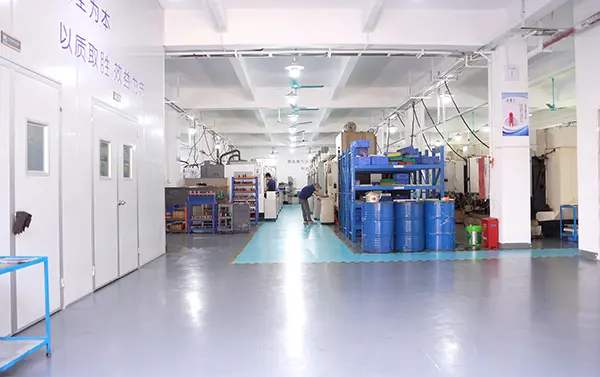
The procurement of high-tech components on a global scale relies heavily on supply chain stability, technical depth, and rapid deployment. Over the past decade, Chinese precision manufacturers have evolved from simple labor-intensive operations into fully integrated Industry 4.0 facilities. This transition is exemplified by companies like Xinyunyang Precision Technology Co., Ltd., which combine deep metallurgical knowledge with advanced automated scheduling frameworks.
By deploying Multi-axis CNC Machining Centers alongside real-time Enterprise Resource Planning (ERP) and Manufacturing Execution Systems (MES), China's manufacturing ecosystem manages to compress product development lifecycles. Material sourcing, precision tooling design, thermal treatment (such as stress-relief annealing and controlled oxidation decarburization), and electrochemical plating (nickel and gold electroplating according to ASTM B488 and MIL-G-45204 standards) are consolidated within single industrial zones. This localized synergy dramatically reduces lead times, stabilizes product yield rates, and insulates global supply chains from shipping disruptions, offering significant cost advantages.
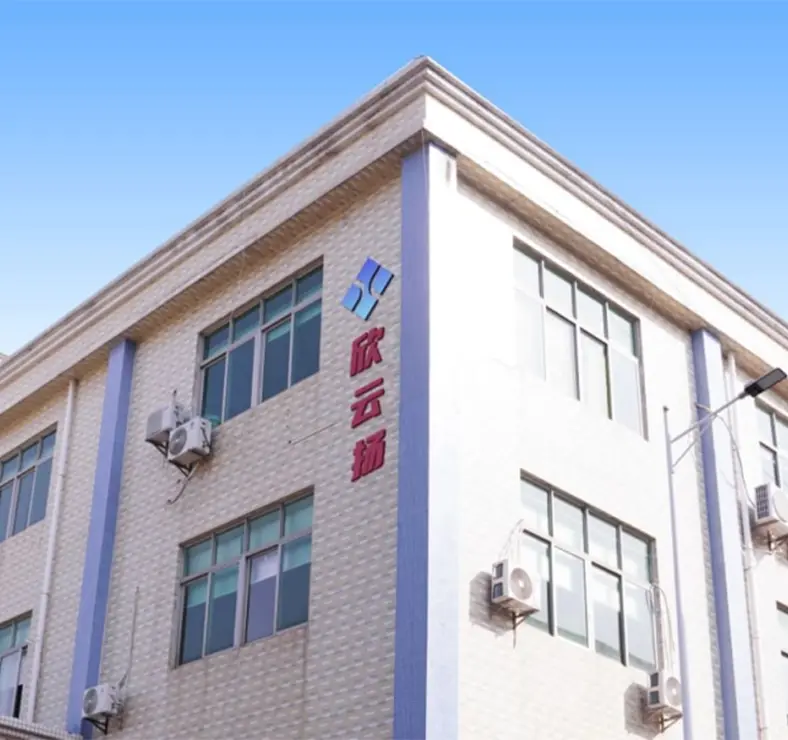
Founded in November 2014, Xinyunyang Precision Technology Co., Ltd. has developed into a leading high-precision Chinese engineering supplier with a global presence. Since its inception, the company has adhered to its core values of Integrity, Innovation, Cooperation, and Sharing. Focusing on Kovar precision processing technology as its core capability, the company serves demanding markets in semiconductors, optical communications, aerospace, medical devices, and high-reliability defense systems. We are dedicated to providing miniaturized, highly customized, and ultra-reliable metal packaging solutions to global engineering and procurement divisions.
By focusing on precision engineering, our goal is to become an essential global supplier of hermetic package lids, Kovar alloy components, and high-tolerance precision parts. We achieve this through sustained research and development, a robust quality management system, and strong partnerships with high-tech organizations worldwide.
 High-precision processing capabilityAdvanced technology and equipmentStrict quality controlFlexible customized services
The company maintains a dedicated workforce of over 100 specialists, with engineers and technical staff accounting for 30% of our team. This concentration of expertise supports optimized toolpaths, proactive fixture design, and robust quality control.
Our core engineering members bring more than a decade of experience in special metal processing. We specialize in working with demanding materials like Kovar, Invar, titanium alloys, and high-purity copper, positioning us to support packaging requirements in 5G, artificial intelligence, and aerospace systems.
Operating under a strict ISO 9001-certified Quality Management System and deploying intelligent digital production scheduling, we have improved regular order delivery efficiency by 15%-20%. This makes Xinyunyang a reliable partner for global OEM and ODM manufacturing chains.
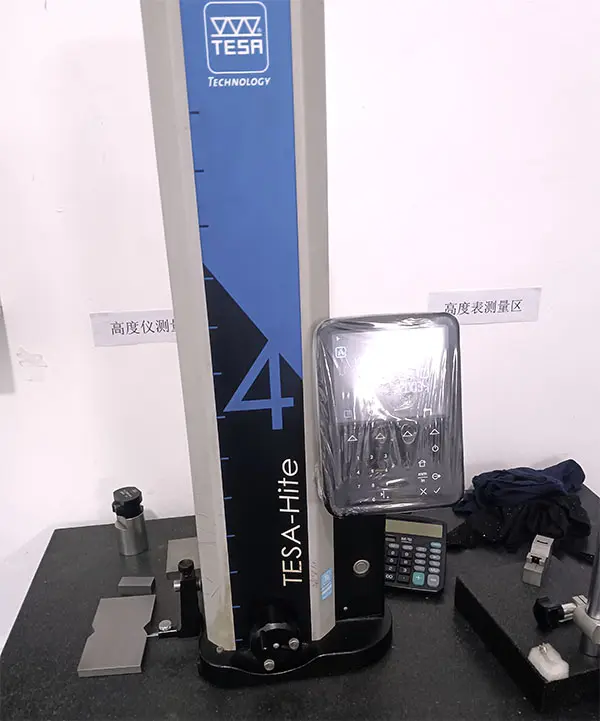
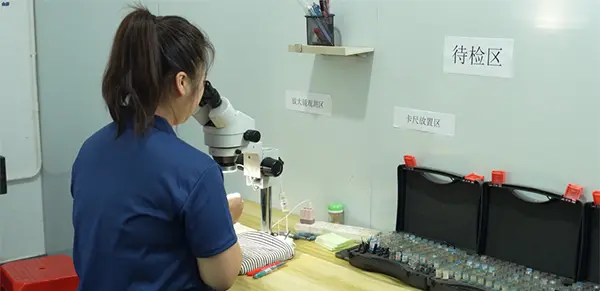
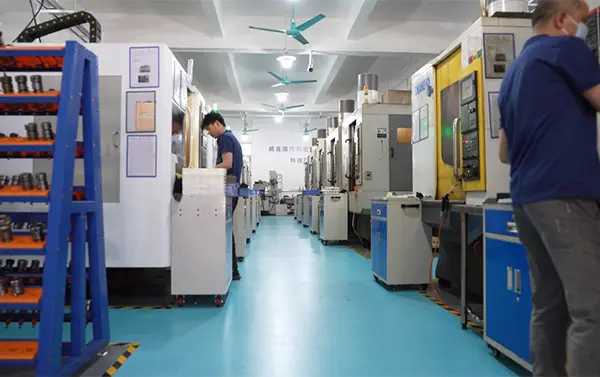
Below, we address critical technical, commercial, and operational questions for procurement managers, structural engineers, and design departments sourcing Kovar alloy components.
Wholesale Precision metal housing components Manufacturer, Factory
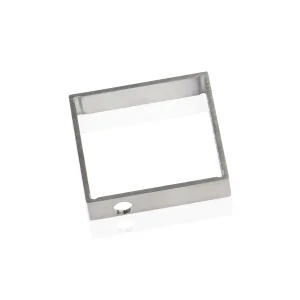
Buy High Precision Stainless Steel Frame with Rectangular Holes Suppliers, Manufacturer
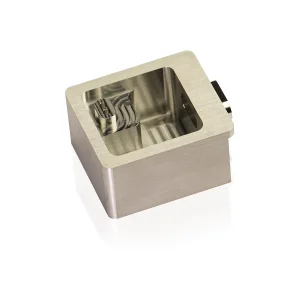
Buy CNC machining of precision metal components Suppliers, Factory
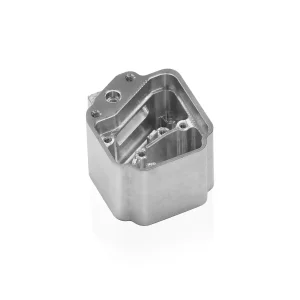
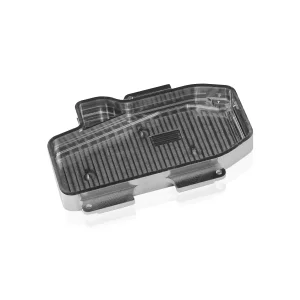
High-Quality Aviation Precision Filter Component - Compact & Reliable Design Suppliers, Factory
Wholesale 5G communication optical module precision metal housing components Manufacturer, Factories
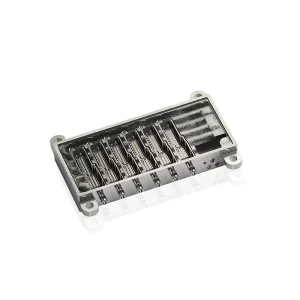
Buy High precision CNC encapsulated tube housing Manufacturers, Factories
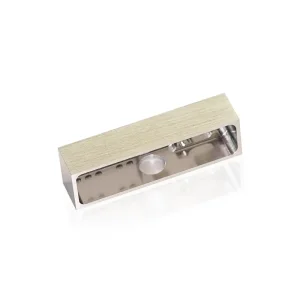
Buy Safety Armor for Aerospace Devices Suppliers, Manufacturers
 Xinyunyang Precision