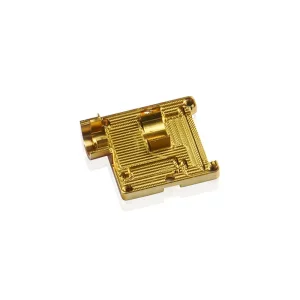
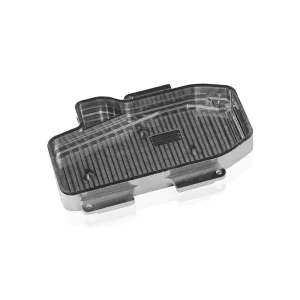
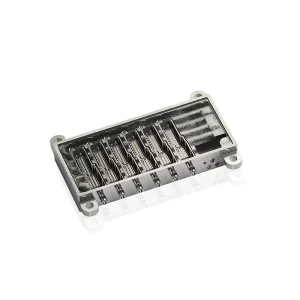
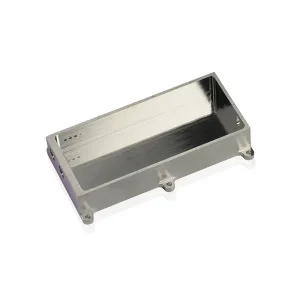
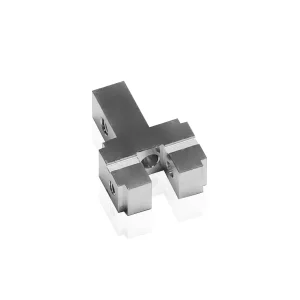
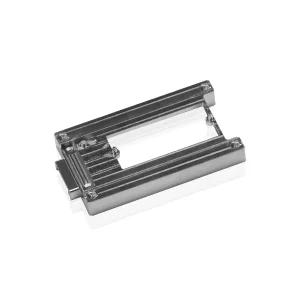
Explore our highly integrated core assemblies, specialized metal packages, and structural components precision-engineered for aerospace, semiconductors, and telecommunications.
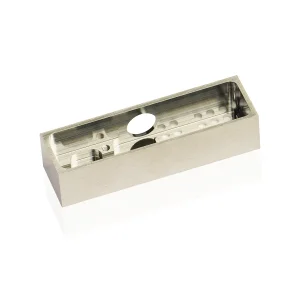
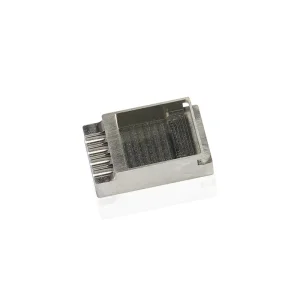
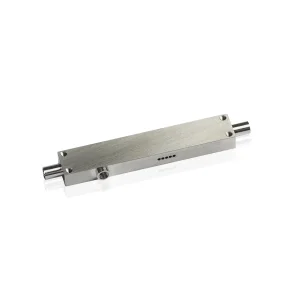
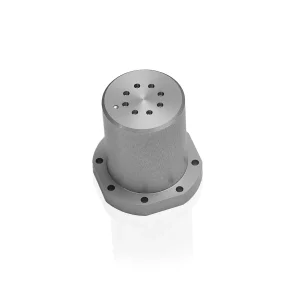
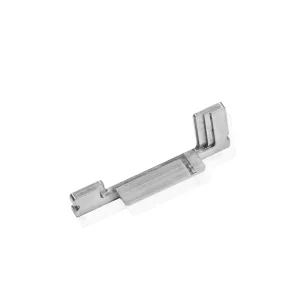
In the modern era of high-precision industrial development, the reliance on advanced CNC milling and turning has reached unprecedented levels. Modern high-quality CNC milling turning manufacturers are no longer just basic subtractive service providers; they serve as critical co-designers and supply chain partners. As structural architectures in aerospace, optical communications, semiconductors, and electronic instrumentation scale down in footprint and up in complexity, the baseline standard of a "Manufacturer" has fundamentally shifted. Achieving tight dimensional tolerances within ±0.005mm and maintaining crystalline and physical surface integrity of high-grade raw alloys is now the basic entry standard for tier-1 supply chains.
This white paper explores the overarching paradigms guiding next-generation CNC machining. We investigate how deep vertical integration, intelligent cloud scheduling, and advanced specialized alloy expertise (specifically with controlled-expansion metals such as 4J29 Kovar and titanium) give manufacturers a major advantage in global industrial supply chains.
The precision engineering landscape is currently being reshaped by three concurrent megatrends: Multi-Axis Hybridization, Material-Driven Optimization, and Adaptive Surface Topology Control.
Historically, milling and turning were discrete, segmented stages of production. A complex component required multiple transfers from structural lathes to vertical machining centers. This increased the cumulative risk of setup errors, part misalignment, and geometric deviations. The advent of integrated Mill-Turn centers has completely eliminated this mechanical discontinuity. By allowing simultaneous 5-axis operations, multi-point index tooling, and continuous toolpath optimization in a single chuck setup, modern manufacturers achieve near-perfect concentricity, minimal tool-change time, and absolute geometric accuracy.
Furthermore, the massive push in 5G infrastructure, satellite communications, and semiconductor lithography has driven exponential demand for custom-machined hermetic components. Special alloys with low thermal-expansion rates, notably 4J29 Kovar alloy, are notoriously difficult to machine due to severe work-hardening and excessive tool wear. CNC manufacturers must employ sub-micron grain tungsten carbide tools, high-pressure through-spindle coolant delivery (up to 70 bar), and specialized toolpath algorithms to avoid structural cracking, surface burnishing, and chemical contamination.
How Xinyunyang Precision Technology delivers superior engineering depth, supply chain control, and high-volume quality assurances to global markets.
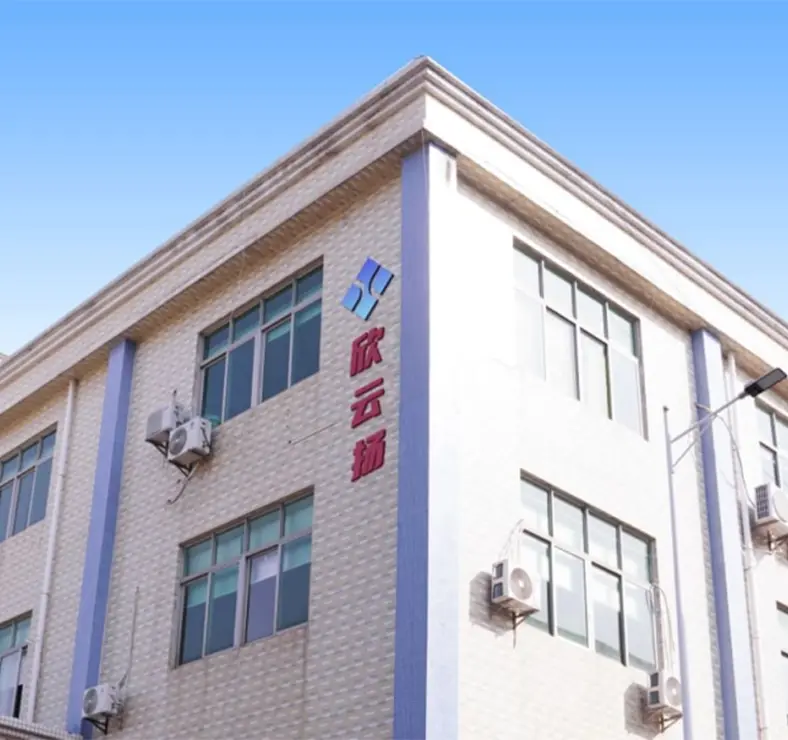
Founded in November 2014, Xinyunyang Precision Technology Co., Ltd. has steadfastly adhered to its initial mission of industrial excellence. Built upon the core business philosophies of Integrity, Innovation, Cooperation, and Sharing, we have earned global prestige as a leading manufacturer of high-reliability component systems.
By focusing on Kovar precision processing technology as our core competitive anchor, our manufacturing capabilities cater specifically to critical demands within high-barrier markets including semiconductors, optical communications, aerospace, medical devices, military defense, and green energy infrastructures.
 High-Precision Processing
Advanced Tech & Equipment
Strict Quality Control
Flexible Customization
High-Precision Processing
Advanced Tech & Equipment
Strict Quality Control
Flexible Customization
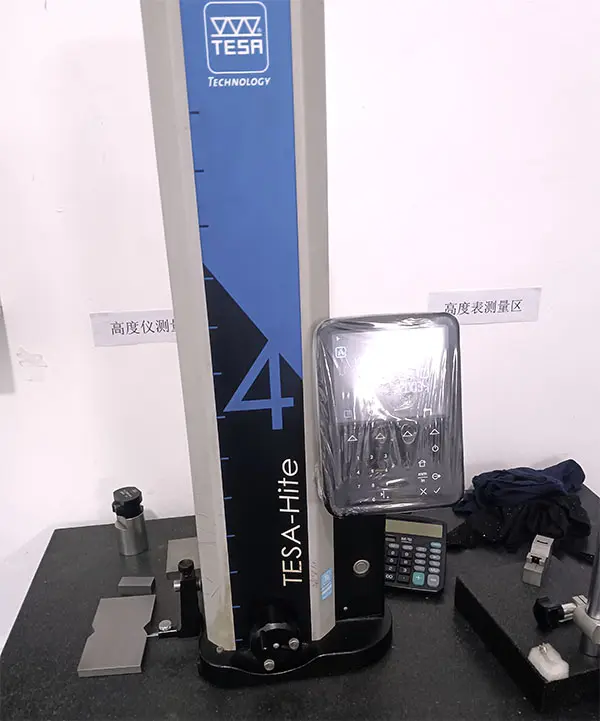
Procurement managers evaluating CNC milling and turning manufacturers for critical industrial systems must emphasize long-term risk mitigation. The selection of a machining partner is no longer just a transaction about price-per-part; it is a meticulous audit of engineering experience, metallurgy traceability, and manufacturing repeatability.
In sectors like semiconductor packaging and optical communications, a micro-cavity leak or slight thermal mismatch in a hermetic enclosure can cause premature module failure, leading to massive financial losses. Consequently, engineering procurement managers must seek out manufacturers who implement a full-process control scheme. This includes comprehensive raw material verification (using optical emission spectrometry and ultrasonic flaw detection), 100% helium mass spectrometer leak testing down to 1x10^-9 Pa·m³/s, and comprehensive CMM surface scanning. Partnering with ISO 9001-certified companies with dedicated in-house environmental chambers guarantees that all parts conform to rigorous regulatory and performance guidelines.
China's manufacturing sector has transitioned from massive labor-intensive factories into intelligent, hyper-connected, high-precision industrial centers. Factory 4.0 integrates advanced IoT networks directly with multi-axis tooling machines, enabling automated quality loops, automated chip management, and smart raw-material allocation.
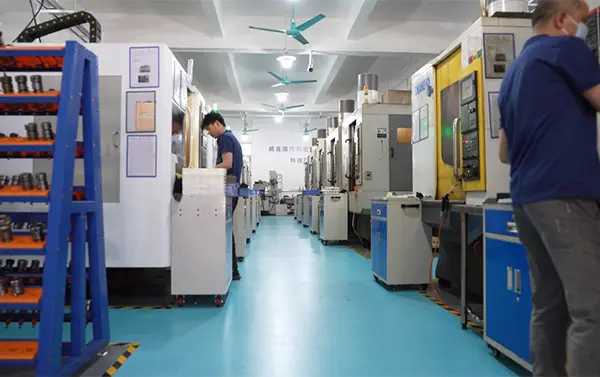
At Xinyunyang Precision Technology, our implementation of smart factory systems allows dynamic capacity re-routing. When an order enters the system, our smart ERP instantly checks inventory, programs toolpath routing, and allocates optimal CNC centers. This agile setup reduces idle machine time, optimizes cycle speeds, and guarantees stable delivery windows. For global aerospace and telecom partners, this provides crucial protection against supply chain shocks. The combination of dense local supply webs, reliable raw material access, and advanced automated engineering gives our customers excellent cost efficiency without sacrificing quality.
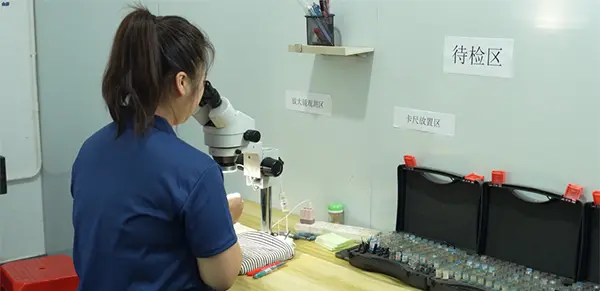
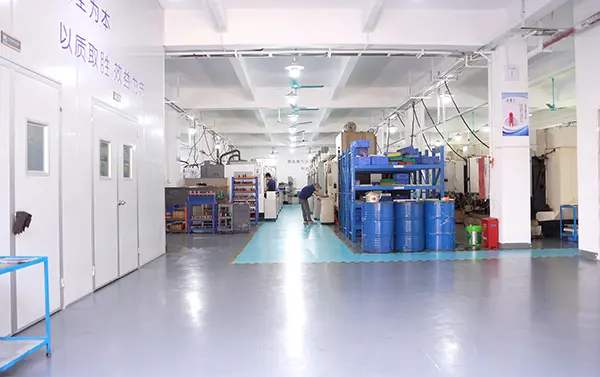
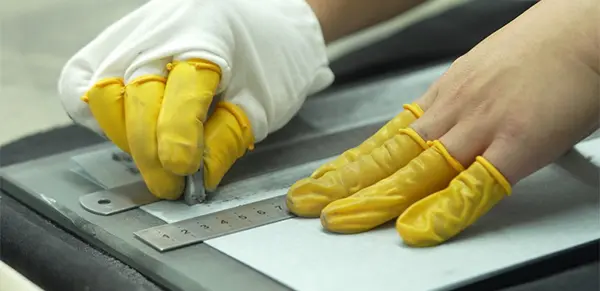
Take a closer look at our physical infrastructure. We invest continuously in top-tier machining equipment, advanced inspection labs, and clean, high-efficiency production environments.
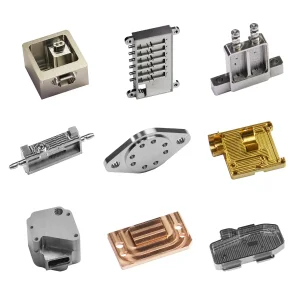
Precision CNC-milled and turned parts operate in highly diverse and demanding application environments. Below are several localized industrial scenarios where our manufactured components play a critical role:
A. High-Frequency Optoelectronic Packages & Crystal MountingsWithin transceivers, laser diodes, and high-frequency microwave packages, crystal mounting components act as structural baselines. They must absorb thermal shock and protect delicate internal circuits from structural warpage. By utilizing 4J29 Kovar and premium ceramic bases, we machine packages with precise matched coefficients of thermal expansion (CTE) that align perfectly with borosilicate glass and silicon substrates. This prevents micro-cracking and maintains hermetic seals during rapid thermal cycling.
B. Aerospace Safety Armor & Sensor EnclosuresAerospace instruments require tough protective housings to protect sensory boards from extreme pressure changes, electromagnetic interference (EMI), and physical impacts. Our precision-turned custom tubes and multi-axis milled armor casings are designed with lightweight high-strength alloys (such as titanium Gr. 5 and aluminum 7075-T6). These parts undergo deep chemical passivation, hard anodizing, or selective gold plating to ensure robust corrosion resistance in high-altitude and vacuum conditions.
C. Automated Industrial Actuator Core ModulesWithin complex robotic assembly lines, high-grade stainless steel linear actuators control high-speed motion paths. The internal screw shafts, flange mounts, and custom coupling sleeves require extremely high cylindrical tolerances and smooth finishes. Our synchronized mill-turn setups process these stainless steel components in a single operation, eliminating geometric runout and ensuring smooth, reliable motion with minimal maintenance.
Standard metals like brass or aluminum-alloy present few challenges for modern high-speed CNC machinery. However, specialized metals such as 4J29 Kovar (composed of nominally 29% Nickel, 17% Cobalt, and the balance Iron) require expert metallurgical knowledge. Kovar's defining characteristic is its controlled coefficient of thermal expansion (~5.1 × 10^-6 / °C from 30°C to 400°C), which precisely matches borosilicate glasses and alumina ceramics.
From a machining perspective, Kovar is highly ductile and work-hardens rapidly. This generates significant heat at the cutting edge and causes built-up edge (BUE) on tools, leading to rapid tool wear and poor surface finishes. To counter these properties, Xinyunyang uses specialized tooling geometry, low cutting speeds, and high feed rates. This keeps the tool cutting below the work-hardened surface layer, ensuring clean surface profiles and precise tolerances for critical glass-to-metal sealing applications.
In-depth technical answers addressing material behavior, machining tolerances, surface plating, and global logistics, written by senior manufacturing specialists.
Depending on part geometry and material selection, our facility consistently achieves a dimensional tolerance of ±0.005mm (5 microns) for high-precision turned parts, and ±0.01mm for complex 5-axis milled components. We verify these tolerances using temperature-compensated coordinate measuring machines (CMM) and digital profile projectors.
Kovar's coefficient of thermal expansion closely matches both borosilicate glass and ceramic materials. This matched expansion rate prevents stress and mechanical failure at glass-metal interfaces under fluctuating temperatures, ensuring the hermetic seal remains intact to protect inner electronic components from moisture and gas ingress.
We use specialized, high-grade carbide cutting tools with advanced multi-layer coatings (such as AlTiN or TiAlN) to resist extreme temperatures. We also optimize toolpaths using high-feed milling strategies and deep cut steps, ensuring the cutting edge operates beneath the work-hardened surface layer. High-pressure through-spindle cooling is also used to quickly dissipate heat.
We provide full in-house and audited finishing solutions, including custom copper, electrolytic nickel, and high-purity gold plating (conforming to MIL-G-45204). Gold plating is typically applied over a nickel underplate to ensure excellent solderability, wire-bonding capability, and superior corrosion resistance in severe environments.
By leveraging our intelligent scheduling systems, we have improved delivery efficiency by 15% to 20%. Standard prototype runs are typically delivered within 7 to 10 working days, while high-volume production orders average 3 to 4 weeks, depending on design complexity and post-processing requirements.
Yes, our engineering team consists of over 30 dedicated specialists who collaborate with clients to optimize designs for manufacturability (DFM). We review CAD layouts to identify opportunities for reducing tool changes, eliminating excess setups, and selecting cost-effective materials, helping to lower production costs.
Yes, we actively implement green manufacturing practices across all our CNC milling and turning operations. This includes high-efficiency coolant recycling systems, scrap alloy reclamation programs, and energy-efficient CNC centers to reduce overall emissions and meet environmental standards.
We use a comprehensive quality assurance protocol. Depending on customer requirements, testing can include Coordinate Measuring Machine (CMM) dimensional analysis, surface roughness profiling, ultrasonic non-destructive testing, helium mass-spectrometer leak testing for hermetic packages, and plating thickness measurements.
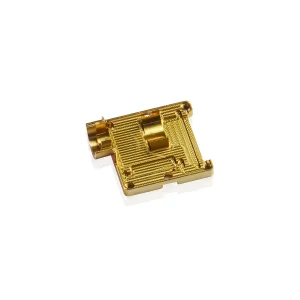
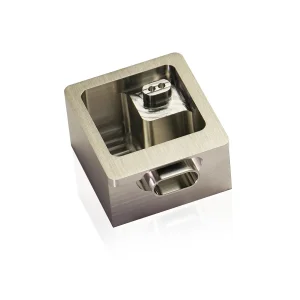
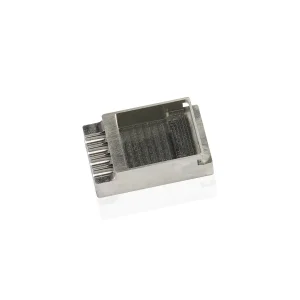
Browse the second half of our high-precision product portfolio, featuring specialized gold-finished metal parts, portable electronics housings, high-frequency connectors, and durable enclosures.
 Xinyunyang Precision