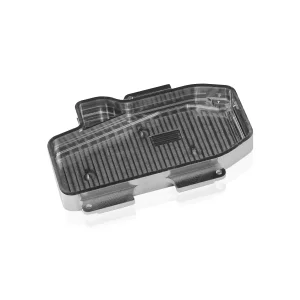
Explore our curated selection of high-tolerance CNC engineered parts, connectors, and physical structures, engineered specifically to endure severe conditions in aerospace, micro-optics, and deep-space missions.
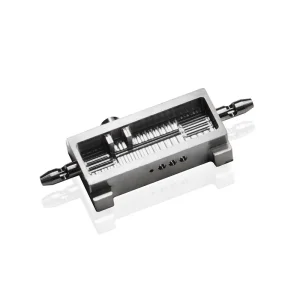
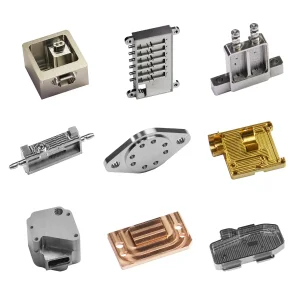
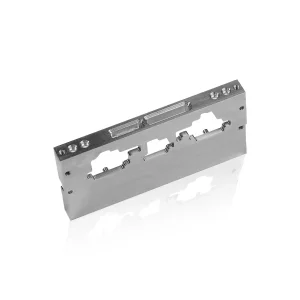
In the modern industrial arena, sub-micron tolerances and hermetic reliability are no longer optional characteristics; they represent the foundation of deep-tech scaling. As an industry-acclaimed supplier, Xinyunyang Precision Technology Co., Ltd. has, since its inception in November 2014, pioneered the convergence of material science and high-speed multi-axis CNC machining. We treat thermal matching, low coefficient expansion, and structural hermeticity as strategic technological pillars rather than merely mechanical tolerances.
By combining raw expertise in processing challenging low-expansion alloys such as Kovar (4J29), Titanium Grade 5, and Oxygen-Free Copper (OFC), we empower designers and defense procurement specialists to realize critical physical configurations. Our approach integrates rigorous thermal dissipation modeling with extreme surface finish controls to yield products that consistently outperform standard components under ultra-high vacuum (UHV), high frequency, and high thermal stress environments.
Fully tracked and authenticated batches ensuring zero-defect deliveries across every production shift.
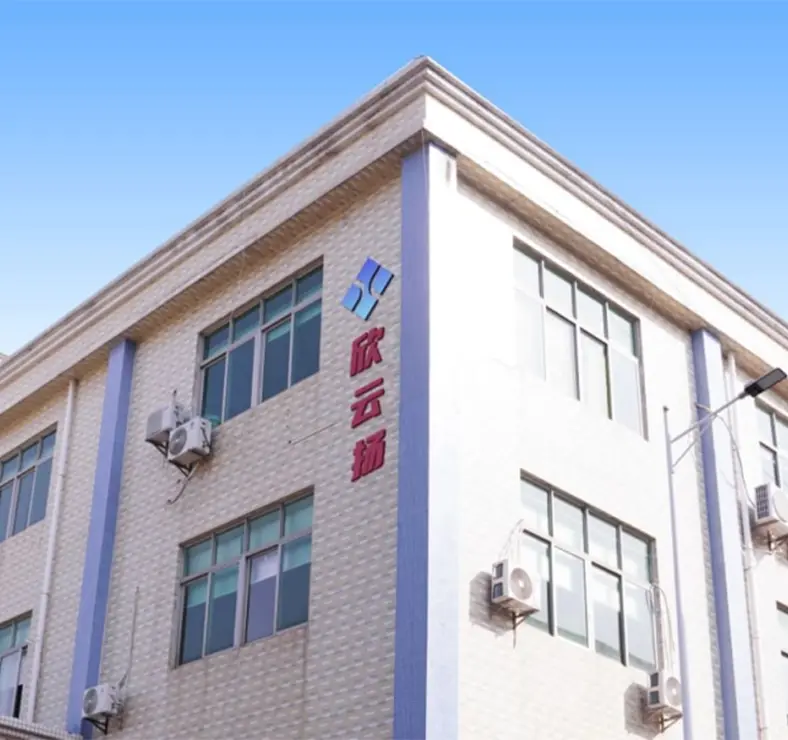
As manufacturing landscapes globalize, high-precision machining has transitioned from a standard mechanical trade to a vital link in the technology supply chain. We provide critical foundational components enabling progress in AI, defense networks, and global communications.
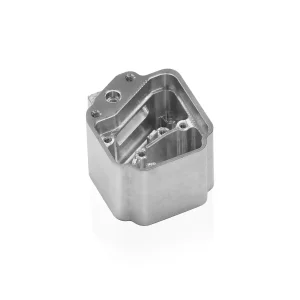
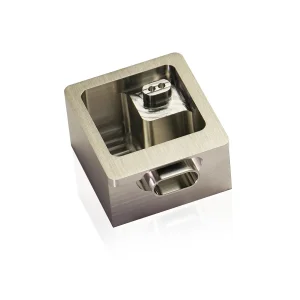
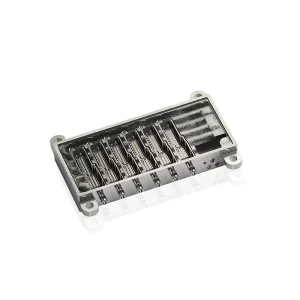
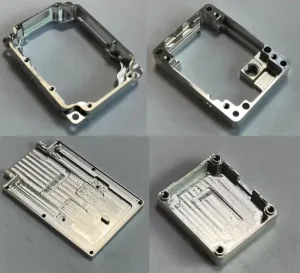
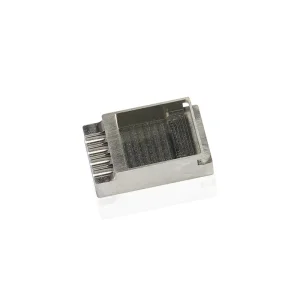
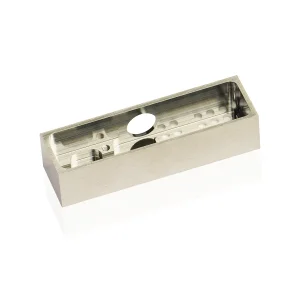
Modern silicon platforms rely on hermetic micro-packaging to prevent trace degradation. We supply Kovar (4J29) hermetic package lids and micro-cavity shells with matching thermal coefficients. This guarantees perfect physical integration with silicon and ceramic structures, preventing catastrophic fatigue failures under fluctuating thermal loads.
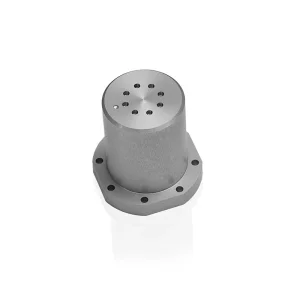
Weight optimization, mechanical rigidity, and corrosion immunity are critical parameters in aerospace engineering. Our aviation-grade micro-filters and customized rotary joints are engineered to operate continuously in corrosive atmospheric environments, delivering superior fluid-flow integrity under extreme g-forces and thermal differentials.
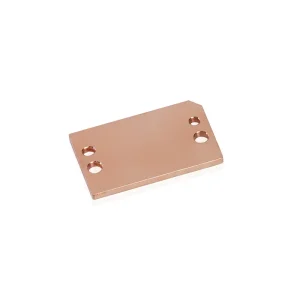
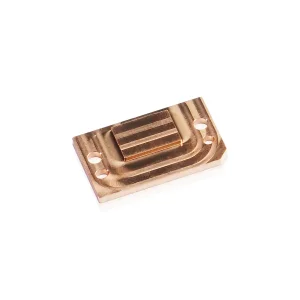
High-power energy systems require ultra-low resistance interconnects to maintain high performance. By utilizing multi-axis CNC lathe machining on oxygen-free high-conductivity (OFHC) copper, we manufacture busbars, terminals, and heavy-gauge links that minimize internal electrical losses and limit thermal generation during rapid charging.
Unlike standard structural metals like aluminum or mild steel, specialized alloys require precise control of cutting tools and thermal expansion rates. We maintain an expert-level focus on Kovar (4J29), titanium, and engineering metals.
| Material Designation | Chemical Composition | Thermal Expansion Coeff. (CTE) | Primary Industrial Applications | CNC Machining Difficulty Profile |
|---|---|---|---|---|
| Kovar Alloy (4J29) | 29% Ni, 17% Co, Balance Fe | 5.1 × 10⁻⁶ /°C (20°C–400°C) | Glass-to-metal seals, hermetic electronic packaging, optoelectronic systems | Work-hardening tendency, high tool wear rates, critical heat control required |
| Oxygen-Free Copper | 99.99% Cu Min (OFHC) | 17.7 × 10⁻⁶ /°C | Conductive connectors, high-power electronics, RF transmission shields | Highly ductile, prone to burrs, requires high-lubricity coolant & razor-sharp tools |
| Titanium (Grade 5) | Ti-6Al-4V | 8.6 × 10⁻⁶ /°C | Aerospace structural assemblies, defense housings, medical implants | High shear strength, poor thermal conductivity, requires rigid setups and high torque |
| Stainless Steel 316L | Fe-18Cr-12Ni-2.5Mo | 16.0 × 10⁻⁶ /°C | Linear actuators, fluidic control pathways, marine hardware | Excellent mechanical integrity, requires deep tooling geometries and optimized feeds |
Strategic Engineering Insights: Machining Kovar (4J29) requires specialized equipment. Due to its high nickel and cobalt content, it exhibits a pronounced tendency to work-harden almost immediately upon tool contact. Our production facility overcomes this challenge by maintaining high-torque spindle setups, constant tool feeds, and specialized carbide cutting tools. This allows us to deliver consistent results across high-volume production runs.
Our competitive advantage is built on rigorous research, custom design-for-manufacturing (DFM) verification protocols, and dedicated project management.
With over 100 dedicated technical personnel, 30% of whom function directly as engineering specialists, we analyze every component design to optimize production efficiency and performance.
By utilizing high-precision mill-turn CNC machines, we eliminate multiple manual setups. This enables us to machine complex, multi-sided geometric features in a single cycle, ensuring tight dimensional tolerances.
Our integrated ERP scheduling systems have improved standard delivery turnarounds by 15% to 20%, ensuring reliable lead times without compromising dimensional quality control.
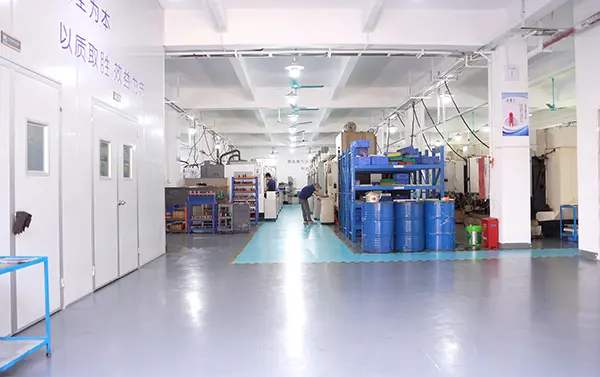
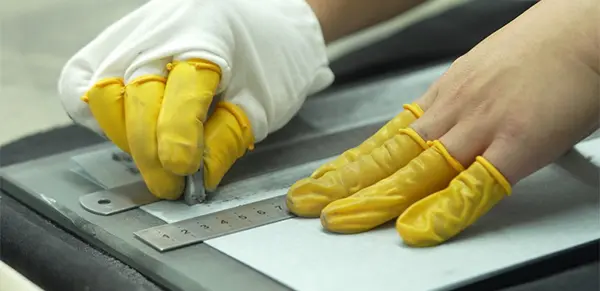
Take a look inside our cleanrooms, machining bays, and coordinate measuring machine (CMM) testing suites, where micro-level engineering projects are planned and executed daily.
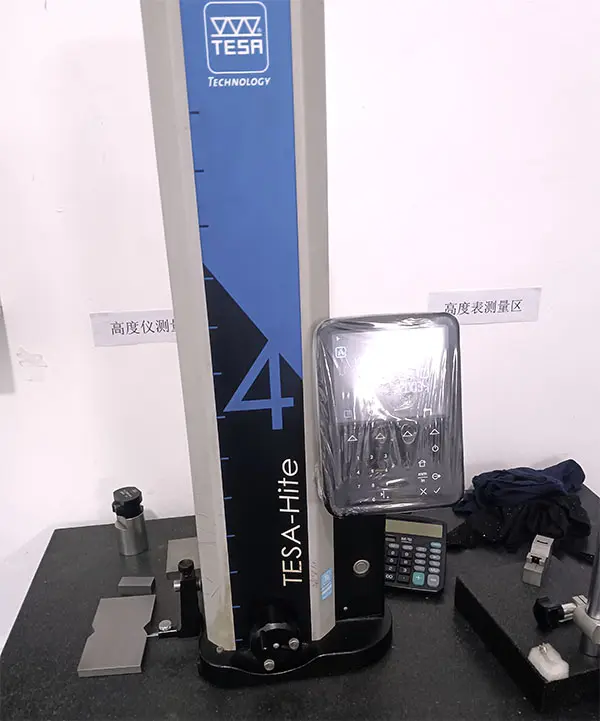
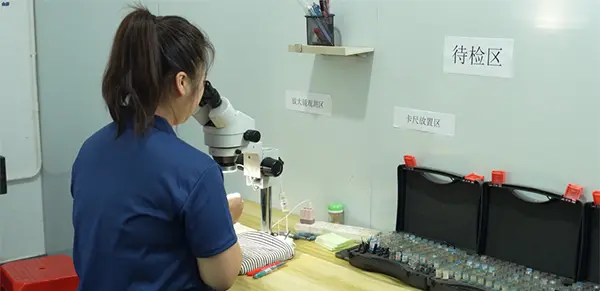
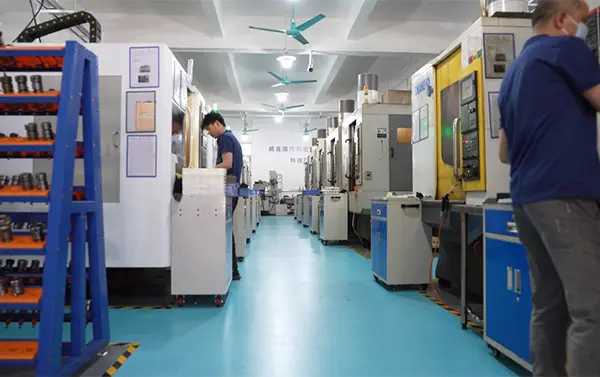
Navigating aerospace specifications and global customs documentation requires structured processes. We ensure absolute compliance, from initial design review through to final packaging.
Our raw materials and manufacturing processes are fully compliant with RoHS, REACH, and DFARS regulations. We guarantee that all metal alloys are ethically sourced and physically authenticated prior to the machining phase.
With localized support offices and representation across North America, Europe, and the APAC region, we offer responsive engineering consulting, clear design communication, and rapid turnaround on requests for quotation.
We offer direct collaborative engineering design assistance to optimize part geometry. This active engineering review process helps identify and resolve potential stress-fracture points, micro-void risks, and unmachinable design features prior to production.
By integrating advanced tooling designs with optimal multi-axis programming routines, we reduce material scrap rates and process times, allowing us to pass the resulting savings directly to our customers.
The future of precision machining is defined by carbon reduction, intelligent automation, and hybrid subtractive engineering.
Upgrading our production lines with high-end mill-turn systems. We aim to achieve stable tolerances down to ±0.2 microns across high-volume production orders.
Deploying closed-loop scrap recycling processes to salvage chips from high-value alloys. This initiative reduces the overall carbon footprint of our operations by 30%.
Implementing predictive AI optimization algorithms to streamline multi-spindle operations. This system reduces energy consumption and optimizes resource allocation across our facility.
Get authoritative, direct answers to common engineering questions concerning high-tolerance machining, thermal matching, and advanced alloy components.
Kovar (4J29) is a nickel-cobalt-iron alloy specifically engineered to exhibit thermal expansion characteristics matching those of borosilicate glass and alumina ceramics. Over a wide thermal range (from cryogenic levels up to 400°C), Kovar's coefficient of thermal expansion (CTE) remains highly stable. This prevents mechanical stress and potential cracking in glass-to-metal (GTMS) or ceramic-to-metal interfaces during thermal cycling, ensuring reliable hermetic seals.
Our facility manages these challenges by maintaining stable feed rates, using rigid setups, and utilizing high-performance cobalt-based or carbide tooling equipped with advanced physical vapor deposition (PVD) coatings (like AlTiN). We also employ pressurized, high-volume flood cooling directly at the cutting zone. This effectively manages heat buildup and prevents the alloy from work-hardening under the tool edge.
We use high-sensitivity helium mass spectrometer leak detectors. Our testing protocols check for leakage rates down to 1x10⁻⁹ Pa·m³/s. This ensures the component can maintain a reliable hermetic seal in harsh environments, such as deep-space vacuum or high-pressure deep-sea installations.
Yes, our engineering team regularly assists with design optimization. We evaluate early-stage concepts to ensure they are optimized for multi-axis CNC machining, helping to reduce material waste, simplify geometries, and lower manufacturing costs while maintaining critical performance characteristics.
Review our second catalog tier, showcasing custom linear actuators, brass precision fittings, and CNC encapsulated enclosures built for extreme reliability.
 Xinyunyang Precision