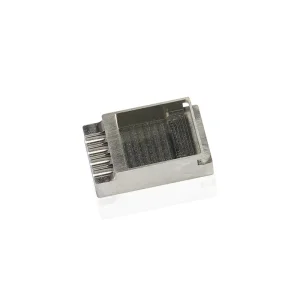
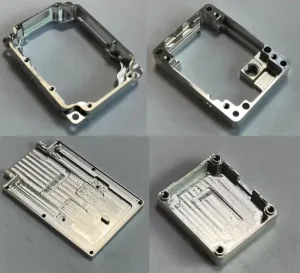
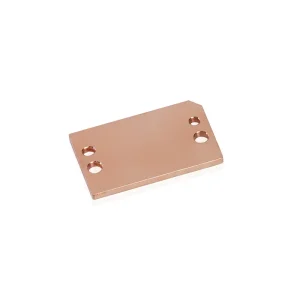
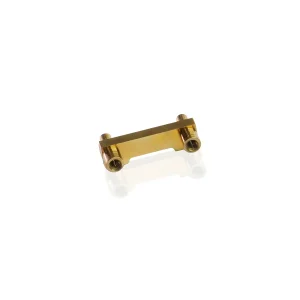
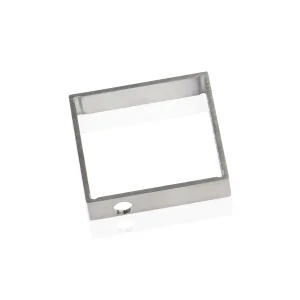
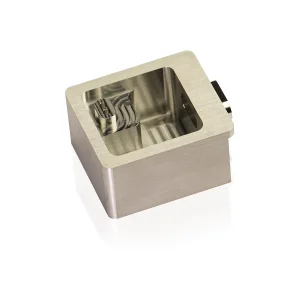
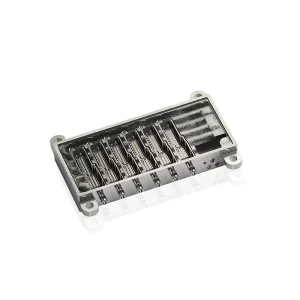
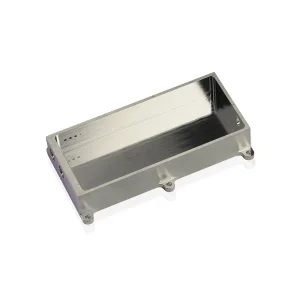
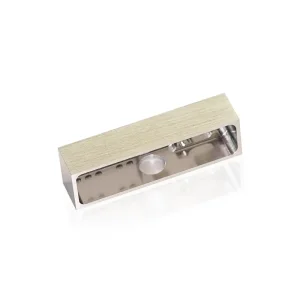
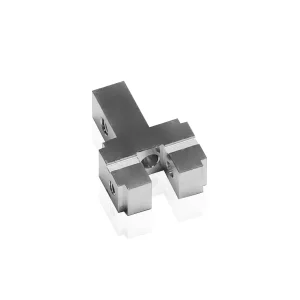
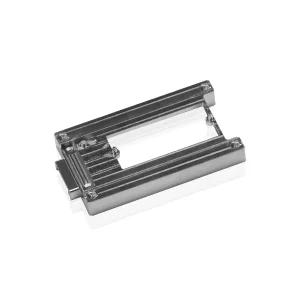
Explore our elite selection of high-precision parts, certified under strict quality governance protocols for critical technology deployments.
In high-reliability microelectronics, optoelectronics, and aerospace systems, material thermal matching is the dividing line between components that perform and those that fail prematurely. Kovar alloy—a nickel-iron-cobalt formulation compliant with ASTM F15 standards—stands as the industry-standard engineered medium. Composed of approximately 29% nickel, 17% cobalt, and 54% iron, Kovar is uniquely optimized to exhibit a coefficient of thermal expansion (CTE) that closely aligns with borosilicate glasses (such as Corning 7052) and alumina ceramics over a broad temperature threshold (-70°C to 450°C).
Without this precision thermal tracking, the interfacial stress created by fluctuating operational temperatures in harsh environments would compromise critical glass-to-metal (GTMS) and ceramic-to-metal seals. The consequence of thermal mismatch is immediate and catastrophic: micro-cracking, loss of hermeticity, moisture ingress, and the subsequent failure of internal semiconductor circuits. In space, deep sea, and military hardware, such failure modes are completely unacceptable. High-quality ISO 9001 certified Kovar machining represents the apex of reliable physical barriers, assuring operational longevity across microsecond heat spikes and deep-space cooling phases.
Machining Kovar to sub-micron tolerances demands profound metal processing expertise. As an alloy containing a high nickel and cobalt volume, Kovar exhibits strong work-hardening characteristics. If tool feeds and speeds are not meticulously governed, the shear plane of the material rapidly hardens, leading to immediate tool wear, micro-chipping, and critical dimensional deviations.
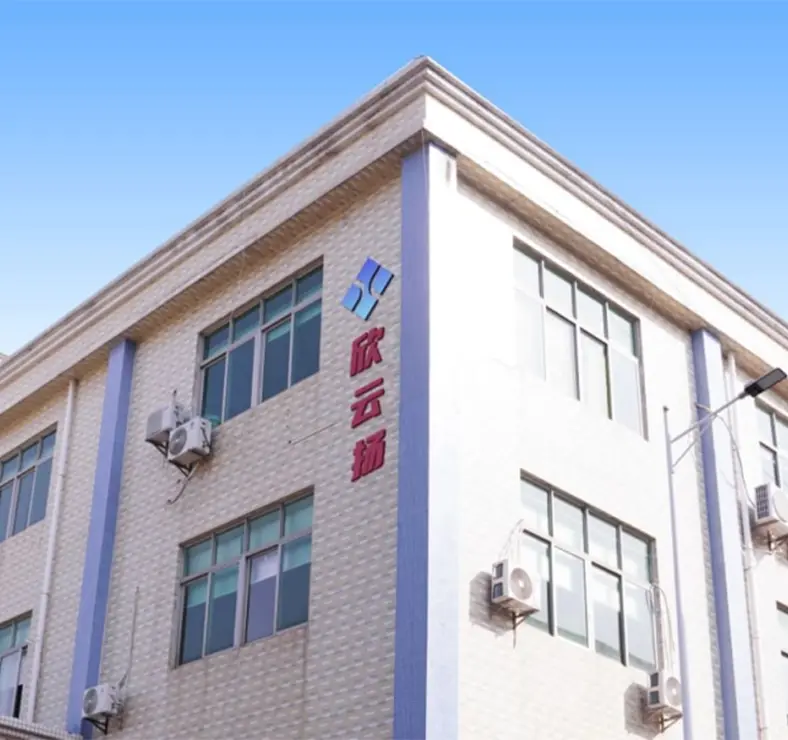
Founded in November 2014, Xinyunyang Precision Technology Co., Ltd. has steadfastly adhered to the foundational values of industrial excellence, operating under the core principles of Integrity, Innovation, Cooperation, and Sharing.
We focus on Kovar precision processing technology as our foundational core competency. Through years of relentless execution, we have deeply integrated our production chains into global sectors including semiconductors, high-speed optical communications, aerospace, advanced medical devices, and new energy military infrastructure. We are committed to engineering miniaturized, highly customized, and ultra-reliable metal packaging configurations to clients worldwide.
 High-Precision Processing
Advanced Production Tech
Strict Quality Control
Flexible Customization
High-Precision Processing
Advanced Production Tech
Strict Quality Control
Flexible Customization
Discover how our foundational engineering clusters support extreme component precision and rapid scale execution.
Our company houses a dedicated team of over 100 industrial specialists. Out of these, technical and application engineers comprise over 30% of the total roster, facilitating agile product development and concurrent engineering pipelines.
Our principal core members have been deeply immersed in micro-precision metal processing for over a decade. We continue to pioneer composite processing technologies for advanced exotic alloys, titanium materials, and customized low-expansion metals, keeping ahead of RF, AI, and optoelectronic demands.
Leveraging our rigorously maintained ISO 9001 certified quality management structure alongside our automated, intelligent shop-floor scheduling ecosystem, Xinyunyang has successfully compressed lead times on complex orders by 15% to 20%.
Global electronics manufacturers, procurement managers, and design engineers face constant pressure to achieve extreme lead-time margins without compromising precision reliability. Partnering with a specialized, ISO 9001 certified Chinese facility like Xinyunyang provides structural cost-efficiency, deep technological agility, and comprehensive production capabilities.
The clustering of material science partners, CNC machine tooling suppliers, precision surface finishing plants, and high-purity raw material refiners within South China's industrial zones creates a highly optimized production ecosystem. Rather than fragmenting the supply chain across multiple global contractors, Xinyunyang manages the entire pipeline in-house: from initial material validation, multi-axis machining, and inter-stage vacuum stress annealing, to downstream electroplating (specifically military-grade electrolytic gold plating per MIL-G-45204 and high-purity nickel plating). This closed-loop fabrication significantly mitigates transit delays and guarantees zero inter-process contamination, preserving the pristine quality of the machined components.
The microelectronics landscape is moving swiftly toward extreme miniaturization and massive data densities. As a result, hermetic package designs have become more intricate, featuring thinner wall configurations, dense coaxial feedthrough layouts, and multi-layered internal structures. For instance, the rise of 800G and next-generation 1.6T optical transceivers requires highly sophisticated housings where the Kovar component matches the exact CTE requirements of integrated indium phosphide (InP) or silicon photonics lasers. Furthermore, quantum computing processors operated at cryogenic temperatures require robust packaging that retains structural integrity without mechanical failure or phase transformation at near-absolute zero.
Additionally, modern phased-array radar systems deployed in high-stress aerospace environments depend on hermetic T/R (Transmit/Receive) modules machined out of Kovar alloy. These enclosures must withstand high thermal output while protecting delicate gallium nitride (GaN) components from external humidity, altitude drops, and thermal shocks. High-quality ISO 9001 certified CNC machining centers ensure that every micro-cavity, thread profile, and sealing lip conforms perfectly to target engineering drawings.
Modern global brands demand strict environmental, social, and corporate governance compliance throughout their supply chains. The days of purchasing unverified, un-traced materials are long gone. Environmental and ethical transparency is now a prerequisite for aerospace, medical, and defense contracts. To meet this critical need, Xinyunyang ensures all Kovar and 4J29 raw material stocks are 100% ESG-validated, conflict-free, and fully compliant with RoHS 3 and REACH regulations.
By enforcing precise raw material tracking—verifying the origin of every metric ton of nickel and cobalt down to the smelter level—we guarantee our customers have complete peace of mind. We provide full material test reports (MTRs) and mill test certifications with every shipment, verifying the material's structural density, absence of microscopic voids, and chemical composition. This documentation ensures that the mechanical stability of our hermetic packages is fully auditable at every stage of the product life cycle.
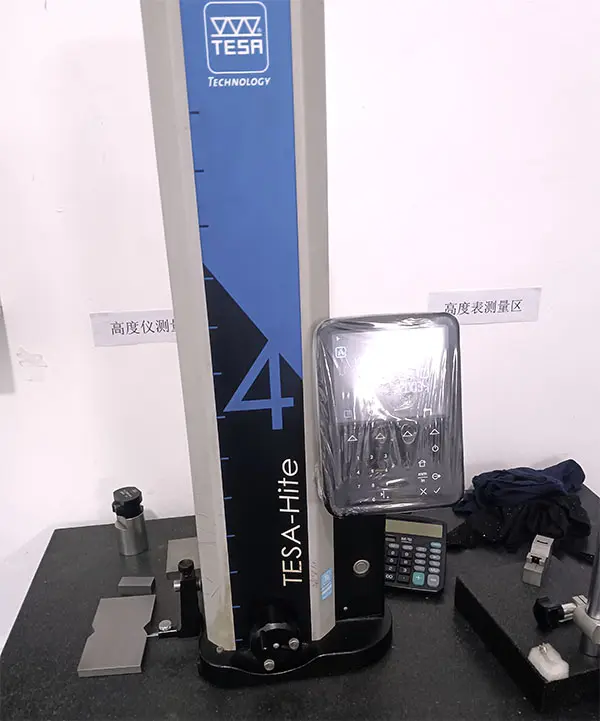
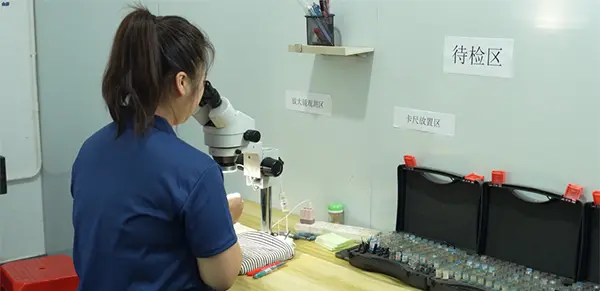
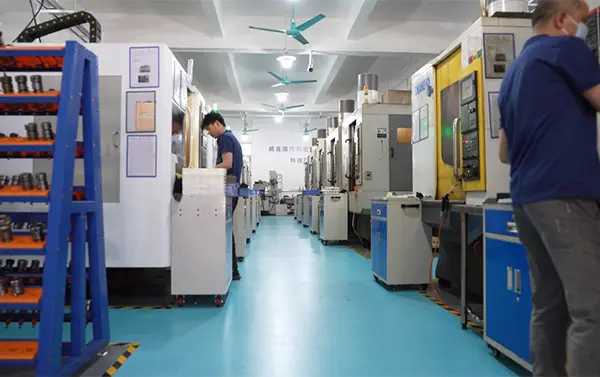
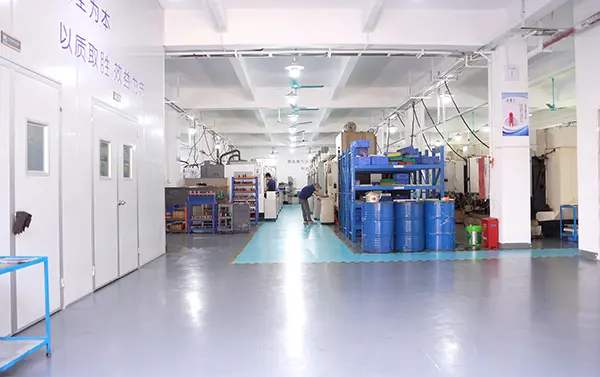
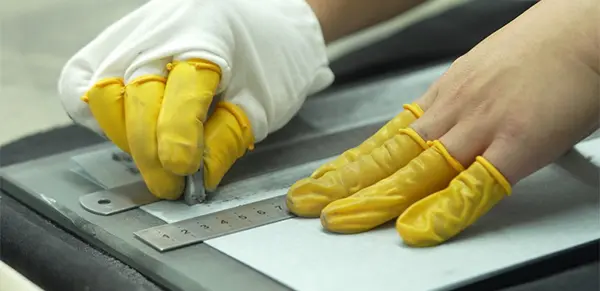
Step inside our highly controlled production environments, where state-of-the-art machinery and strict quality control operations take place.
Get expert engineering insights on materials, tolerances, heat treatments, and quality protocols.
Browse through our complete catalog of specialized metallic connectors, rugged heat-sinks, and customized sheet metal components.
 Xinyunyang Precision