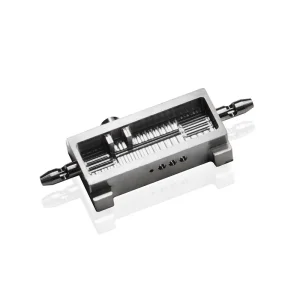
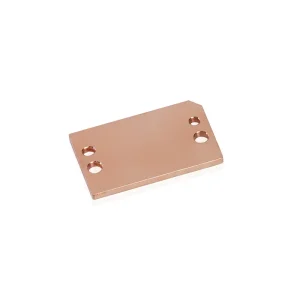
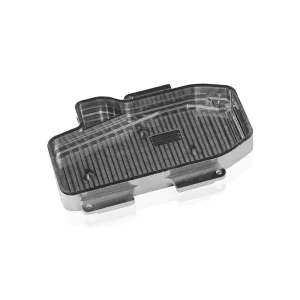
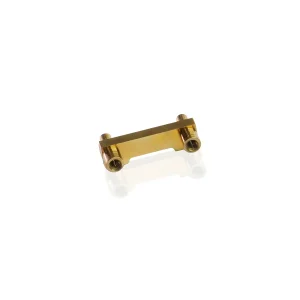
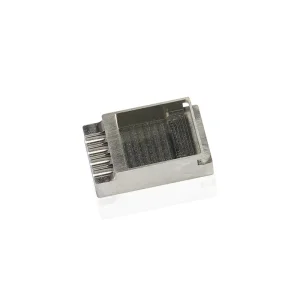
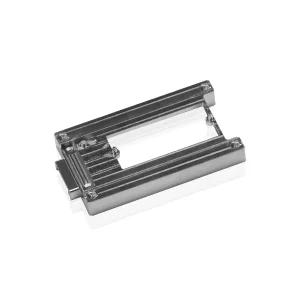
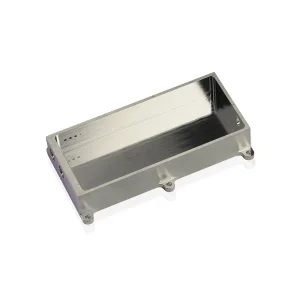
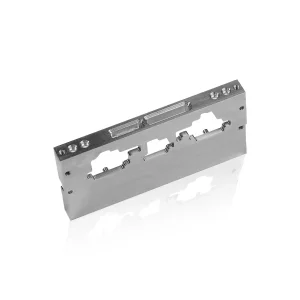
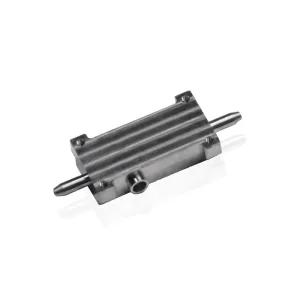
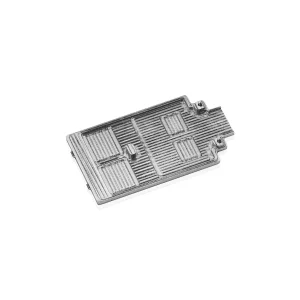
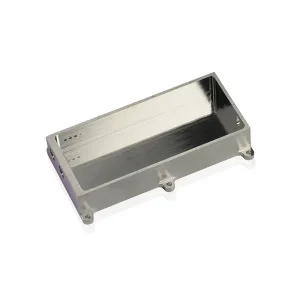
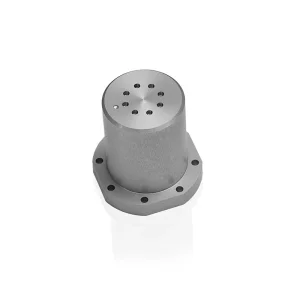
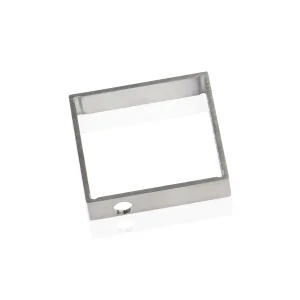
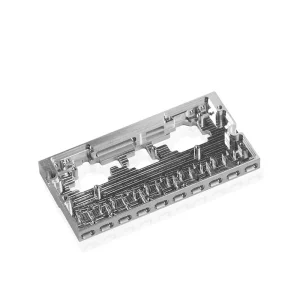
Explore our extensive range of high-performance components, meticulously designed for modern transceivers, standard optical modules, and customized RF/microwave aerospace architectures.
The hyper-scale expansion of AI computing workloads, high-frequency trading networks, and optical-to-the-home deployments has accelerated the evolution of optical transceivers. As optical transceivers migrate from the classic 100G/200G standard form factors to highly integrated 400G, 800G, and even 1.6T Co-Packaged Optics (CPO) configurations, conventional metals fail to meet the rigorous thermal constraints.
Under these highly demanding environments, Optical Transceiver Kovar Sleeves act as the ultimate interface material. Made from 4J29 Kovar alloy (compliant with ASTM F15 standards), these components provide a precise Coefficient of Thermal Expansion (CTE) match to borosilicate glasses and silicon photodetector sub-assemblies across an extensive thermal spectrum.
"Without precise matching at the microscale, the differential expansion between standard metals and delicate optoelectronic glass fibers under high operating temperatures leads to micro-cracking and loss of hermeticity—rendering millions of dollars of server hardware vulnerable to environment-induced failure."
By relying on a trusted industry leader like Xinyunyang Precision Technology Co., Ltd., global enterprise buyers secure highly optimized, ultra-low tolerance components that ensure complete structural protection, environmental sealing, and unrivaled transmission stability.
In modern industrial applications, single-point failures within telecommunication frameworks carry catastrophic economic risks. High-performance Kovar packaging components safeguard operations across key demanding sectors.
Operating under extreme low-temperature and high-vacuum space environments, our Kovar alloy casings and sleeves guarantee consistent hermeticity, preventing the outgassing of optical interfaces in remote, critical space communication payloads.
Used inside critical fiber-optic lasers and molecular imaging systems, our components maintain a completely localized hermetic seal, shielding internal sensory optics from bodily fluids, moisture, and extreme sterilization protocols.
Enabling optical transceivers to run uninterruptedly in hyper-scale cloud facilities. The ultra-low CTE deviations match perfectly with laser diode assemblies, ensuring minimal light scattering and high thermal conductivity.
An inside look into the physics of material science that makes Xinyunyang’s custom-engineered Kovar components the absolute global benchmark for high-reliability hermetic packaging.
The core technology behind our high-quality optical transceiver sleeves lies in the strict metallurgy of 4J29 Kovar Alloy. With a precise chemical composition of approximately 29% Nickel (Ni), 17% Cobalt (Co), and remaining Iron (Fe), it matches the expansion rates of high-durability hard glasses (such as Corning 7052 or Schott 8250).
Our raw material sourcing mandates a completely uniform composition structure, preventing microscale phase transformations to martensite at sub-zero temperatures (as low as -80°C). This level of microstructural stability ensures that the sleeves maintain their dimensional shape and hermetic integrity permanently, without compromising optical alignment.
| Parameter Details | Optimal Values (ASTM F15 Grade) |
|---|---|
| Mean CTE (30°C to 400°C) | 4.60 to 5.20 x 10⁻⁶ / °C |
| Mean CTE (30°C to 450°C) | 5.10 to 5.50 x 10⁻⁶ / °C |
| Tensile Strength | ≥ 450 MPa |
| Density | 8.36 g/cm³ |
Our sleeves undergo a specialized chemical cleaning process followed by advanced multi-layer electroplating or electroless plating treatments. This prevents oxide buildup during shipping while ensuring highly efficient weldability during customer assembly lines:

Ensures low electrical resistance, excellent corrosion-resistance, and superb laser-welding capability to optoelectronic substrates.
A dense diffusion barrier (typically 1.5 - 3.5 microns) preventing base metal atoms from migrating and degrading high-frequency signal transmission paths.
Our CNC machining capabilities consistently deliver roundness tolerances within ±2μm and concentricity within ±3μm to maintain precise optical fiber centering.
At Xinyunyang Precision Technology Co., Ltd., we combine deep engineering know-how, advanced high-tech CNC turning centers, and strict quality control standards to deliver superior products worldwide.
With over 100 dedicated specialists, including 30% highly qualified, senior-level technical engineers, we design and produce complex, custom structures tailored to extreme client demands.
Leveraging over a decade of hands-on expertise in precision metal processing, our team actively develops and refines composite, multi-metal processing routes for challenging alloys like Kovar, Invar, Titanium, and heavy-duty Brass/Copper.
Our ISO 9001 quality management system, coupled with automated CNC programming and scheduling systems, has boosted our standard order delivery speeds by 15%-20%, giving our clients a decisive time-to-market advantage.
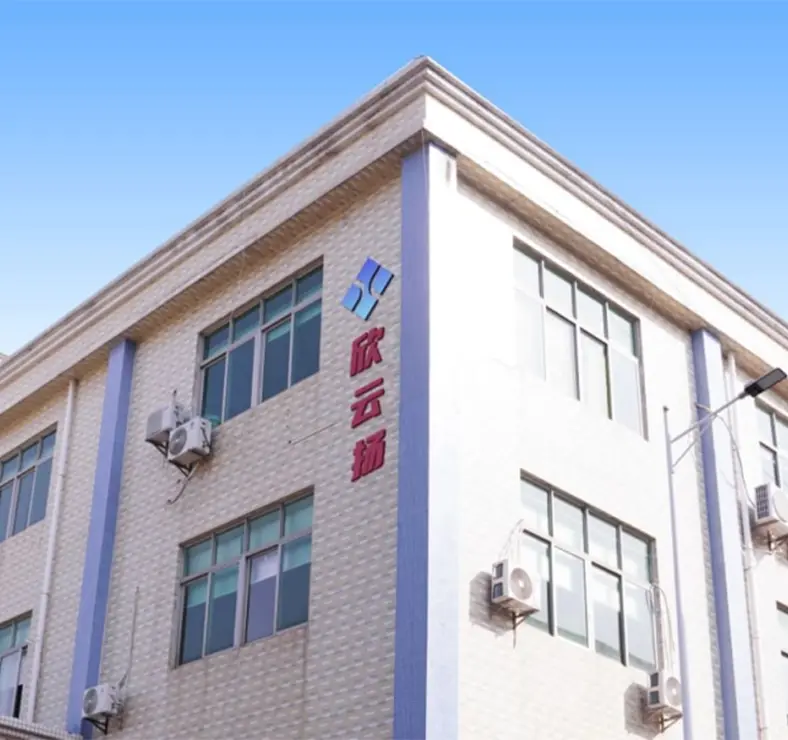
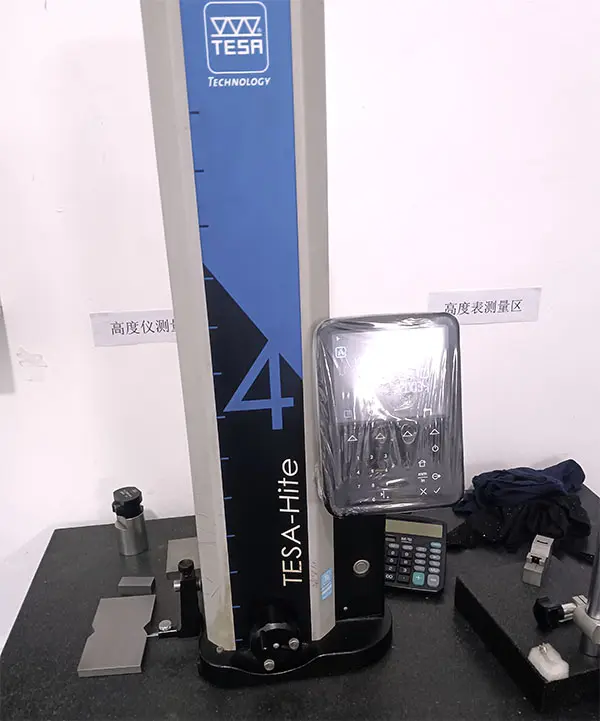
A closer look inside Xinyunyang's advanced CNC manufacturing facility, featuring state-of-the-art tooling machinery, automated testing equipment, and pristine assembly lines.
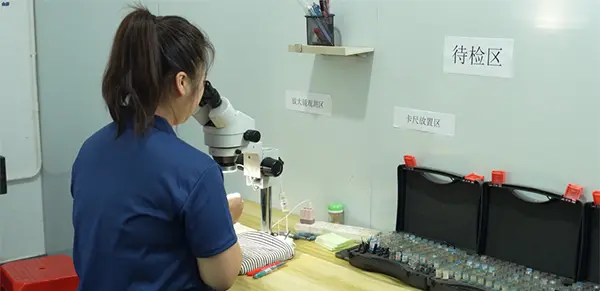
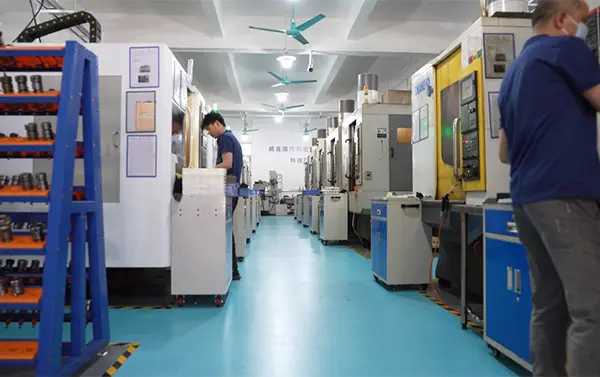
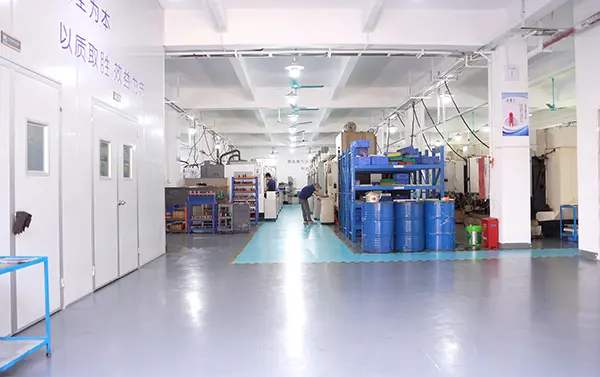
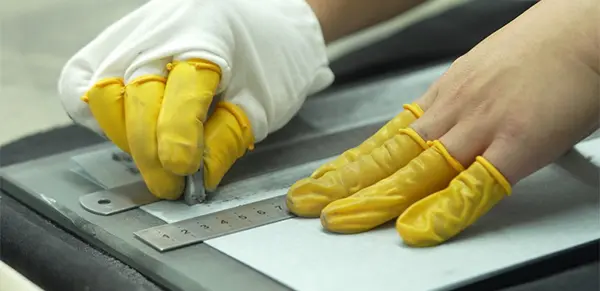
As the industry moves away from pluggable optical engines to hybrid Co-Packaged Optics, the design constraints of Kovar alloy components are shifting rapidly.
In conventional configurations, optical modules are plugged into server faceplates, allowing standard convective currents to cool them. However, with the rise of massive Large Language Models (LLMs) and advanced AI architectures, optical interconnect speeds must exceed 1.6 Terabits per second. To achieve this, the industry is transitioning to Co-Packaged Optics (CPO), bringing the optics directly onto the MCM (Multi-Chip Module) substrate alongside the switch ASIC.
This structural change subjects the packaging components to elevated levels of thermal cycles in much smaller dimensions. Our current technical roadmap actively targets these new needs:
Engineering Kovar sleeves with wall thicknesses below 0.1mm, while ensuring absolutely no structural collapse or dimensional warping during optical fiber alignment and laser weld processes.
Pioneering composite joint sleeves where Kovar is structurally diffusion-bonded to high-thermal-conductivity Copper-Tungsten (CuW) substrates, offering both perfect CTE matching and superior heat dissipation.
Ensuring ultra-precise surface finishes (roughness Ra < 0.2μm) across signal-routing components, mitigating high-frequency skin-effect losses inside 40GHz+ environments.
For modern tier-1 telecommunication and network suppliers, managing corporate supply chain risks is just as important as maintaining technical specs. At Xinyunyang, we integrate absolute transparency, strict conflict-free sourcing, and rigorous ESG certifications into our core operational values.
Our raw 4J29 Kovar alloy and auxiliary materials undergo comprehensive third-party testing to guarantee they are 100% Conflict-Free. We provide extensive trace documentation conforming with the Dodd-Frank Act, giving our partners confidence in their upstream sourcing.
Furthermore, our manufacturing processes are designed for low environmental impact, reducing chemical waste during our advanced plating operations. This ensures our components are fully compliant with RoHS and REACH regulations, simplifying the environmental validation processes for our clients worldwide.
Guarantees zero dangerous substances are present in our coatings, protecting both the end users and the global environment.
We source only from certified, ethical smelters that are fully verified by leading international compliance authorities.
We work with trusted logistics partners to provide secure customs clearance and fast delivery to warehouses across North America, Europe, and Asia.
A comprehensive repository of answers compiled by our senior engineers to address the standard questions asked by procurement teams and optoelectronic designers.
High-speed optical transceivers rely on fragile laser diodes and optical fibers aligned to micron-level tolerances. Standard materials like copper and stainless steel have high Coefficients of Thermal Expansion (16-18 x 10⁻⁶/K). As operating temperatures fluctuate inside a server rack, these metals expand and contract excessively, causing misalignment, light transmission loss, and glass seal failure.
In contrast, 4J29 Kovar alloy has a CTE (approx. 4.9 x 10⁻⁶/K) that matches the thermal expansion of borosilicate glass and silicon. This enables a robust, permanent seal across a broad range of temperatures.
Our facility uses automated, ultra-precise Swiss-type CNC turning centers and custom-configured tool setups designed specifically for tough alloys. Kovar tends to work-harden quickly, which requires precise control over cutting speeds, tool geometries, and coolant mixtures.
We monitor our tools continuously to achieve high accuracy, ensuring concentricity and roundness tolerances within ±2μm to ±3μm on our custom sleeves.
We offer high-quality electroplating and electroless plating options, including Gold (Au) and Nickel (Ni) layers. To prevent copper or base-metal atom migration under high operating temperatures, we apply a robust, high-purity nickel diffusion barrier (typically 1.5 - 3.5μm thick). The final gold layer is then deposited to ensure excellent corrosion resistance and optimal weldability.
Yes, all raw materials are 100% Conflict-Free. We source exclusively from certified smelters and provide full traceability documentation in compliance with the Dodd-Frank Act. Furthermore, our processes are designed for low environmental impact, ensuring our products are fully compliant with RoHS and REACH regulations.
Yes, we specialize in high-speed rapid prototyping. Our engineering team works directly with our clients to refine designs, analyze thermal properties, and run test batches. This collaborative process helps streamline production setups before transitioning to full-scale manufacturing.
Standard prototype and evaluation batches are typically completed within 7 to 10 working days. For high-volume production, we utilize an ISO 9001-certified scheduling system that reduces standard order lead times by 15%-20%, depending on the plating specs and design complexity.
We ensure that our 4J29 Kovar alloy maintains a stable, fully austenitic phase down to -80°C. By sourcing high-purity raw materials and using precise vacuum annealing heat treatments, we eliminate any risk of martensitic phase transitions, preventing shape distortion and seal failure in cold operating conditions.
Simply contact our global service team through our inquiry portal or email. You can share your custom drawings, CAD models (STEP, IGES, DXF formats), material requirements, and expected production volumes. Our engineering team will review the design, run a design-for-manufacturability (DFM) assessment, and provide a competitive quote within 24 hours.
Explore more high-reliability components from our manufacturing facility, designed for optical networks, aerospace, and high-frequency RF systems.
 Xinyunyang Precision