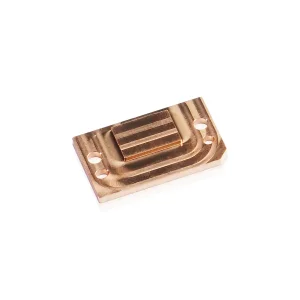
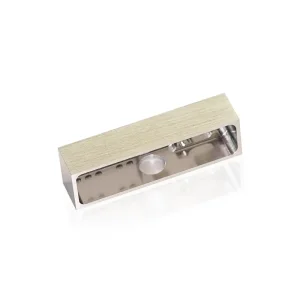
Premium OEM services engineered through advanced multi-axis machining centers and Kovar alloy metallurgical technology.
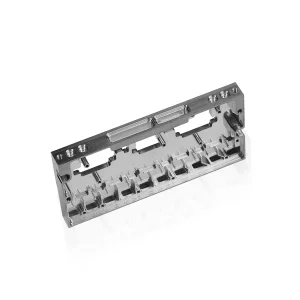
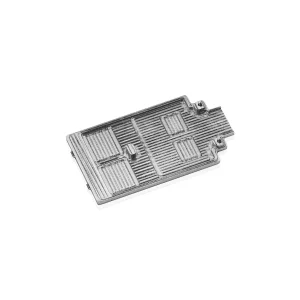
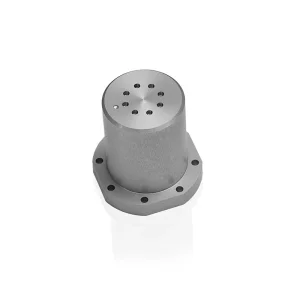
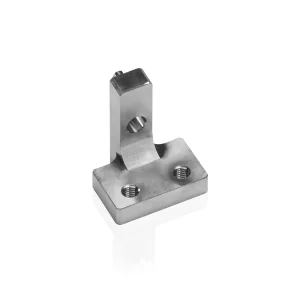
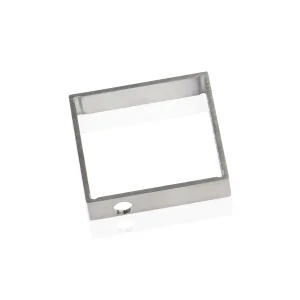
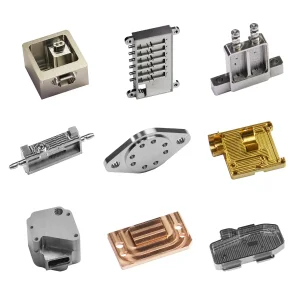
The manufacturing landscape is undergoing a monumental paradigm shift. As industries like semiconductors, advanced optoelectronics, aerospace, and medical instrumentation demand tighter tolerances, traditional mechanical tolerances are giving way to sub-micron capabilities. Today, ultra-precision milling machines serve as the foundational backbone of state-of-the-art product manufacturing ecosystems.
High-quality ultra-precision milling represents the pinnacle of subtractive manufacturing technology. Typically defined by positioning tolerances under 0.1 micrometer and surface roughness values (Ra) below 10 nanometers, ultra-precision milling requires an intricate synergy between advanced machine architecture, high-frequency air-bearing spindles, environmental thermal control, and sophisticated toolpath generation algorithms. By optimizing these critical dynamics, manufacturers achieve complex spatial structures and hermetically sealed housings without requiring extensive post-processing or manual finishing operations.
"Information Gain Insight: True ultra-precision milling isn’t just about spindle speed; it’s an ecosystem that balances thermal expansion matching, continuous kinetic vibration damping, and specialized metallurgical toolpaths."
Among high-performance engineering alloys, Kovar (ASTM F15 / 4J29) occupies a critical position. Composed of approximately 29% nickel, 17% cobalt, and 54% iron, this vacuum-melted iron-nickel-cobalt alloy is chemically engineered to match the thermal expansion characteristics of borosilicate glasses and alumina ceramics. This exact match makes Kovar indispensable for microelectronic packaging, glass-to-metal seals (GTMS), high-power vacuum tubes, and microwave transistor housings.
However, machining Kovar presents formidable challenges due to its high shear strength, work-hardening rates, and tendency to produce localized thermal build-ups at the cutting edge. Standard milling operations often trigger severe tool deflection and rapid wear, compromising surface finishes. Overcoming these challenges demands optimized tool geometries, specialized coolant strategies (such as dry-machining under ultra-cold air blasts or high-pressure micro-lubrication), and high-rigidity CNC structures to consistently secure surface roughness values of Ra < 0.3μm without introducing micro-cracking or residual tensile stress.
Global procurement specialists are shifting their supply chain paradigms, looking beyond simple cost metrics to prioritize engineering depth, equipment scale, and vertical integration. Chinese precision manufacturers have evolved from low-cost job shops into leading hubs for sub-micron technology and specialty alloy machining.
From primary vacuum induction melting of Kovar and Titanium blocks to advanced post-machining treatments (gold, nickel, and electroless plating), Chinese production zones bring entire supply chains under one umbrella to dramatically compress lead times.
By leveraging custom diamond-coated solid carbide and polycrystalline diamond (PCD) cutting tools, Chinese factories minimize chemical diffusion and thermal degradation at tool interfaces, significantly extending tool life and preserving edge sharpness.
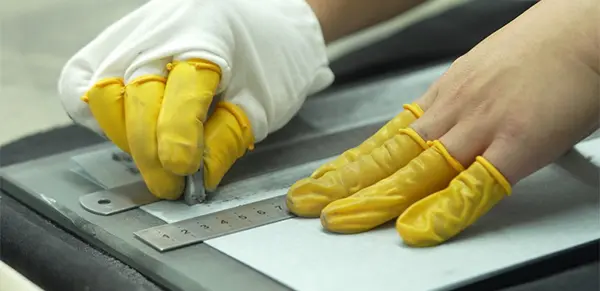
Quality assurance is backed by climate-controlled laboratories equipped with coordinate measuring machines (CMM), white-light interferometers, non-contact optical comparators, and Helium mass spectrometer leak detectors.
This technological evolution has empowered leading Chinese enterprises like Xinyunyang Precision Technology Co., Ltd. to support global high-tech industries. Established in November 2014, Xinyunyang has pioneered the application of sub-micron 5-axis CNC machining, optimizing compound feed systems, and customizing state-of-the-art tooling to handle tough materials like Kovar, Invar, Titanium, and high-purity copper.
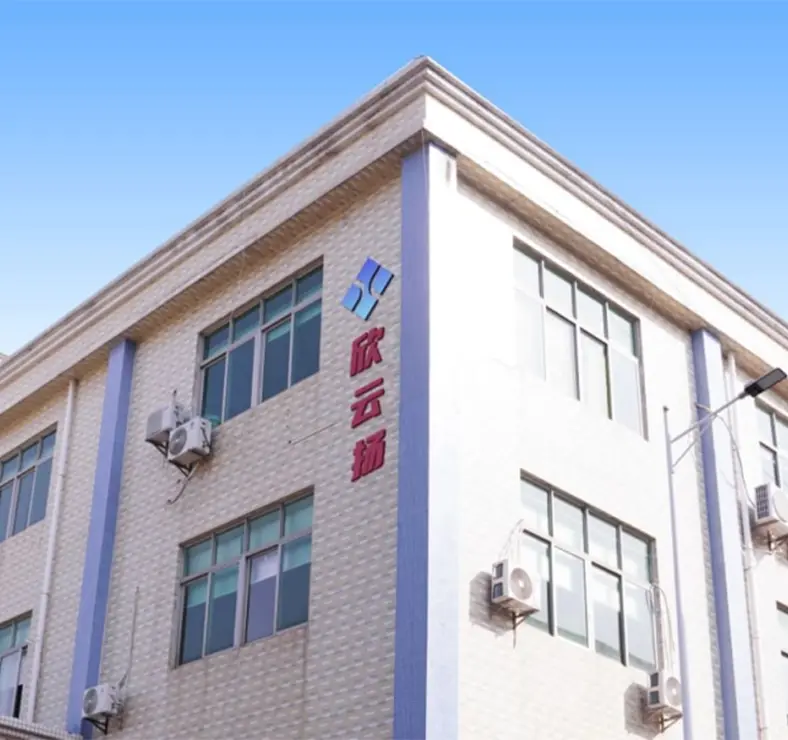
Founded in November 2014, Xinyunyang Precision Technology Co., Ltd. has established itself as an industry benchmark in high-end specialty metal packaging and hermetic component fabrication. Anchored on our foundational principles of Integrity, Innovation, Cooperation, and Sharing, we focus on Kovar precision processing technology to deliver miniaturized, custom, and highly reliable solutions worldwide.
Our core manufacturing capabilities are tailored to meet the strict demands of the semiconductor, optical communications, aerospace, defense, and medical device sectors. By integrating high-precision multi-axis machining with robust quality assurance, we help engineers transition complex designs from initial rapid prototyping to large-scale mass production.
 High-precision sub-micron CNC processing capability State-of-the-art high-rigidity high-spindle equipment Rigid aerospace-level ISO 9001 certified quality control Flexible OEM/ODM dynamic customization services
How Xinyunyang continually pushes the boundaries of ultra-precision manufacturing and alloy processing.
Our staff includes over 100 highly skilled professionals, with dedicated research and manufacturing engineers accounting for 30% of our workforce to guarantee smooth product development cycles.
Our core technical team boasts over a decade of hands-on experience in high-precision metal machining. We specialize in advanced processes for tough materials like Kovar and titanium, proactively designing solutions for next-gen 5G, AI, and green energy applications.
Operating under a strict ISO 9001 certified quality management system and utilizing an intelligent real-time production scheduling engine, Xinyunyang has boosted regular delivery efficiency by 15% to 20%, offering unparalleled reliability to partners worldwide.
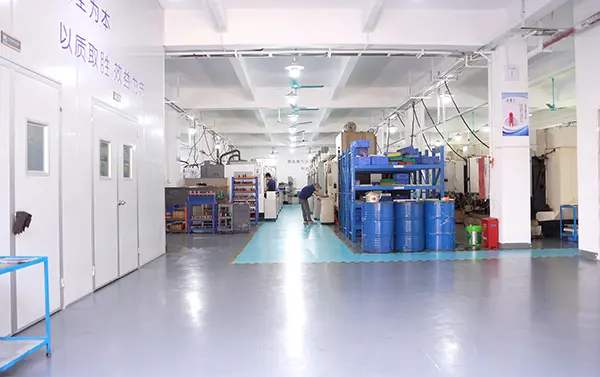
State-of-the-art facilities featuring cleanroom areas, testing setups, and advanced CNC machining centers.
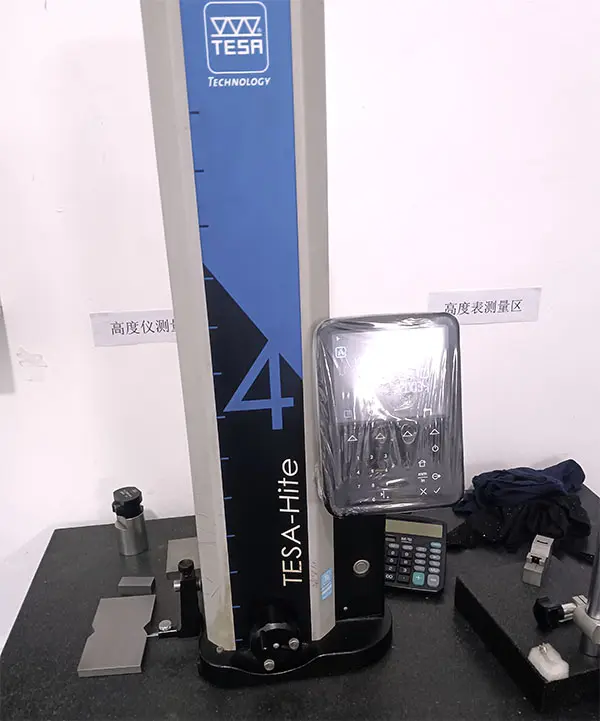
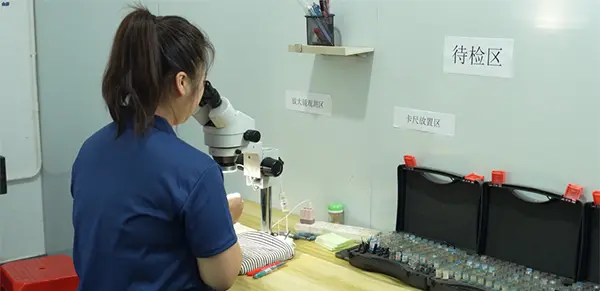
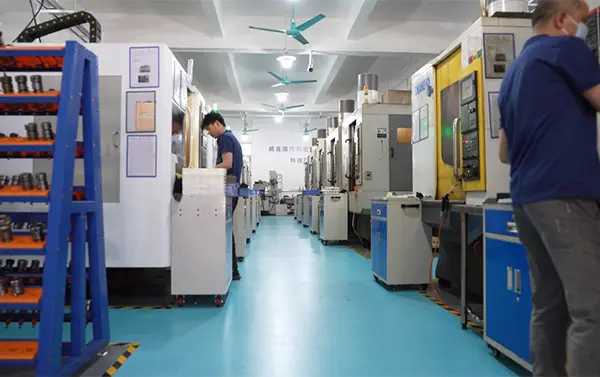
To assist procurement managers and systems engineers, the table below provides a detailed comparison of processing capabilities across key structural materials, detailing achievable tolerances and surface roughness limits under optimized conditions.
| Material Family | Common Grade | Achievable Tolerance | Surface Roughness (Ra) | Key Application Scenario |
|---|---|---|---|---|
| Kovar Alloy | 4J29 / ASTM F15 | ±0.002 mm | Ra < 0.3 μm (Dry/PCD) | Semiconductor Carrier, Optoelectronics, Glass-to-Metal Seal |
| Invar Alloy | Invar 36 / 4J36 | ±0.003 mm | Ra < 0.4 μm | Laser Systems, Satellite Structures, Optical Benches |
| Oxygen-Free Copper | TU1 / C10100 | ±0.001 mm | Ra < 0.1 μm (Single Crystal) | Thermal Heat Sinks, RF/Microwave Cavities, Power Electronics |
| Titanium Alloy | TC4 / Grade 5 | ±0.005 mm | Ra < 0.4 μm | Aerospace Connectors, Implantable Medical Devices |
| Stainless Steel | SUS316L / 1.4404 | ±0.003 mm | Ra < 0.2 μm | Sensor Housings, L-Shaped Connectors, Structural Frames |
Machining complex metals like Kovar goes far beyond toolpaths; it requires a deep understanding of thermal management and material behavior during operations. In semiconductor packaging, for example, even a minor thermal mismatch can cause micro-cracking in protective glass seals. By carefully managing machining feed rates, tool path overlap, and thermal cooling profiles, we ensure our housings preserve their low coefficient of thermal expansion, safeguarding critical internal circuits.
For optical communications and 5G networks, signal transmission speeds rely heavily on physical component precision. We use high-precision milling to build optical module housings with accurate internal cavities, ensuring clean laser alignments and excellent electromagnetic shielding. Our customized solutions help global providers scale their hardware infrastructure while maintaining long-term reliability in challenging environments.
Comprehensive engineering insights helping clarify challenges, materials, and capabilities.
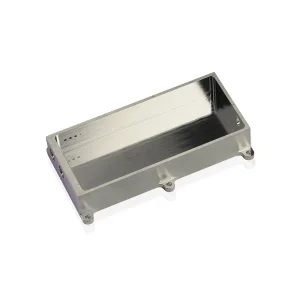
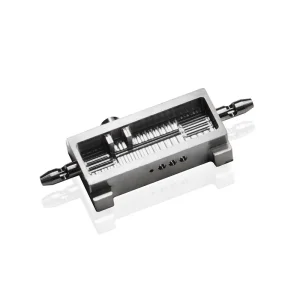
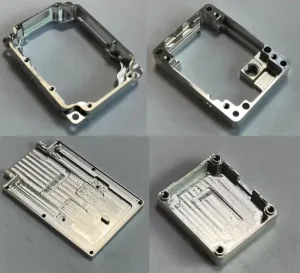
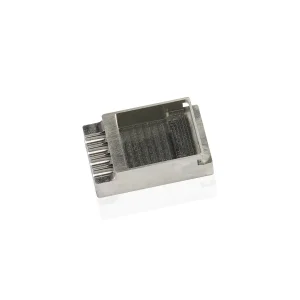
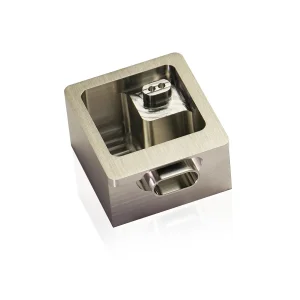
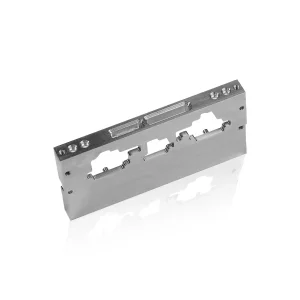
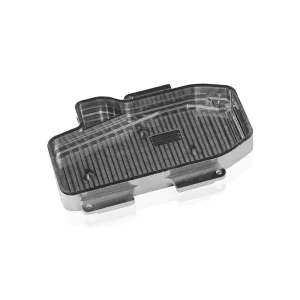
Strictly manufactured components engineered for thermal balance, signal fidelity, and long-term durability.
 Xinyunyang Precision