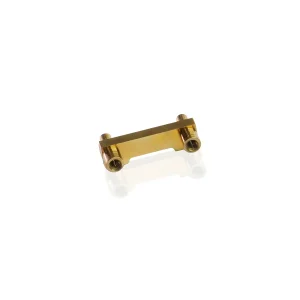
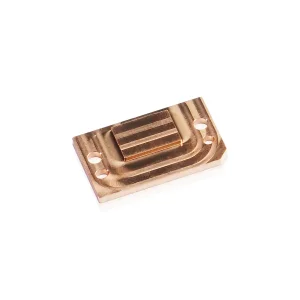
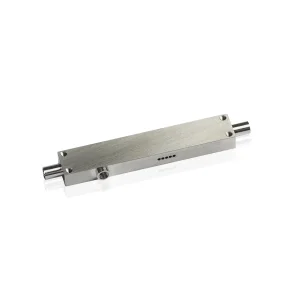
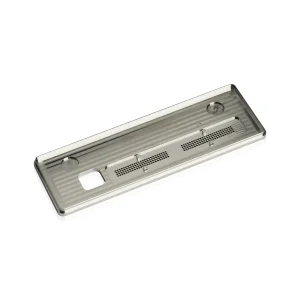
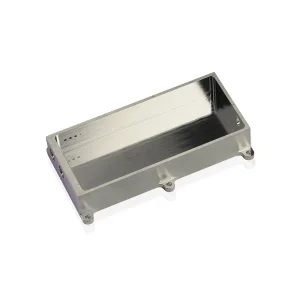
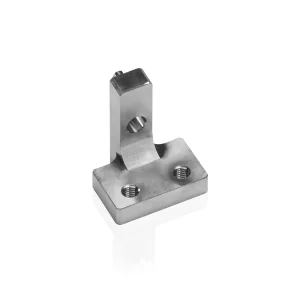
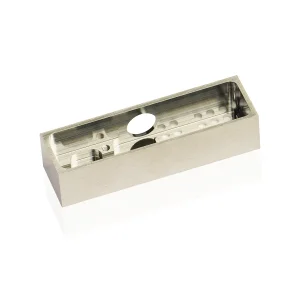
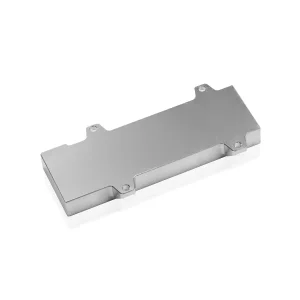
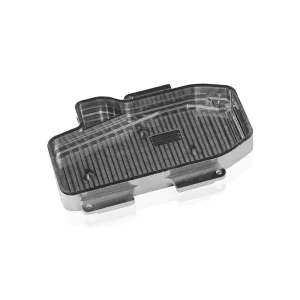
Engineered to sub-micron tolerances, our premium product lineup covers versatile industrial bases, thermal-matched alloys, and advanced automation components.
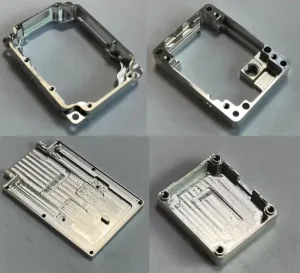
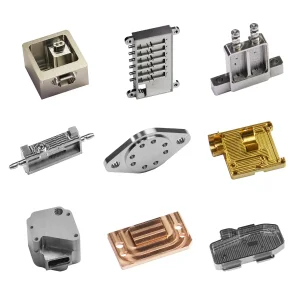
In modern industrial engineering, CNC high precision manufacturing is no longer just a basic subtractive manufacturing process. It has evolved into an essential systems engineering framework that dictates the efficiency, longevity, and structural thresholds of modern high-tech equipment. As global technology platforms shift toward 5G, artificial intelligence, hyper-miniaturization, and aerospace advancements, component requirements have transcended traditional tolerance thresholds. Contemporary demands routinely call for dimensional accuracies down to the micron and sub-micron scale, alongside absolute material consistency under extreme stress profiles.
High-precision machining operates at the critical intersection of advanced metallurgy, tool geometry, multi-axis kinematics, and adaptive thermal control. From defining complex micro-channels in copper heat sinks to carving complex structures from specialized low-expansion alloys, CNC manufacturing serves as the foundational enabler. Without these precision manufacturing processes, modern technological leaps in optical transmission, solid-state sensors, high-frequency telecommunications, and hermetic micro-packaging would remain structurally impossible.
The global CNC precision machining industry is undergoing a structural transformation. Supply chains are rapidly pivoting away from low-cost, high-volume models toward localized, high-value, highly adaptive manufacturing cells. Leading economies across North America, the European Union, and Asia-Pacific are actively reshoring micro-component fabrication capabilities. This shift is driven by a critical need to secure semiconductor packaging, defense hardware, and high-frequency communication infrastructures from volatile geopolitical disruptions.
Moreover, the integration of advanced sensors and real-time monitoring systems is reshaping the modern factory floor. Modern CNC centers rely heavily on digital twin models, in-situ metrology, and closed-loop feedback algorithms. These technologies proactively detect tool wear and thermally-induced displacement, dynamically compensating for them mid-cycle. This level of optimization minimizes material waste, maximizes cycle efficiency, and guarantees consistent compliance with stringent aerospace and medical quality guidelines.
At the center of high-performance glass-to-metal and ceramic-to-metal hermetic sealing is Kovar alloy (UNS K94610 / 4J29). It is a vacuum-melted, Iron-Nickel-Cobalt formulation specifically structured to match the low thermal expansion coefficients (CTE) of borosilicate glasses and alumina ceramics over a wide temperature spectrum. Specifically, Kovar possesses an expansion coefficient of approximately 4.7 × 10⁻⁶/°C from 30°C to 400°C, remaining highly stable across extreme thermal cycles.
However, machining Kovar presents formidable engineering challenges. Due to its high nickel and cobalt content, Kovar exhibits strong work-hardening characteristics, low thermal conductivity, and high elasticity. Standard cutting tools experience accelerated abrasive wear, leading to compromised surface integrity, micro-burring, and dimensional drift. Mitigating these issues requires highly specialized tool geometries, advanced coating technologies (such as AlTiN or PCD), high-pressure flood cooling systems, and optimized toolpaths designed to minimize mechanical stresses within the workpiece.
Maintains a precise, stable expansion coefficient of 4.7±0.2×10⁻⁶/°C, eliminating structural shear stresses during high-temperature glass-to-metal hermetic bonding.
Provides critical containment and protection under intense vacuum conditions, preventing helium leaks in high-reliability military and aerospace RG connectors.
Delivers exceptionally low insertion loss (IL < 0.26dB at 40GHz), ensuring optimal performance in high-frequency 5G and satellite micro-transmitters.
The roadmap for high-precision manufacturing is defined by three major technological milestones, each moving the industry closer to absolute precision, zero-waste efficiency, and intelligent adaptation:
Transitioning from traditional 3-axis and 4-axis operations to high-speed 5-axis simultaneous machining. This structural shift allows for single-setup processing of intricate components, minimizing positional cumulative errors, and maintaining precise geometries on complex 3D surfaces.
Deploying deep-learning neural networks connected to real-time acoustic emission, vibration, and thermal sensor arrays. The system actively senses tool wear and structural deflection, adjusting feed rates, spindle speeds, and dynamic coordinate offsets in real-time.
Eliminating hazardous cutting fluids in favor of Minimum Quantity Lubrication (MQL) and cryogenic CO2 cooling. The industry is prioritizing clean, conflict-free alloys with audited recycling streams, ensuring compliance with RoHS and global circular-economy standards.
Precision-machined Kovar alloys and structural components serve as key building blocks across a wide range of highly demanding industrial sectors. In semiconductor packaging, Kovar frames and sub-mounts provide mechanical stability and thermal dissipation for fragile silicon chips. These components prevent structural cracking caused by internal thermal stresses during high-performance computing cycles.
In the telecommunications and aerospace fields, the demand for 5G micro-packages, satellite RF modules, and hermetic connectors requires materials that perform reliably under harsh environmental conditions. Similarly, the medical device sector relies heavily on biocompatible, precision-machined assemblies for implantable instrumentation and diagnostic equipment, where a component failure is not an option.
A world-renowned leader in Kovar precision processing and high-reliability metal packaging solutions.
Founded in November 2014, Xinyunyang Precision Technology Co., Ltd. has established a strong reputation for industrial excellence. From the very beginning, the company has adhered to its founding principles, building its reputation on the values of Integrity, Innovation, Cooperation, and Sharing.
Our core competitiveness lies in our specialized Kovar precision processing technologies. We serve advanced global sectors including semiconductors, optical communications, aerospace, medical devices, and new energy/defense. We are committed to providing highly customized, miniaturized, and exceptionally reliable metal packaging solutions to our global partners.
Our long-term goal is to continuously expand our technical capabilities, establishing ourselves as a leading global supplier of hermetic package lids, Kovar alloy components, and precision parts.
 High-precision processing capability
Advanced technology and equipment
Strict quality control
Flexible customized services
High-precision processing capability
Advanced technology and equipment
Strict quality control
Flexible customized services
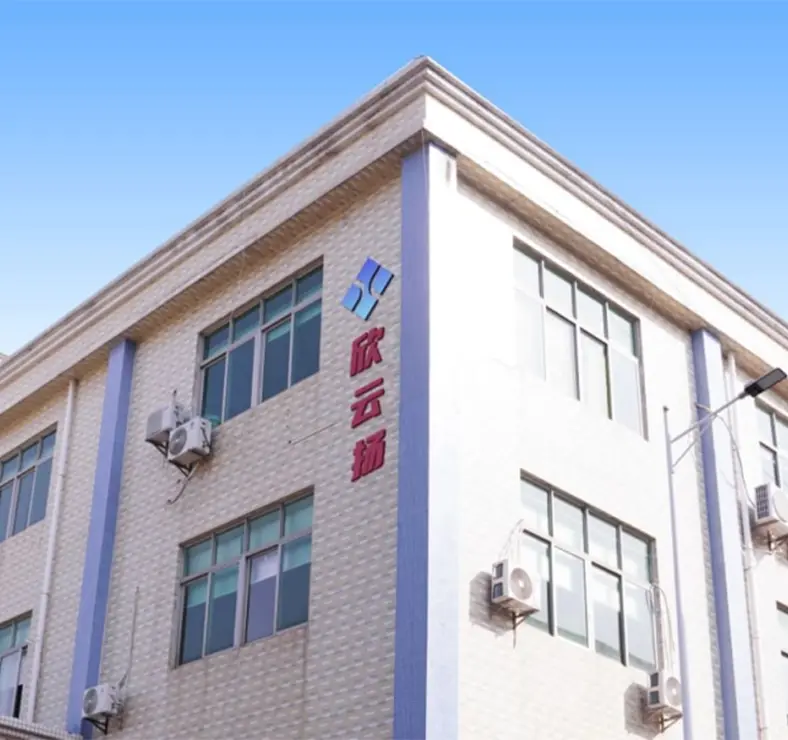
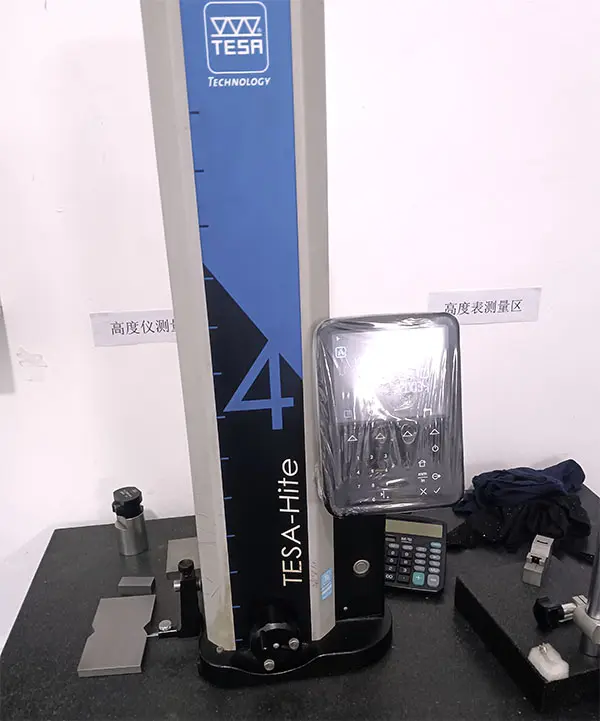
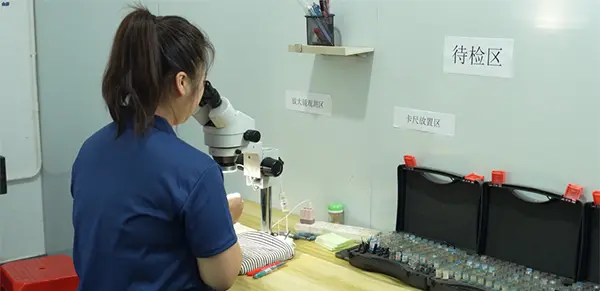
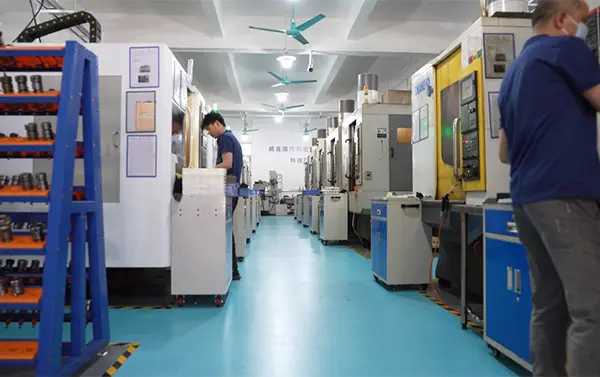
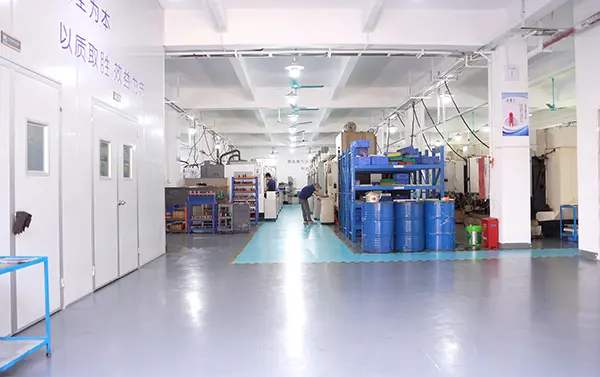
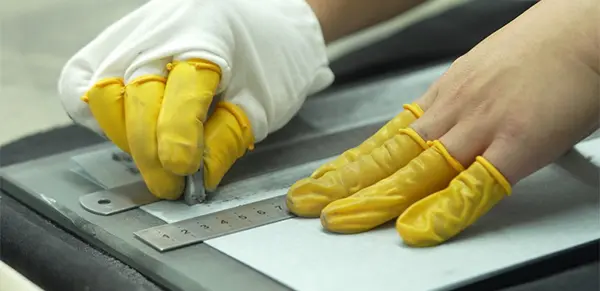
Take a look inside our manufacturing facilities, state-of-the-art testing laboratories, and production floors.
Common technical inquiries regarding high-precision CNC machining, special alloys, and custom production capabilities.
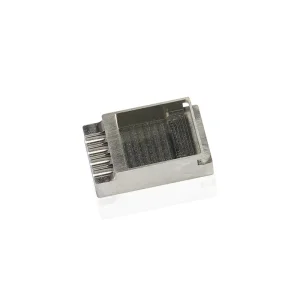
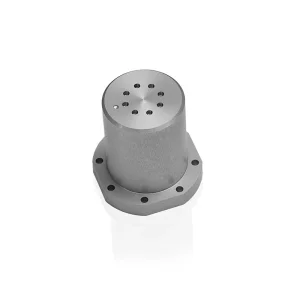
Our specialized portfolio of high-frequency enclosures, Kovar alloy seals, and green-compliant structural components designed for high-stress applications.
 Xinyunyang Precision