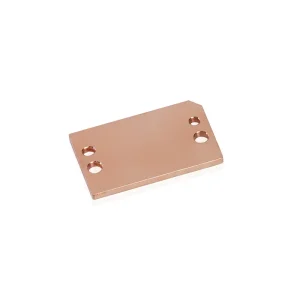
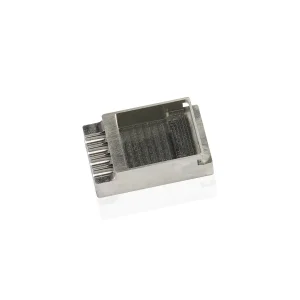
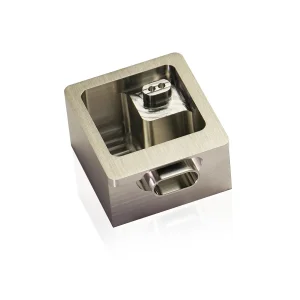
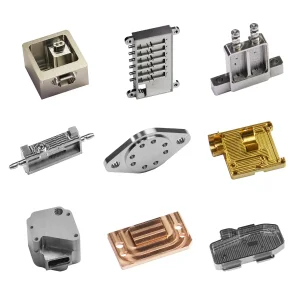
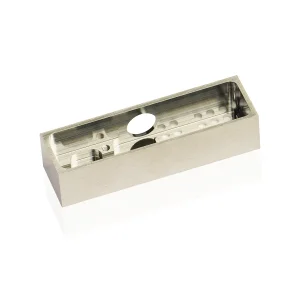
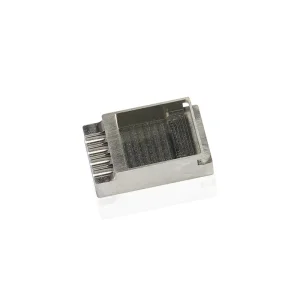
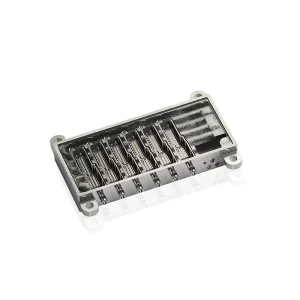
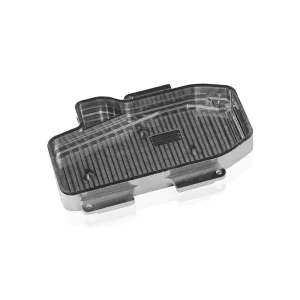
In the era of Industry 4.0, Industrial Internet of Things (IIoT) sensors serve as the central nervous system of automated manufacturing plants, petrochemical refineries, marine exploration, aerospace systems, and energy grids. While software algorithms compute real-time analytics and predictive maintenance models, the integrity of physical telemetry hinges entirely upon the micro-environment within the sensor itself. Consequently, selecting a reliable wholesale industrial IoT sensor housing supplier becomes a fundamental decision that determines whether sensitive internal chips, MEMS chips, and transmitter networks will withstand severe operations or experience premature catastrophic failure.
To withstand extreme environments, an industrial sensor housing must act as an impermeable shield. It must resist high pressures, cryogenic or high temperatures, vibration, and chemical agents. Furthermore, the housing needs to offer electromagnetic interference (EMI) and radio frequency interference (RFI) shielding to ensure clear data transmission within busy factory environments.
Maintains absolute vacuum or inert nitrogen atmospheric pressure levels, preventing corrosion of sensitive micro-circuits from atmospheric moisture or chemical vapor ingress.
Designed using 4J29 Kovar alloy with a thermal expansion coefficient (4.7±0.2×10⁻⁶/℃) carefully matched to borosilicate glass, preventing thermal cracking at the seams.
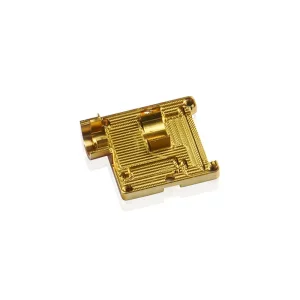
Finished with high-quality gold plating, nickel plating, or passivation to protect structures from acid-base solutions, salt mist spray, and severe industrial humidity.
In high-reliability packaging, standard metals like generic aluminum or generic stainless steels present significant drawbacks when integrated directly with brittle substrates (such as glass, ceramics, and silicon chips). Over wide temperature fluctuations—ranging from sub-zero space environments to intense gas turbines—metals and glass expand and contract at vastly different rates. This thermal expansion mismatch induces severe tensile stress, ultimately causing structural failure, gas leaks, and sensor drift.
As a leading supplier of Kovar alloy components and precision metal structural parts, Xinyunyang Precision Technology utilizes 4J29 Kovar alloy as the primary material for high-reliability hermetic sensor housings. This iron-nickel-cobalt alloy is characterized by a low coefficient of thermal expansion (CTE) that closely matches that of borosilicate glass and alumina ceramic substrates across a wide temperature range (-70°C to 450°C).
By using precision Kovar housings, sensors are protected against high-frequency vibration, severe shock waves, and thermal stress. This ensures long-term calibration consistency in extreme environments, such as aerospace telemetry, optical transceivers, and deep oil-well drilling monitors.
Controlled Coefficient of Expansion: CTE of 4.7±0.2×10⁻⁶/℃ within the range of 30°C to 400°C ensures compatibility with glass and ceramic seals.
High Reliability Sealing: Ideal for vacuum tubes, optical transceivers, microwave devices, and high-frequency 5G enclosures.
Excellent Machinability: Specialized CNC processing maintains sub-micron flatness and exact wall thickness tolerances.
Titanium Alloy (Gr5/Gr2): Provides a high strength-to-weight ratio and bio-compatibility, ideal for implantable medical sensors and marine exploration gear.
SUS316L Stainless Steel: Offers high resistance to pitting corrosion in harsh environments containing chlorides and sulfur gases.
High-Speed CNC Milling: Advanced tooling setups prevent work-hardening and deliver clean, deburred threads.
Founded in November 2014, Xinyunyang Precision Technology Co., Ltd. (SZKovalloy) has grown into a leading supplier of hermetic package lids, Kovar alloy components, and precision parts in China and globally. The company operates under the core business principles of **Integrity, Innovation, Cooperation, and Sharing**.
Our core competency lies in Kovar precision processing technology. We serve demanding industries such as semiconductors, optical communications, aerospace, medical devices, defense, and new energy. We specialize in producing custom housings and components that satisfy both mechanical robustness and hermetic requirements.
Fully equipped CNC workshops, quality checking stations, and strict testing laboratories.
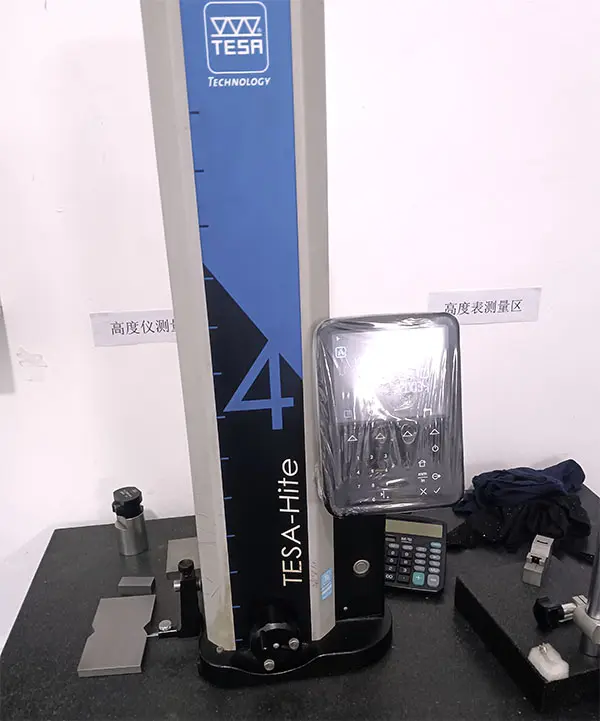
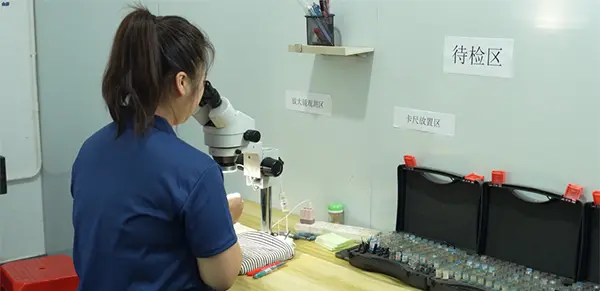
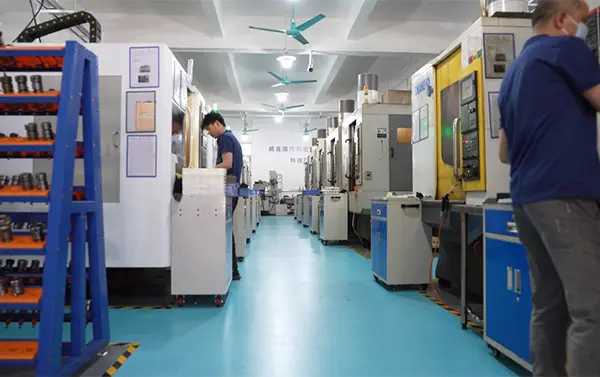
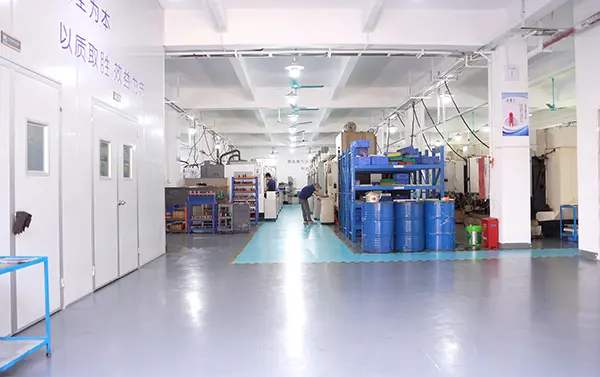
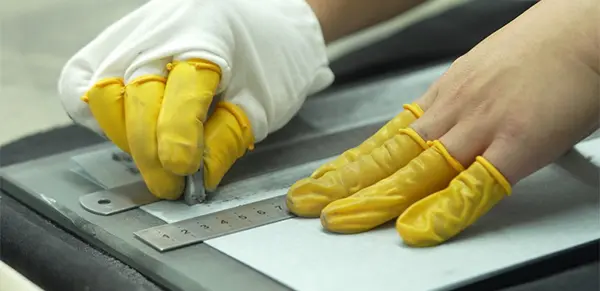
Our team consists of more than 100 professionals, with technical R&D engineers accounting for 30% of our workforce. We handle complex product design, mold configuration, and manufacturing planning.
Our core technical experts bring over ten years of experience in precision metal processing. We specialize in machining special metals like Kovar, titanium alloys, and tungsten-copper, supporting high-frequency 5G, optical, and AI applications.
Operating under an ISO 9001 quality management system and utilizing an intelligent production scheduling system, we have improved delivery efficiency for regular orders by 15% to 20% compared to traditional processes.
Enterprise procurement specialists sourcing wholesale industrial IoT sensor housings face several supply chain and engineering challenges, including:
Xinyunyang addresses these challenges by offering a single, integrated source for all stages of production, from raw material procurement and high-precision CNC machining to gold-plating and quality testing. This end-to-end process ensures consistent quality control and reduces total cost of ownership (TCO) for global buyers.
Industrial IoT sensors are deployed worldwide and must comply with diverse regional safety and environmental standards. Consequently, our housings and precision components are engineered to comply with strict international regulatory frameworks:
ATEX & IECEx Certification Readiness: Sensors used in hazardous areas—such as chemical plants and coal mines—must use spark-free, flame-proof, or intrinsically safe housings. Our precision steel and Kovar structures are built with wall thicknesses and threaded joint counts that meet ATEX/IECEx standards.
Ingress Protection (IP67/IP68/IP69K): For marine applications and high-pressure food processing washdowns, our housings are designed with tight tolerances and specialized grooves for O-rings, ensuring reliable operation under high-pressure water jets and continuous submersion.
RoHS and REACH Compliance: All plating materials (including gold, nickel, and tin) and base alloys undergo strict testing to ensure they are free of lead, cadmium, hexavalent chromium, and other restricted hazardous substances, ensuring smooth entry into European and North American markets.
To support global customers, Xinyunyang provides technical consulting and engineering assistance in multiple languages. Our team helps clarify design details, select materials, and adjust designs for manufacture (DFM) during the pre-sales phase, reducing time-to-market for custom sensor designs.
As industrial automation systems evolve, the requirements for sensor housings are shifting rapidly toward higher frequencies, smaller form factors, and more sustainable production methods:
High-Frequency 5G/6G & Millimeter-Wave Transmission: Modern edge-computing sensors process and transmit massive amounts of data in real-time. Traditional metal housings can block RF signals. Our 5G communication Kovar alloy shells are engineered to support high-frequency transmission (up to 40GHz) with low insertion loss (IL < 0.26dB), ensuring reliable signal integrity for integrated wireless transmitters.
Extreme Miniaturization: To fit inside robotic joints, biological medical implants, and compact smart grids, sensors must shrink in size. Xinyunyang uses advanced multi-axis CNC micro-machining centers to produce highly detailed, thin-walled structures (with walls down to 0.2mm thickness) without sacrificing mechanical strength or hermeticity.
Sustainable and Green Manufacturing: Environmental responsibility has become a key factor in global supply chain decisions. We are committed to green manufacturing by reducing scrap rates through simulation-driven design, utilizing eco-friendly cleaning solvents, and reclaiming alloy chips to minimize the carbon footprint of our Kovar and titanium components.
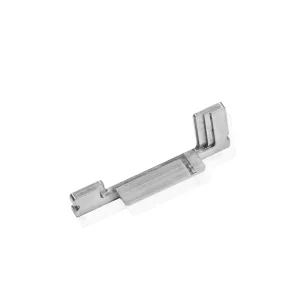
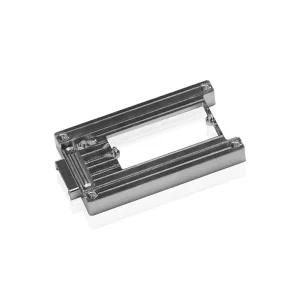
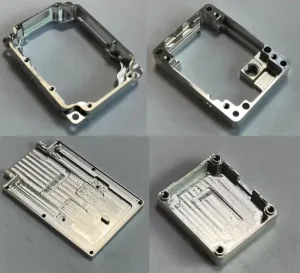
 Xinyunyang Precision